
Picking
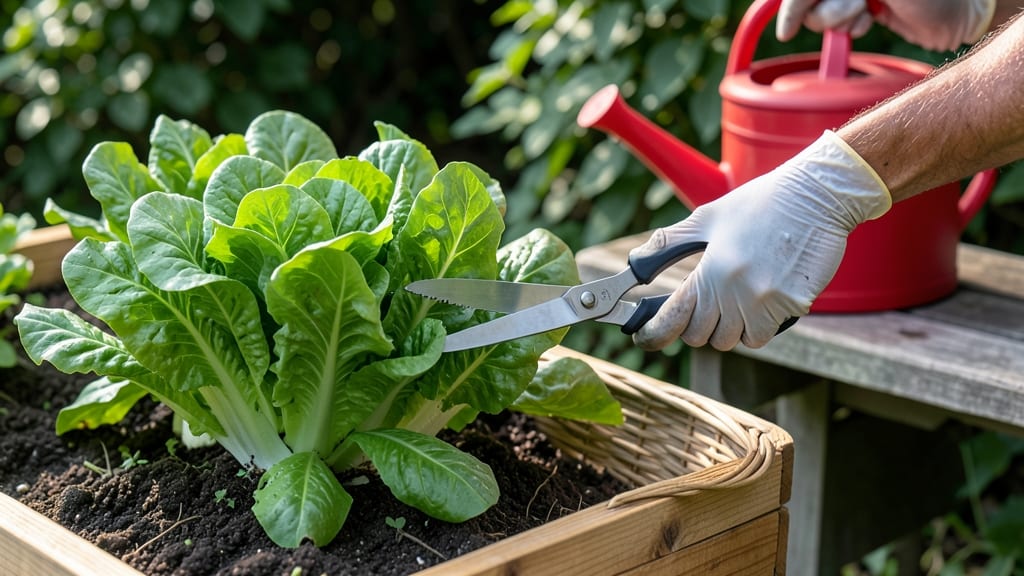
How to harvest leaf lettuce so it keeps growing means never saying goodbye to fresh greens. ✂️ The cut-and-come-again method turns a single planting into a continuous harvest—just snip what you need, and the plant grows back stronger than before. I’ve used this technique for years, and it’s how I keep salads on the table from spring until fall’s first frost.
Timing is everything—harvest when leaves are 4-6 inches tall and outer leaves are fully formed. Use clean, sharp scissors or a knife to avoid damaging the plant, and always cut just above a leaf node where new growth emerges.
This simple step ensures your lettuce keeps producing instead of bolting or turning bitter.
What you’ll get is a never-ending supply of tender greens with minimal effort. My lettuce plants stay productive for 6-8 weeks with proper care, and the flavor stays crisp and sweet. The key is consistent watering and partial shade during hot afternoons to prevent bolting.
Works for any leaf lettuce variety—romaine, butterhead, or loose-leaf—and even extends the season in cooler climates. Once you try it, you’ll wonder why you ever bought store lettuce again. Let’s get those scissors ready!
📚 In This Guide
- What you need
- Instructions
- Tips and common mistakes
- Wrapping up and next steps
What you need
- ● Sharp scissors or pruning shears – Must be clean and sharp (avoid dull knives to prevent tearing leaves). A 10-inch pair works best for most garden beds.
- ○ Gloves (optional but recommended) – Lightweight gardening gloves protect hands from dirt and thorns (especially if harvesting near other plants like raspberries or blackberries).
- ● Watering can or hose with a gentle spray nozzle – A 1-2 gallon capacity can is ideal for post-harvest hydration. Keep it nearby!
- ○ Organic mulch (straw or shredded leaves) – A 1-2 inch layer helps retain moisture and protect new growth. Optional but highly recommended for hot climates.
- ● Compost or balanced fertilizer (5-5-5 or 10-10-10) – A ½ cup per 10 sq ft applied after harvest gives lettuce a nutrient boost. Skip if using organic compost tea.
- ● Harvest basket or shallow tray – Prevents bruising leaves during transport. A 12x18-inch tray works well.
- ● pH testing kit – Ensures soil pH stays between 6.0–7.0 (ideal for lettuce). Test every 2–3 harvests.
- ● Shade cloth (30–50%) – Temporarily covers lettuce if harvesting in peak sun (10 AM–4 PM) to prevent bolting.
- ● Food-safe sanitizer (like vinegar spray) – Quickly disinfects tools between harvests to avoid disease spread.
Step-by-Step instructions for cut-and-come-again lettuce harvesting
Here’s how to keep your leaf lettuce thriving after harvest—no need to pull the whole plant!
🌿 Step 1: Wait Until Lettuce Reaches 4-6 Inches Tall
Harvesting too early stunts regrowth, so wait until your lettuce stands at least 4-6 inches tall—that’s when the outer leaves are big enough to eat but the center still has energy to produce new growth. You’ll know it’s ready when the outer leaves are fully unfurled and the baby leaves in the center are visibly growing.
Run your thumb along the soil line to check for resistance—this tells you the roots are established enough to handle cutting. If the plant feels wobbly or pulls up easily, wait another week. The goal is to leave the inner rosette intact so it can regrow.
✂️ Step 2: Snip Outer Leaves at the Base
Use clean, sharp scissors or pruning shears to cut just above the bottom set of leaves—this is where the plant’s energy is stored. Never pull leaves; tearing damages the plant and invites rot. Aim for 1-2 inches above the center to leave enough foliage for regrowth.
Focus on harvesting only the largest, most mature outer leaves first. These are the ones ready to eat, and removing them encourages the inner leaves to mature faster. If you cut too close to the center, you’ll slow down—or even stop—future growth. Think of it like trimming your hair: you never shave it all off!
💧 Step 3: Water Immediately After Harvesting
Give your lettuce a deep drink right after cutting to replenish moisture lost during harvest. Water until the soil is damp 2 inches down—stick your finger in to check. Lettuce has shallow roots, so consistent moisture is key to regrowth. Avoid overhead watering, as wet leaves can develop fungus.
If your lettuce is in a container, water until you see it draining from the bottom. For in-ground plants, use a gentle stream to avoid displacing soil. The first few days after harvest are critical—this is when the plant decides whether to bounce back or give up.
☀️ Step 4: Provide Shade and Fertilizer for Recovery
Move your lettuce to a spot with partial shade for 2-3 days after harvesting to reduce stress. Full sun can scorch tender new growth while the plant recovers. A simple shade cloth or even a nearby tree will do. Watch for wilting—this is your cue to keep it shaded a little longer.
Feed your lettuce with a light application of balanced fertilizer (like 10-10-10) diluted to half strength. This gives it the nutrients to push out new leaves quickly. Avoid heavy fertilizers—they can burn tender regrowth. You’ll see new leaves emerging from the center in 7-10 days if conditions are right.
🌱 Step 5: Repeat Harvests Every 2-3 Weeks
Once your lettuce recovers, you can harvest again following the same method. Over time, your plant will produce smaller leaves but more frequently, giving you a steady supply. If the center gets woody or the leaves start tasting bitter, it’s time to let the plant bolt—harvest what you can and start fresh.
Real talk: the first few harvests might feel hesitant, but your lettuce will get the hang of it. Keep an eye on the soil—if it dries out too quickly, mulch around the base to retain moisture. With patience, one plant can give you harvests for months instead of just once!
Tips & tricks for perfect cut-and-come-again lettuce harvesting
Let me save you from the heartbreak of pulling your entire lettuce plant—these tricks will help you get endless harvests!
Timing is Everything: In Step 1, when checking for the 4-6 inch height, look for the outer leaves to be fully unfurled but still see baby leaves forming in the center. This visual cue tells you the plant has enough energy to regrow. I've learned the hard way that harvesting too early means your lettuce will just sit there looking sad instead of bouncing back.
Precision Cutting Technique: For Step 2, use a pair of clean scissors and make your cuts at a 45-degree angle just above the bottom set of leaves. This angled cut helps water run off better, reducing rot risk. I always sanitize my scissors with rubbing alcohol between harvests—it's a small step that prevents disease from spreading to your plant. Never pull leaves, even if they look tempting!
Post-Harvest Recovery: After your harvest, the 2-3 days of partial shade in Step 4 are non-negotiable for tender new growth. I've seen lettuce plants wilt dramatically after harvest, but moving them to shade and keeping soil consistently moist (as in Step 3) makes all the difference. Think of it like giving your lettuce a mini vacation from the sun while it recovers its strength.
Fertilizer Strategy: When applying that light fertilizer in Step 4, I recommend using a liquid fertilizer you can mix directly into your watering can. This ensures even distribution without burning tender new leaves. The key is "light application"—too much fertilizer can actually stunt regrowth, so dilute that 10-10-10 to half strength and apply it gently around the base rather than on the leaves.
Pro Tips for Harvest Leaf Lettuce So It Keeps Growing
- Let me save you from the heartbreak of pulling your entire lettuce plant—these tricks will help you get endless harvests!
- Timing is Everything: In Step 1, when checking for the 4-6 inch height, look for the outer leaves to be fully unfurled but still see baby leaves forming in the center.
- Precision Cutting Technique: For Step 2, use a pair of clean scissors and make your cuts at a 45-degree angle just above the bottom set of leaves.
Frequently asked questions
Got questions about keeping your leaf lettuce thriving after harvest? You’re not alone—here are some of the most common concerns (and their simple solutions!) to help you master the cut-and-come-again method like a pro.
How do I know when leaf lettuce is ready for the first harvest?
Leaf lettuce is ready to harvest when the outer leaves reach 3–4 inches tall and look vibrant. Avoid waiting until the whole head is mature—this encourages bolting (flowering). For baby greens, snip when leaves are 2–3 inches long. Pro tip: Check for crispness and a slightly bitter edge on older leaves—this means it’s time!
How often should I harvest leaf lettuce to keep it growing?
Harvest every 1–2 weeks by cutting just above the soil line (or the lowest set of leaves). This gives the plant time to regrow while preventing stress. In hot weather, harvest more frequently (every 7–10 days) to avoid bolting. Remember: Consistent harvesting = more harvests!
What if my lettuce bolts after harvesting? How can I prevent it?
Bolting (sending up flower stalks) happens due to heat, drought, or age. To prevent it:
- Harvest young (before the core thickens).
- Keep soil cool and moist (mulch helps!).
- Plant heat-tolerant varieties like ‘Black Seeded Simpson’ or ‘Jericho’.
- Avoid harvesting in peak afternoon sun—do it in the morning.
Can I harvest leaf lettuce by pulling whole leaves instead of cutting?
Yes! You can pinch off individual outer leaves (about ⅓ of the plant at a time) to keep the center growing. This works well for loose-leaf varieties like ‘Salad Bowl’ or ‘Oakleaf’. Just avoid taking more than 20–30% of the plant per harvest to maintain growth. Bonus: This method is great for container gardens!
What should I do if my lettuce looks wilted or yellow after harvesting?
Wilt or yellowing can mean over-harvesting, underwatering, or nutrient deficiency. Try these fixes:
- Give it 1–2 weeks to recover before harvesting again.
- Water deeply at the base (avoid wetting leaves to prevent disease).
- Fertilize with a balanced liquid fertilizer (like 10-10-10) or compost tea.
- Move to partial shade if growing in hot climates.
How long can I expect leaf lettuce to produce after repeated harvests?
With proper care, leaf lettuce can keep producing for 6–8 weeks (or even longer in cool seasons). After that, the plant may slow down or bolt. For continuous harvests, sow new seeds every 2–3 weeks in spring/fall or use successive planting in containers. Fun fact: Some gardeners get 3–4 harvests from one planting!
Wrapping up and next steps
Harvesting leaf lettuce the cut-and-come-again way isn’t just a trick—it’s your ticket to a never-ending supply of fresh, crisp greens! By following these simple steps, you’ll enjoy bountiful harvests without sacrificing future growth.
Whether you’re a seasoned gardener or just starting out, this method proves that patience and precision pay off—literally.
Ready to keep the harvest rolling? Try experimenting with different varieties or even successive plantings to extend your season. Your garden—and your taste buds—will thank you! 🌱✨