Planting
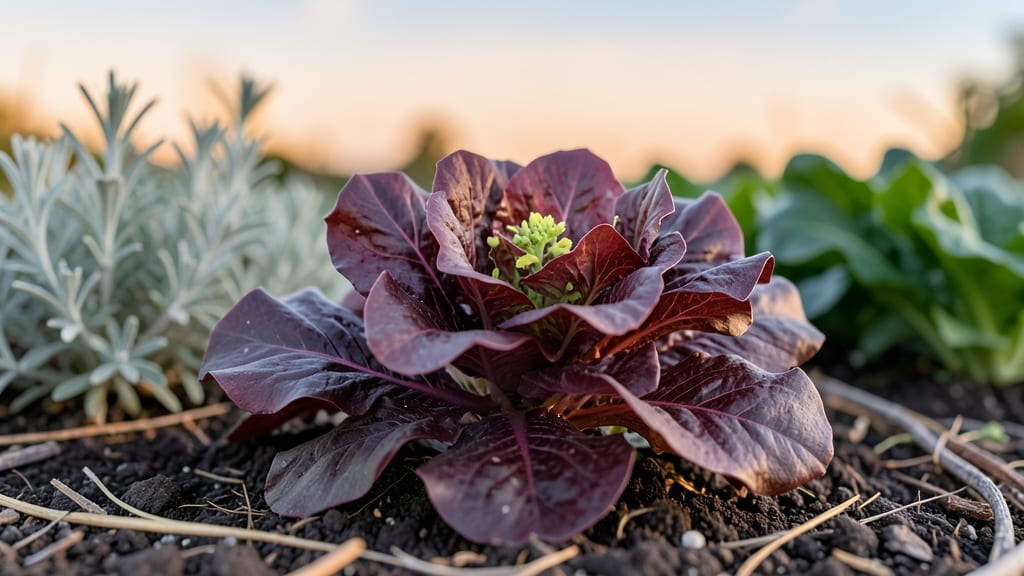
Growing red leaf lettuce plants is the fastest way to get crisp, ruby-red greens on your table in just 30 days. 🌿 The secret lies in cool weather and consistent care—no fancy equipment needed.
I’ve grown mine in containers on my porch, and they’ve never tasted better than when pulled fresh from the soil. Start with loose, well-draining soil rich in compost, and keep the bed moist but not soggy.
Red leaf lettuce thrives in partial shade, making it perfect for spring or fall planting when temperatures stay mild. The key is patience: once planted, these frilly leaves grow quickly but need gentle handling to avoid bolting.
By harvest time, you’ll have deep ruby leaves with crisp edges perfect for salads. The first flush arrives in about 4 weeks, and with successive plantings, you can enjoy fresh greens for months. Even beginners can master this—just watch for slugs and keep the soil evenly moist.
This variety adapts well to containers, raised beds, or in-ground plots. Whether you’re growing for salads, garnishes, or just the joy of watching it flourish, red leaf lettuce delivers bold color and texture with minimal effort. Ready to try it?
📚 In This Guide
- What you need
- Instructions
- Tips and common mistakes
- Wrapping up and next steps
What you need
- ● Red leaf lettuce seeds – 1 packet (approx. 500-1,000 seeds) or 2-3 seeds per planting hole.
- ● Containers or garden bed – 6-inch deep pots (for indoor/container gardening) or a well-draining garden plot with partial shade.
- ● Well-draining potting mix or garden soil – 10-15 lbs (for containers) or amended garden soil with compost.
- ● Watering can or hose with a gentle spray nozzle – Keep soil consistently moist (not soggy).
- ○ Fertilizer (optional but recommended) – Balanced liquid fertilizer (e.g., 10-10-10) or compost tea for a nutrient boost.
- ● Gloves – Protect your hands while handling soil.
- ● Trowel or small shovel – For planting seeds or transplanting seedlings.
- ○ Seedling trays (optional) – If starting indoors, use 72-cell trays for easier transplanting.
- ● Mulch or straw – Helps retain moisture and suppress weeds (1-2 inches).
- ○ Shade cloth (optional) – 30-50% coverage to protect young plants from intense sun.
- ● Time commitment – 30-45 days from seed to harvest (or 20 days from transplant).
- ● Climate – Ideal in cool seasons (spring/fall). Avoid planting in extreme heat (>85°F).
- ● Sunlight – 4-6 hours of indirect light daily (morning sun is best).
Step-by-step instructions for growing red leaf lettuce
Here's how to grow crisp, ruby-red lettuce that's ready to harvest in just 30 days.
🌱 Step 1: Choose the Right Location and Prepare Soil
Red leaf lettuce thrives in cool weather and prefers a spot with 4-6 hours of morning sun and afternoon shade, especially in hotter climates. I always pick a location with gentle airflow to prevent fungal diseases. If growing in containers, ensure they're at least 6 inches deep—shallow pots stunt root development.
Work in 2-3 inches of compost to enrich the soil with organic matter. Lettuce loves loose, fertile soil that drains well. I like to mix in a handful of aged manure or worm castings for extra nutrients. Avoid fresh manure—it can burn tender roots. Test your soil's moisture by squeezing a handful; it should hold together lightly but not feel soggy.
💧 Step 2: Plant Seeds or Transplants at the Right Time
Sow seeds ¼ inch deep and 1 inch apart in rows spaced 12 inches apart to allow room for leaf expansion. I plant mine in early spring or late summer to avoid the heat of mid-summer. For a continuous harvest, make successive plantings every 2-3 weeks—this ensures you always have fresh lettuce ready.
If using transplants, space them 8-10 inches apart to give each plant enough room to develop those signature frilly leaves. Water gently after planting to settle the soil around the roots. Avoid wetting the leaves, which can lead to disease. You'll know it's time to water again when the top inch of soil feels dry to the touch.
☀️ Step 3: Maintain Consistent Moisture and Light
Keep the soil consistently moist but never waterlogged—lettuce roots need oxygen to grow strong. I water in the morning so the leaves have time to dry before evening. Mulch around the plants with 1-2 inches of straw or shredded leaves to retain moisture and keep weeds at bay. This also prevents soil from splashing onto the leaves during watering.
Watch for signs of stress: if leaves start to wilt or turn yellow, it’s a sign of either too much sun or not enough water. Red leaf lettuce can bolt (go to seed) quickly in hot weather, so provide afternoon shade if temperatures rise above 75°F. You’ll see the best color and crispness when plants get the right balance of light and moisture.
✂️ Step 4: Harvest for Continuous Yield
Start harvesting outer leaves when they reach 3-4 inches long—this encourages the plant to keep producing. Use clean scissors or a sharp knife to cut just above a leaf node. I always leave the inner leaves intact so the plant keeps growing. Regular harvesting prevents bolting and keeps your lettuce sweet and tender.
For a full head of lettuce, wait until the plant reaches 6-8 inches tall and the leaves are fully colored. Harvest on a cool morning for the crispest texture. If the center starts to form a seed stalk (bolting), pull the plant and compost it—it won’t taste as good, but you can use it in cooking if needed.
Tips & tricks for perfect red leaf lettuce growth
A few simple strategies that'll help you grow lettuce so vibrant it looks like it came straight from a farmers' market.
Sunlight Strategy: That 4-6 hours of morning sun is non-negotiable for those deep ruby colors. I've found that positioning your lettuce beds on the east side of your garden gives you that perfect balance of morning light without afternoon heat stress. If you're using containers, place them where they'll get morning sun but can be moved to shade during hot afternoons—this prevents bolting and keeps leaves crisp.
Soil Secrets: The 2-3 inches of compost I mentioned isn't just about nutrients—it's about creating that perfect loose texture. I like to sift in some perlite to improve drainage, especially in heavier clay soils. This prevents waterlogging, which can cause root rot. You'll know your soil is ready when it crumbles easily between your fingers like cake crumbs—no clumping, no sticking.
Watering Wisdom: Morning watering is your best friend, but there's a trick to it: water at the base of the plants rather than overhead. This keeps those frilly leaves dry, reducing the risk of fungal diseases like downy mildew. I use a gentle rain nozzle on my hose to mimic natural rainfall—it gives you that even moisture without disturbing the soil too much. And always check that top inch of soil before watering again; it should feel slightly dry but not bone-dry.
Harvesting Hack: When you're harvesting those 3-4 inch outer leaves, don't just grab any leaf—look for the largest, most mature ones. I always start with the outer leaves and work my way inward, leaving at least 2-3 inner leaves on each plant. This keeps the plant producing while giving you continuous harvests. And here's a pro move: harvest in the morning when the leaves are most crisp and hydrated—your salads will thank you.
Pro Tips for Red Leaf Lettuce Plant
- A few simple strategies that'll help you grow lettuce so vibrant it looks like it came straight from a farmers' market.
- Sunlight Strategy: That 4-6 hours of morning sun is non-negotiable for those deep ruby colors. I've found that positi...
- Soil Secrets: The 2-3 inches of compost I mentioned isn't just about nutrients—it's about creating that perfect loose...
Frequently asked questions
Got questions about growing your own red leaf lettuce? You’re not alone! Here are some of the most common queries—plus quick, actionable answers to keep your crispy, ruby-red harvest thriving.
How fast does red leaf lettuce grow?
Red leaf lettuce is a fast grower—expect baby leaves in 30–40 days and full heads in 45–55 days from seed. For the quickest harvest, opt for cut-and-come-again varieties and snip outer leaves as they reach 4–6 inches tall. Pro tip: Plant in succession every 2–3 weeks for a continuous supply!
Can red leaf lettuce survive frost?
This hardy variety thrives in cool weather and can tolerate light frosts down to 25°F (-4°C). In fact, cold snaps enhance its sweetness and deepens the red hues. For winter growing, use row covers or plant in late summer to avoid bolting in heat. Just avoid heavy freezes—it’s not a winter hardy perennial.
What’s the best way to store harvested red leaf lettuce?
Store your lettuce dry and wrapped in a paper towel-lined container in the fridge for 5–7 days. Avoid plastic bags (they trap moisture and cause rot). For longer shelf life, trim stems and store upright in a jar of water like a bouquet—it’ll stay crisp for up to 2 weeks!
Why is my red leaf lettuce turning bitter?
Bitterness usually means your lettuce is bolting (going to seed) due to heat stress or long daylight. To prevent it:
- Harvest before heads form (cut-and-come-again is key!).
- Plant in partial shade if temps rise above 75°F (24°C).
- Choose bolt-resistant varieties like ‘Outredgeous’ or ‘Salad Bowl.’
What can I plant with red leaf lettuce to improve growth?
Red leaf lettuce loves companion planting! Pair it with:
- Carrots (they deter pests like carrot flies).
- Radishes (they act as trap crops for aphids).
- Chives or garlic (repel slugs and improve flavor).
Can I grow red leaf lettuce in containers?
Yes! Containers work great for red leaf lettuce—just ensure pots are at least 6–8 inches deep and have drainage holes. Use a light, well-draining potting mix and place containers in partial shade during peak afternoon sun. For bigger yields, choose wider pots (12+ inches) and thin seedlings to 3–4 inches apart.
Wrapping up and next steps
Growing red leaf lettuce is a rewarding journey that delivers crisp, vibrant greens in just 30 days—perfect for beginners and seasoned gardeners alike! 🌱 With the right soil, sunlight, and care, you’ll enjoy a bountiful harvest that’s as nutritious as it is beautiful.
Whether you’re adding it to salads, wraps, or garnishes, this fast-growing plant proves that fresh, homegrown produce is within reach.
Ready to take the next step? Start with a small batch in containers or your garden bed, and soon you’ll be harvesting ruby-red leaves to elevate your meals. Happy planting! 🌿