
Trees
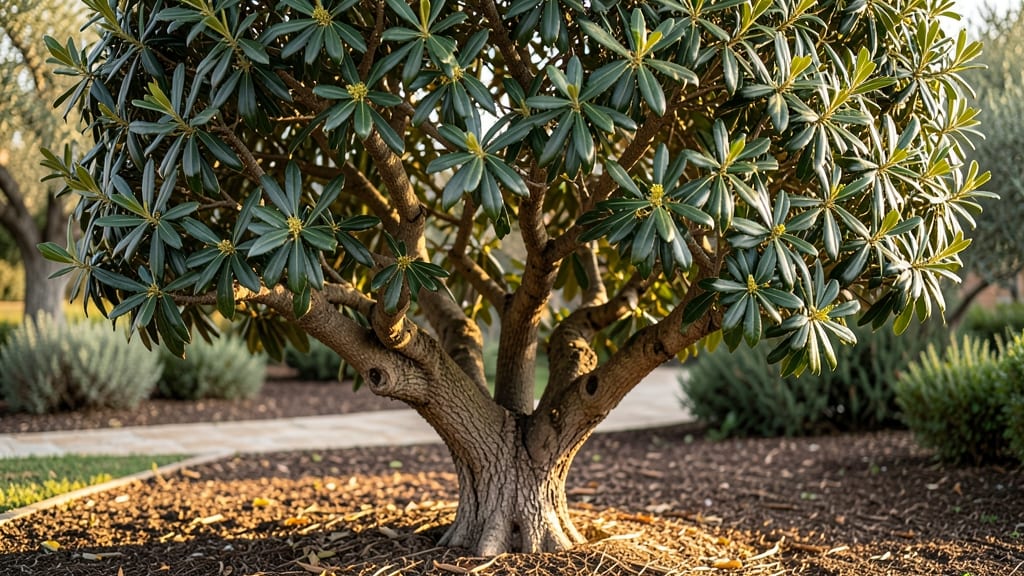
A bay leaf tree grows to heights of 6 to 15 feet and spreads 10 to 20 feet wide when planted in open ground, but its size depends entirely on where you live and how you prune it.
If you're dreaming of adding a fragrant bay leaf tree to your garden but wondering whether it’ll dwarf your space, you’re not alone. Many gardeners hesitate because unpruned trees can reach 20 feet or more in ideal conditions, but with the right care, you can keep it compact and manageable.
This evergreen beauty thrives in USDA Zone 6a and beyond, making it a versatile choice for backyard gardens, patios, or even large containers. The key to controlling its size lies in understanding its growth habits and when to prune—something I’ll cover in detail so you can plan your space wisely.
From dwarf varieties that stay under 6 feet to standard trees that tower over your house, I’ll break down everything you need to know to choose the right size for your garden and keep it healthy year-round.


Mature size of bay leaf trees: height, spread, and growth rate explained
When planning your garden layout, knowing the mature size of bay leaf trees (Laurus nobilis) helps you avoid overcrowding or underutilized space.
These evergreen trees typically reach 6 to 15 feet tall with a spread of 10 to 20 feet, but their growth rate and final dimensions depend heavily on your climate, soil, and pruning habits.
In ideal conditions, you can expect 12 to 24 inches of growth per year, though this slows as the tree matures.
If you're working with limited space, don’t worry—dwarf varieties like 'Angustifolia' stay under 6 feet tall while still producing flavorful leaves. These compact options are perfect for containers or small gardens, proving that size isn’t a barrier to enjoying bay leaves.
Understanding these growth patterns ensures you’ll choose the right variety for your yard or patio.
Your local climate zone plays a major role in how big your bay leaf tree grows. In warmer regions like USDA Zones 8–10, these trees thrive with minimal care, often reaching their maximum height and spread.
However, in cooler zones (like Zone 7), growth may slow, and the tree might stay smaller unless you provide protection during winter. I’ve seen bay trees in Zone 7 reach 10 feet tall with proper winter mulching and spring pruning.
Another key factor is soil quality. Bay leaf trees prefer well-draining, slightly acidic soil (pH 5.0–7.0). Poor soil or compacted clay can stunt growth, while rich, loamy soil encourages faster expansion.
If your garden has heavy clay, amending it with compost or sand will help the roots spread more efficiently, supporting a fuller, healthier tree.
Sunlight also influences size—bay trees need at least 6 hours of full sun daily to reach their potential. In partial shade, they’ll grow more slowly and may develop sparse foliage.
I once planted a bay tree under a large oak, and after 5 years, it was only half the size of one in full sun. Positioning matters! For best results, place your tree in a south-facing spot where it gets morning sun and afternoon shade if needed.
Pruning is your secret weapon for controlling size. Regular trimming in late winter or early spring keeps the tree compact and encourages bushier growth. I recommend cutting back one-third of the new growth each year to maintain shape and prevent legginess.
Avoid heavy pruning in fall, as it can stress the tree before winter dormancy.
For container growing, choose a dwarf variety like 'Saratoga' or 'Angustifolia', which thrive in 15–20 gallon pots. Even standard varieties can be kept in containers if you prune aggressively and repot every 2–3 years.
Just remember: container-grown trees need more frequent watering and may grow 20–30% slower than their in-ground counterparts.
If you’re planning a hedge or privacy screen, space bay trees 8–10 feet apart to allow for their mature spread. Over time, they’ll fill in beautifully, creating a fragrant, evergreen barrier. For single-specimen planting, leave 15 feet of clearance around the tree to avoid overcrowding nearby plants.
One common mistake is underestimating how much space a bay tree needs. I’ve seen gardeners plant them too close to patios or walkways, only to find the branches encroaching years later.
Always check the mature size of your chosen variety before planting—it’s the best way to ensure your bay tree grows happily without becoming a nuisance.
With the right variety, soil, sunlight, and pruning routine, your bay leaf tree will thrive at the perfect size for your space—whether that’s a towering centerpiece or a compact container plant. The key is patience and planning! 🌿
How to control bay leaf tree size: pruning tips for compact growth
Keeping your bay leaf tree (Laurus nobilis) at a manageable size requires strategic pruning—especially if you're working with limited space. Without proper care, these trees can reach 15–20 feet tall with an equal spread, quickly overwhelming smaller gardens.
The key is timing, technique, and consistency, which I’ll break down to help you maintain a compact, productive tree.
Pruning isn’t just about cutting branches—it’s about encouraging bushier growth while preserving the tree’s health. I’ve learned from experience that late winter or early spring (just before new growth starts) is the best time to prune.
This timing allows the tree to heal quickly and avoids stressing it during dormancy or active growth phases.
Step-by-Step Pruning Guide for Compact Bay Leaf Trees
- Step 1: Gather Tools
- Sharp bypass pruners for small branches
- Lopper or pruning saw for thicker stems
- Disinfectant (rubbing alcohol) to sterilize tools
- Garden gloves for protection
- Step 2: Remove Dead or Damaged Wood
- Cut back dead branches to the main trunk
- Trim crossing branches to improve airflow
- Look for yellowing leaves or mushroom growth (signs of disease)
- Step 3: Shape the Tree
- Use thinning cuts to open the canopy (remove entire branches at the base)
- For compact growth, trim 1/3 of new growth each year
- Avoid heading cuts (cutting back into old wood)—this encourages weak growth
- Step 4: Control Height
- To limit height, prune top branches just above a leaf node
- For dwarf varieties, keep pruning above 6 feet if desired
- Never remove more than 25% of foliage in one session
- Step 5: Clean Up and Monitor
- Rake up clippings to prevent disease
- Apply mulch around the base to retain moisture
- Water deeply after pruning to reduce stress
One common mistake I’ve seen (and made!) is pruning at the wrong time. Summer pruning can stimulate weak, late-season growth that won’t harden off before winter. Another pitfall is over-pruning, which stresses the tree and reduces leaf production—the very thing you’re growing it for!
Always leave enough foliage to photosynthesize and support the tree’s energy needs.
For container-grown bay trees, pruning is even more critical since root space is limited. I recommend annual pruning in early spring to keep the tree under 6 feet tall.
Use well-draining pots and fertilize lightly after pruning to encourage recovery. With regular care, your bay tree can thrive in a small space while still producing abundant leaves.
Remember, patience is key. Bay trees respond slowly to pruning, so consistent yearly maintenance will yield the best results. Start small, observe how your tree reacts, and adjust your approach as needed.
With the right techniques, you’ll have a well-shaped, compact bay tree that fits perfectly in your garden—without sacrificing productivity! 🌿✂️