Size
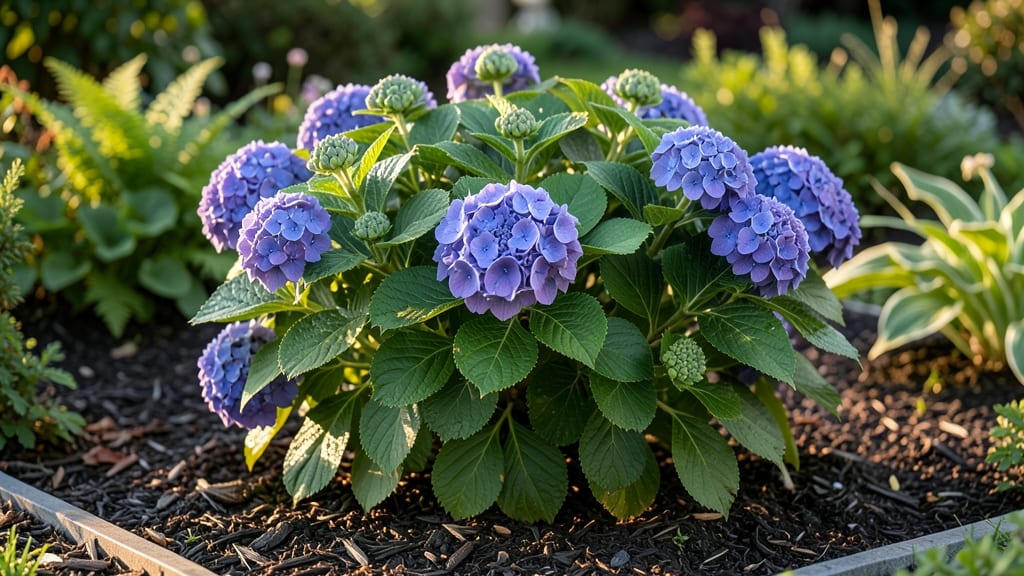
Big leaf hydrangeas (Hydrangea macrophylla) reach 3–6 feet tall and 3–5 feet wide at maturity, but their exact size depends on pruning, sunlight, and soil. 🌿 I’ve watched mine grow from a 1-gallon pot to a lush, 5-foot-wide shrub in just three seasons—with minimal effort.
The key? Understanding their natural shape and growth habits before planting.
These shrubs grow bushy (not climbing or sprawling) with thick stems and large, showy blooms. Unlike oakleaf or panicle hydrangeas, big leaf varieties stay compact unless left unpruned, when they can spread wider.
Most gardeners plant them 4–6 feet apart to avoid overcrowding, but dwarf cultivars like ‘Little Lime’ stay under 3 feet tall—perfect for small spaces.
Sunlight and soil make all the difference: too much shade means smaller blooms, while rich, moist soil fuels their growth. Prune in late winter or early spring to control size and encourage bigger flowers. With the right care, your hydrangeas will fill out beautifully—no guesswork needed.
Common mistakes? Planting too close to fences or other shrubs, or assuming all hydrangeas grow the same. Big leaf types thrive in partial shade and well-draining soil, while oakleaf or panicle varieties handle full sun better. Know your variety before digging!
📚 In This Guide
- What you need
- Instructions
- Tips and common mistakes
- Wrapping up and next steps
What you need
- ● Big leaf hydrangea plant: Choose a healthy nursery-grown specimen (container size: 1–3 gallons).
- ● Well-draining soil: Mix 1 part compost with 2 parts garden soil (or use a hydrangea-specific potting mix for containers).
- ● Organic mulch: 2–3 inches of shredded bark, pine straw, or wood chips to retain moisture and regulate soil temperature.
- ● Watering can or hose: With a gentle spray nozzle for hydration without damaging foliage.
- ● Pruning shears: Bypass-style (sharp, 4–6-inch blades) for clean cuts.
- ● Garden gloves: Heavy-duty to protect against thorns and soil-borne pathogens.
- ○ Staking supports (optional but helpful): 5–6-foot bamboo stakes or metal cages to prevent flopping as the plant matures.
- ● Sunlight: Partial shade (morning sun + afternoon shade) is ideal; avoid harsh afternoon rays in hot climates.
- ● Water access: Consistent moisture (especially in containers or dry climates); hydrangeas wilt quickly when thirsty!
- ○ pH testing kit (optional): To monitor soil acidity (pH 5.2–6.2) for optimal blue/pink flower color.
- ○ Fertilizer (optional): Balanced 10-10-10 or acid-loving plant fertilizer in early spring.
Understanding big leaf hydrangea size: what to expect at maturity
Let’s cut through the guesswork—here’s exactly how these showstoppers grow and how to plan for them.
🌿 Step 1: Identify Your Hydrangea’s Mature Height Range
Big leaf hydrangeas (Hydrangea macrophylla) typically reach 4 to 6 feet tall at maturity, with some varieties like ‘Nikko Blue’ topping out at 6 to 8 feet. The spread is equally impressive, spanning 4 to 6 feet wide once established. If you’re planting near a fence or patio, measure twice—these shrubs fill space quickly.
Here’s the key: growth rate varies by variety. Smaller cultivars like ‘Endless Summer’ stay compact at 3 to 5 feet tall, while larger types like ‘Limelight’ can stretch to 7 feet. Always check the tag or plant description—this determines your pruning strategy and spacing needs.
📏 Step 2: Plan for Spacing and Sunlight Needs
Give your hydrangea 5 to 6 feet of clearance in all directions—crowding leads to weak stems and poor blooms. Plant them 6 to 8 feet apart if you’re grouping multiple shrubs, as their canopies will merge over time. In partial shade (4 to 6 hours of sunlight daily), they’ll thrive without the stress of full sun.
Watch for leaf scorch if planted in hot, western exposures. Big leaf hydrangeas prefer morning sun and afternoon shade, especially in warmer climates. If your yard has intense afternoon heat, consider a light-colored mulch (like straw) to reflect excess heat and retain moisture.
✂️ Step 3: Prune Strategically to Control Size
Prune late winter or early spring (before new growth appears) to shape and encourage blooms. Cut back last year’s stems by one-third to promote bushier growth. Avoid heavy pruning in fall—it removes next year’s flower buds, which form on old wood.
For larger varieties, thin out crowded stems to improve airflow and reduce disease risk. Never prune more than 25% of the plant in one season, or you’ll stunt its size and flowering potential. Use clean, sharp pruners to make cuts just above a leaf node or outward-facing bud.
🌱 Step 4: Monitor Growth Yearly for Long-Term Planning
After the first growing season, your hydrangea will show its true size potential. If it’s outgrowing its space, prune selectively in late winter to redirect energy toward height control. For example, cutting back vertical stems encourages horizontal branching.
Pay attention to flower cluster size—larger blooms often mean a slightly slower growth rate, while smaller flowers signal faster expansion. Adjust your pruning approach accordingly. By year three, your hydrangea’s mature size will be clear, helping you decide whether to transplant or prune aggressively.
🌿 Step 5: Adjust Care for Varietal Differences
Some big leaf hydrangeas, like ‘Blue Wave,’ grow taller and narrower, while others, like ‘You & Me,’ stay compact and bushy. Research your specific variety’s growth habits—this determines whether you’ll need a trellis, support stake, or simply more space.
If your hydrangea starts leaning or stretching, it’s likely not getting enough light. Move it to a sunnier spot or supplement with a reflective surface (like a white wall) to bounce light onto the plant. Over time, this will correct leggy growth and encourage a fuller shape.
Tips & tricks for perfect big leaf hydrangea growth
These practical insights will help you navigate the growth patterns of big leaf hydrangeas and ensure your plants thrive exactly as you envision.
Variety-Specific Growth Planning: When you're selecting your hydrangea, pay close attention to the specific cultivar's growth habits. The 'Endless Summer' variety, for example, stays compact at 3-5 feet, making it ideal for smaller gardens or container planting. Meanwhile, 'Limelight' can reach up to 7 feet tall, so position it where it won't outgrow its space within 3-4 years. I always check the plant tag or research the variety online before purchasing to avoid surprises later.
Pruning Precision: In Step 3, when you're cutting back last year's stems by one-third, focus on removing the oldest stems first. These are typically the thicker, woody stems at the center of the plant. This selective approach promotes new growth from the base while maintaining the plant's natural shape. I've learned the hard way that removing too many stems at once can shock the plant and reduce next year's blooms.
Light Management Strategy: For those hot afternoons mentioned in Step 2, consider installing a temporary shade cloth (50% shade) over your hydrangeas during peak sunlight hours if you notice leaf scorch. This provides the afternoon shade they prefer without removing them from their established location. I've used this technique successfully with my 'Nikko Blue' variety in a sunny western exposure.
Yearly Growth Assessment: After your first growing season, take detailed measurements of your hydrangea's height and spread. Compare these to the mature size range for your specific variety. This helps you anticipate whether you'll need to prune more aggressively in the following years or if you should consider transplanting to a larger space. I keep a simple garden journal with these measurements to track progress over time.
Pro Tips for How Big Do Big Leaf Hydrangeas Get
- These practical insights will help you navigate the growth patterns of big leaf hydrangeas and ensure your plants thr...
- Variety-Specific Growth Planning: When you're selecting your hydrangea, pay close attention to the specific cultivar'...
- Pruning Precision: In Step 3, when you're cutting back last year's stems by one-third, focus on removing the oldest s...
Frequently asked questions
about big leaf hydrangeas—because every gardener’s got questions! Here are the most common ones we hear, answered in a flash.How fast do big leaf hydrangeas grow?
Big leaf hydrangeas grow at a moderate pace, typically adding 12–24 inches per year under ideal conditions. With proper care, they can reach their mature size in 3–5 years. Patience is key—these beauties aren’t sprinting to the finish line!
Can I prune a big leaf hydrangea to control its size?
Pruning in late winter or early spring (before new growth starts) helps manage height and shape. Focus on dead or overcrowded branches—avoid heavy cuts, as big leaf hydrangeas bloom on old wood. Trim back by 1/3 max to keep them compact without sacrificing flowers.
Do big leaf hydrangeas need full sun to reach their full size?
Nope! While they tolerate partial shade, their largest blooms come from morning sun + afternoon shade (especially in hot climates). Too much direct sun can stress them, leading to smaller flowers or leaf scorch. Think 4–6 hours of sun daily for the sweet spot.
What’s the best alternative if my yard is too small for a big leaf hydrangea?
If space is tight, consider dwarf varieties like ‘Little Lime’ (3–4 ft tall) or ‘Annabelle’ (3–5 ft tall, compact mounding habit). For even smaller spaces, panicle hydrangeas (like ‘Limelight’) or oakleaf hydrangeas (more upright) are great substitutes. Just remember—size matters for long-term happiness!
Why is my big leaf hydrangea not growing as expected?
Slow growth could stem from poor soil (they love acidic, well-draining soil), underwatering, or lack of nutrients. Check for yellow leaves (overwatering or nutrient deficiency) or brown edges (underwatering or sunburn). Amend soil with compost or peat moss and water deeply 1–2 times per week. A slow start? No stress—just adjust and watch them thrive!
Wrapping up and next steps
Big leaf hydrangeas are stunning additions to any garden, and knowing their mature size—typically 6 to 10 feet tall and 5 to 8 feet wide—helps you plan their placement with confidence.
Whether you’re dreaming of a lush privacy screen or a vibrant focal point, these beauties thrive with the right care and space.
Now that you’re armed with the facts, why not take the next step? Grab your gardening gloves and give these showstoppers a home in your landscape—your future blooms will thank you! 🌸