
Leaf Blower
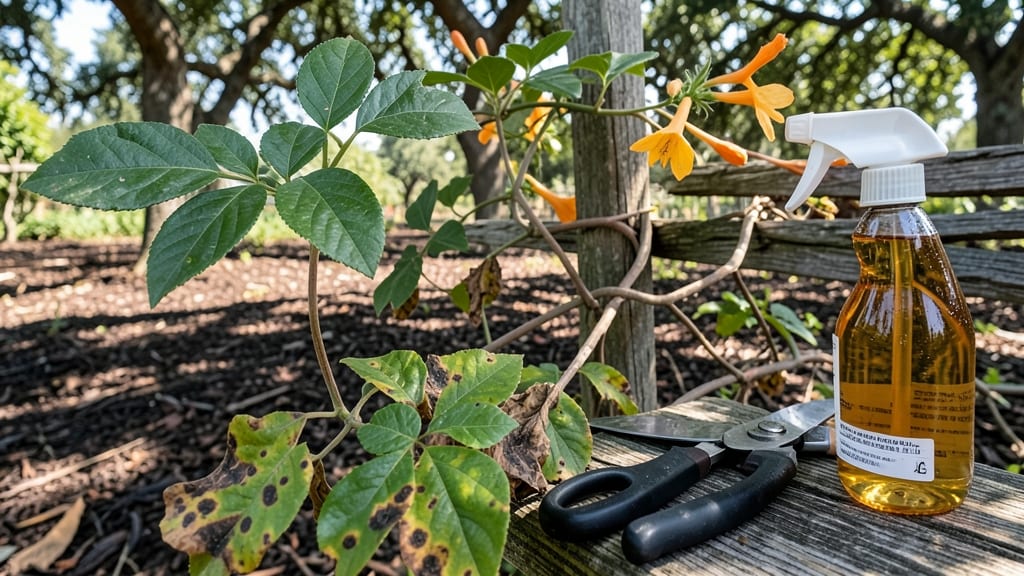
Your honeysuckle leaves are turning crispy at the edges—this is leaf blight, and copper fungicide is the game-changer you need. 🌿 I’ve battled this fungal nightmare for years, and the right treatment can bring your plants back from the brink.
The key? Acting fast before the disease spreads to new growth.
Leaf blight thrives in damp, humid conditions, turning vibrant green foliage into brittle, brown-edged messes. The fungus spreads through splashing water or infected tools, so proper spacing and clean pruners are your first line of defense.
Copper fungicide works because it disrupts the fungal cell walls without harming your plants—just apply it when leaves are dry for best results.
Within 2-3 weeks of treatment, you’ll see new growth pushing out with crisp, healthy edges again. The secret is consistency: spray every 7-10 days during rainy seasons or after heavy watering. Prune affected leaves immediately to stop the spread, and your honeysuckle will bounce back stronger than ever.
Works for all honeysuckle varieties, from climbing vines to shrubs. The same method saves your plants year after year—no more watching your favorite vines turn into crispy skeletons. Let’s get those leaves lush again!
Root Causes Of Leaf Damage
Understanding why honeysuckle leaves develop blight—and those telltale crispy edges—starts with peeling back the layers of fungal and environmental factors at play. Here’s a breakdown of the key culprits turning your once-lush vines into a sad, spotted mess.
The primary driver behind leaf blight in honeysuckle is the fungus Alternaria or Septoria, which thrives in warm, humid conditions.
These pathogens: - Sporulate aggressively when nighttime dew lingers, creating the perfect breeding ground for fungal spores. - Infect through stomata (tiny leaf pores) or wounds, spreading rapidly in dense foliage where airflow is poor. - Produce toxins that disrupt cell function, causing necrotic (dead) tissue along leaf margins—a classic sign of blight.
Pro Tip: 💡 Early morning watering (before 10 AM) reduces humidity spikes, starving fungi of their favorite conditions.
Blight loves drama—and nothing fuels it like erratic weather. Key triggers include: - Sudden temperature swings (e.g., hot days followed by cool, damp nights). Fungi like Alternaria flourish in this Goldilocks zone (60–80°F). - Prolonged leaf wetness (>12 hours).
Overhead irrigation or heavy dew without sunlight encourages spore germination. - High humidity (>75%). Stagnant air traps moisture, turning leaves into fungal buffets.
Actionable Fix: 🌡️ Install a hygrometer near your honeysuckle to track humidity. Aim for <65% during peak growth seasons.
Honeysuckle vines left to sprawl unchecked create a fungal paradise by:
- Trapping moisture in dense canopies, where leaves stay damp longer.
- Reducing sunlight penetration, weakening leaf cuticles and making them vulnerable to infection.
- Encouraging secondary infections (like powdery mildew) that stress plants further.
Design Hack: ✨ Prune strategically—thin out branches to improve airflow, especially in shaded or enclosed areas.
A honeysuckle under stress is like an open invitation for fungi. Common stressors include: - Nutrient deficiencies (e.g., low nitrogen or potassium). Weak leaves can’t fend off pathogens. - Overwatering or compacted soil.
Poor drainage leads to root rot, which signals the plant to "give up" and drop leaves. - Physical damage (e.g., from hail, pests, or rough pruning). Open wounds are fungal gateways.
Quick Test: 🔍 Check soil pH—honeysuckle prefers 6.0–7.0. Adjust with lime (to raise) or sulfur (to lower) if needed.
Even the best-intentioned gardener can accidentally fuel blight: - Overhead watering (especially in the evening). This splashes spores onto leaves like a fungal snowball fight. - Ignoring fallen leaves/debris.
Old leaves harbor spores that reinfect next season. - Using contaminated tools or mulch. Pruners or compost can carry fungal hitchhikers.
Cleanup Rule: 🧼 Sterilize tools with 70% alcohol between cuts, and remove all debris by fall to break the fungal cycle.
Blight doesn’t strike in a vacuum—it’s a self-perpetuating loop:
- Infection (via spores from soil, air, or infected plants).
- Germination (triggered by moisture and warmth).
- Symptom appearance (crispy edges, spots, or yellowing).
- Sporulation (new spores form, ready to repeat the cycle).
Break the Chain: ⏰ Monitor leaves weekly during peak season (spring–fall). Catching blight early means less damage and fewer fungicides needed.
Revive Your Honeysuckle’s Health
Fungal infections like leaf blight can turn your once-vibrant honeysuckle into a crispy-edged mess, but don’t let it overwhelm you! With the right approach, you can nurse your plant back to life—and keep future outbreaks at bay.
Below, we break down targeted fixes based on the root cause, plus preventive strategies to protect your honeysuckle’s lush green canopy.
If your honeysuckle’s leaves are developing dark, water-soaked spots or yellowing edges, fungal spores are likely the culprit. Copper-based fungicides are a go-to solution because they disrupt the fungus’s cell structure without harming the plant.
How to Apply:
- 🍳 Choose the Right Product: Opt for a copper fungicide (like copper sulfate pentahydrate or copper hydroxide). Look for organic options if you prefer chemical-free gardening.
- 👨🍳 Mix According to Directions: Follow the label instructions for dilution—typically 1-2 tablespoons per gallon of water.
- 🥘 Spray Thoroughly: Focus on undersides of leaves (where spores hide) and stems. Use a fine mist for even coverage.
- ⏰ Repeat Every 7-14 Days: Fungicides work best with preventive applications, especially after rain or high humidity.
Pro Tip: 💡 For severe cases, alternate copper treatments with a baking soda spray (1 tsp baking soda + 1 quart water + a drop of dish soap) for extra fungal suppression.
Fungal spores thrive in damp, stagnant air, so poor circulation is a major contributor to leaf blight. If your honeysuckle is crowded or overwatered, it’s time to open up the space.
Quick Fixes:
- ✂️ Prune Overgrown Branches: Trim back dense foliage to allow sunlight and air to reach the center.
- 🌿 Space Plants Properly: Ensure 3-4 feet of clearance between honeysuckle vines and other plants.
- 💨 Use a Fan (Temporarily): If humidity is extreme, place a small fan nearby for a few hours daily to dry leaves faster.
Prevention Tip: 🌡️ Avoid watering in the evening—wet leaves overnight create the perfect fungal buffet!
A weakened honeysuckle is more susceptible to infections. Strengthen its defenses with nutrient-rich soil and balanced watering.
Essential Steps:
- 🌱 Feed with Compost or Fertilizer: Use a balanced, slow-release fertilizer (10-10-10) in early spring to encourage healthy leaf growth.
- 💧 Water at the Base: Avoid overhead watering—soak the soil directly to keep foliage dry.
- 🌿 Mulch Strategically: Apply 2-3 inches of organic mulch (like wood chips) to retain moisture while preventing soil splashes onto leaves.
Pro Tip: ✨ If your honeysuckle is stressed from drought or pests, address those first—fungicides alone won’t fix an underlying issue!
Don’t ignore the damage—infected leaves spread spores to healthy parts of the plant. Prune aggressively to contain the problem.
How to Do It:
- 🔪 Sterilize Your Tools: Wipe pruners with rubbing alcohol before cutting to avoid cross-contamination.
- 🌿 Snip Off Affected Areas: Remove entire infected leaves (including stems) and drop them in a sealed bag (not the compost).
- 🚫 Avoid Raking Leaves: If leaves fall, collect and dispose of them—don’t leave them near the plant.
Prevention Tip: 🎯 After pruning, disinfect the area with a 1% bleach solution (1 part bleach to 9 parts water) to kill lingering spores.
Final Thought: With copper treatments, better airflow, and smart pruning, your honeysuckle can bounce back stronger—and stay blight-free for seasons to come! 🌿💚
Frequently asked questions
What do honeysuckle leaf blight symptoms look like at early stages?
Early signs include small, yellowish-brown spots along leaf edges that gradually turn crispy and brittle. These spots may appear water-soaked at first, then develop dark brown or black margins. Check both leaf surfaces—undersides often show signs before topsides.
Can I use household items like vinegar to treat honeysuckle leaf blight?
While neem oil or baking soda sprays (1 tsp baking soda + 1 quart water) can help as mild fungicides, plain vinegar is too harsh and will damage your plant. Use only copper-based fungicides or organic alternatives specifically formulated for fungal diseases.
How often should I apply copper fungicide for prevention?
Apply every 7-14 days during high-risk seasons (spring to fall) or after heavy rains. For active infections, use it weekly until new growth appears. Always spray in early morning so leaves dry quickly—this prevents fungal spores from settling.
Will pruning infected leaves stop the blight from spreading?
Yes, but only if done correctly! Remove entire infected leaves (including stems) and sterilize tools between cuts. Never compost infected plant debris—seal it in a bag and discard. Prune in dry weather to avoid spreading spores through splashing water.
Can honeysuckle recover from severe leaf blight damage?
With proper care, honeysuckle is resilient. Focus on copper treatments, improved airflow, and nutrient-rich soil. New growth will emerge from healthy stems, and the plant can fully recover within 2-3 months if you catch it early.