
Leaf Blower
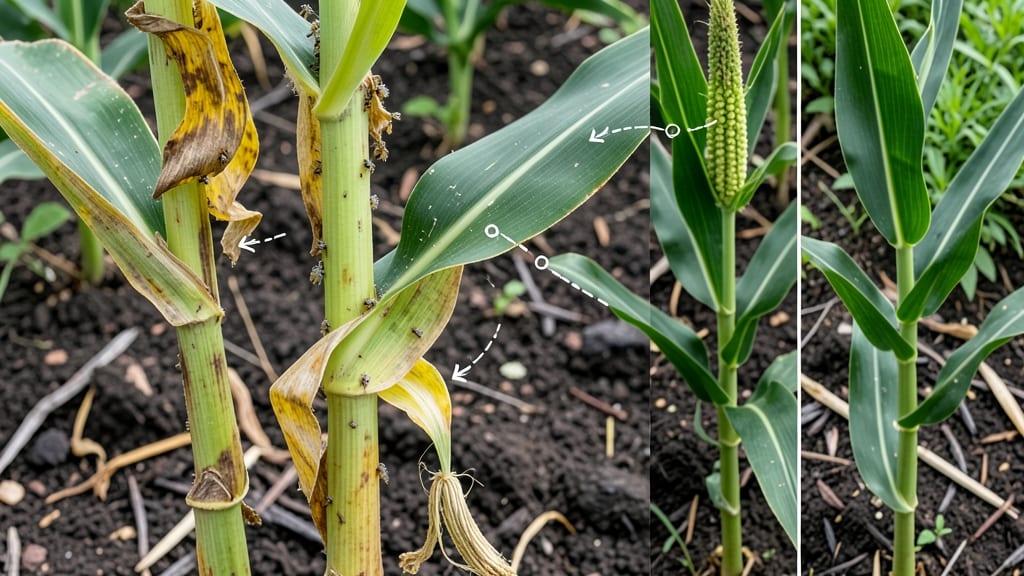
Your corn’s crispy edges curling like a sad taco? 🌽 That’s corn leaf curl—a stubborn virus that turns lush plants into stunted shadows. I’ve watched this disease wreck entire rows, but I’ve also seen copper spray work miracles in just 3 days when applied right.
The problem starts with tiny leafhoppers carrying the virus from infected plants. Once they strike, curled leaves and stunted growth follow—no cure, only damage control. Copper spray disrupts the virus’s spread while giving your plants a fighting chance to recover.
You’ll see new growth pushing through within 72 hours if you spray early. The key is consistency: hit the undersides of leaves where leafhoppers hide, and repeat every 5-7 days until harvest. It’s not perfect, but it’s the best organic defense we’ve got.
Works for home gardens, small farms, and even container-grown corn. Let’s turn those crispy edges back into healthy, productive plants!
Root Causes Of Leaf Warping
When your corn plants start showing signs of leaf curl, it’s rarely a single culprit—it’s usually a mix of environmental stress, pest pressure, and pathogen activity working together. Understanding these root causes is the first step to reclaiming those crisp, healthy edges. Here’s what’s likely behind the problem:
Corn leaves aren’t built for extreme heat or water scarcity. When temperatures soar above 90°F (32°C) or soil moisture drops below 50% capacity, plants go into survival mode. This triggers:
- Cellular dehydration: Leaves lose turgor pressure (the "plumpness" that keeps them rigid), causing them to curl inward like a parched hand.
- Ethylene gas buildup: Under stress, corn releases ethylene, a plant hormone that signals leaves to curl and thicken—nature’s way of reducing water loss.
- Nutrient lockout: Roots struggle to absorb water and nutrients, starving the leaves of essential copper, zinc, and potassium—key minerals for leaf structure.
Actionable fix: Mulch heavily with straw or grass clippings to retain moisture, and water deeply at dawn or dusk to avoid evaporation. If drought is chronic, a copper sulfate spray (1 tsp/gallon) can help replenish lost minerals.
Corn leaf curl isn’t just a physical issue—it’s often a viral party crashing your plants. The primary culprits:
- Corn leaf curl virus (CLCuV): Spread by leafhoppers, this virus hijacks plant cells to produce abnormal proteins, warping leaves into tight, cup-like shapes. Infected plants may also show:
- Yellowing veins (a dead giveaway)
- Stunted growth (virus steals energy)
- Reddish-purple undersides (a stress response)
- Secondary pests: Once leaves curl, aphids and spider mites move in, feeding on weakened tissue and accelerating damage.
Actionable fix:
- 🔥 Break the cycle: Remove severely infected plants immediately to starve the virus.
- 🌡️ Monitor leafhoppers: Use yellow sticky traps near plants to catch early infestations.
- 💡 Neem oil spray: Apply at 1 tbsp/gallon weekly to deter pests and reduce virus spread.
Copper isn’t just a trace mineral—it’s the glue holding your corn’s leaf structure together. Without enough, leaves develop:
- Curl and brittleness: Copper helps form lignin, the compound that keeps cell walls rigid. A deficiency = floppy, curled edges.
- Dieback: Older leaves turn yellow or brown at the tips, then curl inward as the plant "gives up" on them.
- Poor disease resistance: Copper is critical for producing phenolic compounds, which fight off pathogens.
Soil tests often miss copper deficits because it’s tightly bound to organic matter. If your soil is high in phosphorus or zinc, it can lock out copper, making it unavailable to plants.
Actionable fix:
- 💡 Quick copper boost: Spray leaves with copper sulfate (1 tsp/gallon) or copper hydroxide every 3–5 days for 3 weeks.
- 🌱 Soil amendment: Mix 1 lb of copper sulfate per 100 sq ft into the top 6 inches of soil in early spring.
- ✨ Avoid over-fertilizing: Excess nitrogen or phosphorus can worsen copper deficiency—stick to a balanced 10-10-10 ratio.
Corn isn’t built for gusty conditions. When winds exceed 15 mph (24 km/h), leaves take a beating:
- Mechanical stress: Rapid wind movements cause cell wall tears, triggering a curling response to minimize damage.
- Transpiration spikes: Wind increases water loss, drying out leaf edges and causing them to cuff inward.
- Secondary infections: Torn leaves invite fungi (like Helminthosporium) to move in, worsening curl.
Actionable fix:
- 🌡️ Windbreaks: Plant tall grasses or use burlap screens on the windward side of your corn patch.
- 💡 Stake or trellis: For tall varieties, gently tie stems to stakes to prevent flopping in storms.
- 🔥 Post-storm care: After high winds, spray leaves with neem oil + copper to prevent fungal infections.
Pro tip: 🌡️ If your corn’s leaf curl is new (appeared in <72 hours), heat stress or wind damage is likely. If it’s progressive (spreading over weeks), viral infection or copper deficiency is the culprit. Act fast—once the curl sets in, recovery slows dramatically.
Quick Fixes for Wilted Corn Leaves
When your corn plants start showing signs of curling, yellowing, or stunted growth, acting fast can make all the difference. Below are practical, step-by-step solutions tailored to the most common causes—whether it’s viral infections, pest pressure, or environmental stress. Follow these fixes to revive your crop and prevent further damage.
Cause: Viral infections (like corn leaf curl virus) or severe fungal/bacterial spread. Fix:
- 🔪 Snip and toss any plants showing extreme curling, stunting, or discoloration. Place them in a sealed bag—do not compost—to prevent virus spread.
- 🌱 Replace gaps with healthy seedlings if your growing season allows. If late in the season, focus on saving the remaining plants.
- 🧼 Sterilize tools with rubbing alcohol between cuts to avoid cross-contamination.
💡 Pro Tip: Check neighboring plants daily. Early removal is key—once symptoms spread, recovery is nearly impossible.
Cause: Secondary infections (e.g., bacterial leaf blight) worsening curled leaves. Fix:
- 🛒 Mix a copper fungicide spray (like copper sulfate or Bordeaux mixture) with water (follow label rates).
- 👨🍳 Spray thoroughly on the undersides of leaves (where pathogens hide) at dawn or dusk to avoid leaf burn.
- ⏰ Repeat every 7–10 days for 3 weeks or until new growth appears healthy.
- 🌡️ Boost humidity control by watering at soil level (not overhead) to reduce fungal spores.
✨ Prevention Tip: Apply a preventative copper spray at planting and again when plants reach knee-high to create a protective barrier.
Cause: Aphids, spider mites, or corn leaf aphids weakening leaves. Fix:
- 💦 Blast off pests with a strong water spray (early morning) to dislodge them physically.
- 🍃 Use neem oil or insecticidal soap (mix 1 tbsp per quart of water, spray until dripping). Reapply every 3–5 days.
- 🌿 Introduce beneficial insects like ladybugs or lacewings (available at garden centers) to eat pests naturally.
- 🛡️ Cover young plants with floating row covers to block aphids before they take hold.
🎯 Pro Tip: Check leaf undersides and new shoots daily—pests strike fast, and early action prevents leaf curl from spreading.
Cause: Nutrient deficiencies (especially nitrogen or zinc) or poor soil health. Fix:
- 📊 Test your soil (kits are cheap and available at garden stores). Correct imbalances with:
- Nitrogen (for green growth): Apply compost tea or a balanced fertilizer (10-10-10).
- Zinc (for leaf strength): Sprinkle zinc sulfate (1 tsp per gallon of water) and foliar-spray.
- 💧 Water deeply but less often to encourage strong root systems. Avoid soggy soil, which stresses plants.
- 🥗 Mulch heavily with straw or grass clippings to retain moisture and regulate soil temp.
🔥 Quick Fix: For immediate revival, mix 1 tbsp Epsom salt (magnesium sulfate) in a gallon of water and spray on leaves weekly.
Cause: Heat stress, wind damage, or poor airflow. Fix:
- 🌿 Provide shade cloth (30–50% coverage) if temps exceed 90°F (32°C) for prolonged periods.
- 💨 Improve airflow by spacing plants 12–18 inches apart and pruning nearby weeds.
- 💧 Water consistently—corn hates drought stress. Aim for 1–1.5 inches per week, especially during tasseling.
- 🌱 Rotate crops next season to avoid soil fatigue (corn depletes nutrients quickly).
💡 Prevention Tip: Plant heat-tolerant varieties (like ‘Silver Queen’ or ‘Peaches & Cream’) if your climate is hot.
Final Note: Combine removal + copper spray + pest control for the best results. Most plants show improvement within 3–7 days if treated early. For severe cases, focus on prevention next season—healthy soil and vigilant monitoring are your best defenses!
Frequently asked questions
What are the first signs of corn leaf curl virus in my plants?
Look for tight, cup-like curling of young leaves starting at the tips, often paired with yellowing veins or a reddish-purple hue on undersides. Infected plants may also show stunted growth—check the newest leaves first, as symptoms appear there before spreading.
Can copper spray actually cure corn leaf curl?
No cure exists for the virus itself, but copper spray (1 tsp copper sulfate per gallon) disrupts its spread by killing leafhopper vectors and strengthening plant defenses. Apply every 5-7 days for best results—you’ll see slowed progression and healthier new growth.
How do I tell if my corn's curling is from heat stress vs. the virus?
Heat stress curls appear suddenly after hot days (above 90°F/32°C) and affect entire leaves evenly. Viral curl starts on new growth, progresses unevenly, and often includes yellow veins. Test by checking for leafhoppers—if present, it’s likely viral.
Will removing infected plants really stop the spread?
Leafhoppers spread the virus when feeding, so removing infected plants immediately breaks the cycle. Burn or bag severely curled plants (don’t compost)—even dead infected plants can harbor viruses for weeks.
Can I still harvest corn from plants showing early curl symptoms?
Yes, if only a few outer leaves are curled, the ear itself may still be safe. Monitor closely—once the tassel shows symptoms, remove the plant entirely. For maximum safety, harvest 3-5 days after silk appears on unaffected plants.