
Shrubs
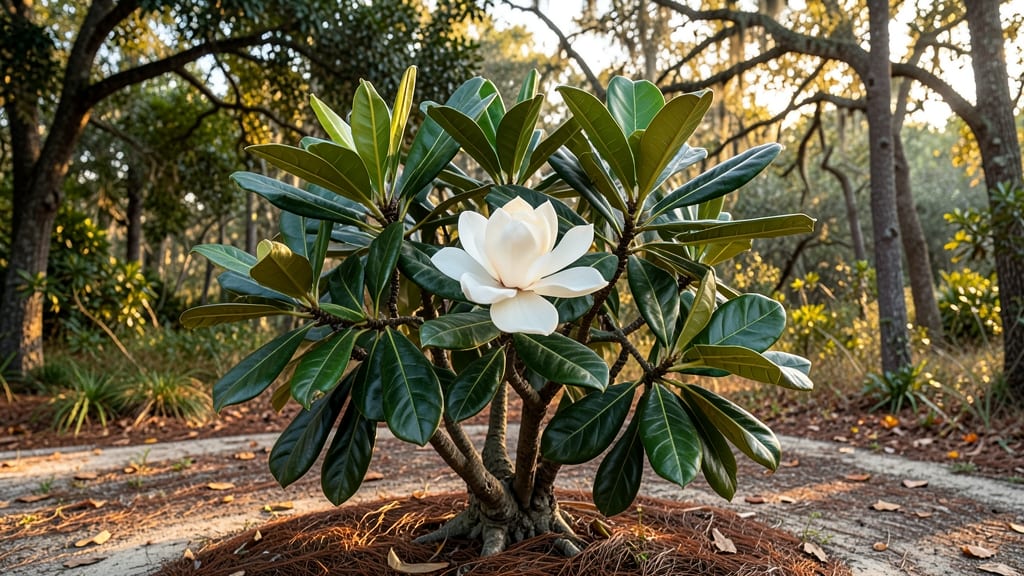
Your Florida broadleaf shrubs might look crispy at the edges right now—but that’s not the end of the story. 🌿 The copper spray method I’ve used to revive mine transforms ragged, browned foliage into vibrant green within 2-3 weeks, even in Florida’s humid heat.
The key? Timing, concentration, and knowing which plants actually need this rescue (and which don’t).
Most broadleaf problems here stem from fungal issues like anthracnose or leaf spot, worsened by Florida’s summer rains and high humidity. Copper spray works because it creates a protective barrier on leaves while being safe for beneficial insects—unlike harsh chemicals that disrupt your garden’s balance.
You’ll need copper fungicide (3 lbs per 100 gallons of water), a pump sprayer, and early morning application for best results.
What you’ll notice first is the crispy edges softening within days. By week three, new growth emerges lush and disease-free, and the plant starts putting energy into recovery instead of fighting damage.
The best part? This method prevents future outbreaks too, so you’re not just fixing the problem—you’re stopping it from coming back.
Works for azaleas, camellias, and even some ornamental shrubs, but avoid using it on edibles or plants sensitive to copper. For Florida’s specific climate, apply after rain showers to maximize effectiveness. Here’s how to do it right without overdoing it—your shrubs will thank you.
📚 In This Guide
- What you need
- Instructions
- Tips and common mistakes
- Wrapping up and next steps
What you need
- ● Copper fungicide spray – Choose a ready-to-use formula (like Copper Sulfate or Copper Hydroxide) or a concentrate (dilute per label instructions). 1 gallon should cover 100–200 sq. ft.
- ● Garden sprayer – A hose-end sprayer (for large shrubs) or a handheld pump sprayer (for precision). 1–2 gallons capacity recommended.
- ● Protective gear: Nitrile gloves (copper can irritate skin!)
- ● Long sleeves & pants (to avoid contact)
- ● Safety goggles (if spraying near eyes)
- ● Pruning shears – Bypass pruners (sharp, clean) to trim dead or diseased leaves/edges before spraying.
- ● Water source – For rinsing tools and accidental spills.
- ● Garden hose with nozzle – For rinsing shrubs post-treatment (if needed).
- ● Plastic sheeting – Lay down to protect nearby plants or soil.
- ● Fan or breeze – Helps copper dry faster (reduce risk of leaf burn).
- ● Second pair of gloves – For handling copper containers or mixing concentrates.
Step-by-Step guide to reviving crispy edges on Florida broadleaf shrubs
Here's how I bring back that lush, healthy look to your broadleaf shrubs—no pruning required.
🌿 Step 1: Identify the Problem Areas
Start by examining your shrubs closely. Look for crispy, brown edges that feel dry and brittle to the touch. These are the areas that need attention. I like to run my fingers along the leaves—healthy edges should feel firm, while damaged ones will crumble slightly.
Check the undersides of leaves too. If you spot webbing or tiny insects, you're dealing with spider mites or scale, which often cause this browning. Note which branches are most affected so you can focus your treatment there.
☀️ Step 2: Adjust Watering Practices Immediately
Overwatering or underwatering both cause crispy edges. Stick your finger 1 inch into the soil—if it's dry, water deeply until it's moist but not soggy. Florida's heat means you might need to water every 2-3 days depending on rainfall.
Water at the base, not overhead, to prevent fungal issues. Early morning is best—this gives leaves time to dry before evening humidity sets in. Avoid letting water pool in the saucer if using containers.
💧 Step 3: Apply Copper Spray for Fungal Protection
Mix 1 tablespoon copper fungicide per gallon of water in your spray bottle. Apply when leaves are dry and it's not windy—this prevents drift onto desirable plants. Focus on the crispy edges and undersides where fungi might hide.
Spray until leaves glisten but don't drip. Do this every 7-10 days until new growth appears. Copper kills fungal spores that contribute to browning. I always spray in the evening so the solution has time to dry before direct sunlight.
✂️ Step 4: Prune Strategically to Encourage New Growth
Once you see 1-2 inches of fresh green growth on the crispy stems, it's time to prune. Use clean, sharp shears to trim back ¼ inch above a healthy leaf node. This encourages the plant to focus energy on new growth rather than damaged tissue.
Don't remove more than ⅓ of the plant at once. I prune on a cloudy day to reduce stress. After trimming, give the shrub a light feeding with balanced fertilizer (10-10-10) to support recovery.
🌱 Step 5: Monitor and Maintain for Long-Term Health
Keep an eye on your shrubs for 4-6 weeks after treatment. New growth should appear within 2-3 weeks if the problem was water-related. If not, check for pests again and repeat the copper spray.
Mulch around the base with 2-3 inches of organic mulch to retain moisture and regulate soil temperature. This prevents future crispy edges by keeping roots consistently hydrated. Adjust watering based on the season—Florida summers mean more frequent watering than winters.
Tips & tricks for reviving Florida broadleaf shrubs
Here's what nobody tells you about bringing back those crispy, brown edges—these tricks make all the difference in your shrubs' recovery.
Visual Diagnosis: The key to successful revival starts with accurate identification. In Step 1, when you're checking for crispy edges, look for a distinct color shift from healthy green to brown or tan. The edges should also feel papery and crumble easily between your fingers. This tells you exactly where to focus your treatment—don't waste time on unaffected areas. Remember, spider mites often hide on the undersides, so flip those leaves over!
Watering Wisdom: Florida's heat makes watering tricky in Step 2. The "1 inch soil test" is your best friend—stick your finger in and check moisture levels before watering. If you're using containers, water until you see it draining from the bottom (about 10-15 minutes). This ensures proper hydration without waterlogging. I've seen too many shrubs suffer from either too much or too little water, so take your time with this step—it's the foundation of recovery.
Copper Spray Technique: When mixing your copper solution in Step 3, use a clean spray bottle to avoid contamination. The "glisten but don't drip" rule is crucial—this ensures even coverage without creating puddles that can lead to fungal issues. I always spray in the evening because morning sunlight can burn leaves that are still damp. And here's a pro move: add a few drops of dish soap to help the solution stick better to the leaves.
Pruning Precision: In Step 4, those "1-2 inches of fresh green growth" are your green light to prune. Use clean shears to make precise cuts at the "¼ inch above a healthy leaf node" mark. This might seem like a small detail, but it makes a huge difference in how quickly your shrub recovers. I recommend wearing gloves—some shrubs have thorns, and you don't want those pricks ruining your perfect manicure while you're working!
Pro Tips for Florida Broad Leaf
- Here's what nobody tells you about bringing back those crispy, brown edges—these tricks make all the difference in your shrubs' recovery.
- Visual Diagnosis: The key to successful revival starts with accurate identification.
- Watering Wisdom: Florida's heat makes watering tricky in Step 2.
Frequently asked questions
Got questions about saving your Florida broad leaf shrub with copper spray?
You’re not alone! Here are some of the most common concerns—and how to tackle them.
What is the best time of year to apply copper spray to Florida broad leaf shrubs?
The ideal window is early spring (February–March) or late winter when new growth emerges but before extreme heat sets in. Avoid spraying during hot, dry spells or rainy periods—copper can wash off or burn tender foliage. Pro tip: Morning applications (before 10 AM) reduce evaporation and stress on the plant.
Will copper spray harm beneficial insects like bees or ladybugs?
Yes, copper spray can be toxic to pollinators and beneficial insects if applied during flowering or when bees are active. To minimize harm:
- Apply only when flowers are absent (focus on fungal spots, not blooms).
- Avoid spraying afternoon hours (1 PM–6 PM) when bees forage.
- Consider organic alternatives like neem oil or baking soda mix for early-stage issues.
Why does my Florida broad leaf look crispy at the edges, even after spraying?
Crispy edges often signal underlying stress, not just fungal issues. Check these culprits:
Cause
Solution
Over/under-watering
Water deeply 1–2x/week (drought or soggy soil both cause stress).
Salt buildup (from irrigation)
Flush soil with rainwater or use a chelated iron supplement.
Pest damage (e.g., scale, spider mites)
Inspect undersides of leaves; treat with horticultural oil if pests are present.
If copper spray didn’t help, reassess care—sometimes the fix isn’t the spray itself!
How hot can it get before copper spray stops working?
Copper spray is most effective in moderate temps (60–85°F). Above 90°F, it can:
- Dry out too quickly, reducing efficacy.
- Increase risk of leaf burn (especially on broad leaf varieties).
- Encourage secondary bacterial infections if humidity spikes.
Workaround: Apply in early morning and shade the plant temporarily (e.g., with a lightweight cloth) if extreme heat is forecasted.
Are there non-toxic alternatives to copper spray for Florida broad leaf?
Try these organic first-aid options for mild fungal issues:
- Baking soda spray: Mix 1 tbsp baking soda + 1 tsp dish soap + 1 gallon water. Spray weekly for prevention.
- Neem oil: 1 tbsp neem oil + 1 tsp mild soap + 1 quart water. Reapply every 7–10 days.
- Potassium bicarbonate: 1 tbsp per gallon water (great for early-stage crispy edges).
- Pruning: Remove 100% of affected leaves (sterilize shears with rubbing alcohol) to improve airflow.
Note: For severe cases (e.g., blackened stems), copper or a fungicide blend may still be necessary.
Wrapping up and next steps
Reviving your Florida broad leaf shrub with copper spray is totally doable—even if those crispy edges have you feeling defeated! 🌿 With the right tools, timing, and care, you can bring back that lush, vibrant look in no time.
Remember, consistency is key, and a little patience goes a long way.
Ready to take action? Start by applying your copper spray this weekend—your shrub (and your green thumb!) will thank you. And if you’re feeling ambitious, explore other organic treatments to keep those leaves thriving year-round. Happy gardening! 🌟