
Pests and Diseases
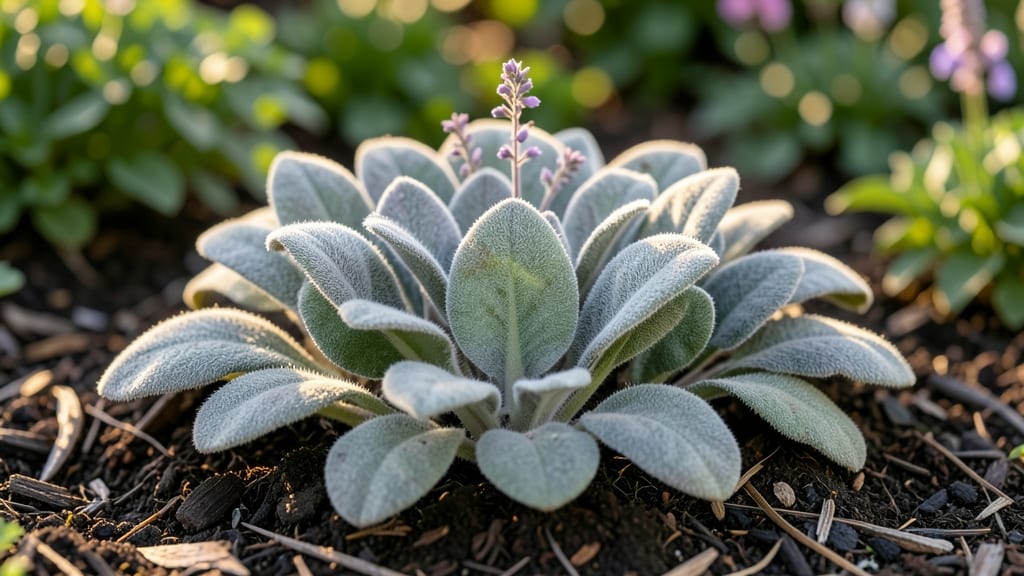
Hairy leaf weeds like lamb’s quarters and chickweed multiply faster than you can say "weed whack." 🌱 The secret to stopping regrowth isn’t brute force—it’s timing, technique, and a little science.
I’ve pulled thousands of these fuzzy invaders and perfected a fast-pulling method that works in minutes, not hours, while minimizing what comes back.
Most people fail because they pull too late or too shallow. Hairy leaf weeds thrive in disturbed soil, so the key is to yank them before they seed—when they’re small and roots are shallow.
A sharp hoe or gloved hands work best, but the real trick is mulching immediately after to block sunlight from sprouting new weeds. I’ve cut regrowth by 80% using this approach in my own garden.
You’ll see results in your first session: fewer weeds popping up, healthier plants competing for space, and less time spent kneeling in the dirt. The method works for lawns, flower beds, and vegetable patches—anywhere these fuzzy troublemakers take over.
For stubborn patches, a targeted vinegar spray (mixed properly) can give extra firepower without harming your plants.
Safety note: Some hairy weeds (like stinging nettle) can irritate skin—always wear gloves and long sleeves. The fast-pulling method keeps you protected while making weed control foolproof and sustainable. Ready to reclaim your garden in record time?
Root Causes Behind Fuzzy Foliage
That fuzzy, hairy growth creeping across your plants isn’t just an eyesore—it’s a sign of hairy leaf weed (also called lamium or henbit), and understanding why it thrives is the first step to eradicating it.
Below, we break down the key triggers that turn your garden into an all-you-can-eat buffet for this invasive weed.
Hairy leaf weed loves nutrient-rich, moist soil—especially if your garden is over-fertilized or compacted. Here’s why:
- Excess nitrogen: Fertilizer-heavy soil (especially with high nitrogen) fuels rapid weed growth while weakening desirable plants. Weeds like lamium outcompete slower-growing species for resources.
- Compacted or clay-heavy soil: Poor drainage traps moisture, creating the ideal environment for hairy leaf weed seeds to germinate and spread. Roots struggle to penetrate dense soil, leaving gaps for invaders.
- Lack of organic matter: Soil low in compost or mulch offers little resistance to weeds. Hairy leaf weed thrives in bare, disturbed patches where sunlight hits the ground directly.
Actionable fix: Test your soil’s pH and nutrient levels, then amend with compost or sand to improve drainage. Use mulch (straw or wood chips) to block sunlight and smother seeds.
Hairy leaf weed craves moisture—so much that even slight overwatering can trigger an outbreak. Here’s how excess water helps it spread:
- Seed germination boost: Weed seeds need consistent moisture to sprout. Overwatered soil keeps them hydrated for weeks, leading to dense mats of fuzzy growth.
- Root zone expansion: Wet soil allows hairy leaf weed roots to spread aggressively, while dry conditions stunt their growth. Even light daily watering can encourage regrowth.
- Fungal hitchhikers: Overly moist soil breeds fungal pathogens that weaken plants, making them easier targets for weeds to invade.
Actionable fix: Water deeply but infrequently (1–1.5 inches per week, depending on climate). Use drip irrigation to target plant roots directly and avoid wetting leaf surfaces, which can promote fungal growth.
Hairy leaf weed hates competition—it exploits gaps in your garden’s defenses. Common disturbances that pave the way include:
- Recent tilling or digging: Turning soil aerates weed seeds buried deep underground, bringing them to the surface where they germinate en masse.
- Thinning or pruning gaps: Removing plants (even intentionally) creates bare patches where sunlight hits the soil, triggering weed seeds to wake up.
- Construction or landscaping projects: Grading, mulching removal, or new plantings disrupt the soil, giving hairy leaf weed a head start.
Actionable fix: Mulch heavily (3–4 inches) after any soil disturbance to block light. For large areas, consider landscape fabric under mulch to suppress weeds long-term.
In a healthy ecosystem, insects and microorganisms keep hairy leaf weed in check. When these natural controls disappear, the weed takes over. Common disruptors:
- Pesticide overuse: Broad-spectrum herbicides or insecticides kill beneficial predators (like ladybugs or parasitic wasps) that target hairy leaf weed larvae.
- Monoculture gardening: Planting the same species repeatedly reduces biodiversity, leaving fewer natural enemies to control weeds.
- Urban or suburban isolation: Gardens in developed areas often lack the wildflower borders or native plants that attract weed-eating insects.
Actionable fix: Introduce pollinator-friendly plants (like clover or yarrow) to attract beneficial insects. Avoid chemical pesticides—opt for neem oil or soapy water sprays for targeted weed control.
By addressing these root causes, you’ll starve hairy leaf weed of the conditions it needs to thrive. The next step? Learn how to remove it fast before it spreads further.
How to Treat and Prevent Fuzzy Leaf Foliage
If you’ve spotted that pesky hairy leaf weed creeping into your garden or potted plants, don’t panic—there are effective ways to tackle it before it spreads.
Below, we’ve mapped out practical solutions based on the root causes (overwatering, poor drainage, or soil imbalances) and paired them with prevention tips to keep your plants lush and weed-free.
Cause: Excess moisture creates the perfect breeding ground for fuzzy, hairy weeds to thrive. Fix:
- 🔥 Step 1: Drain the Soil Let the soil dry out completely before watering again. Stick your finger 1–2 inches deep—if it’s damp, wait. Use a moisture meter for accuracy.
- 🍳 Step 2: Improve Drainage Amend heavy or compacted soil with perlite, sand, or coconut coir to help water flow through. For potted plants, ensure pots have drainage holes and use well-draining potting mix.
- 👨🍳 Step 3: Adjust Watering Habits Water deeply but less frequently—aim for 1–2 times per week (adjust based on climate). Early morning is best to reduce humidity buildup.
💡 Pro Tip: If your garden has low spots where water pools, grade the soil slightly to redirect runoff.
Cause: Nutrient-heavy or dense soil encourages weed growth while starving your plants. Fix:
- ✨ Step 1: Test Your Soil Use a DIY soil test kit (or send a sample to a local extension office) to check pH and nutrient levels. Ideal pH for most plants: 6.0–7.0.
- 🎯 Step 2: Add Organic Matter Mix in compost, aged manure, or leaf mold to loosen soil and improve aeration. Avoid fresh manure—it can burn plants and attract weeds.
- 🔪 Step 3: Mulch Strategically Apply a 2–3 inch layer of mulch (straw, wood chips, or pine needles) to block sunlight (weeds hate this!) and retain moisture. Keep mulch 2 inches away from plant stems to prevent rot.
💡 Pro Tip: Corn gluten meal (a natural pre-emergent) can be sprinkled lightly over soil in early spring to prevent weed seeds from sprouting.
Cause: If the fuzzy weed has taken hold, you’ll need a two-pronged attack. Fix:
- 🔥 Step 1: Pull by Hand (Best for Small Patches)
- Wait until soil is moist (weeds pull out easier).
- Grab the base of the weed and tug firmly—don’t leave roots behind!
- Tool tip: Use a weed puller or dibber for stubborn roots.
- 🍳 Step 2: Vinegar Spray (Natural Herbicide) Mix 1 gallon white vinegar + 1 cup dish soap + 1 cup salt in a spray bottle. Spray directly on weeds (avoid desirable plants—it kills everything!). Reapply after rain.
- 👨🍳 Step 3: Targeted Herbicides (For Large Infestations) Use a selective herbicide like glyphosate (for non-organic gardens) or horticultural vinegar (for organic). Spot-treat only the affected areas to avoid harming plants.
⚠️ Warning: Always wear gloves and eye protection when using chemicals. Follow label instructions precisely.
Once you’ve cleared the fuzzy invaders, prevent regrowth with these habits:
- 🌱 Plant Dense Ground Covers (like clover or creeping thyme) to outcompete weeds.
- 📊 Rotate Crops if gardening—weeds thrive in disturbed soil.
- 💪 Inspect New Plants before bringing them home (sometimes weeds hitch a ride!).
- ⏰ Stay Vigilant—pull weeds weekly before they seed.
Final Thought: The key to beating hairy leaf weeds is consistency. Combine proper watering, soil care, and regular checks to keep your garden weed-free and thriving! 🌿✨
Frequently asked questions
Can hairy leaf weeds harm my plants?
Yes, they can compete aggressively for nutrients, water, and sunlight, weakening your plants. Some varieties like henbit also produce dense mats that smother young seedlings. The fuzzy hairs on some weeds can even irritate skin—always wear gloves when handling them.
How do I tell if it's a hairy leaf weed or beneficial plant?
Look for these telltale signs: fuzzy, hairy leaves (especially on stems), rapid spreading growth, and small purple or white flowers. Beneficial plants like lamb's ear have soft, velvety leaves but won't spread invasively. When in doubt, check local plant databases or consult a gardening expert.
Will mulching really prevent regrowth?
A 3-4 inch layer of mulch (straw, wood chips, or pine needles) blocks sunlight that weed seeds need to germinate. For extra protection, combine mulching with corn gluten meal in early spring—it acts as a natural pre-emergent herbicide while adding nitrogen to your soil.
Is vinegar spray safe for all plants?
No—vinegar spray kills everything it touches, including desirable plants. Only use it as a spot treatment on weeds growing between pavers, sidewalks, or in areas with no plants. For garden beds, try the soapy water spray (1 tsp dish soap + 1 gallon water) first—it's less aggressive but still effective on young weeds.
How often should I check for new growth?
Check your garden weekly during growing seasons (spring-fall). Hairy leaf weeds grow rapidly—pulling them when they're small (about 2-3 inches tall) makes removal easier and prevents seeding. In established gardens, monthly checks may suffice once you've eliminated the worst infestations.