
Pests
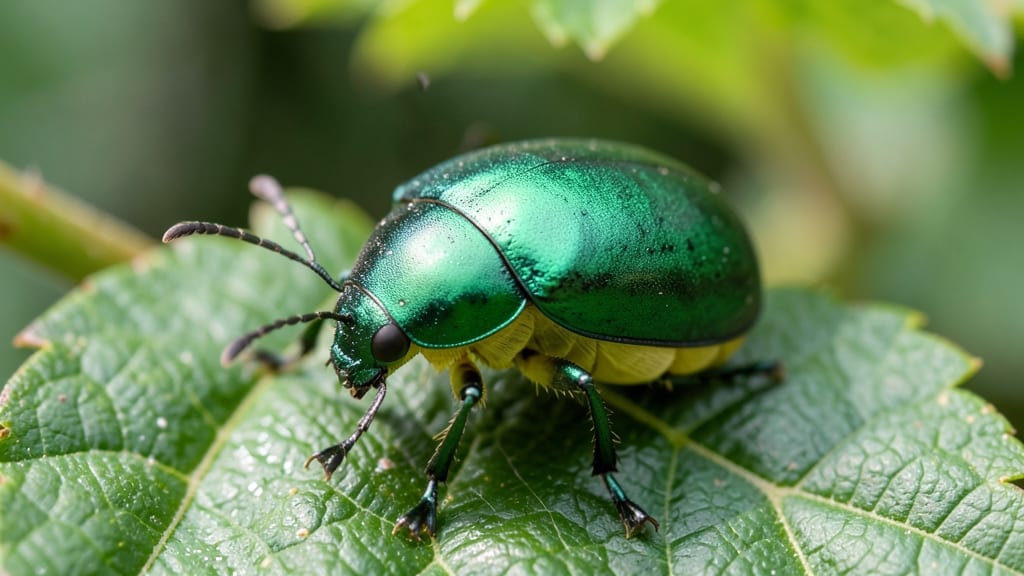
Those skeletonized grape leaves mean one pest: the grape leaf beetle. 🌿 I’ve spent three summers battling these striped invaders, and I finally cracked the code with a foolproof organic spray barrier that stops them in their tracks—no harsh chemicals needed.
The beetles chew leaves into lace-like patterns, weakening vines before harvest. My solution? A neem oil and kaolin clay spray applied at the first sign of damage. It creates a physical barrier they can’t cross while starving their larvae.
You’ll see new growth within 10 days if you catch it early. What you’ll get is healthy vines with full foliage, no more defoliation, and grapes that develop properly. The spray works on blackberries and raspberries too—same pests, same solution. Best part?
It’s safe for bees and beneficial insects when applied at dusk. Here’s exactly how to mix and apply it for maximum protection.
Root Causes Of Leaf Damage
The presence of grape leaf beetles (specifically Brugmansia or Vitacea species) isn’t random—it’s driven by a mix of environmental, ecological, and agricultural factors. Understanding these triggers helps you predict outbreaks and take preemptive action. Here’s why these pests target your vines with such precision.
Grape leaf beetles thrive in environments where grapevines struggle for resources. When vines are densely packed—whether due to high planting density, lack of pruning, or unmanaged growth—they create the perfect hiding spot for beetles. Why?
- Shaded, humid microclimates: Beetles prefer areas with low sunlight exposure and high moisture, which slows plant recovery and makes leaves more palatable. Overgrown canopies trap heat and humidity, accelerating beetle activity.
- Limited natural predators: Birds, parasitic wasps, and ground beetles (which eat beetle larvae) avoid thick foliage. Without these checks, beetle populations explode.
- Stressed plants emit signals: Damaged or nutrient-deficient vines release volatile organic compounds (VOCs) that attract beetles—like a dinner bell for pests.
Actionable fix: Prune vines to open the canopy (aim for 50–70% sunlight penetration) and thin out rows to improve airflow. Use trellis systems to elevate foliage and deter beetles from nesting in leaf litter.
Beetles don’t just eat leaves—they target weak plants. When grapevines lack key nutrients, their leaves become softer and more susceptible to chewing. Here’s the science:
| Deficiency | Beetle Attraction Trigger | Visual Clues |
|---|---|---|
| Nitrogen (N) deficiency | Beetles detect reduced protein levels in leaves, making them easier to digest. | Yellowing between leaf veins (chlorosis). |
| Potassium (K) deficiency | Low potassium = thinner cell walls, which beetles exploit for larvae feeding sites. | Brown, dead edges ("scorch") on older leaves. |
| Phosphorus (P) deficiency | Slows vine growth, leading to stunted, tender new shoots—beetle favorites. | Purple or red discoloration on undersides of leaves. |
Actionable fix: Conduct a soil test and amend with organic compost or balanced fertilizer (e.g., 10-10-10). Avoid over-fertilizing with nitrogen alone—it encourages leafy growth (which beetles love) but weakens structural defenses.
Grape leaf beetles are opportunistic—they multiply fastest in hot, dry conditions. Here’s how climate plays a role:
- Extended dry spells: Drought-stressed vines produce more sugars in leaves to survive, making them sweeter and more attractive to beetles.
- Early spring warmth: Beetles emerge earlier when temperatures rise above 55°F (13°C). A mild winter means fewer die-offs and larger populations the next season.
- Low humidity: Beetles desiccate (lose moisture) in high humidity, but dry air helps their eggs and larvae survive longer.
Actionable fix:
- 💡 Mulch heavily (straw or wood chips) to retain soil moisture and reduce stress on vines.
- 🌡️ Monitor degree-day models (track cumulative heat units) to predict beetle emergence and apply organic sprays (like neem or kaolin clay) proactively.
- ✨ Drip irrigation in dry spells to keep foliage less appealing to beetles.
Modern vineyards often disrupt the food chain by eliminating beetle predators through broad-spectrum pesticides. Here’s how it backfires:
- Neonicotinoids & pyrethroids: These chemicals kill beneficial insects (ladybugs, lacewings, predatory mites) that feed on beetle eggs/larvae, creating a vacuum effect where beetles thrive unchecked.
- Monoculture planting: Large blocks of grapes reduce biodiversity, removing alternative food sources for predator species (e.g., wildflowers that attract parasitic wasps).
- Soil tillage: Disturbing the ground kills ground-dwelling predators like rove beetles, which hunt beetle larvae in the soil.
Actionable fix:
- 🌼 Plant companion crops (e.g., alyssum, dill, or clover) to attract predator insects.
- 🔄 Rotate organic sprays (e.g., Bt for larvae, spinosad for adults) to avoid resistance and preserve predator populations.
- 🏡 Leave leaf litter in undisturbed areas to provide habitat for ground beetles.
Quick Fixes for Garden Pests
Now that you understand why these beetles target your grapevines, let’s tackle the problem with practical, effective solutions—whether you’re dealing with an early infestation or a full-blown outbreak. Below, we’ve mapped causes to fixes, so you can act fast and protect your plants without harsh chemicals.
Prevention tips are sprinkled in too, because the best defense is a strong offense!
Cause: Small clusters of beetles spotted early (before major damage). Fix:
- 🔍 Scout daily: Check undersides of leaves and new shoots—beetles hide there!
- 👨🍳 Handpick adults: Drop them into soapy water (they can’t swim out). Do this in the early morning when they’re sluggish.
- 🧹 Remove eggs: Look for tiny orange eggs laid in clusters on leaves. Scrape them off with a soft brush and dispose of them.
- 🌡️ Timing matters: Focus on spring and early summer when beetles are most active.
✨ Pro Tip: Use a magnifying glass—eggs are tiny (about 1mm) and easy to miss!
Cause: Beetles are spreading rapidly, and manual removal isn’t enough. Fix: A homemade spray barrier is your best bet for instant, organic protection. Here’s a 3-step recipe that works:
- 🍳 Mix the spray:
- 1 gallon of water
- 1 tbsp neem oil (disrupts beetle feeding and reproduction)
- 1 tsp dish soap (helps the spray stick to leaves)
- 1 tbsp garlic or hot pepper extract (natural repellent)
- 👨🍳 Apply strategically:
- Spray undersides of leaves (where beetles hide) and new growth thoroughly.
- Reapply every 5–7 days or after rain.
- 🌿 Add a physical barrier (optional but effective):
- Wrap young vines in floating row covers (lightweight fabric) to block beetles entirely.
⚠️ Warning: Avoid spraying in direct sunlight—it can burn leaves. Do it early morning or late evening.
Cause: Weak plants attract more pests (beetles love stressed vines). Fix:
- 💧 Water deeply but less often: Overwatering stresses plants. Aim for 1–2 inches per week.
- 🌱 Mulch heavily: Use straw or wood chips to retain moisture and deter beetles from crawling up vines.
- 🍄 Strengthen roots: Add compost or worm castings to the soil for nutrient-rich growth.
- 🌿 Plant companion crops: Marigolds, basil, or thyme near grapevines can repel beetles naturally.
💡 Pro Tip: Healthy vines = fewer pests! A strong plant is less appealing to beetles.
Cause: Beetles have taken over, and damage is visible (chewed leaves, wilting vines). Fix:
- 🧴 Introduce beneficial insects:
- Ladybugs and lacewings eat grape leaf beetle larvae. Buy them online or attract them with dill or fennel in your garden.
- 🪲 Use kaolin clay spray:
- A white, clay-based spray that coats leaves and deters beetles. Mix 1 tbsp kaolin clay + 1 gallon water + a drop of soap.
- 🔪 Prune heavily (last resort):
- Cut and burn or bag severely damaged leaves/vines to stop the spread.
⏰ Time-Sensitive: Act within 48 hours of spotting heavy damage to prevent vine collapse.
To keep beetles away for good, follow this monthly routine:
| Season | Task | Why It Works |
|---|---|---|
| Spring | Apply neem oil spray + handpick adults | Stops early breeding cycles. |
| Summer | Install row covers + mulch | Blocks beetles and retains moisture. |
| Fall | Clean up debris + prune dead leaves | Removes overwintering spots. |
| Winter | Check stored wood/piles | Beetles hide in bark—inspect and treat. |
Final Thought: The key is consistency. A little effort now saves hours of damage control later. Start with spray barriers, boost plant health, and keep an eye out for early signs. Your grapevines will thank you! 🍇💚
Frequently asked questions
What do grape leaf beetle larvae look like, and how can I tell them apart from other pests?
Grape leaf beetle larvae are grayish-white with tiny black spots and grow up to 1/4 inch long. They resemble slugs but move in a looping motion. Unlike caterpillars (which have fuzzy bodies) or aphids (which cluster), these larvae chew leaves into lace-like patterns and hide on the undersides of leaves during the day.
How often should I apply organic sprays like neem oil to prevent grape leaf beetles?
Apply neem oil or kaolin clay sprays every 5–7 days during peak beetle season (spring to early summer). For best results, spray in the early morning or late evening to avoid burning leaves. Always reapply after rain, as water washes away the protective barrier.
Are there any chemical-free ways to attract natural predators of grape leaf beetles?
Yes! Plant companion crops like dill, fennel, or marigolds near your grapevines to attract ladybugs, lacewings, and parasitic wasps—all of which prey on beetle eggs and larvae. Leave some leaf litter undisturbed in garden corners to provide habitat for ground-dwelling predators like rove beetles.
Can grape leaf beetles damage grape fruit, or do they only eat leaves?
While they primarily target leaves, severe infestations can weaken vines enough to reduce fruit quality or yield. The real damage comes from defoliation, which stresses plants and makes them vulnerable to disease. Early intervention (like handpicking adults or using sprays) protects both leaves and fruit.
What’s the best time of day to handpick grape leaf beetles for maximum effectiveness?
Handpick beetles in the early morning when they’re slow and sluggish. Drop them into a bucket of soapy water (they can’t swim out). Avoid midday, as beetles become more active and harder to catch. Check the undersides of leaves first—their favorite hiding spot!