
Pests
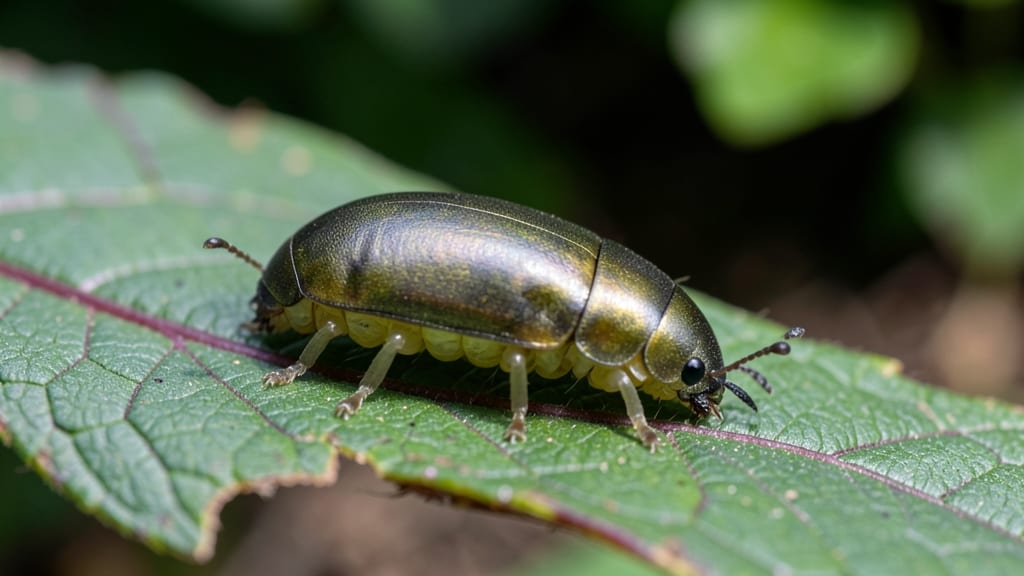
My viburnum shrubs looked like they’d been hit by a skeleton crew of defoliators—until I discovered the viburnum leaf beetle larvae were the real culprits. 🌿 These tiny orange devils strip leaves faster than a summer storm, leaving behind a sad, skeletonized mess that no pruning can fix.
But here’s the good news: with the right organic spray, you can revive your shrubs in just a few weeks.
The damage starts with tiny black eggs laid on undersides of leaves, then hatches into bright orange larvae that chew through foliage like it’s all-you-can-eat buffet.
By the time you notice the skeletonized leaves, it’s often too late for a quick fix—but early action with neem oil or insecticidal soap can turn things around. The key is catching them before they pupate into beetles, which makes control even harder.
What you’ll end up with is lush, green foliage within 2-3 weeks of treatment, and shrubs that bounce back stronger than ever. The secret is consistency: spray every 5-7 days until you see new growth, and monitor for eggs weekly.
Preventative sprays in early spring can stop the cycle before it starts.
Works for all viburnum varieties, from compact shrubs to large hedges. Here’s how to spot the problem early and stop it before your plants look like they’ve been through a war.
Root Causes of Beetle Infestations
The presence of viburnum leaf beetle larvae isn’t random—it’s the result of specific ecological and environmental factors that create the perfect conditions for these pests to thrive. Understanding these causes is the first step toward effective prevention and control.
Let’s break down why these beetles and their larvae target your viburnum shrubs in the first place.
The primary reason viburnum leaf beetles (and their larvae) show up is because your shrubs are a perfect food source. Viburnum species—especially Viburnum lantana (wayfaring tree) and Viburnum opulus (craneberry)—are their favorite hosts. Here’s why:
- Nutrient-rich foliage: Viburnum leaves contain high levels of nitrogen and sugars, making them irresistible to hungry larvae.
- Lack of natural resistance: Unlike some plants that produce toxins to deter pests, viburnums don’t have strong chemical defenses against these beetles.
- Monoculture landscapes: If you’ve planted multiple viburnum shrubs close together, beetles can spread rapidly with no barriers.
Actionable insight: If you’re prone to infestations, consider interplanting viburnums with pest-repellent species like rosemary, lavender, or boxwood to disrupt beetle feeding patterns.
Viburnum leaf beetles are cold-sensitive, and their larvae thrive in warm, humid conditions. Here’s how your garden might be unintentionally inviting them:
| Factor | Why It Matters |
|---|---|
| South-facing exposure | Sun-warmed leaves speed up larval development, allowing multiple generations per season. |
| Dense foliage | Beetles and larvae hide in thick canopies, avoiding predators and retaining moisture. |
| Poor air circulation | Stagnant, humid air creates ideal breeding grounds for beetle eggs and larvae. |
| Mulch buildup | Organic mulch retains heat and moisture, extending the beetle’s active season. |
Actionable insight: Prune viburnums to improve airflow, and avoid over-mulching near the base. If possible, plant them in slightly cooler, northern exposures to slow beetle activity.
In a healthy ecosystem, viburnum leaf beetles face natural predators like birds, parasitic wasps, and ground beetles. But human activities often reduce these checks and balances:
- Pesticide overuse: Broad-spectrum insecticides kill beneficial predators faster than they kill beetles, creating a vacuum that pests fill.
- Habitat loss: Removing wildflowers, berry-producing plants, or leaf litter eliminates food/shelter for predator species.
- Urbanization: Lawns and manicured gardens lack the biodiversity that supports natural pest control.
Actionable insight: Encourage predators by planting native wildflowers, berry bushes, and ground covers. Avoid chemical sprays during beetle-active seasons (spring to early summer).
Viburnum leaf beetles are invasive in many regions, originally from Europe but now widespread in North America. Their spread is fueled by:
- Global trade: Infested nursery plants or firewood can unknowingly transport beetles to new areas.
- Mild winters: Warmer climates allow beetles to survive winters and reproduce more frequently.
- Lack of native predators: In non-native regions, beetles face fewer biological controls.
Actionable insight: If you’re in a high-risk area, inspect new plants thoroughly for eggs (tiny yellow clusters on leaf undersides) or adults (shiny black beetles with orange markings). Quarantine new viburnums for a few weeks before planting.
By addressing these root causes—whether through plant selection, habitat adjustments, or predator support—you can dramatically reduce the likelihood of viburnum leaf beetle larvae taking over your shrubs. The next step? Explore organic sprays and cultural fixes to reclaim your foliage’s health.
Organic Fixes for Beetle-Damaged Shrubs
Now that you understand why viburnum leaf beetle larvae are wreaking havoc on your shrubs, it’s time to take action! With the right organic solutions, you can restore your plants’ health without harming the environment or beneficial insects.
Below, we’ve mapped out practical, step-by-step fixes based on the root causes—from early detection to long-term prevention.
---
If you’ve spotted yellowing leaves, skeletonized foliage, or black beetles, act fast to prevent further damage.
#### 🍳 Handpick Larvae & Beetles (Best for Small Infestations) 1. When to do it: Early morning or late evening when beetles are sluggish.
2. How to do it: - Wear gloves and inspect leaves thoroughly. - Drop larvae and adults into soapy water (1 tsp dish soap per gallon) to kill them instantly. - Check undersides of leaves and new growth—larvae love hiding there.
3. Frequency: Repeat every 2–3 days until no more pests are found.
#### 👨🍳 Neem Oil Spray (Knocks Out Larvae & Eggs) Neem oil disrupts the beetles’ life cycle and is safe for organic gardens. - Mix: 1 tbsp neem oil + 1 tsp horticultural oil + 1 tsp mild soap (as an emulsifier) per quart of water. - Apply: Spray thoroughly on top and bottom of leaves, focusing on new growth. - Best time: Early morning or late afternoon (avoid direct sunlight, which can burn leaves). - Reapply: Every 7–10 days or after rain.
✨ Pro Tip: Add a few drops of garlic oil (natural repellent) to boost effectiveness.
---
Prevent future infestations by disrupting their breeding habits and strengthening your shrubs.
#### 🔪 Prune Damaged Foliage (Remove Hiding Spots) 1. When to prune: Late winter or early spring (before beetles emerge) or immediately after infestation.
2. How to prune: - Cut off heavily chewed leaves and skeletonized foliage. - Bag and dispose of clippings (do not compost—eggs may survive). - Thin out dense branches to improve airflow (beetles thrive in shaded, humid areas).
3. Sanitize tools: Wipe pruners with rubbing alcohol between cuts to prevent spreading pests.
#### 🌡️ Encourage Natural Predators (Let Nature Help!) Some bugs love eating viburnum leaf beetles—invite them to your garden! - Ladybugs & lacewings devour larvae. Plant dill, fennel, or marigolds to attract them. - Birds eat adults.
Install birdhouses or feeders near your shrubs. - Parasitic wasps (like Tetrastichus setifer) lay eggs in beetle larvae. Avoid pesticides to keep them around.
💡 Pro Tip: Mulch with wood chips—it encourages ground-dwelling predators like ground beetles.
---
Once you’ve treated an infestation, stop them from returning with these low-maintenance strategies.
| Prevention Method | How to Do It | Best Time | |-----------------------------|-----------------------------------------------------------------------------------|-----------------------------| | Plant Resistant Varieties | Choose Viburnum ‘Cayuga’ or ‘Burkwood’—they’re less appealing to beetles. | Fall or spring planting | | Reflective Mulch | Spread silver or aluminum mulch around the base (beetles dislike shiny surfaces). | Early spring | | Companion Planting | Surround viburnums with rosemary, lavender, or catnip—beetles avoid these. | Spring or fall | | Regular Inspections | Check plants weekly for eggs (tiny yellow clusters on undersides of leaves). | April–June (peak season) |
🔥 Final Pro Tip: Rotate organic sprays (neem oil one week, insecticidal soap the next) to prevent resistance.
--- By combining manual removal, organic sprays, pruning, and natural predators, you’ll revive your viburnums and keep them beetle-free for seasons to come. 🌿✨
Frequently asked questions
How do I tell if my viburnum shrubs have leaf beetle larvae?
Look for bright orange larvae along leaf edges and skeletonized foliage (leaves with only veins remaining). Check leaf undersides for tiny yellow egg clusters—these hatch into larvae in 7-10 days. Adult beetles appear as shiny black bugs with orange markings during spring and summer.
Is neem oil safe to use when larvae are already present?
Yes! Neem oil works well against all life stages—eggs, larvae, and adults—but must be applied directly to leaf surfaces. For existing infestations, spray every 5-7 days until new growth appears. Avoid spraying when temperatures exceed 90°F to prevent leaf burn.
Can I still use my viburnum leaves for tea if larvae are present?
No, never use infested leaves for tea or cooking. The larvae and their waste can contaminate the leaves, posing health risks. Always remove and dispose of heavily damaged foliage in sealed bags before composting. Fresh, pest-free leaves are safe to harvest.
Why do my viburnums get infested every year even after treatment?
Repeat infestations often happen because beetles overwinter in leaf litter or nearby plants. Improve airflow by pruning dense branches, remove old leaves, and rotate organic sprays (neem oil + insecticidal soap). Planting repellent companions like rosemary can also help disrupt their life cycle.
Are there any chemical options if organic methods fail?
For severe cases, pyrethrin-based sprays (derived from chrysanthemums) are effective but should be used as a last resort. Always follow label instructions and avoid spraying when bees are active. For organic gardens, kaolin clay creates a protective barrier that deters beetles from feeding.