
Tools
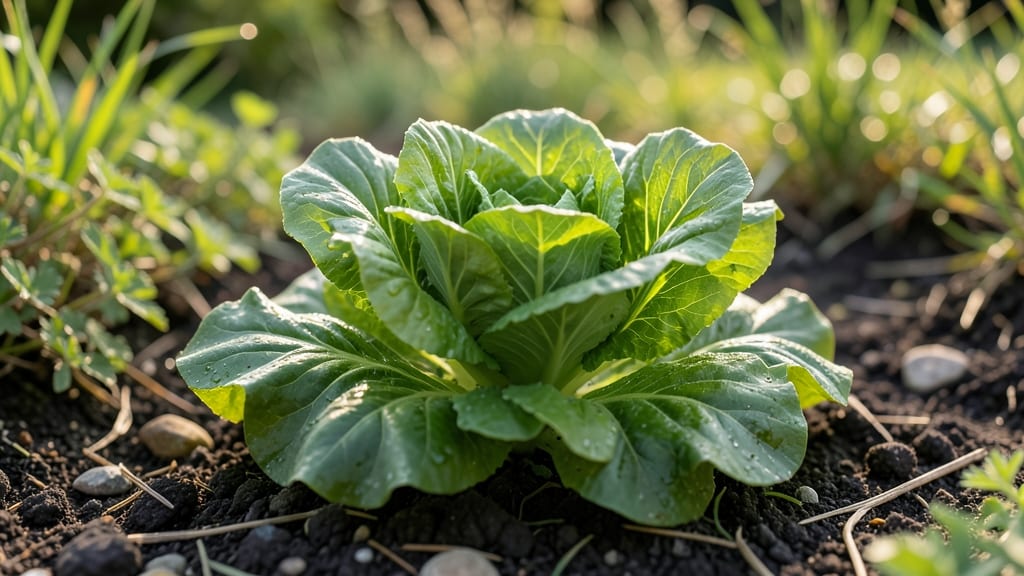
Growing crisp Garden Life green leaf lettuce is the easiest way to add fresh, vibrant greens to your table—no greenhouse or fancy tools required. 🌱 I’ve grown this variety for years, and it thrives in my backyard with minimal fuss, even when other lettuces bolt or wilt.
The secret lies in the right soil, consistent moisture, and a little shade during peak heat. You’ll need a sunny spot (but not scorching afternoon sun), loose, well-draining soil mixed with compost, and a shallow container or garden bed.
Plant seeds just beneath the surface, keep them moist, and thin seedlings to 6 inches apart. This variety handles heat better than most, but a light row cover or afternoon shade keeps leaves crisp and prevents bolting.
By midseason, you’ll be harvesting tender leaves in just 4-6 weeks, with continuous production if you keep cutting outer leaves. The flavor stays sweet and mild, perfect for salads or sandwiches. Plus, it resists common lettuce pests like aphids and slugs better than many varieties.
Works in containers, raised beds, or in-ground plots—ideal for small spaces or urban gardens. Here’s how to keep them thriving all season long.
📚 In This Guide
- What you need
- Instructions
- Tips and common mistakes
- Wrapping up and next steps
What you need
- ● Seeds: Green leaf lettuce seeds (e.g., Lactuca sativa varieties like 'Black Seeded Simpson' or 'Salad Bowl'). Aim for 2–3 seeds per cell in seed trays or 1–2 seeds every 6–12 inches in the garden.
- ● Growing Medium: Seed Starting: 4–6 inch biodegradable seed pots or a seed tray with cell packs (fill with sterile seed-starting mix).
- ● Transplanting: Well-draining potting soil (for containers) or loamy garden soil amended with 2–3 inches of compost.
- ○ Containers (Optional for Indoor/Garden Beds): 5–10 gallon fabric grow bags or raised beds (at least 6 inches deep).
- ● Window boxes or hanging planters (for small spaces).
- ● Tools: Hand trowel or transplanting spade.
- ● Watering can with fine rose nozzle (or spray bottle for seedlings).
- ● Garden gloves (to protect from soil and thrips).
- ● Pruning shears (for harvesting outer leaves).
- ● Climate: Cool-season crop; ideal temps: 45–75°F. Avoid planting when daytime temps exceed 80°F (bolting risk!).
- ● Sunlight: Partial shade (3–6 hours of sun/day) for crisp leaves; avoid full sun in hot climates.
- ● Watering: Keep soil consistently moist (not soggy). Use drip irrigation or water early in the morning to prevent fungal issues.
- ○ Fertilizer (Optional): Balanced 5-5-5 or 10-10-10 fertilizer at planting (follow label rates).
- ● Compost tea or fish emulsion (every 3–4 weeks for nutrient boost).
- ● Pest Control (Preventative): Row covers or floating mesh to deter aphids and cabbage worms.
- ● Neem oil spray (for early pest signs).
Step-by-Step instructions for growing crisp garden life green leaf lettuce
Here's how to grow lettuce with perfect crisp edges and resilience—no floppy leaves in sight.
🌱 Step 1: Prepare the Perfect Seedbed for Germination
Lettuce thrives in loose, nutrient-rich soil that drains well. Work the soil to a depth of 6 inches, removing any rocks or debris. I like to add 2 inches of compost to the top layer and mix it in thoroughly—this ensures your lettuce gets the nutrients it needs without getting too leafy too fast.
Rake the surface smooth and firm it lightly with the back of a rake. You want the soil to be level but not compacted—think of it like a soft pillow for your seeds. Moisten the soil until it's damp to the touch but not soggy. This prevents seeds from drying out before they sprout.
💧 Step 2: Sow Seeds at the Right Depth and Spacing
Scatter the Garden Life Green Leaf lettuce seeds thinly over the prepared bed. I like to use the pinch-and-sprinkle method: hold the seed packet between my thumb and forefinger, then gently tap it over the soil. This ensures even distribution without overcrowding. Aim for seeds spaced 1-2 inches apart in rows that are 12 inches apart.
Cover the seeds with a thin layer of soil—just ¼ inch deep—using a fine-mesh sift or your fingers. Press lightly to ensure good seed-to-soil contact. Water gently with a fine spray nozzle to avoid displacing the seeds. Keep the soil consistently moist until germination, which typically takes 7-10 days in ideal conditions.
☀️ Step 3: Provide the Right Light and Protection
Lettuce loves partial shade during hot afternoons, especially in warmer climates. If you're planting in spring or fall, 4-6 hours of morning sun is ideal. In summer, provide dappled shade or use shade cloth to keep the soil cool—lettuce bolts (goes to seed) when stressed by heat.
Watch for the first true leaves to emerge—these will look like tiny, rounded versions of mature lettuce leaves. Once they appear, thin the seedlings to 6 inches apart to give them room to grow without competing. Use sharp scissors to snip unwanted seedlings at soil level; pulling them can disturb the roots of nearby plants.
🪴 Step 4: Maintain Moisture and Fertility for Crisp Leaves
Consistent moisture is key to crisp lettuce. Water deeply once a week, providing 1 inch of water total. I like to water in the early morning so the leaves have time to dry before evening. Mulch with 1 inch of straw or shredded leaves to retain moisture and keep the soil cool.
Feed your lettuce with a balanced liquid fertilizer (like 10-10-10) every 3-4 weeks after thinning. Dilute it to half-strength to avoid burning the tender leaves. You’ll notice the edges staying crisp and vibrant—a sign your lettuce is happy and resilient.
✂️ Step 5: Harvest for Continuous Yield
Start harvesting the outer leaves when they reach 3-4 inches tall. Use clean scissors or fingers to pluck them at the base. This encourages the inner leaves to grow larger and keeps your lettuce producing for 4-6 weeks. Avoid cutting into the center—this can stunt regrowth.
If your lettuce starts to bolt (sends up a tall flower stalk), harvest the entire plant immediately. Bolted lettuce is still edible but bitter. With proper care, you’ll enjoy a steady supply of crisp, resilient Green Leaf lettuce all season long.
Tips & tricks for perfect garden life green leaf lettuce
Here's what nobody tells you about growing lettuce that stays crisp and productive all season.
Soil Prep Secret: After loosening the soil to 6 inches, press down lightly with a board or your foot to create a firm base. This prevents seeds from sinking too deep during watering—lettuce seeds need that ¼-inch depth to germinate properly. I also add a handful of sand to the compost mix to improve drainage, which prevents waterlogged roots that cause limp leaves.
The Thinning Technique: When thinning seedlings to 6 inches apart in Step 3, use a pair of clean scissors instead of pulling by hand. This prevents disturbing nearby roots and gives you a clean cut that won't leave jagged wounds. I time this when the soil is moist—roots slide out more easily and you can replant the thinnings elsewhere if you're feeling generous.
Watering Wisdom: The once-weekly watering rule works best with morning watering, but if you're dealing with extreme heat, split that 1 inch into two ½-inch sessions—once in the morning and once in the evening. This keeps roots consistently moist without creating surface crust that blocks oxygen. I've seen lettuce wilt dramatically after midday watering because the leaves don't have time to dry before nightfall.
Fertilizer Timing: That 3-4 week feeding schedule assumes you're using a balanced fertilizer, but I've found lettuce responds better to more frequent, lighter feedings. Try applying a quarter-strength solution every 2 weeks instead—this mimics natural nutrient availability and prevents the sudden growth spurts that lead to floppy stems. Always water before fertilizing to protect tender roots.
Pro Tips for Garden Life Green Leaf Lettuce
- Here's what nobody tells you about growing lettuce that stays crisp and productive all season.
- Soil Prep Secret: After loosening the soil to 6 inches, press down lightly with a board or your foot to create a firm base.
- The Thinning Technique: When thinning seedlings to 6 inches apart in Step 3, use a pair of clean scissors instead of pulling by hand.
Frequently asked questions
How long does it take for Garden Life Green Leaf Lettuce to mature?
This variety typically reaches harvest-ready size in 30–40 days from seeding, depending on temperature and growing conditions. For faster results, start seeds indoors 4–6 weeks before the last frost or sow directly in cool weather (ideal temps: 45–75°F). Pro tip: Thin seedlings to 6–8 inches apart to prevent overcrowding and speed up growth!
Can I grow Garden Life Green Leaf Lettuce in hot weather?
While this lettuce tolerates mild heat better than most varieties, it thrives in cool seasons (spring/fall). In summer, plant in partial shade and keep soil moist to prevent bolting. For year-round harvests, try shade cloth (30–50%) or grow in containers that can be moved to cooler spots. Watch for: Wilting or bitter taste as a sign of heat stress.
What pests or diseases should I watch for with Garden Leaf Lettuce?
Common pests include aphids, slugs, and flea beetles, while diseases like downy mildew or powdery mildew can appear in humid conditions. Preventive tips:
- Use row covers early in the season.
- Rotate crops annually to reduce soil-borne issues.
- Handpick slugs or spray with neem oil for aphids.
How do I harvest Garden Life Green Leaf Lettuce for the crispest edges?
Harvest outer leaves when they’re 4–6 inches tall, leaving the inner leaves to keep growing (this method extends your harvest by weeks). Use clean scissors or a sharp knife to cut just above the soil line. For baby leaves, harvest the whole head at once. Pro tip: Pick in the morning for the freshest, crispest texture!
What can I plant alongside Garden Life Green Leaf Lettuce for companion planting?
Great companions include carrots, radishes, strawberries, and chives—they deter pests and share similar growing conditions. Avoid planting near:
- Cucumbers or melons (they compete for nutrients).
- Celery (can stunt lettuce growth).
Can Garden Life Green Leaf Lettuce survive a light frost?
Yes! This variety is cold-hardy and can tolerate light frosts (down to 25°F) without damage. In fact, a light frost can enhance flavor and crispness. For heavy frosts, use row covers or cloches to protect young plants. Harvest before hard freezes (below 20°F) to enjoy fresh greens year-round.
Wrapping up and next steps
Growing garden life green leaf lettuce isn’t just about fresh, crisp greens—it’s about embracing resilience and simplicity in your gardening journey. 🌱 With the right tools, patience, and care, you’ll enjoy a bountiful harvest that’s as rewarding as it is delicious. Ready to take the next step?
- Start small: Try a single container or a small plot to build confidence.
- Experiment: Play with varieties, soil mixes, or companion plants to find what thrives best in your space.
- Share the love: Once you’ve mastered it, gift fresh lettuce to neighbors or friends—nothing beats homegrown goodness!
Your garden—and your plate—will thank you! 🥗✨