
Planting
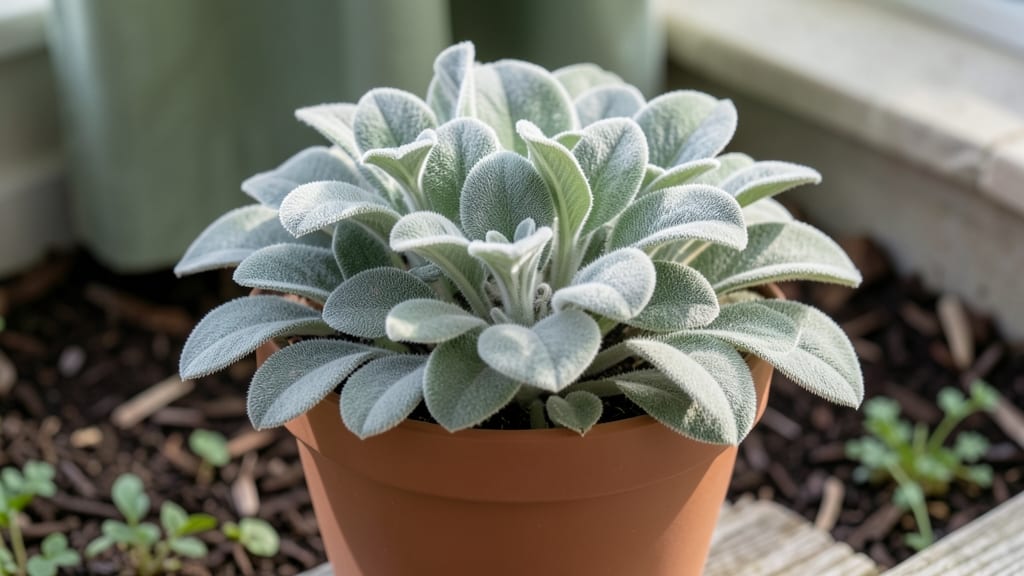
That velvety fuzzy green leaf plant in your garden deserves a second life—and it grows roots fast in water. 🌱 I’ve propagated fuzzy-leaved plants this way for years, and the secret isn’t complicated: just snip a stem, plop it in water, and watch roots sprout in 2-3 weeks instead of months.
No soil stress, no transplant shock—just pure, speedy growth.
The trick is choosing the right stems: look for healthy, non-flowering shoots with at least 2-3 fuzzy leaves. Dusty miller, lamb’s ear, and even some ornamental grasses respond beautifully.
Place the cut end in 2-3 inches of water, keep it in bright, indirect light, and change the water every 3-4 days to prevent bacteria. Roots appear first as tiny white hairs—then they thicken into sturdy stems ready for soil.
Once roots hit 1-2 inches, you’ll have a ready-to-plant cutting that’s hardier than nursery starts. These plants thrive in well-draining soil, full sun to partial shade, and need water only when the top inch feels dry.
Their silvery foliage adds texture to borders, containers, or even as a ground cover—plus, they’re deer-resistant and drought-tolerant once established.
Best of all? This method works for any fuzzy-leaved plant—even if you’re not sure what it is. Just test a cutting in water first. No guesswork, no waiting seasons. Let’s get those roots growing!
Rooting Struggles Explained
Understanding why your fuzzy green leaf plant (like a Pilea peperomioides or Alocasia zebrina) resists rooting in water is half the battle. Let’s break down the science behind common issues—so you can fix them fast.
Why it happens: Stagnant water is a root’s worst nightmare. When submerged too long, roots suffocate from lack of oxygen, leading to rot or stalled growth. Even if your plant looks fine above water, its roots may be drowning below.
The science:
- Roots need aeration (air pockets) to breathe. Still water traps CO₂ and blocks O₂, triggering anaerobic conditions—where harmful bacteria thrive.
- Overcrowded roots (from cutting too many stems at once) compete for oxygen, slowing growth.
Fix it:
- Use small jars (like baby food containers) for cuttings—less water = more oxygen.
- Add 1-2 drops of hydrogen peroxide (3%) to water weekly to boost oxygen levels.
- Change water every 3–5 days to prevent bacterial buildup.
Why it happens: Fuzzy leaf plants are tropical—cold water (below 65°F/18°C) or dim lighting shocks roots, halting growth. Think of it like a human getting frostbite: roots go numb and stop functioning.
The science:
- Enzymatic activity in roots slows below 60°F (15°C). Without warmth, cells can’t absorb nutrients or divide.
- Low light reduces photosynthesis in leaves, starving roots of energy (they rely on leaf-supplied sugars).
Fix it:
- Place cuttings in a bright, indirect spot (east or north window).
- Use room-temperature water (never straight from the fridge).
- For extra warmth, set jars on a seedling mat or near a heater (but not in direct heat).
Why it happens: Not all stems are created equal. Young, healthy cuttings (with 2–3 leaves and a node, where roots emerge) root faster. Older or damaged stems lack the auxin hormone needed to trigger roots.
The science:
- Auxin, a natural plant growth regulator, signals cells to form roots. Stress (like bruising or drying out) depletes auxin.
- Ethylene gas (released from overripe fruit or crowded jars) can block rooting.
Fix it:
- Take cuttings from healthy, non-flowering stems.
- Dip the base in rooting hormone powder (or cinnamon) to boost auxin.
- Avoid storing cuttings near bananas or apples (ethylene sources).
Why it happens: Cloudy, smelly water or mushy stems? Pathogens like Pythium or Fusarium attack weak roots, causing rot. Even a tiny cut can invite trouble.
The science:
- Bacteria thrive in stagnant water, clogging root pores and blocking nutrient uptake.
- Fungi spread via contaminated tools or old water, turning roots brown and slimy.
Fix it:
- Sterilize scissors with rubbing alcohol between cuttings.
- Use filtered or distilled water (tap water’s chlorine can help, but minerals cause buildup).
- Add 1 aspirin (crushed) to water weekly as a natural antifungal.
Why it happens: Plain water lacks the micronutrients (like phosphorus or iron) roots need to grow. But too many fertilizers? Salt buildup burns roots faster than a chili pepper.
The science:
- Roots absorb calcium, magnesium, and potassium from water. Without these, growth stalls.
- Excess salts (from tap water or fertilizers) draw water out of roots, causing dehydration.
Fix it:
- Use rainwater or bottled spring water for best results.
- For a boost, add 1 tsp sugar or honey to water (feeds beneficial microbes).
- Never fertilize water-propagated cuttings—wait until roots are 1–2 inches long.
Why it happens: Some fuzzy leaf plants (like Pilea glauca) are slow rooters—taking 4–8 weeks to form roots. Others (like Alocasia) bolt upward before roots catch up, toppling over.
The science:
- Genetics dictate rooting speed. Some species evolved to root in soil, not water.
- Transpiration (water loss from leaves) can dry out cuttings if roots aren’t established.
Fix it:
- Prop roots mid-air: Place cuttings in water but leave the lower node dry (encourages roots to form above water).
- Use a humidity dome (or plastic bag) to retain moisture while roots develop.
- Check weekly: Gently tug the cutting—if it resists, roots are forming!
Revive and Grow Your Leafy Friend
If your fuzzy green leaf plant (like a Pilea peperomioides or Fittonia) is struggling, don’t panic—most issues have simple fixes! Below, we’ve mapped common problems to easy solutions, plus prevention tips to keep your plant thriving long-term.
Think of this as your plant’s emergency first aid kit, minus the drama.
Signs: Yellowing leaves, mushy stems, or water pooling at the base.
Fix It Fast: 🔥 Step 1: Check the Soil – Stick your finger 1–2 inches into the soil. If it’s soggy, your plant’s in trouble. 🍳 Step 2: Drain the Crisis – Gently remove the plant from its pot and let excess water evaporate for 24–48 hours. If the roots smell rotten, trim the black/mushy ones with sterilized scissors. 👨🍳 Step 3: Repot with Care – Use a pot with drainage holes and fresh, well-draining soil (a mix of potting soil + perlite works). Avoid watering for 3–5 days to let roots recover. ⏰ Step 4: Adjust Your Routine – Water only when the top inch of soil feels dry. Stick to a schedule (e.g., every 7–10 days) and check humidity—these plants hate wet feet!
Prevention Tips: ✔️ Upgrade Your Pot – Terracotta pots wick away moisture faster than plastic. ✔️ Group Plants Together – Creates a humid microclimate, reducing overwatering needs. ✔️ Mist Lightly – Instead of drowning the roots, mist leaves 2–3 times a week for humidity boosts.
Signs: Brown crispy edges on leaves, bleached patches, or wilting.
Fix It Fast: 🔥 Step 1: Move It ASAP – Relocate to indirect light (east-facing windows or 3–5 feet from a west window). Avoid south-facing windows unless you’re using sheer curtains. 🍳 Step 2: Trim the Damage – Snip off severely burned leaves with clean scissors. Healthy new growth will replace them! 👨🍳 Step 3: Rotate for Even Growth – Turn the pot ¼ turn weekly so all sides get equal light. ⏰ Step 4: Acclimate Slowly – If moving outside, introduce it to sunlight gradually (1–2 hours/day, then increase).
Prevention Tips: ✔️ Test the Spot – Place the plant near its new spot for a few hours first. If leaves curl or droop, it’s still too harsh. ✔️ Use a Sheer Curtain – If you love natural light, diffuse it with a light-colored curtain. ✔️ Watch for Heat – Avoid placing near radiators, vents, or direct airflow from AC units.
Signs: Dry, crispy leaf edges, drooping leaves that don’t perk up after watering, or soil pulling away from the pot.
Fix It Fast: 🔥 Step 1: Soak It Right – Place the pot in a sink or shallow tray of room-temperature water for 15–20 minutes. Let it drain completely. 🍳 Step 2: Check Root Health – If roots are shriveled or brittle, they’re thirsty but salvageable. Give them 24 hours to plump up. 👨🍳 Step 3: Adjust Frequency – Water when the top 1–2 inches of soil are dry. Group similar plants together to monitor moisture levels. ⏰ Step 4: Increase Humidity – Place the pot on a tray of pebbles with water (ensure the pot isn’t sitting in it) or use a humidifier nearby.
Prevention Tips: ✔️ Group with Moisture-Loving Plants – Succulents are out; try ferns or ivy to create a balanced ecosystem. ✔️ Use a Moisture Meter – Stick one in the soil to track dryness without guessing. ✔️ Bottom Watering – Place the pot in a saucer of water for 10 minutes to encourage even hydration.
Signs: Sticky residue (aphids), white webbing (spider mites), or tiny bugs on stems/leaves.
Fix It Fast: 🔥 Step 1: Isolate the Plant – Move it away from others to prevent spreading. 🍳 Step 2: Blast Off Pests –
- For Aphids/Mealybugs: Wipe leaves with a damp cloth dipped in soapy water (1 tsp mild soap per quart of water). Repeat every 3 days.
- For Spider Mites: Spray with water to dislodge them, then apply neem oil (1 tsp neem oil + 1 quart water + a drop of dish soap). Reapply weekly.
👨🍳 Step 3: Quarantine & Monitor – Keep the plant separate until pests are gone (usually 2–3 weeks). ⏰ Step 4: Boost Defenses – Wipe leaves monthly with neem oil or insecticidal soap as prevention.
Prevention Tips: ✔️ Inspect New Plants – Quarantine newcomers for 2 weeks before introducing them to your collection. ✔️ Dust Leaves Regularly – Pests love dusty surfaces. Wipe leaves with a damp cloth every 2 weeks. ✔️ Encourage Beneficial Insects – Ladybugs and lacewings eat pests! Release them near your plants (available at garden centers).
Signs: Stunted growth, yellowing leaves, foul smell from the soil, or roots that look black/mushy.
Fix It Fast: 🔥 Step 1: Act Fast – Remove the plant from the pot and rinse the roots gently under lukewarm water. 🍳 Step 2: Trim the Rotten Bits – Cut away any black, mushy roots with sterilized scissors. Healthy roots are firm and white. 👨🍳 Step 3: Repot with Fresh Soil – Use a clean pot with drainage holes and a mix of potting soil + perlite (or orchid bark for better aeration). ⏰ Step 4: Adjust Watering – Let the soil dry out completely between waterings. Bottom-watering (placing the pot in a tray of water for 10 minutes) helps prevent overwatering.
Prevention Tips: ✔️ Upgrade Your Pot – Switch to terracotta or a pot with drainage holes if you’ve been using plastic. ✔️ Use Well-Draining Soil – Avoid garden soil; opt for a mix designed for tropical plants. ✔️ Monitor Soil Moisture – Stick your finger in the soil before watering. If it’s damp, wait!
Signs: Leaves turning yellow, roots not growing after 4+ weeks, or mold in the water.
Fix It Fast: 🔥 Step 1: Refresh the Water – Dump old water and refill with room-temperature, filtered water. Change it every 3–5 days. 🍳 Step 2: Check the Leaves – If they’re yellowing, trim any mushy or discolored parts. Healthy leaves should stay firm and green. 👨🍳 Step 3: Boost Root Growth –
- Add a rooting hormone (like willow water or cinnamon powder) to the water.
- Place the jar in bright, indirect light (not direct sun).
⏰ Step 4: Be Patient – Roots can take 4–8 weeks to appear. If none show after 2 months, try propagating again with a fresh cutting.
Prevention Tips: ✔️ Use Distilled or Filtered Water – Tap water chemicals can hinder root growth. ✔️ Keep It Warm – Place the jar near a heat source (like a radiator) to encourage faster rooting. ✔️ Propagate in Spring/Summer – These plants grow best when days are longer and
Frequently asked questions about fuzzy green leaf plants
Which fuzzy leaf plants root fastest in water?
Lamb’s ear (Stachys byzantina) and dusty miller (Jacobaea maritima) are the speediest rooters in water, often sprouting roots in 2-3 weeks. For slower growers like Pilea peperomioides, try adding a pinch of cinnamon to the water—it boosts rooting hormones naturally. Avoid flowering stems; focus on healthy, non-blooming shoots with 2-3 fuzzy leaves.
Can I propagate fuzzy leaf plants from just one leaf?
Some fuzzy leaf plants like Pilea peperomioides can root from a single leaf, but success rates are lower. For best results, include a small piece of stem (even just 1/4 inch) with the leaf—this contains the node where roots form. Place the leaf base in water with just the tip submerged, and keep it in bright, indirect light. Patience is key—roots may take 4-6 weeks.
Why do my fuzzy leaf cuttings rot in water?
Bacterial rot is usually caused by stagnant water or contaminated tools. Always use fresh, room-temperature water and change it every 3-4 days. Sterilize scissors with rubbing alcohol between cuttings, and avoid overcrowding jars—each cutting needs its own space for oxygen. If you see black, mushy stems, trim the rot immediately and refresh the water.
How do I transition water-rooted cuttings to soil?
Wait until roots reach 1-2 inches long before planting. Gently rinse the roots to remove chlorine, then plant in well-draining soil (mix potting soil with perlite). Water lightly and place in bright, indirect light for 1 week to reduce transplant shock. Avoid direct sunlight for the first 2 weeks—this helps the plant focus on root establishment rather than leaf growth.
What’s the best soil mix for fuzzy leaf plants?
A 50/50 mix of potting soil and perlite or orchid bark works best for most fuzzy leaf varieties. This blend improves drainage while retaining enough moisture for tropical plants. For dusty miller, add a bit of sand to prevent compaction. Always use pots with drainage holes—these plants hate soggy roots! Repot every 2-3 years or when roots circle the pot.