
Plants
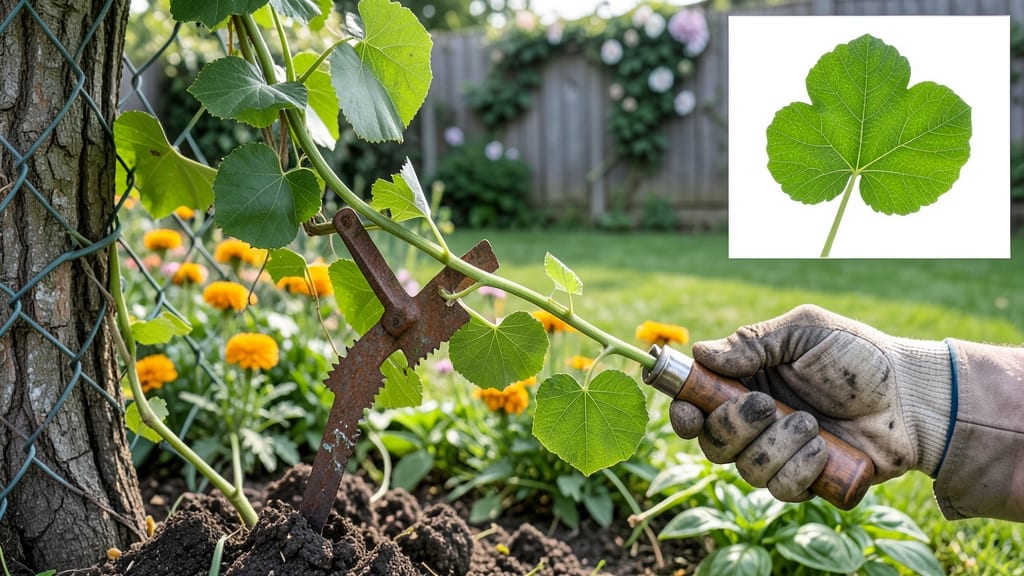
When five-leaf vine weed turns your garden into a tangled mess, neem oil might be your secret weapon. 🌿 I’ve wrestled with this invasive vine—its glossy leaves smothering plants and stealing sunlight—and learned that a 3% neem oil solution applied at the right time can stop it in its tracks without harsh chemicals.
The key is timing: spray when the leaves are dry but before they’ve fully hardened. Neem disrupts the vine’s growth hormones, causing those crispy edges you’ve been fighting.
It’s not instant, but within 2-3 weeks, you’ll see new growth slow dramatically. Just avoid spraying on hot days—it burns the leaves faster than it works.
What you’ll end up with is a garden where sunlight reaches your intended plants again, and the vine’s grip weakens. The best part? Neem oil breaks down naturally, so it won’t linger in the soil or harm beneficial insects like bees.
For stubborn roots, repeat every 7-10 days until the vine gives up.
This method works best in zones 7-10, where five-leaf vine thrives, but even cooler climates can adapt by applying neem in early spring before new shoots emerge. Pair it with manual pulling for roots, and you’ll reclaim your garden without synthetic poisons.
📚 In This Guide
- What you need
- Instructions
- Tips and common mistakes
- Wrapping up and next steps
What you need
- ● Neem oil (100% pure, cold-pressed): 1–2 ounces (or 30–60 mL). Look for organic, food-grade options for safety.
- ● Water: 1 quart (32 oz or ~1 liter) of lukewarm (not hot!) water.
- ● Spray bottle: 8–16 oz with a fine mist nozzle (or a clean, reusable one).
- ● Dish soap (mild, unscented): 1 teaspoon. Avoid harsh detergents—they can harm leaves!
- ○ Gloves (optional): Nitrile or rubber gloves to protect your hands from neem oil.
- ● Pruning shears (sterilized): For trimming dead or severely damaged leaves.
- ● Spray cover or sheet: A lightweight cloth or plastic to shield nearby plants from overspray.
- ● Horticultural oil or insecticidal soap: If pests (like spider mites) are contributing to crispiness.
- ● Humidity tray or pebble tray: To boost moisture around the plant post-treatment.
- ● pH testing kit: To check water hardness (ideal pH for neem oil mix: neutral or slightly acidic).
- ● Label or marker: To tag your plant and track treatment dates.
Step-by-step instructions for reviving crispy five leaf vine weed
Here's how to bring your five leaf vine back from crispy edges to lush, vibrant growth.
💧 Step 1: Assess the Damage and Adjust Watering
Start by gently lifting the plant to check soil moisture. If the top 2-3 inches feel bone dry, you've been underwatering. Five leaf vine thrives with even moisture—never let the soil dry out completely between waterings, but avoid soggy conditions too. Water deeply until it drains from the bottom, then wait until the top inch feels slightly dry before watering again.
I know it seems counterintuitive after crispy leaves, but overwatering can worsen the problem by suffocating roots. The key is consistency—water when the soil is dry to the touch, not on a schedule. You'll see new growth within 5-7 days if roots are still healthy.
☀️ Step 2: Optimize Light Without Scorching Leaves
Move your five leaf vine to bright, indirect light immediately. Direct sun burns crispy leaves worse, while too little light causes leggy growth. A 4-6 foot distance from a south or east-facing window works best. If leaves are already crispy, avoid sudden bright light—gradually introduce it over 2-3 days to prevent further damage.
Here's the thing—if your plant was in low light before, don't rush it. Watch for new leaves emerging with a healthy green color. If they still look dull after a week, supplement with a fluorescent grow light for 12-14 hours daily. The goal is to mimic natural light without shocking the plant.
🌿 Step 3: Apply Neem Oil Rescue Treatment
Mix 1 teaspoon neem oil with 1 quart water and ½ teaspoon mild liquid soap (like Castile) in a spray bottle. Shake well and apply to both sides of all leaves until glistening, focusing on crispy areas. Neem oil fights fungal/bacterial infections while restoring leaf moisture. Do this every 7-10 days for 3-4 weeks—it's the secret to crispy-to-lush transformation.
Spray in the early morning so leaves dry completely before evening. Avoid spraying when leaves are wet—this can cause spotting. You'll notice leaves looking shinier and less brittle within 3-5 days of treatment. If new growth appears crispy, reduce light intensity slightly.
✂️ Step 4: Prune Damaged Foliage and Encourage Regrowth
Use clean, sharp scissors to trim any crispy or brown leaves back to healthy green tissue. This prevents the plant from wasting energy on damaged parts. Cut at a 45-degree angle just above a leaf node (where new leaves grow). Never remove more than ⅓ of the plant at once—this stresses it further.
After pruning, wipe leaves with a damp cloth to remove dust, which blocks light absorption. Place the plant in a humidity tray (pebbles + water) if your home is very dry. You'll see new leaves unfurling within 2-3 weeks—this is your sign the rescue is working.
🪴 Step 5: Fertilize Gently for Recovery
Wait 2 weeks after neem oil treatment before fertilizing. Use a balanced liquid fertilizer (like 10-10-10) diluted to ¼ strength. Feed every 4-6 weeks during active growth (spring-fall). Over-fertilizing now will burn roots and make crispy leaves worse.
Real talk: If your plant was neglected for months, it might not respond immediately. Be patient—focus on root recovery first. Once you see 3-4 new healthy leaves, gradually increase fertilizer strength to ½ strength. The crispy edges will fade as the plant rebuilds its energy reserves.
Tips & tricks for reviving crispy five leaf vine
These simple strategies will help you revive your plant's crispy edges and restore its vibrant health.
Soil Moisture Test: Use a clean chopstick or wooden skewer to check moisture deeper than just the surface. Insert it about 2 inches into the soil—if it comes out clean, you need to water. This deeper check helps you avoid both underwatering and overwatering, which both contribute to crispy leaves. Remember, the top inch should feel slightly dry, but deeper soil should retain moisture.
Light Transition Strategy: If your plant was previously in low light, move it to indirect light gradually over 2-3 days rather than all at once. Place it in a shaded area for the first day, then slowly increase exposure. This prevents shock and helps leaves adjust without turning crispy from sudden light changes. Watch for new leaves emerging with healthy green color as your signal it's adapting well.
Neem Oil Application Technique: When applying the neem oil treatment every 7-10 days, focus on the undersides of leaves first—they often show early signs of stress. Use a fine mist setting on your spray bottle to ensure even coverage without oversaturating. This targeted approach helps restore moisture more effectively to the areas most affected by crispiness.
Pruning Precision: Always sterilize your pruning scissors with rubbing alcohol before and after use to prevent spreading any potential infections. When cutting, make your snip just above a leaf node where new growth emerges. This encourages healthy regrowth while removing only the damaged parts. Never remove more than one-third of the plant at once—this helps it focus its energy on recovery rather than stressing from too much pruning.
Pro Tips for Five Leaf Vine Weed
- These simple strategies will help you revive your plant's crispy edges and restore its vibrant health.
- Soil Moisture Test: Use a clean chopstick or wooden skewer to check moisture deeper than just the surface.
- Light Transition Strategy: If your plant was previously in low light, move it to indirect light gradually over 2-3 days rather than all at once.
Frequently asked questions
Got questions about tackling five-leaf vine weed with neem oil? You’re not alone! Here are some of the most common concerns—and straightforward answers—to help you reclaim your garden with confidence.
Is neem oil safe for all plants, or will it harm my five-leaf vine?
Neem oil is generally safe for most plants when used correctly, but it’s best to test a small area first. Five-leaf vine (also called Parthenocissus) is typically resilient, but avoid spraying during extreme heat or drought. If you notice browning or wilting, dilute the oil further (1 tsp per quart of water) or reduce frequency.
How long does it take to see results after applying neem oil?
Patience is key! You may start seeing slowed growth within 3–5 days, but full eradication can take 4–8 weeks of consistent treatment. Reapply every 7–14 days (or after rain) until the weed is gone. For stubborn patches, combine neem oil with vinegar or horticultural soap for a stronger punch.
Will rain wash away neem oil before it works?
Yes, rain can dilute or wash away neem oil, so reapply after 24–48 hours of dry weather. For best results, treat your five-leaf vine early in the morning when humidity is lower. If rain is forecasted, consider a sticky spray (neem oil + a bit of dish soap) to help it cling longer.
What’s a natural alternative if I don’t have neem oil?
If neem oil isn’t an option, try these DIY weed killers:
Wrapping up and next steps
Reviving your five-leaf vine weed with neem oil isn’t just about saving a struggling plant—it’s a chance to restore its lush, vibrant life and keep your garden thriving! 🌿 Whether you’re dealing with pests, fungal issues, or general decline, this natural remedy offers a gentle yet effective solution.
With the right tools and a little patience, you’ll see your vine bounce back stronger than ever.
Ready to take action? Start by assessing your plant’s needs today—check for pests, adjust watering habits, and apply your neem oil treatment with confidence. Your green thumb is about to shine brighter!