
Leaf Blower
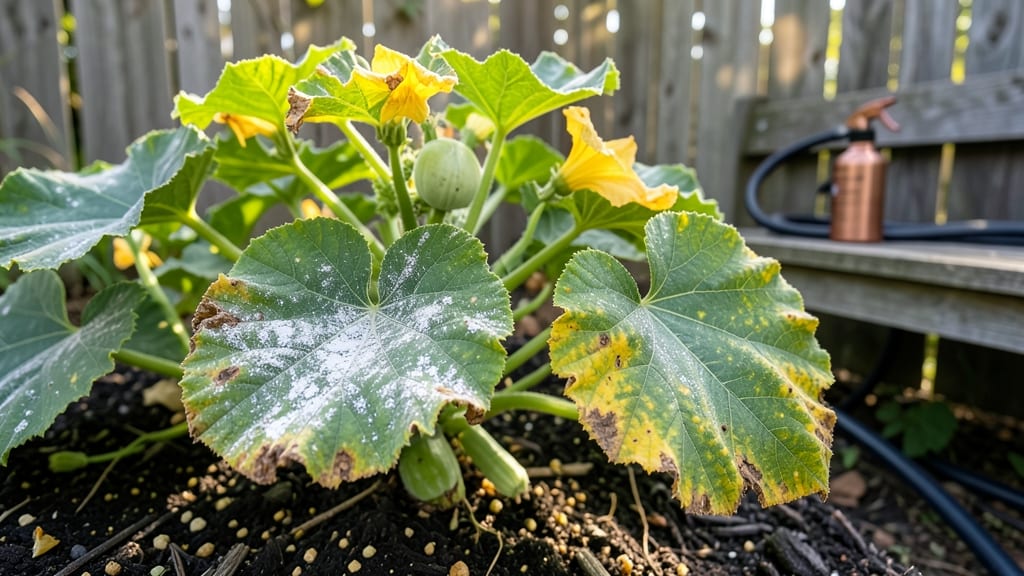
Squash leaf fungus turns your thriving vines into a sad, spotted mess faster than you can say "harvest season." 🌱 I’ve lost entire plants to powdery mildew and downy mildew—until I discovered neem oil’s secret weapon status.
This simple spray can stop the spread, revive leaves, and save your crop without harsh chemicals. The fungus thrives in humid, crowded conditions, so proper spacing and airflow are your first line of defense. But when those yellow spots appear, neem oil’s natural antifungal properties work like a shield.
Just mix it right, apply it at dawn or dusk, and repeat every 7–10 days. Your plants will bounce back with vibrant green leaves in no time. You’ll harvest healthy squash without sacrificing soil health or flavor. The key is acting fast—once the fungus takes hold, it’s harder to reverse.
But with this protocol, you’ll keep your garden productive and disease-free all season long. Works for zucchini, summer squash, pumpkins, and winter varieties alike. Let’s get those leaves looking spotless again!
Underlying Causes Of Leaf Spots
Fungal infections like squash leaf fungus (often caused by pathogens such as Phytophthora, Pseudoperonospora cubensis, or Alternaria) don’t appear out of nowhere—they thrive due to a mix of environmental stressors, poor garden hygiene, and plant vulnerabilities.
Understanding these triggers is the first step to preventing outbreaks and restoring your squash plants to their full glory. Let’s break down the key culprits behind those unsightly (and damaging) leaf spots.
Fungi love water—specifically, too much of it. When squash leaves stay wet for prolonged periods, spores germinate and infect the plant tissue. Here’s why moisture is a major factor:
- Overnight dew or rain: Leaves that don’t dry within 6–12 hours create the perfect humid microclimate for fungal spores to land and colonize.
- Compacted or waterlogged soil: Poor drainage forces roots to suffocate, weakening the plant’s defenses. Fungi like Phytophthora thrive in soggy conditions, entering leaves through stomata or wounds.
- Irrigation practices: Overhead watering (especially in the evening) splashes spores from soil onto leaves, accelerating spread.
Actionable fix: Water at the base of plants in the morning, use drip irrigation, and ensure soil has organic matter (like compost) to improve drainage. Raise beds or add sand to clay-heavy soil if needed.
Fungi are opportunistic—they exploit moderate temperatures (60–80°F) combined with high humidity (above 70%). While squash prefers warmth, these conditions create a fungal paradise:
- Cool nights + warm days: The temperature swing increases dew formation, prolonging leaf wetness.
- Stagnant air: Dense foliage or crowded plants trap humidity, preventing airflow and slowing evaporation.
- Greenhouse or plastic tunnel effects: Enclosed growing spaces trap moisture, amplifying fungal pressure.
Actionable fix: Space plants 3–4 feet apart for airflow, avoid mulching too close to stems (keep 2–3 inches away), and use shade cloth (30–50%) if humidity exceeds 75%. Ventilate greenhouses daily.
Healthy squash plants resist fungal attacks, but stress opens the door. Common immunity-draining factors include:
| Stressor | How It Helps Fungi |
|---|---|
| Nutrient deficiencies (especially nitrogen or magnesium) | Yellowing leaves (chlorosis) reduce photosynthesis, starving the plant of energy to fight infections. |
| Physical damage (hail, insects, pruning cuts) | Open wounds let spores enter directly; chewed leaves from squash bugs or cucumber beetles create entry points. |
| Transplant shock or root disturbance | Newly transplanted squash take 2–3 weeks to recover; fungal spores often strike during this vulnerable window. |
| Competition from weeds or overcrowding | Stressed plants divert energy to survival, leaving leaves defenseless against pathogens. |
Actionable fix: Test soil pH (aim for 6.0–6.8) and amend with compost or balanced fertilizer (10-10-10). Remove damaged leaves immediately, and rotate crops annually to break fungal cycles.
Fungal spores are persistent—they survive in soil for years and hitchhike on tools. Key sources of contamination:
- Reused or dirty pruners: Cutting infected leaves spreads spores to healthy plants. Alternaria spores can linger on metal blades for weeks.
- Infested compost or manure: Fresh manure (especially horse or chicken) can introduce fungal pathogens if not composted for 6+ months.
- Previous crops: Squash, cucumbers, and melons are all susceptible to the same fungi. Planting them in the same spot year after year exhausts soil resistance.
Actionable fix: Sterilize tools with 70% rubbing alcohol or a 10% bleach solution between uses. Practice 3-year crop rotation and avoid composting diseased plant debris—toss it in the trash instead.
By addressing these root causes, you’re not just treating symptoms—you’re starving the fungus of its favorite conditions. The next section will show you how to turn the tide with neem oil, a natural powerhouse for fungal defense.
How to Treat and Prevent Leaf Fungus
Fungal infections on squash leaves can feel like a losing battle, but with the right approach, you can reverse the damage and keep your plants thriving. Below, we’ve mapped out practical solutions tailored to the root causes—whether it’s poor airflow, overwatering, or weak plant defenses.
Follow these steps to restore your squash and prevent future outbreaks.
Cause: Dense foliage traps moisture, creating a fungal paradise. Solution:
- Prune aggressively 🔪—remove yellowing or infected leaves immediately (don’t compost them; bag and discard).
- Space plants 3–4 feet apart (if possible) to improve airflow. If growing in containers, ensure pots aren’t crammed together.
- Use trellises for vining squash (like zucchini or pumpkins) to lift leaves off the ground and dry them faster.
- Avoid mulching too close to stems—keep mulch 2–3 inches away to prevent dampness at the base.
💡 Pro Tip: If your garden is already overcrowded, thin out weaker plants to prioritize strong, healthy growth.
Cause: Wet leaves for long periods invite fungal spores to latch on. Solution:
- Water at the base (not overhead) using a soaker hose or drip irrigation 💦—aim for deep, infrequent watering (1–1.5 inches per week).
- Water early in the day (before 10 AM) so leaves dry by evening.
- Avoid late-night watering—fungi love the damp darkness.
- Check soil moisture before watering: Stick your finger 1–2 inches into the soil. If it’s dry, water; if it’s damp, wait.
⚠️ Warning: If your soil drains poorly (clay-heavy), amend it with compost or perlite to improve aeration.
Cause: Weak plants are fungal magnets. Neem oil is a natural fungicide that disrupts spore growth and boosts plant immunity. Solution (Step-by-Step):
- Choose the right neem oil 🌿—look for 100% cold-pressed, organic neem oil (no additives).
- Mix the spray (per gallon of water):
- 1–2 tbsp neem oil
- 1 tsp horticultural oil (or mild soap like Castile soap to help it stick)
- 1 tsp baking soda (optional, for extra antifungal power)
- Shake well and strain through a cheesecloth to avoid clogging your sprayer.
- Spray thoroughly on both sides of leaves, stems, and soil around the base. Focus on undersides of leaves (where spores hide).
- Apply every 7–10 days for 2–3 weeks, then monthly as prevention.
- Reapply after rain—water washes off the oil.
💡 Pro Tip: Spray early in the morning or late afternoon to avoid burning leaves in direct sunlight.
Cause: Stressed or nutrient-deficient plants can’t fight off fungi. Solution:
- Fertilize with compost or balanced organic fertilizer (10-10-10) at planting and mid-season.
- Add mulch (straw or shredded leaves) to retain moisture and regulate soil temp.
- Rotate crops—don’t plant squash (or cucurbits) in the same spot next year to break fungal cycles.
- Interplant with fungicide herbs like garlic, thyme, or marigolds to deter spores naturally.
✨ Bonus: Copper fungicide sprays (like Bordeaux mixture) are another organic option for severe cases—use as a last resort if neem isn’t enough.
Cause: Old plant matter and fallen leaves harbor fungal spores over winter. Solution:
- Remove all infected plant debris from your garden immediately (don’t leave it in compost piles).
- Sterilize tools between uses with rubbing alcohol or a 10% bleach solution.
- Rotate garden beds—don’t plant squash in the same area for 2–3 years.
- Solarize the soil (if possible): Cover bare soil with clear plastic for 4–6 weeks in summer to kill spores.
If 50%+ of leaves are severely infected (black, mushy, or covered in mold), it’s often best to remove the plant entirely to save the rest of your garden. Fungal diseases like powdery mildew or downy mildew spread rapidly, and saving a single plant may risk contaminating healthy ones.
| Time | Task | Why It Works |
|---|---|---|
| Planting | Space plants 3–4 ft apart | Maximizes airflow |
| Every 2 Weeks | Neem oil spray | Prevents spore attachment |
| Morning | Water at base (not leaves) | Keeps foliage dry |
| Fall Cleanup | Remove ALL plant debris | Stops overwintering spores |
| Spring | Rotate crops | Breaks fungal life cycle |
By tackling airflow, watering, and plant strength—plus a consistent neem oil routine—you’ll outsmart squash leaf fungus and enjoy lush, disease-free vines all season. 🌱💚
Frequently asked questions
What are the first signs of squash leaf fungus I should watch for?
Look for yellow spots on upper leaves that eventually turn brown or gray, especially on undersides. Powdery mildew appears as white, chalky patches, while downy mildew creates yellow patches with fuzzy gray growth underneath. These spots often start on older leaves first. Early detection is key—remove affected leaves immediately to stop the spread.
Can I still harvest squash from plants with fungal leaves?
Yes, but only if the fruit itself shows no signs of infection (like spots or mold). Focus on harvesting healthy squash to strengthen the plant's defenses. Remove and discard any infected leaves and fruit immediately to prevent further contamination. The plant will redirect energy to producing new growth once the threat is minimized.
How often should I apply neem oil to prevent fungal infections?
Apply neem oil spray every 7–10 days during active growth (spring to early fall) for prevention. If you spot early signs of fungus, increase frequency to every 5–7 days for 2–3 weeks. Always spray in the early morning or late afternoon to avoid leaf burn, and reapply after heavy rain since water washes it off.
Will fungicides from the store work better than neem oil?
Chemical fungicides can be more effective for severe infections, but they often harm beneficial insects and soil health. Neem oil is a natural, organic alternative that disrupts fungal spores without toxicity. For best results, combine neem oil with proper spacing and watering practices. If using chemicals, opt for copper-based fungicides as a last resort.
Can I save my squash plants if they're already heavily infected?
If more than 50% of leaves are severely infected (black, mushy, or covered in mold), it's often best to remove the plant entirely to protect your garden. Fungal diseases spread rapidly, and saving one plant may risk contaminating healthy ones. Focus on preventing future outbreaks with crop rotation, proper spacing, and neem oil sprays for next season's plants.