
Leaf Blower
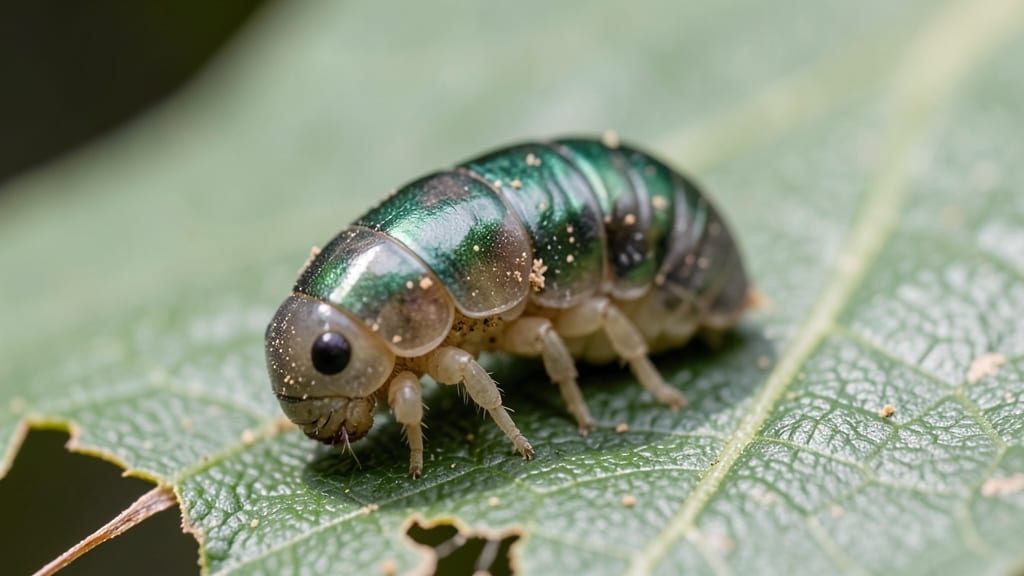
Eucalyptus leaf beetle larvae might sound like a nightmare, but they’re actually nature’s cleanup crew for your garden. 🌿 These striped, worm-like critters devour invasive eucalyptus leaves, giving your other plants a fighting chance—though they can still overstay their welcome if left unchecked.
You’ll spot their damage first: skeletonized leaves with jagged edges and tiny black frass (that’s beetle poop) scattered everywhere. The larvae themselves hide on the undersides of leaves, blending in like tiny camouflaged soldiers. The good news? They’re easy to manage once you know their habits.
With the right approach—like introducing ladybugs or neem oil sprays—you can keep their population in check without harming your garden’s balance. The key is acting fast when you see the first signs of chewed foliage.
This method works for any garden with eucalyptus trees, whether you’re dealing with a small infestation or just want to prevent one. Let’s turn those beetles into allies, not pests.
When Beetle Larvae Invade Gardens
Eucalyptus leaf beetle larvae may seem like unwelcome guests, but their presence in your garden isn’t random—it’s often the result of specific ecological and environmental triggers. Understanding why these larvae appear helps you manage them effectively while preserving the balance of your garden’s ecosystem. Here’s what’s really going on:
The primary reason eucalyptus leaf beetle larvae thrive in gardens is their specialized diet. These larvae are obligate feeders—they only survive by consuming eucalyptus leaves. Here’s why this matters:
- Chemical Cues: Eucalyptus trees release volatile organic compounds (VOCs) that act as attractants for adult beetles. These scents signal "food available," drawing females to lay eggs on the leaves.
- Leaf Chemistry: Eucalyptus leaves contain terpenes and tannins, which are toxic to many insects but perfectly safe for leaf beetle larvae. Their digestive systems are adapted to break these compounds down.
- Monoculture Gardens: If your yard is packed with eucalyptus trees or shrubs, you’re creating a larval buffet. Adult beetles will target these areas first, leading to rapid infestations.
Pro Tip: 🌱 Diversify your garden with non-eucalyptus plants to reduce beetle focus. Even a few native shrubs or flowering plants can disrupt their feeding patterns.
Temperature, humidity, and seasonal changes play a huge role in larval outbreaks. These beetles are highly sensitive to environmental shifts:
- Warm, Dry Seasons: Larvae develop faster in temperatures between 68–86°F (20–30°C). If your region experiences prolonged heatwaves, expect explosive growth in larval populations.
- Rainfall Patterns: Moderate rain boosts larval survival by keeping leaves hydrated and soft—easy snacking! However, excessive rain can wash away eggs, creating temporary lulls in infestations.
- Overwintering Success: Adult beetles lay eggs in late summer or fall, and larvae hibernate in leaf litter or bark crevices. If winters are mild, more larvae survive to re-emerge in spring, leading to bigger problems later.
Pro Tip: 🌡️ Monitor local weather forecasts—peak larval activity often follows unseasonably warm periods. Prune eucalyptus in early spring (before larvae hatch) to remove potential egg-laying sites.
Eucalyptus leaf beetle larvae are not the top of the food chain—they’re prey. When their natural predators vanish, their numbers skyrocket. Here’s what throws the balance:
| Natural Predator | Why They Decline | Impact on Larvae |
|---|---|---|
| 🐞 Parasitoid Wasps | Pesticide use (even "safe" sprays) or habitat loss | Larvae survive unchecked without wasp larvae burrowing into them. |
| 🦋 Ladybugs & Lacewings | Lack of alternative prey (e.g., aphids) or chemical pesticides | Adult beetles and larvae face less predation pressure. |
| 🐸 Frogs & Birds | Urbanization reduces hiding spots and food sources | Young larvae aren’t eaten, allowing populations to grow. |
Pro Tip: ✨ Encourage predators by:
- Adding a small pond for frogs and dragonflies.
- Avoiding broad-spectrum pesticides that harm beneficial insects.
- Planting native flowers to attract ladybugs and lacewings.
Sometimes, we accidentally create the perfect conditions for larval outbreaks. Common human mistakes include:
- Unchecked Planting: Buying multiple eucalyptus varieties without spacing them out gives beetles more hosts to colonize.
- Poor Sanitation: Leaving fallen leaves, pruned branches, or mulch near eucalyptus trees provides hiding spots for eggs and larvae.
- Over-Fertilization: Excess nitrogen makes leaves softer and more nutritious, speeding up larval growth. Think of it as fast food for beetles!
- Traveling Firewood/Plants: Accidentally transporting infested plant material can introduce beetles to new areas.
Pro Tip: 🚫 Break the cycle by:
- Removing all plant debris from under eucalyptus trees.
- Using slow-release, balanced fertilizers to avoid nitrogen spikes.
- Quarantining new plants for 2–4 weeks before adding them to your garden.
How to Manage Eucalyptus Leaf Beetle Larvae
Discovering eucalyptus leaf beetle larvae munching away on your prized trees can be frustrating, but don’t worry—there are effective, nature-friendly ways to keep them in check. Below, we’ve mapped out solutions tailored to the root causes of infestations, from manual removal to long-term prevention.
These methods are practical, easy to follow, and designed to protect your garden while supporting the ecosystem.
🔥 Handpick Larvae (Best for Small Infestations)
If you spot clusters of larvae, the simplest solution is to remove them manually. This is especially effective in early stages or for small trees.
- 👨🍳 When to do it: Early morning or late evening when larvae are sluggish and easier to spot.
- 🔪 How to do it:
- Wear gloves to avoid skin irritation from sap or larvae.
- Use a small brush or your fingers to gently scrape larvae into a bucket of soapy water (1 tbsp dish soap per gallon of water).
- Dispose of the bucket contents in a sealed bag or flush it down the toilet.
- ✨ Pro tip: Focus on the undersides of leaves and new growth where larvae hide. Check daily for a week to ensure you’ve removed all of them.
🍳 Prune Damaged Leaves (Quick Cleanup)
Severely chewed leaves won’t recover, and removing them reduces hiding spots for larvae.
- ⏰ When to do it: During active growth periods (spring or early summer) when new leaves are emerging.
- 🌿 How to do it:
- Use clean, sharp pruners to trim leaves with heavy damage (more than 50% chewed).
- Dispose of pruned leaves in a sealed bin or compost pile (if you don’t have a beetle infestation in your compost).
- Avoid pruning during peak beetle activity (late afternoon) to prevent attracting more adults.
- 💡 Pro tip: Prune in stages over a few days to avoid shocking the tree. Water the tree afterward to help it recover.
🐞 Encourage Natural Predators
The best long-term solution? Let the ecosystem balance itself. Many birds, parasitic wasps, and beneficial insects prey on eucalyptus leaf beetle larvae. Here’s how to invite them to your garden:
- 🐦 Attract birds:
- Install birdhouses or nest boxes for insect-eating species like bluebirds, robins, or chickadees.
- Add a shallow birdbath with fresh water to keep them around.
- 🐝 Support parasitic wasps:
- Plant native flowering plants like milkweed, yarrow, or dill to attract wasps that lay eggs in beetle larvae.
- Avoid pesticides, as they can harm these beneficial insects.
- 🦋 Add ladybugs or lacewings:
- Purchase and release ladybugs or lacewing larvae, which devour beetle eggs and young larvae.
- Release them in the evening when temperatures are cooler.
🌡️ Use Beneficial Nematodes (For Soil-Dwelling Larvae)
If larvae are burrowing into the soil or pupating underground, microscopic nematodes can help. These natural predators seek out and kill beetle larvae without harming plants or people.
- 💡 When to apply: Early morning or late evening on a cloudy day (nematodes are sensitive to UV light).
- 🌱 How to apply:
- Mix 1 lb of beneficial nematodes (like Steinernema carpocapsae) with 1 gallon of water.
- Water the soil around the tree’s drip line until it’s moist but not soggy.
- Apply the nematode solution slowly to the base of the tree, ensuring it penetrates the soil.
- ✨ Pro tip: Reapply every 4–6 weeks during active beetle seasons (spring and summer). Avoid applying when soil temperatures exceed 85°F.
🌱 Plant Resistant Varieties
Some eucalyptus species are less appealing to leaf beetles. Consider these options for your garden:
- 🌳 Eucalyptus pauciflora (Snow Gum) – Less palatable to beetles.
- 🌳 Eucalyptus urnigera (Tasmanian Blue Gum) – More resistant due to higher oil content.
- 🌱 Companion planting: Surround eucalyptus trees with herbs like rosemary, lavender, or mint, which may deter beetles.
🧼 Maintain Garden Hygiene
Reducing clutter and debris removes hiding spots for beetles and their eggs.
- 🗑️ Clear fallen leaves and mulch regularly, especially under trees.
- 🪴 Inspect new plants before adding them to your garden to avoid introducing beetles.
- 🌧️ Water in the morning to allow foliage to dry quickly, making it less attractive to laying females.
🛡️ Barrier Methods (For Young Trees)
If your eucalyptus is still young, physical barriers can protect it from adult beetles.
- 🧶 Tree collars: Wrap the trunk with fine mesh netting or aluminum foil to prevent adults from laying eggs.
- 🌿 Row covers: Use lightweight fabric over small trees during beetle flight seasons (spring to early summer).
By combining immediate action, biological controls, and preventive measures, you can keep eucalyptus leaf beetle larvae in check without resorting to harsh chemicals. Your garden—and the local wildlife—will thank you!
Frequently asked questions
What do eucalyptus leaf beetle larvae look like?
These larvae are striped, worm-like creatures about 1/2 to 3/4 inch long, with a yellowish-green body and black stripes running down their backs. They’re often found on the undersides of eucalyptus leaves, blending in with the foliage. Look for their telltale frass (black droppings) scattered on leaves as a key identifier.
Are eucalyptus leaf beetle larvae harmful to other plants?
No, they’re specialized feeders and only eat eucalyptus leaves. However, their presence can signal an imbalance in your garden’s ecosystem, especially if they’re overpopulating. While they won’t harm non-eucalyptus plants, their rapid reproduction can stress your trees if left unchecked.
How long does it take for eucalyptus leaf beetle larvae to mature?
Under ideal conditions (68–86°F or 20–30°C), larvae complete their life cycle in about 3–4 weeks. They hatch from eggs, grow through several stages, and pupate in the soil before emerging as adult beetles. Warm, dry weather speeds up this process, leading to faster infestations.
Can I use neem oil on eucalyptus leaf beetle larvae?
Yes, neem oil is an effective natural deterrent. Mix 1–2 tablespoons of neem oil with 1 quart of water and a few drops of dish soap, then spray it on the larvae and leaves. Reapply every 5–7 days during active infestations. It disrupts their feeding and growth but won’t kill them instantly.
What should I do if I find adult eucalyptus leaf beetles?
Adult beetles are black with yellow markings and lay eggs that hatch into larvae. Remove them by hand or use a vacuum with a fine mesh bag to suck them up. Focus on early morning or evening when they’re less active. Prevent future infestations by removing fallen leaves and debris where they might lay eggs.