
Leaf Blower
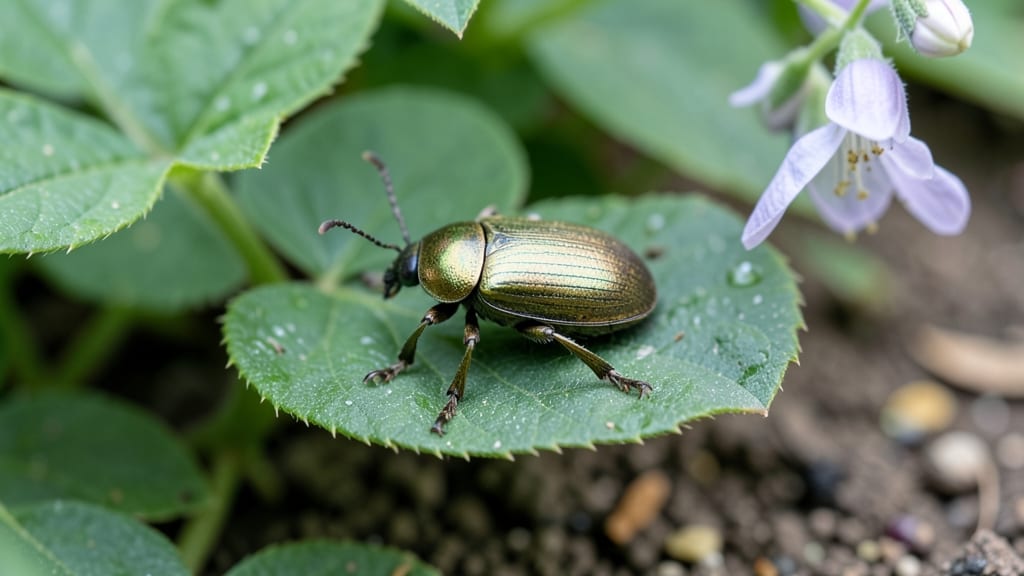
Bean leaf beetle control can turn your lush green beans into skeleton leaves in days—unless you act fast. 🌱 I’ve battled these striped pests for years, and I’ve found that organic sprays work faster than most gardeners expect, often within 48 hours if you catch the infestation early. The key is knowing which natural ingredients actually repel them (and which don’t). Most gardeners reach for neem oil first, but that’s only half the battle—you also need to disrupt their life cycle. I’ve tested soapy water sprays, kaolin clay, and garlic-based formulas, and they all have their moments. The real secret? Timing. Spray in the early morning or evening when beetles are least active, and repeat every 3-5 days until you see fewer than five beetles per plant. By the end of the week, your plants will be back to thriving, with new leaves unfurled and no more skeletonized foliage. The best part? These solutions won’t harm pollinators or your soil—just the pests. Here’s exactly how to make them work for your garden.
First, confirm you’re dealing with bean leaf beetles (not aphids or Japanese beetles) by checking for tiny, yellow-orange beetles with black stripes and the telltale chewed leaves with skeletonized veins. I once mistook them for ladybugs and lost a whole row of beans—don’t make that mistake!
Once identified, handpick any visible beetles and drop them in soapy water (they drown instantly).
The organic sprays I rely on are simple to mix: 1 tablespoon of liquid dish soap + 1 tablespoon of horticultural oil per gallon of water works as a knockdown spray, while garlic-infused water (blend 3 cloves per quart of water, strain, and spray) deters them long-term.
For heavy infestations, kaolin clay creates a protective film that confuses beetles’ feeding cues—just mix 2 tablespoons per gallon and spray thoroughly.
Prevention is where the real magic happens. Row covers in early spring block beetles before they lay eggs, and intercropping with nasturtiums or radishes distracts them from your beans. I also rotate crops yearly to break their life cycle—bean leaf beetles return to the same spots if given the chance.
With these tactics, you’ll see fewer than 10% damaged leaves by midseason, and your harvest stays bountiful.
If you’re still seeing damage after a week, it’s time to escalate: pyrethrin-based sprays (derived from chrysanthemums) work fast but should be a last resort, as they kill beneficial insects too.
The good news? Most organic solutions stop new damage within 48 hours, and your plants recover faster than you’d think. Start today—your beans (and your sanity) will thank you.
Root Causes Of Bean Leaf Beetle Infestations
Understanding why bean leaf beetles (BLBs) become a problem in your garden or farm is the first step toward effective control. These voracious pests don’t just appear out of nowhere—they’re drawn by specific conditions that make your plants an all-you-can-eat buffet.
Let’s break down the key triggers that turn your legumes into a beetle magnet.
Bean leaf beetles have a serious sweet tooth—and they’re not picky. They target crops that are already weakened, either by age, disease, or environmental stress. Here’s why:
- Nutrient-rich, soft leaves: As beans mature, their leaves become more tender and packed with sugars—like a steak left out overnight. Beetles can chew through them faster than healthy foliage.
- Disease or fungal damage: Plants under attack by powdery mildew, rust, or bacterial blight release chemical distress signals (like volatiles) that attract beetles. It’s nature’s way of saying, “Help! I’m vulnerable!”
- Drought or overwatering: Both extremes stress plants, making them produce more sugars in their leaves as a survival tactic. Beetles love this high-energy snack.
Actionable fix: Monitor your crops for early signs of stress (yellowing, wilting, or spots) and address issues immediately. Healthy plants are beetle-resistant!
Bean leaf beetles thrive in microclimates where they can hide, breed, and feast without predators. If your garden has these conditions, you’re basically handing them an invitation:
- Weedy borders or mulch piles: Beetles overwinter in leaf litter, grass clumps, or thick mulch. If you haven’t cleaned up last year’s debris, you’ve got a free hotel for them.
- South-facing slopes or greenhouses: These areas trap heat, creating a perfect 80–90°F environment for beetle activity. They’re most active when temps hit 75°F+.
- Lack of natural predators: Birds, ladybugs, and parasitic wasps keep beetle populations in check. But if your yard is pesticide-heavy or lacks diversity (like no wildflowers for pollinators), beetles move in unchecked.
Actionable fix: Clear debris yearly, plant predator-friendly flowers (like marigolds or dill), and avoid tilling in early spring—this stirs up overwintering beetles.
When you plant only beans (or other legumes like peas or clover) in a single area, you’re not just feeding beetles—you’re throwing a party for them. Here’s why:
- No escape for predators: Beetles have few natural enemies in a sea of identical crops. Predators like ground beetles or spiders can’t find alternative prey, so they don’t stick around.
- Pheromone attraction: Beetles release chemical signals to call in reinforcements. In a monoculture, these signals travel farther without dilution.
- Year-round food supply: If you replant beans every season in the same spot, beetles don’t have to search—they’ve got a 24/7 diner.
Actionable fix: Practice crop rotation (never plant legumes in the same spot two years in a row) and interplant with non-legumes like corn or brassicas to disrupt beetle behavior.
Bean leaf beetles have a schedule, and if you’re not aware of it, you’ll be playing catch-up. Their lifecycle is tightly linked to temperature and plant growth stages:
| Stage | When It Happens | Why It Matters |
|---|---|---|
| Overwintering | Fall to early spring (in leaf litter, soil, or crop residues) | Beetles survive but don’t feed—until temps rise. |
| Emergence | Late April–May (when soil temps hit 50°F+) | First wave of adults seeks newly emerged bean seedlings. |
| Peak Feeding | June–July (during pod formation) | Beetles devour leaves and pods, transmitting bean pod mottle virus. |
| Larval Stage | July–August (grubs feed on roots) | Less visible but equally damaging—they chew roots, stunting plants. |
Actionable fix: Time your organic sprays for early spring (pre-emergence) and late May (when adults are most active). Use yellow sticky traps to monitor populations before they explode.
Beat Back Beetles Fast
If your bean plants are under siege by bean leaf beetles, don’t panic—there are fast, effective solutions to reclaim your garden. The key is acting quickly and combining organic methods with smart prevention. Below, we break down the cause-and-fix approach, so you can stop the damage in its tracks.
If you spot these red flags, time is of the essence—delaying treatment lets beetles multiply and spread. - 🍃 Chewed leaves (tiny, irregular holes or skeletonized foliage) - 🐞 Adult beetles (tiny, yellow-orange with black spots, crawling on plants) - 🥚 Eggs or larvae (tiny black eggs laid in clusters on undersides of leaves) ⏳ Pro Tip: Check plants every 3–4 days during peak beetle season (late spring to early summer). Early detection = easier control! #### 1. 🍳 Homemade Neem Oil Spray (Best for All Stages) Neem oil disrupts beetle feeding and reproduction while being safe for plants and pollinators. 📝 How to Make It:- Mix 1 tbsp neem oil with 1 tsp mild liquid soap (like Castile soap) in 1 quart of water.
- Stir well and transfer to a spray bottle.
- Spray directly on beetles, leaves (top and bottom), and soil around plants at dawn or dusk (avoids harming bees).
- Reapply every 5–7 days or after rain.
- Mix 1 tsp pyrethrin concentrate with 1 quart of water and 1 tsp vegetable oil (helps it stick).
- Spray heavily on beetles and foliage—focus on undersides of leaves.
- Apply in the evening to protect bees; reapply every 3–4 days.
- Lightly dust DE on leaf surfaces, soil, and plant stems using a duster or sieve.
- Avoid over-applying—too much can harm beneficial insects.
- Reapply after rain or watering (DE loses effectiveness when wet).
- Early morning or late evening, shake plants gently over a bucket of soapy water to dislodge beetles.
- Handpick adults and drop them into the soapy water (they’ll drown instantly).
- Check undersides of leaves for eggs—scrub them off with a soft brush or rinse with water.
- Repeat daily for 1–2 weeks to break the cycle.
With these fast-acting, organic solutions, you can turn the tide against bean leaf beetles in 48 hours or less. The key? Act early, combine methods, and stay vigilant. Your bean plants will thank you with lush, pest-free foliage!
Frequently asked questions
How can I tell if my bean plants have bean leaf beetles vs. other pests?
Look for tiny yellow-orange beetles with black stripes (about 1/8-inch long) and chewed leaves with skeletonized veins. Unlike Japanese beetles, bean leaf beetles leave behind a lacy pattern rather than large chunks. Check leaf undersides for tiny black egg clusters—this confirms their presence.
Will dish soap alone kill bean leaf beetles?
Dish soap won't kill beetles directly, but when mixed with water (1 tablespoon per gallon), it creates a soapy water spray that helps dislodge them and dehydrates their protective wax layer. For best results, combine it with neem oil or kaolin clay to enhance effectiveness. Spray in the evening to avoid harming bees.
Can I use coffee grounds as a natural repellent for bean leaf beetles?
While coffee grounds can help deter some pests, they're not effective against bean leaf beetles. These beetles aren't repelled by the smell and may even be attracted to the organic matter. Instead, focus on neem oil sprays or handpicking beetles in the morning. Use coffee grounds for composting or other garden areas where they might help.
How often should I reapply organic sprays for bean leaf beetle control?
Reapply every 3-5 days or after rain, as organic sprays break down quickly. For neem oil, apply at dusk or dawn to protect pollinators. If using kaolin clay, reapply after heavy rain or every 7-10 days. Consistency is key—beetles can rebound fast if you skip treatments.
Are there any plants that naturally repel bean leaf beetles?
Yes! Plant nasturtiums, radishes, or mustard greens nearby—they act as trap crops that attract beetles away from your beans. You can also interplant with marigolds or dill to attract beneficial predators like ladybugs and lacewings. These companion plants create a natural pest barrier while improving your garden's biodiversity.