
Pests and Diseases
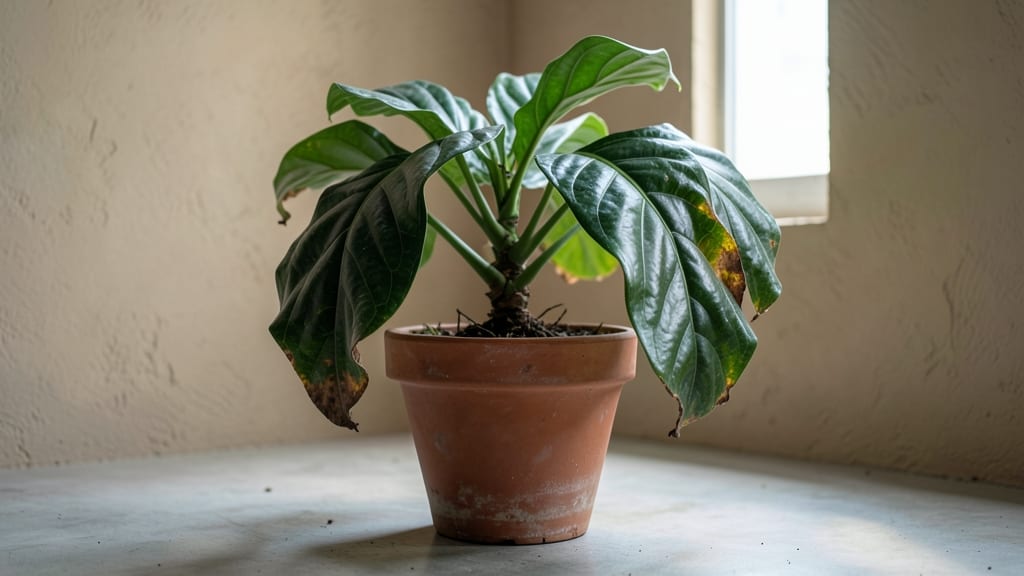
Your fiddle leaf fig’s crispy edges and drooping leaves scream one thing: it’s desperate for help. 💧 The good news? This water-weighting trick saved my own plant after three weeks of sad, wilted fronds—no fancy tools or expensive treatments required.
Most people overwater or underwater, but the real fix lies in how you deliver moisture to stressed roots.
Start by checking the soil: if it’s bone-dry two inches down, you’ve been underwatering; if it’s soggy, you’ve been overdoing it. Fiddle leaf figs hate both extremes.
The water-weighting method works by giving roots a temporary drink while you adjust their routine—simply place the pot in a shallow tray of water for 10-15 minutes, then let it drain completely. Repeat every 3-4 days until new growth appears.
Within 2-3 weeks, you’ll see those crispy edges soften and fronds perk back up. The key is consistency: keep humidity up with a pebble tray, move it to bright, indirect light, and avoid cold drafts. My plant now thrives year-round, and the trick works for other tropicals too.
This isn’t just a quick fix—it’s a reset. Once your fiddle leaf fig recovers, you’ll notice stronger stems, glossier leaves, and a plant that actually wants to grow. The best part? You’ll spot the early signs of stress before it gets this bad next time.
Root Causes Of Leaf Sag
Understanding why your fiddle leaf fig’s leaves droop starts with identifying the primary stressors disrupting its water and nutrient balance. Unlike wilting from thirst, drooping in these plants often signals deeper issues—some reversible, others requiring urgent care.
Below, we break down the science-backed triggers and what they mean for your plant’s health.
Fiddle leaf figs thrive in well-draining soil, but when roots sit in soggy conditions, they struggle to absorb oxygen—a process called hypoxia. Without oxygen, roots can’t efficiently transport water and nutrients to the leaves, causing them to droop as a survival response.
- Why it happens:
- Excessive watering (especially on a rigid schedule) prevents soil from drying between waterings.
- Poor drainage (e.g., compacted soil, lack of perlite/pumice) traps moisture at the root zone.
- Overpotted plants with no escape routes for excess water lead to anaerobic conditions, where harmful bacteria thrive and roots rot.
- Actionable sign: Check the soil—if it smells sour or feels mushy 2–3 inches down, roots are drowning.
Pro Tip: 🌡️ Use the finger test—insert your finger into the soil. If the top 2–3 inches are dry, it’s time to water. If damp, wait 1–2 more days.
Fiddle leaf figs are light-hungry, but too little (or too much) light disrupts photosynthesis—the process that fuels leaf turgor (firmness). Without enough energy, leaves can’t maintain their structure and start to sag.
- Why it happens:
- Low light: Leaves stretch toward light (etiolation) and weaken, as chlorophyll production slows. Drooping is often accompanied by pale, yellowing leaves.
- Harsh direct sun: While they tolerate bright indirect light, intense afternoon rays can scorch leaves, causing them to wilt as cells lose moisture rapidly.
- Seasonal shifts: Moving a plant from a sunny window to a dim corner (or vice versa) without acclimation shocks the plant.
- Actionable sign: Leaves facing the light source are droopy, while others remain upright.
Pro Tip: ✨ Rotate your plant quarter-turns weekly to ensure even light exposure. If natural light is insufficient, supplement with a grow light 6–12 inches away for 12–14 hours/day.
Fiddle leaf figs are tropical natives, meaning they detest drafts, cold snaps, and dry air. Sudden temperature drops or low humidity force leaves to transpire (lose water) faster than roots can replenish it, leading to droop.
- Why it happens:
- Cold drafts: AC vents, open windows, or doors near the plant cause thermal shock, slowing metabolic processes.
- Low humidity (<40%): Dry air increases evaporative stress, as leaves lose moisture through stomata (tiny pores) without enough atmospheric moisture to compensate.
- Extreme heat (>90°F): While they tolerate warmth, stagnant hot air (e.g., near radiators) can denature enzymes in leaves, halting photosynthesis.
- Actionable sign: Drooping is often symmetrical (all leaves affected) and paired with crispy edges.
Pro Tip: 💡 Place a humidifier nearby or group plants together to create a microclimate. Avoid placing them near heaters or air conditioning units—keep them 60–75°F with 40–60% humidity.
When roots outgrow their pot, they become root-bound, circling the container and competing for limited resources. This restricts water and nutrient uptake, causing leaves to droop as the plant “starves” from the inside out.
- Why it happens:
- Plants left in the same pot for 2+ years without repotting.
- Slow-growing roots due to compacted soil or lack of organic matter.
- Nutrient depletion in old soil, especially if fertilized inconsistently.
- Actionable sign: Roots growing out of drainage holes or a hard, crusty soil surface.
Pro Tip: 🔥 If repotting isn’t immediate, trim 10–20% of the roots (sterilized scissors) to encourage new growth. Then, fertilize with a balanced liquid fertilizer (10-10-10) diluted to half-strength.
Next up: How to diagnose which cause applies to your plant—and the water-weighting trick to revive crispy edges.
Reviving Your Leafy Friend
When your fiddle leaf fig starts looking more like a sad, wilted bouquet than a lush houseplant, it’s time to roll up your sleeves and get to work! The good news? Most drooping issues are reversible with the right care.
Below, we’ve broken down the most common causes of drooping and matched them with simple, actionable fixes—plus tips to keep your plant thriving long-term.
Signs: Yellowing leaves, mushy stems, soil that smells sour or moldy, and a plant that feels heavy (like a soggy sponge).
How to Fix It: 🔥 Step 1: Stop Watering Immediately Let the soil dry out completely before watering again. This might mean waiting 1–2 weeks, depending on humidity and temperature.
🍳 Step 2: Check the Roots Gently remove the plant from its pot and inspect the roots. Healthy roots are firm and white; rotted roots are brown, mushy, or smell bad. Trim away any mushy bits with sterilized scissors (dip in rubbing alcohol).
👨🍳 Step 3: Repot in Fresh Soil Use a well-draining potting mix (like a blend of peat, perlite, and orchid bark). Choose a pot with drainage holes—no exceptions!
🥘 Step 4: Adjust Your Watering Routine
- Water only when the top 2–3 inches of soil are dry (stick your finger in to test!).
- Bottom-water occasionally: Place the pot in a tray of water for 10–15 minutes, then drain excess.
- Avoid misting leaves—this can encourage fungal growth.
⏰ Step 5: Monitor for Recovery Your fig might look worse before it gets better as it sheds damaged leaves. Be patient! New growth should appear in 4–6 weeks.
💡 Prevention Tip: Use a moisture meter or the "knuckle test"—if the soil feels damp at the first knuckle, wait a few more days.
Signs: Crispy, brown edges, dry soil pulling away from the pot, and leaves that feel paper-thin or brittle.
How to Fix It: 🔥 Step 1: Give It a Deep Watering Soak the soil until water runs out the drainage holes. Don’t skimp! Fiddle leaf figs love a good drink when they’re dry.
🍳 Step 2: Increase Humidity (Fast!) These tropical plants hate dry air. Try:
- Placing the pot on a pebble tray with water.
- Using a humidifier nearby (40–50% humidity is ideal).
- Grouping plants together to create a mini rainforest.
👨🍳 Step 3: Trim Damaged Leaves Snip off any crispy or brown edges with clean scissors. This helps the plant focus energy on new growth.
🥘 Step 4: Adjust Your Watering Schedule
- Water every 1–2 weeks (adjust based on your home’s conditions).
- Check soil moisture regularly—don’t wait until the plant is begging for water.
✨ Pro Tip: If your home has low humidity (common in winter with heaters running), consider a leaf-shine spray (distilled water + a drop of dish soap) to mimic morning dew.
Signs: Drooping leaves that perk up briefly when moved, yellow patches, or leaves curling toward or away from a heat source.
How to Fix It: 🔥 Step 1: Find the Perfect Spot Fiddle leaf figs thrive in 65–75°F (18–24°C). Avoid:
- Drafty windows (AC vents, open windows in winter).
- Radiators or fireplaces (direct heat dries them out).
- Glass doors (temperature swings when opened).
🍳 Step 2: Rotate the Plant Weekly This ensures even light exposure and prevents lopsided growth. A sunny windowsill (indirect light) is ideal.
👨🍳 Step 3: Protect from Cold Drafts If your home gets chilly at night, move the plant away from external walls or doors.
🥘 Step 4: Use a Heat Mat (If Needed) In winter, a self-regulating heat mat under the pot can keep roots warm without overheating.
💡 Prevention Tip: If you love open windows in summer, move your plant at least 3 feet away from airflow.
Signs: Roots circling the bottom of the pot, soil drying out too fast, and leaves drooping even when watered.
How to Fix It: 🔥 Step 1: Choose the Right Pot Go 1–2 inches larger in diameter and ensure drainage holes are present. Terracotta pots help wick away excess moisture.
🍳 Step 2: Repot with Fresh Soil Use a light, airy potting mix (avoid heavy garden soil). Gently tease out circling roots and trim any that are tightly coiled.
👨🍳 Step 3: Water Lightly After Repotting Give it a light drink to settle the soil, then wait 5–7 days before watering again. This reduces transplant shock.
🥘 Step 4: Fertilize Gently Wait 4–6 weeks before fertilizing. Use a balanced liquid fertilizer (diluted to half strength) every 2–3 months in spring/summer.
✨ Pro Tip: If repotting isn’t an option, top-dress with fresh soil to give roots more space to grow.
Signs: Sticky residue on leaves, tiny bugs (spider mites, mealybugs, or scale), or leaves that look speckled or webbed.
How to Fix It: 🔥 Step 1: Isolate the Plant Move it away from other houseplants to prevent spreading.
🍳 Step 2: Wipe Down Leaves Use a soapy water solution (1 tsp mild dish soap per quart of water) and a soft cloth to remove pests.
👨🍳 Step 3: Treat with Neem Oil (Natural & Effective) Mix 1 tsp neem oil + 1 tsp mild soap + 1 quart water. Spray every 5–7 days until pests are gone.
🥘 Step 4: Encourage Beneficial Insects Release ladybugs or lacewings (available at garden centers) to eat the pests naturally.
💡 Prevention Tip: Quarantine new plants for 2–4 weeks before introducing them to your collection.
Once you’ve addressed the issue, keep an eye on your fiddle leaf fig with these quick checks:
- Leaves perking up? Good sign—keep watering consistently.
- New growth appearing? Even better! Your plant is on the mend.
- Still droopy? Re-evaluate light, water, or pests.
With a little TLC, your fiddle leaf fig will bounce back stronger than ever—and you’ll have a lush, happy green buddy to show off! 🌱✨
Frequently asked questions about reviving a drooping fiddle leaf fig
Why does my fiddle leaf fig droop even after watering?
Overwatering is often the culprit—soggy soil prevents roots from breathing, causing droop. Check if the soil smells sour or feels mushy 2-3 inches down. If so, stop watering immediately and let it dry completely before trying again. Root rot may also be developing if the stems feel soft or black.
How quickly should I expect to see improvement after fixing watering issues?
With proper care, you may notice leaves perking up within 24-48 hours of adjusting watering. However, full recovery—like new growth—typically takes 4-6 weeks. Be patient and avoid overcorrecting by watering too much once you see initial improvement.
Can I save a fiddle leaf fig with crispy edges and drooping?
Yes! The water-weighting trick works wonders—place the pot in a shallow tray of water for 10-15 minutes, then drain. Repeat every 3-4 days while increasing humidity with a pebble tray. Trim crispy edges to help the plant focus energy on recovery. Most plants bounce back within 2-3 weeks with this method.
Is it better to underwater or overwater a fiddle leaf fig?
Underwatering is less harmful than overwatering. Fiddle leaf figs prefer soil to dry out 1-2 inches deep between waterings. The key is consistency—water deeply but only when the topsoil is dry. Overwatering leads to root rot, while underwatering causes crispy edges and wilting.
What’s the best way to check if my fiddle leaf fig needs water?
Use the finger test: Stick your finger 2-3 inches deep into the soil. If it feels dry, it’s time to water. If damp, wait another 1-2 days. For extra accuracy, use a moisture meter—aim for 40-60% moisture in the root zone.