
Pests and Diseases
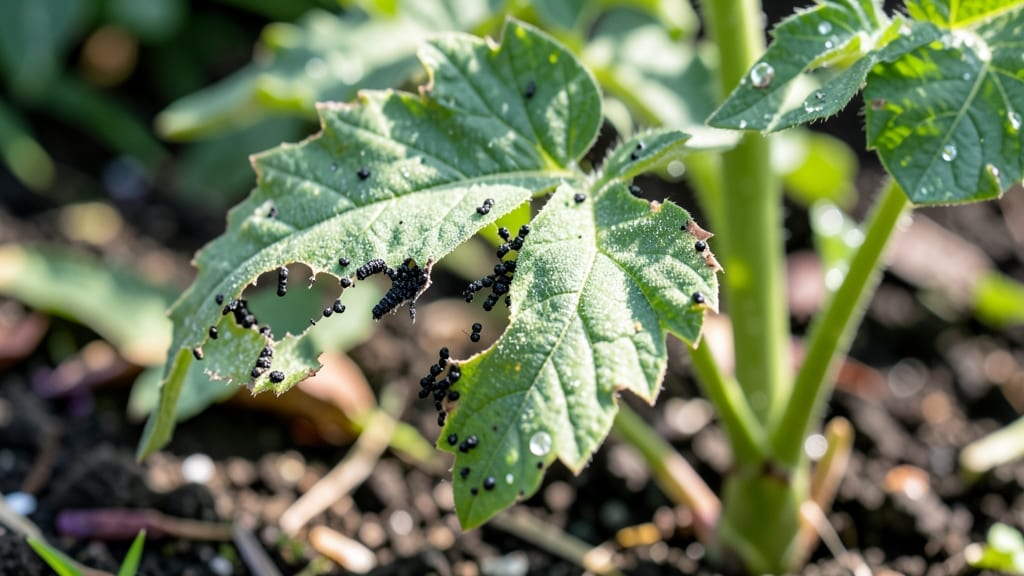
That first night I found my seedlings decimated overnight—cutworm leaf damage is the kind of silent sabotage that turns hopeful gardeners into frustrated ones. 🌱 The telltale signs are unmistakable: jagged stems, half-eaten leaves, and seedlings that vanish like they were never there.
These nocturnal pests strike fast, but with the right moves, you can stop them before they ruin your season.
Most damage happens at night when cutworms—pale, smooth-skinned caterpillars—climb up plants and start chewing. They target young seedlings, low-growing plants, and even established crops like tomatoes and peppers. The good news? You don’t need harsh chemicals to win this battle.
Simple fixes like collars around stems, row covers, or neem oil sprays can make all the difference without harming your garden’s ecosystem.
Within 24 hours of setting up physical barriers or applying organic treatments, you’ll see cutworms retreat. The key is acting fast—once they’ve moved in, they’re not going anywhere without intervention. Your plants will bounce back stronger, and you’ll sleep better knowing these midnight munchers won’t stand a chance.
This works for vegetables, flowers, and herbs alike, whether you’re growing in raised beds, containers, or the ground. Let’s get those pests under control before they take another bite!
The Hidden Triggers Behind Leaf Loss
Cutworms may seem like sneaky pests, but their leaf-munching habits are often the result of specific conditions in your garden. Understanding why these caterpillars target your plants is the first step to outsmarting them.
Below, we break down the key factors that turn your lush greenery into a buffet for these nocturnal nibblers.
Cutworms are most active under the cover of darkness—literally. Their name comes from their tendency to "cut" plants at ground level, but they’re also infamous for their nocturnal leaf damage. Here’s why:
- Predator Avoidance: By feeding after sunset, cutworms avoid birds, bats, and other daytime predators that would otherwise feast on them. Their pale, camouflaged bodies blend into soil or leaf litter, making them nearly invisible until it’s too late.
- Moisture and Temperature: Cutworms thrive in cool, humid nights (ideal for their survival) but struggle in dry or freezing conditions. If your garden stays damp after dark—whether from irrigation, dew, or rain—you’re essentially rolling out the welcome mat.
- Plant Stress Signals: Stressed plants (think wilting, nutrient-deficient, or recently transplanted) emit volatile organic compounds (VOCs) that attract cutworm moths. These chemical cues act like a dinner bell, luring adult moths to lay eggs near vulnerable foliage.
Pro Tip: 💡 Use a flashlight to inspect plants at dusk or dawn. Cutworms will often be curled up on leaves or near the soil—spotting them early means fewer surprises later.
Cutworms don’t discriminate—they’ll chow down on vegetables, flowers, and even ornamental plants. But why do they prefer certain gardens over others? The answer lies in plant density and diversity:
- Monoculture Havoc: Gardens planted with single crops in large blocks (e.g., a massive tomato patch) create a cutworm paradise. With endless food sources in one spot, moths lay eggs en masse, leading to explosive outbreaks. Diversity disrupts their feeding patterns.
- Young, Tender Leaves: Cutworms adore new growth because it’s soft, nutrient-rich, and easy to digest. Seedlings and recently pruned plants are prime targets—almost like a fast-food drive-thru for caterpillars.
- Weedy Edges: Gardens with uncontrolled weeds or grassy borders provide hiding spots for cutworm pupae and adult moths. These "highways" allow pests to migrate directly to your prized plants.
Actionable Fix: ✨ Interplant repellent crops like basil, mint, or marigolds near susceptible plants. Their strong scents mask plant stress signals, confusing cutworm moths.
Cutworms aren’t just picky eaters—they’re weather-dependent. Their life cycle (egg → larva → pupa → adult) is tightly linked to temperature and moisture. Here’s how your climate might be inviting them in:
| Condition | Why It Helps Cutworms | How to Counteract |
|---|---|---|
| Warm Days + Cool Nights | Ideal for egg hatching and larval growth. Moths lay eggs in soil when daytime temps hit 70–80°F, but larvae thrive in cooler nighttime temps (60–70°F). | Use row covers during egg-laying season (spring/fall) to block moths. |
| High Humidity | Moist soil helps eggs stay hydrated and speeds up larval development. Dew or overhead watering creates a cutworm spa. | Water deeply but infrequently (early morning) to reduce soil moisture at night. |
| Compacted or Rich Soil | Cutworms burrow into soft, organic-rich soil. Compacted soil can trap moisture, creating a larval hotspot. | Add coarse sand or perlite to improve drainage and reduce hiding spots. |
Warning Sign: 🌡️ If you notice chewed leaves with frass (caterpillar poop) at soil level after a warm, humid spell, cutworms are likely the culprits.
Cutworms aren’t just random leaf-eaters—they’re part of a highly efficient survival strategy. Their life cycle is designed to maximize damage while minimizing risks:
- Moths Time Egg-Laying: Adult cutworm moths (often mistaken for sphinx moths) lay eggs in late afternoon, ensuring larvae hatch at night. This timing avoids predators and maximizes feeding opportunities.
- Polyphagous Appetites: Cutworms belong to the Noctuidae family, which includes over 10,000 species. This means they’ve evolved to eat almost anything green, from corn to cabbage to your prized roses.
- Pupation in Soil: When larvae reach full size (about 1–2 inches long), they burrow into the soil to pupate. This underground phase can last weeks to months, making them hard to eradicate with surface treatments.
Key Insight: ⏳ Cutworm outbreaks often peak in late spring and early fall when moth populations surge. Stay vigilant during these windows!
Quick Fixes for Chewed Leaves
If your plants are showing signs of cutworm leaf damage, don’t panic—there are practical, effective ways to tackle this problem before it spreads. The key is to act fast and address the root cause (literally!).
Below, we’ve mapped out targeted solutions based on the most common triggers, from organic fixes to preventive measures that keep cutworms at bay.
If you’ve spotted ragged leaves, missing chunks, or tiny caterpillars hiding near the soil, the problem is likely active cutworms. Handpicking is the fastest way to stop the damage in its tracks.
How to do it:
- 🕵️♂️ Scout at dusk or dawn – Cutworms are most active when temperatures drop. Shine a flashlight near the base of plants to spot them.
- 🧤 Wear gloves – Some gardeners dislike touching worms, but this keeps your hands clean and ensures you don’t miss any.
- 🐛 Drop them in soapy water – Fill a bucket with soapy water (1 tbsp dish soap per gallon) and dispose of the worms immediately. This prevents them from crawling back into the soil.
- 🌱 Check mulch and debris – Cutworms love hiding under leaves, boards, or thick mulch. Flip over plant debris and remove any hiding pests.
💡 Pro Tip: If you have a large garden, repeat this process every 2–3 days until you no longer see cutworms. Consistency is key!
Preventing cutworms from reaching your plants is easier than you think. Physical barriers disrupt their climbing ability, especially for young seedlings.
DIY solutions:
- 📦 Collar method: Cut toilet paper rolls, cardboard tubes, or plastic collars (like those from soda bottles) into 2–3 inch rings. Place them around stems 1–2 inches deep in the soil. Cutworms can’t climb smooth surfaces!
- 🥬 Egg cartons: Poke holes in an egg carton, slide it over seedlings, and bury the bottom. The ridges make it hard for cutworms to chew through.
- 🌿 Diatomaceous earth (DE): Sprinkle food-grade DE around plant bases. It’s a natural, non-toxic powder that dehydrates cutworms on contact. Reapply after rain.
⚠️ Warning: Avoid inhaling DE—wear a mask when applying.
If handpicking isn’t enough, homemade sprays can discourage cutworms from sticking around. These are safe for plants and pets when used correctly.
1. 🥄 Garlic & Chili Pepper Spray
- Blend 3 garlic cloves + 1 tbsp cayenne pepper with 1 quart of water.
- Strain, add 1 tsp dish soap (as an emulsifier), and spray on leaves and soil.
- Reapply every 5–7 days or after rain.
2. 🌿 Neem Oil Solution
- Mix 1 tbsp neem oil + 1 tsp mild soap in 1 quart of water.
- Spray directly on cutworms and surrounding soil—neem disrupts their feeding and growth.
- Best used at dusk to avoid harming beneficial insects.
3. 🍋 Vinegar & Water (for soil treatment)
- Combine 1 gallon water + 1 cup white vinegar in a spray bottle.
- Lightly mist the base of plants and mulch (avoid spraying leaves directly).
- The strong smell repels cutworms without killing them outright.
💡 Pro Tip: Rotate sprays every few weeks to prevent cutworms from building resistance.
Sometimes, luring cutworms away from your prized plants is the best strategy. These low-effort traps work wonders.
1. 🍎 Apple or Potato Bait Trap
- Bury a halved apple or potato near infested areas (cut side down).
- Check daily—cutworms will crawl inside. Dispose of them in soapy water.
2. 🌙 Flashlight Trap (Nighttime Hunting)
- Turn off outdoor lights and shine a flashlight on the ground at night.
- Cutworms will crawl toward the light—pick them up and drop them in soapy water.
3. 🚫 Beer Trap (Yes, Really!)
- Bury a small container (like a tuna can) filled with beer near plants.
- Cutworms are attracted to the smell and drown inside. Refresh every few days.
The best defense? Stopping cutworms before they start. Implement these preventive habits to protect your garden season after season.
🌱 Garden Hygiene:
- 🧹 Clear debris regularly—cutworms hide in dead leaves and mulch.
- 🌿 Rotate crops to disrupt their life cycle (they thrive in monocultures).
- 🌞 Improve drainage—cutworms love soggy soil. Raised beds help.
🐛 Beneficial Predators:
- 🐝 Encourage birds, toads, and parasitic wasps—they eat cutworms naturally.
- 🌼 Plant companion flowers like marigolds or dill to attract predator insects.
🌙 Timing Matters:
- 🌅 Plant seeds deeper (¼ inch) to avoid shallow-cutting cutworms.
- 🌙 Use row covers early in the season to block egg-laying moths.
🎯 Final Checklist for Prevention: ✅ Inspect new plants before transplanting (cutworms can hitch a ride). ✅ Avoid over-fertilizing—rich soil attracts cutworm eggs. ✅ Mulch lightly—thick mulch gives cutworms a hiding spot.
🔥 Ready to reclaim your garden? Start with handpicking and barriers, then layer in sprays and traps for a cutworm-free season. With these steps, your plants will bounce back faster—and stay safe from future raids!
Frequently asked questions
How can I tell if cutworms are damaging my plants?
Look for jagged, notched stems or leaves that appear chewed at soil level—this is their signature damage. You might also spot tiny caterpillars (up to 2 inches long) curled up on leaves or hiding under mulch. Check at dusk or dawn when they’re most active.
Will cutworms kill my plants completely?
They rarely kill mature plants but can devastate seedlings and young transplants by severing stems at ground level. Established plants may survive with some leaf damage, but repeated attacks weaken growth. Act fast—once they move in, they’ll keep coming back night after night.
Are there chemical-free ways to stop cutworms?
Yes! Try neem oil, garlic-chili spray, or diatomaceous earth around plant bases. For physical barriers, use toilet paper collars or egg cartons around stems. These methods work within 24-48 hours and won’t harm your garden’s ecosystem.
Why do cutworms attack at night?
They’re nocturnal to avoid predators like birds and bats. Their pale, smooth bodies blend into soil during the day, but at night they climb up plants when it’s safe. This sneaky behavior is why you often wake up to find damage—it happened while you slept!
Can cutworms come back after I’ve treated my garden?
Absolutely—they’re persistent! New eggs are laid constantly during warm months. For long-term control, combine physical barriers (like collars) with regular inspections (every 2-3 days) and preventive planting (deeper seed placement, companion plants).