
Pests
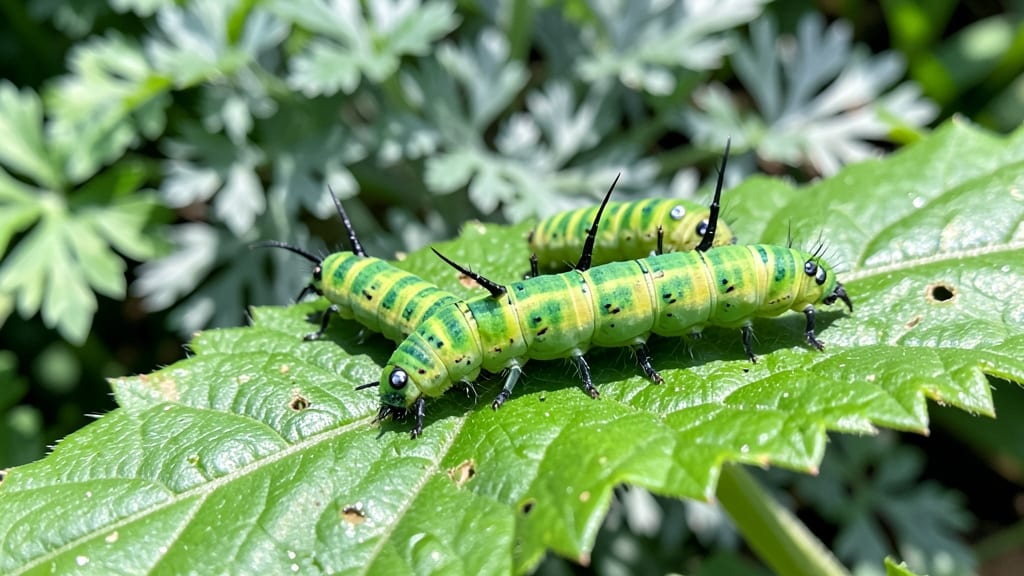
Caterpillars on a leaf mean instant trouble for your garden. 🌿 I've watched entire cabbage plants get skeletonized overnight—and I'm here to show you how to stop them before they ruin your harvest. The key is acting fast with a targeted spray that smothers them without harming your plants.
These hungry pests strike fast, especially on favorites like tomatoes, peppers, and brassicas. The damage isn't just cosmetic—it weakens plants, making them vulnerable to disease. But there's good news: horticultural oil spray works within hours, cutting their lifecycle short before they multiply.
You'll see results immediately—caterpillars drop off or stop feeding entirely after just one application. The spray also prevents future infestations by disrupting their development. Plus, it's safe for beneficial insects when used correctly.
Works for both vegetable gardens and ornamental plants, whether you're dealing with tomato hornworms or cabbage loopers. Let's get those leaves protected before the next generation hatches!
The Hidden Triggers Behind Leaf Munchers
Finding caterpillars feasting on your plants isn’t just an eyesore—it’s a sign your garden is calling for attention. These fuzzy or hairy larvae don’t just appear out of nowhere; they’re drawn by specific conditions that turn your leafy greens into an all-you-can-eat buffet.
Understanding why they show up is the first step to kicking them off for good. Let’s break down the real reasons these tiny troublemakers invade your foliage.
Caterpillars have a simple rule: the easier the meal, the better. When plants are stressed—whether from drought, overwatering, nutrient deficiencies, or poor soil health—their leaves become softer, more tender, and packed with nutrients that caterpillars can’t resist. Think of it like a fast-food joint for larvae.
- 💧 Water woes: Drought-stressed plants produce thicker, more nutrient-rich leaves, while overwatered roots create a damp, caterpillar-friendly environment.
- 🌿 Nutrient imbalances: Nitrogen-heavy soils make leaves lush and palatable, while deficiencies (like lack of potassium) weaken defenses, making plants easier targets.
- 🌞 Sunburn or shade shock: Plants struggling with light exposure (too much sun or too little) often produce stressed foliage that attracts pests.
💡 Pro Tip: Keep your plants healthy with consistent watering (1–2 inches per week, depending on climate), balanced fertilizers (avoid overdoing nitrogen), and proper pruning to reduce stress signals.
Caterpillars don’t just wander in—they’re often the offspring of moths or butterflies that strategically choose where to lay their eggs. Female moths are picky real estate agents, selecting plants based on:
- 🍃 Host plant preference: Many caterpillar species (like tomato hornworms or cabbage worms) have specific favorite plants. If your garden has their top picks—tomatoes, brassicas, or fruit trees—you’re basically serving up a welcome mat.
- 🌿 New growth zones: Young, tender leaves are caterpillar catnip. Moths target new shoots, flower buds, or recently pruned areas where leaves are most vulnerable.
- 🌙 Timing is everything: Many moths lay eggs at dusk or night, when predators (like birds or spiders) are less active. This gives caterpillars a head start on your plants.
🎯 Actionable Fix: Monitor high-risk plants (especially at night with a flashlight) and remove egg masses (tiny clusters or single eggs on undersides of leaves) before they hatch. A damp paper towel can gently scrape them off!
Caterpillars thrive in specific weather conditions, and their populations explode when the forecast aligns with their needs. Here’s what they love:
| Factor | Caterpillar’s Ideal Conditions | Why It Matters |
|---|---|---|
| 🌤️ Temperature | 60–85°F (15–29°C) | Warmer temps speed up growth and reproduction. Below 50°F (10°C), many species slow down or die. |
| ☔ Humidity | Moderate to high (50%+) | Moisture keeps eggs from drying out and softens leaves for easier munching. |
| 🌧️ Rainfall | Light to moderate (not flooding) | Washes away natural predators (like ladybugs) but also dilutes horticultural oils—so timing sprays before rain is key. |
⏰ Timing Matters: Caterpillars often hatch in spring or early summer, when days are warm and nights are cool—a perfect recipe for rapid growth. 💡 Pro Tip: Use weather forecasts to predict outbreaks. If moth activity spikes, treat plants preemptively with horticultural oil.
In a healthy ecosystem, caterpillars face a gauntlet of predators—birds, spiders, parasitic wasps, and even other insects. But when their natural enemies disappear, caterpillars take over like unchecked popcorn at a movie theater. Common reasons for predator shortages:
- 🏡 Urban sprawl: Pesticide use (even non-toxic ones) can kill beneficial insects like ladybugs or lacewings.
- 🌳 Monoculture gardens: Planting only one type of crop (e.g., a single row of tomatoes) attracts caterpillars but starves out predator diversity.
- 🐦 Habitat loss: Fewer shrubs, ponds, or wildflowers mean fewer birds and bats to hunt caterpillars.
🌿 Support the Ecosystem: Plant companion flowers (like dill, fennel, or marigolds) to attract predator insects. Avoid broad-spectrum pesticides—opt for targeted sprays (like horticultural oil) that spare beneficial bugs.
Now that you know why caterpillars crash your leafy parties, the next step is how to evict them—without harming your plants or the planet. Stay tuned!
Practical ways to remove leaf munchers
If you’ve spotted caterpillars feasting on your plants, don’t panic—there are effective, eco-friendly ways to evict these leaf-chewing intruders. Below are targeted solutions based on the root cause of your infestation, from manual removal to natural deterrents and preventive measures. Let’s get those plants back to their leafy glory!
If you’ve caught the problem early, a hands-on approach can work wonders.
👨🍳 Grab and Go
- When to use: Small infestations (under 10 caterpillars) or isolated outbreaks.
- How to do it:
- Put on gloves and inspect the leaves thoroughly—look under foliage and on stems.
- Use a pair of tweezers or your fingers to pluck caterpillars off the leaves. Drop them into a bucket of soapy water to ensure they don’t survive.
- Check nearby plants; caterpillars often travel in groups.
- Pro tip: 💡 Do this in the early morning or late evening when caterpillars are least active.
🍳 Egg Mass Hunt
- Caterpillars start as eggs, often laid in clusters on the underside of leaves.
- How to spot them: Look for small, round, or oval clusters (sometimes fuzzy or gelatinous).
- How to remove: Scrape them off with a soft brush or your fingernail and dispose of them in soapy water.
For larger infestations or when manual removal isn’t feasible, natural sprays can disrupt caterpillar life cycles without harming your plants (or the planet).
🌿 Horticultural Oil Spray (Your First Line of Defense)
- Why it works: Smothers caterpillars by coating their bodies, cutting off oxygen and disrupting their development. It’s also effective against eggs and pupae.
- How to apply:
- Choose a horticultural oil labeled for organic use (e.g., neem oil or refined petroleum-based oils).
- Mix 1–2 tablespoons of oil per quart of water, plus a few drops of dish soap (as a surfactant).
- Spray evenly on both sides of leaves, focusing on caterpillar hotspots. Reapply every 5–7 days until the infestation is gone.
- Best time to spray: Early morning or late afternoon to avoid burning leaves in direct sunlight.
- Pro tip: 🌡️ Apply when temperatures are above 50°F (10°C) but below 90°F (32°C) for maximum effectiveness.
🍎 Neem Oil + Chili Pepper Mix (Double-Threat Repellent)
- Why it works: Neem oil disrupts feeding and reproduction, while capsaicin (in chili peppers) acts as a natural deterrent.
- Recipe:
- 1 tablespoon neem oil
- 1 tablespoon cayenne pepper (or finely chopped chili)
- 1 teaspoon dish soap
- 1 quart of water
- How to use: Shake well and spray directly on caterpillars and leaves. Reapply after rain.
Introduce beneficial insects or microbes to create a natural balance in your garden.
🐛 Parasitic Wasps (The Silent Heroes)
- How they help: Tiny braconid wasps lay eggs inside caterpillars, which eventually kill the host. They’re harmless to humans and plants.
- How to attract them:
- Plant dill, fennel, or yarrow to lure them in.
- Avoid broad-spectrum pesticides, which can kill these natural allies.
- Pro tip: ✨ If you spot caterpillars with tiny white eggs or holes in their bodies, wasps are already at work—give them time!
🍄 Bacillus Thuringiensis (Bt): The Caterpillar Killer
- Why it works: A naturally occurring soil bacterium (Bt kurstaki) that targets caterpillars’ digestive systems. It’s safe for humans, pets, and beneficial insects.
- How to use:
- Mix 1 teaspoon of Bt powder per gallon of water.
- Spray directly on caterpillars and leaves (they must ingest it to work).
- Reapply every 7–10 days or after rain.
- Best for: Organic gardens, vegetable plants, and delicate flowers.
Once you’ve evicted the caterpillars, take steps to prevent future invasions.
🌿 Garden Hygiene
- Remove debris: Clear fallen leaves, plant waste, and weeds where caterpillars hide.
- Rotate crops: If you grow vegetables, rotate plant families yearly to disrupt caterpillar life cycles.
- Prune regularly: Trim overgrown branches to improve airflow and make it harder for caterpillars to hide.
🎯 Physical Barriers
- Row covers: Use floating row covers over young plants to block egg-laying moths.
- Netting: Protect prized plants with fine mesh netting if you know certain moths are active in your area.
💡 Early Detection
- Inspect weekly: Check the undersides of leaves and new growth for eggs or tiny caterpillars.
- Use yellow sticky traps: These can catch adult moths before they lay eggs.
Final Note: Consistency is key! Combine manual removal for immediate relief with natural sprays or biological controls for long-term results. With these strategies, your plants will bounce back—and stay caterpillar-free!
Frequently asked questions
Are all caterpillars harmful to my plants?
Not all caterpillars are pests! Some, like the swallowtail butterfly caterpillar, are harmless to plants and even help pollinate flowers. The harmful ones (like tomato hornworms or cabbage loopers) target specific plants—learn to identify the difference by checking leaf damage patterns and caterpillar markings.
How do I know if caterpillars will return next season?
Watch for moth activity in late summer—they lay eggs that overwinter. If you see adult moths near your plants or find egg clusters on leaves, take preventive action (like horticultural oil sprays) before new caterpillars emerge in spring.
Can I use vinegar spray to kill caterpillars?
Vinegar spray (1:1 vinegar-water mix) can kill caterpillars on contact, but it’s not ideal. It also harms beneficial insects and can damage plant leaves. For safer results, use horticultural oil or Bacillus thuringiensis (Bt) instead.
Why do caterpillars always hide on the undersides of leaves?
Caterpillars hide underneath leaves to avoid predators like birds and spiders. The undersides are cooler, damper, and harder for predators to spot. Always check leaf undersides during inspections—this is where eggs and young caterpillars often lurk!
Will my plants recover after caterpillar damage?
Most plants can recover if the damage isn’t severe. Remove affected leaves and caterpillars immediately. For heavy damage, trim back to healthy growth and fertilize lightly to help plants bounce back faster.