
How To
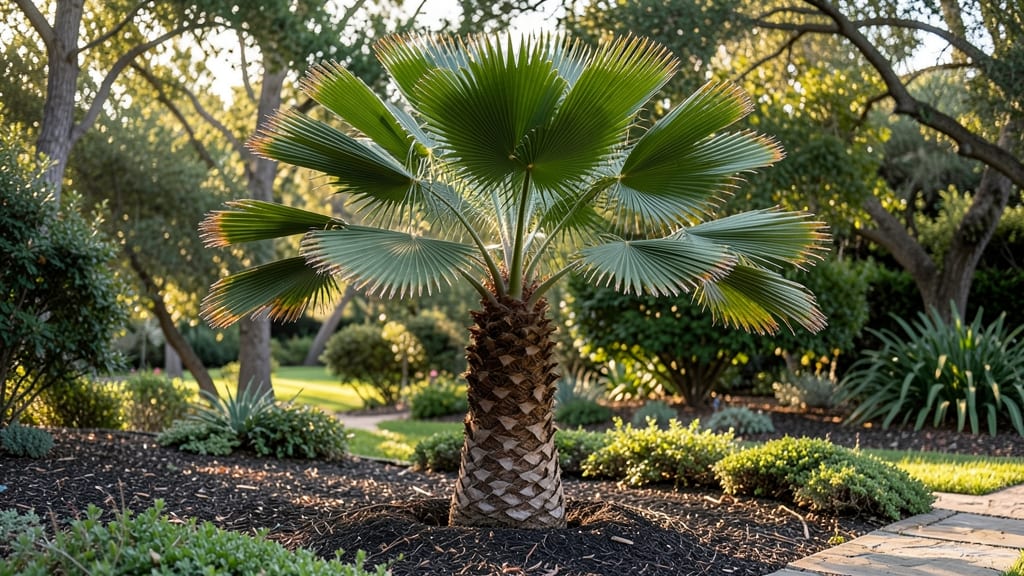
Your windmill palm’s brown leaf tips are screaming for attention—this is the fix. 🌿 The problem usually boils down to two things: watering gone wrong or a nutrient imbalance, and the good news is both are easy to correct once you know what to look for.
Start by checking the soil: stick your finger in 2 inches deep—if it’s bone-dry, you’ve been underwatering; if it’s soggy, you’re drowning the roots. Windmill palms hate both extremes and need consistent moisture, especially in hot months.
The brown tips on older fronds are often just the plant shedding damaged foliage, but new growth should stay crisp and green if you adjust now. Prune those crispy tips with clean, sharp shears and fertilize with a balanced palm feed every 6-8 weeks.
The goal is to encourage fresh, vibrant growth while giving the roots the right conditions to thrive. Within a month, you’ll see the difference—new fronds emerging strong and healthy. This works for both indoor and outdoor windmill palms, though outdoor plants may need extra attention during droughts or winter freezes.
Let’s get those leaves looking lush again!
Why it happens
When your Trachycarpus fortunei (windmill palm) starts showing brown leaf tips, it’s usually a cry for help from its roots—or a sign of environmental mismanagement. Understanding the why behind the browning is the first step to reviving your palm’s health.
Below, we break down the most common culprits, backed by science, so you can diagnose and fix the issue fast.
💧 Overwatering or Poor Drainage
Windmill palms are drought-tolerant natives of rocky, well-drained soils, meaning they hate soggy roots. When soil stays too wet—whether from overwatering, poor drainage, or compacted soil—roots suffocate, starving the fronds of oxygen and nutrients. This leads to oxidative stress, causing leaf tips to brown and crisp.
- Signs: Yellowing fronds, mushy brown roots, or a foul smell from the soil.
- Science: Excess water displaces oxygen in soil pores, triggering anaerobic conditions that produce toxic compounds like ethanol and acetaldehyde, damaging cell membranes.
- Fix:
- Check soil moisture by sticking your finger 2–3 inches deep—water only when dry.
- Amend heavy clay soil with perlite or coarse sand (20–30%) to improve aeration.
- Ensure pots have drainage holes and elevate them on saucers to prevent waterlogging.
☀️ Underwatering or Salt Buildup
While windmill palms tolerate dry spells, chronic underwatering leads to osmotic stress, where cells lose turgor pressure and tips dry out. But here’s the twist: tap water or fertilizers can also cause salt buildup in the root zone, further dehydrating the plant.
Over time, this creates a double whammy of physical drought and chemical toxicity.
- Signs: Crispy, papery brown edges; soil pulling away from pot sides; white crust on soil surface.
- Science: Excess salts (like sodium or chlorine) disrupt the plant’s ability to absorb water, mimicking drought symptoms. The leaf tips, being the oldest part of the frond, show damage first.
- Fix:
- Water deeply but infrequently—soak the root ball until water drains freely, then wait until the top 2 inches of soil are dry.
- Flush the soil monthly with reverse osmosis (RO) water or rainwater to leach out salts.
- Use a palm-specific fertilizer (low in sodium, high in potassium) and dilute to half-strength.
❄️ Cold Stress or Temperature Shock
Windmill palms are cold-hardy (USDA Zones 7–11), but sudden drops below 20°F (-7°C) or prolonged exposure to 30–40°F (1–4°C) can trigger cold damage. The tips brown because ice crystals form in the cells, rupturing membranes and blocking nutrient flow.
Even drafty indoor spots near AC vents or heaters can cause similar stress.
- Signs: Brown tips with a glossy, wet look (from cell rupture); new fronds emerging stunted or yellow.
- Science: Cold stress activates lipid peroxidation, where cell membranes break down, and reactive oxygen species (ROS) accumulate, leading to tissue necrosis.
- Fix:
- Move potted palms indoors before temps drop below 40°F (4°C).
- In cold climates, mulch the base with straw or bark to insulate roots.
- Avoid placing palms near temperature-fluctuating sources (e.g., heaters, AC vents).
🌡️ Nutrient Deficiencies or Toxicities
Brown tips can also signal mineral imbalances. Windmill palms need potassium (K), magnesium (Mg), and iron (Fe) to maintain cell integrity. A deficiency in these nutrients weakens the leaf structure, while excessive fertilizer (especially nitrogen or chlorine) burns the tips.
| Deficiency/Toxicity | Visual Clues | Scientific Cause | Solution |
|---|---|---|---|
| Potassium (K) Deficiency | Brown, scorched tips; weak stems | K regulates osmotic balance and enzyme activity. Without it, cells lose water and proteins denature. | Apply potassium sulfate (0.5 tsp/gallon) or use a balanced palm fertilizer (e.g., 8-2-12). |
| Magnesium (Mg) Deficiency | Brown tips with interveinal yellowing (between veins) | Mg is central to chlorophyll and photosynthesis. Lack of it disrupts energy production. | Spray leaves with Epsom salt solution (1 tbsp/gallon) monthly or add dolomitic lime to soil. |
| Iron (Fe) Chlorosis | Yellow fronds with brown tips; pale new growth | Fe is essential for electron transport in photosynthesis. High pH or compacted soil locks it out. | Use chelated iron (e.g., Ironite) or lower soil pH with elemental sulfur. |
| Fertilizer Burn | Brown, crispy tips with yellow halos around edges | Excess salts or ammonium nitrogen disrupt root membrane function, causing cellular dehydration. | Flush soil with water and reduce fertilizer frequency to every 6–8 weeks. |
🐞 Pest or Pathogen Damage
While less common, spider mites, scale insects, or fungal infections can weaken fronds, leading to brown tips. Pests pierce cells to feed, while pathogens like Phytophthora clog xylem vessels, blocking water transport.
- Signs:
- Pests: Sticky residue (honeydew), tiny webs, or black sooty mold on fronds.
- Fungal: Soft, mushy stems; brown lesions with white mold.
- Science:
Revive Your Windmill Palm Now
Seeing brown leaf tips on your windmill palm can be frustrating, but the good news is that most issues are fixable with the right care. Below, we’ve mapped out practical solutions based on the most common causes—from overwatering to nutrient deficiencies—so you can bring your palm back to life quickly.
Follow these steps, and your windmill palm will be thriving in no time!
If your palm’s roots are sitting in soggy soil, they can’t absorb oxygen, leading to brown, crispy leaf tips. Here’s how to correct it:
- 🔥 Stop Watering Immediately Let the top 2–3 inches of soil dry out completely before watering again. Stick your finger in the soil—if it’s damp past your first knuckle, wait another day.
- 👨🍳 Improve Drainage Amend the soil with perlite, pumice, or coarse sand (20–30% of the mix) to help water drain faster. If your pot lacks drainage holes, repot your palm into one with holes or elevate the pot on a saucer with pebbles.
- ⏰ Adjust Your Watering Schedule Windmill palms prefer deep but infrequent watering. In warm months, water every 7–10 days; in cooler months, reduce to every 2–3 weeks. Always water at the base, not over the fronds.
- 🌡️ Prevent Future Issues
- Use a well-draining potting mix designed for palms or tropical plants.
- Avoid saucers that trap excess water—empty them after watering.
- If your palm is in the ground, consider raising the soil level slightly to improve aeration.
Brown, brittle tips can also signal thirst or dry air, especially in arid climates or indoors with heating/AC. Here’s how to hydrate your palm properly:
- 🍳 Water Deeply and Thoroughly When you water, soak the soil until water runs out the drainage holes. This encourages roots to grow deeper. Check moisture levels before watering—if the soil is bone-dry past 2 inches, it’s time.
- 🌿 Boost Humidity Around Your Palm Windmill palms love 50–70% humidity. Try these tricks:
- Mist the fronds 2–3 times a week (especially in dry climates).
- Place a humidifier nearby or group plants together.
- Set the pot on a pebble tray filled with water (ensure the pot isn’t sitting in water).
- 🎯 Prevent Dehydration
- Move indoor palms away from heat vents or direct AC airflow.
- In outdoor settings, mulch around the base with bark or straw to retain moisture.
- Water early in the morning to reduce evaporation.
Yellowing or brown tips can signal a lack of key nutrients. Windmill palms need balanced fertilization to stay lush. Here’s how to feed them right:
- 📊 Use a Palm-Specific Fertilizer Switch to a slow-release palm fertilizer (look for NPK ratios like 8-2-12 or 6-3-6). Apply every 6–8 weeks during the growing season (spring–fall).
- 💪 Flush the Soil Annually Over time, salts and minerals build up in the soil, burning roots. Flush the soil by watering until water runs out the bottom for 10–15 minutes. Repeat 2–3 times a year.
- 🥗 Spot-Treat with Epsom Salt (Magnesium Boost) If tips are yellow with brown edges, your palm may need magnesium. Mix 1 tbsp Epsom salt per gallon of water and apply as a soil drench monthly until new growth appears.
- ✨ Prevent Nutrient Burn
- Never fertilize a thirsty plant—always water first.
- Avoid high-nitrogen fertilizers (like lawn fertilizers), which can cause tip burn.
- Test your soil once a year with a simple kit to check pH (ideal: 5.5–6.5).
While pruning won’t fix the root cause, removing dead or dying fronds helps your palm redirect energy to healthy growth. Do it right to avoid stressing the plant:
- 🔪 Use Clean, Sharp Tools Sterilize pruning shears with rubbing alcohol to prevent disease. Cut just above the leaf base where the frond meets the trunk—never leave stubs.
- 🌱 Focus on Severely Damaged Leaves Remove fronds that are:
- More than 50% brown or crispy.
- Hanging limp or blackened (signs of rot or disease).
Leave healthy fronds alone—they’re photosynthesizing and feeding the palm!
- 🌡️ Time It Right Prune in early spring (before new growth) or after a heavy watering session to reduce stress. Avoid pruning during extreme heat or drought.
- 💡 Pro Tip for Large Palms If your windmill palm is tall, wear gloves—some fronds have sharp spines! Use a pruning saw for thick stems if needed.
With these fixes, your windmill palm should show new green growth within 4–8 weeks. Monitor its progress, and don’t hesitate to adjust care as needed. A happy palm is a thriving palm—so give it the love it deserves!
Frequently asked questions
Why do older fronds brown first on my windmill palm?
Windmill palms naturally shed older fronds as part of their growth cycle. The brown tips you see on mature leaves are simply the plant's way of recycling nutrients back to new growth. Focus on the newest fronds—if they're staying green and healthy, your palm is likely just following its natural pattern.
Can I save my windmill palm if the brown tips have spread to half the frond?
Yes, but act fast! If only half the frond is affected, prune just the damaged portion (cut cleanly at the base) and adjust care immediately. The key is stopping whatever's causing stress—whether it's overwatering, underwatering, or salt buildup. With proper hydration and nutrient balance, new fronds should emerge within 6-8 weeks.
How do I tell if my windmill palm needs more water or less?
Stick your finger 2 inches into the soil—if it's bone-dry, you're underwatering. If it's still damp past your first knuckle, you're overwatering. For windmill palms, the soil should be lightly moist but never soggy. In winter, reduce watering to every 3-4 weeks, as growth slows dramatically.
Will Epsom salt help if my palm's tips are brown and yellow?
Possibly! The yellowing with brown tips often indicates a magnesium deficiency. Mix 1 tablespoon of Epsom salt per gallon of water and apply as a soil drench monthly. For best results, combine this with a balanced palm fertilizer (like 8-2-12) every 6-8 weeks during growing season.
Can cold drafts cause brown tips even if temperatures stay above freezing?
While windmill palms tolerate temps down to 20°F (-7°C), sudden temperature swings or cold drafts (like from AC vents or open windows) can stress the plant. Move your palm away from drafty areas and avoid placing it near heating/cooling sources. Consistent temperatures between 65-85°F work best for indoor palms.