
Pests and Diseases
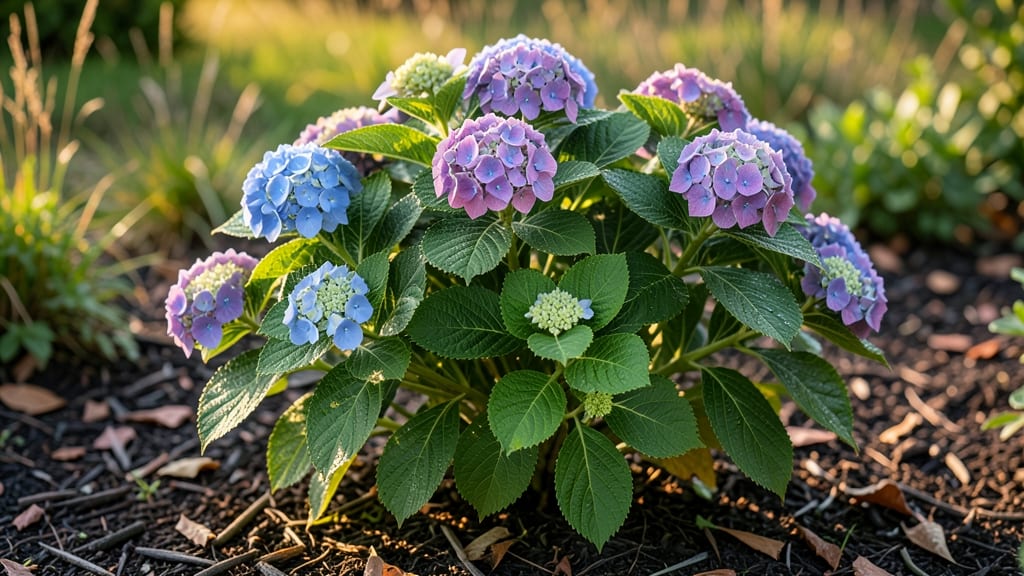
Your broad leaf hydrangea's brown edges aren't a death sentence—just a pH imbalance begging for attention. 💚 I've nursed back more than my share of sad-looking hydrangeas, and the secret always comes down to soil chemistry, watering consistency, and a little strategic pruning.
The first step is testing your soil pH—hydrangeas flip colors based on acidity, but brown edges mean the roots are stressed, not just changing hues.
Aim for 5.2-6.0 for blue blooms or 6.0-7.0 for pink, but first fix the damage with 2 inches of mulch and deep weekly watering during dry spells. Most gardeners overwater or underwater, both of which trigger those ugly brown tips.
Within 4-6 weeks of proper care, you'll see fresh green leaves pushing out where the brown was, followed by bold, vibrant blooms that last all summer. The key is patience—hydrangeas reward consistency more than any other shrub I've grown.
Works for all varieties from 'Endless Summer' to 'Nikko Blue', and the same principles apply whether you're in a sunny border or dappled shade. Let's bring those blooms back to life!
📚 In This Guide
- What you need
- Instructions
- Tips and common mistakes
- Wrapping up and next steps
What you need
- ● pH Test Kit: Digital or liquid test strips (e.g., Luster Leaf or LaMotte for accuracy).
- ● Aluminum Sulfate or Hydrangea Flower Food: 1–2 lbs (0.45–0.9 kg) per 10 sq ft of soil (check label for exact ratios).
- ● Lime (Calcium Carbonate): 1–2 lbs (0.45–0.9 kg) per 10 sq ft if soil is too acidic (pH < 5.5).
- ● Well-Draining Soil Mix: 50% native soil + 50% peat moss or compost (avoid clay-heavy soils).
- ● Pruning Shears: Sharp, sterilized shears (e.g., Fiskars or Felco) for trimming dead/brown edges.
- ● Watering Can or Hose with Adjustable Nozzle: For deep, even hydration (avoid overhead spraying).
- ○ Gloves & Safety Goggles: Optional but recommended for handling soil amendments.
- ● Mulch: 2–3 inches of pine bark or wood chips to retain moisture and regulate pH.
- ● Organic Fertilizer: Balanced 10-10-10 or fish emulsion (apply in early spring).
- ● Soil Moisture Meter: To monitor hydration levels (especially in hot climates).
- ● Fungicide (Preventative): Copper-based spray if brown edges are suspected to be fungal (e.g., Neem Oil).
Step-by-Step guide to revitalizing broadleaf hydrangeas
Here's how I nurse struggling hydrangeas back to vibrant health—no guesswork, just science-backed care.
🌿 Step 1: Diagnose the Brown Edges
Brown edges on broadleaf hydrangeas usually mean one of two things: chlorosis (iron deficiency) or overly alkaline soil. Run your finger over the leaves—if they feel crispy along the edges but the center stays green, it's a pH issue. If the entire leaf yellows first, then browns, it's iron deficiency.
Check soil pH with a test kit (available at garden centers). Broadleaf hydrangeas thrive in 5.2-6.0 pH. If your soil tests higher than 6.5, that's your culprit. I've seen hydrangeas go from ragged to lush in just 3 weeks once the soil chemistry was right.
💧 Step 2: Adjust Soil pH Gradually
For alkaline soil, work in 2-4 pounds of elemental sulfur per 100 square feet in the top 6 inches of soil. Mix it in thoroughly—don't just sprinkle it on top. Water the area deeply after applying. This lowers pH by about 1 point over 2-3 months, giving you time to monitor progress.
For iron deficiency, use a chelated iron supplement (like iron sulfate) following package rates. Apply it when soil is moist but not soggy. You'll see new growth in 7-10 days if the iron reaches the roots. Avoid foliar sprays—they wash off too easily.
☀️ Step 3: Optimize Light and Water
Broadleaf hydrangeas need morning sun and afternoon shade in hot climates. If your plant sits in full sun all day, the edges will crisp from heat stress. Move it to a location with 4-6 hours of morning sunlight and dappled shade after 10 AM.
Water deeply once a week during dry spells, aiming for 1-1.5 inches of water per week. Let the top 2 inches of soil dry between waterings—hydrangeas hate soggy roots but also can't tolerate drought. You'll know you're doing it right when the soil feels like a wrung-out sponge.
✂️ Step 4: Prune Strategically in Late Winter
Wait until late February or early March to prune—after the worst cold snaps but before new growth starts. Cut back last year's stems to 6-8 inches above the ground. This encourages fuller, bushier growth and prevents the plant from putting energy into old, weak stems.
Remove any dead or diseased stems completely. If you see stems with brown, mushy spots, sterilize your pruners with rubbing alcohol between cuts to prevent spreading disease. You'll notice fresh, green growth emerging from the base within 4-6 weeks.
🌱 Step 5: Feed with the Right Fertilizer
Use a balanced, slow-release fertilizer (10-10-10 or 20-20-20) in early spring. Apply it when new growth appears—usually 2-3 weeks after pruning. Follow package rates, but halve the amount if your soil is already rich in organic matter.
For extra insurance, mix in 2-3 inches of compost around the base of the plant. This improves soil structure and provides micronutrients. Water the area well after feeding to help nutrients reach the roots. You'll see stronger stems and brighter blooms by midsummer.
Tips & tricks for revitalizing broadleaf hydrangeas
Here's what nobody tells you about bringing hydrangeas back from the brink—these are the details that make all the difference.
Diagnosis Accuracy: When checking leaf edges in Step 1, pay attention to the pattern: crispy edges with green centers indicate pH issues, while uniform yellowing suggests iron deficiency. I've seen gardeners waste weeks treating the wrong problem—always test soil pH (5.2-6.0 is ideal) before jumping to conclusions. This simple test saves time and money.
pH Adjustment Strategy: In Step 2, don't rush the elemental sulfur application. The 2-3 month timeline for pH adjustment is crucial—it gives sulfur time to fully integrate into the soil profile. I recommend splitting the 2-4 pounds into two applications, 6 weeks apart, for more predictable results. Watering deeply after application helps distribute the sulfur evenly.
Light Optimization: For Step 3's light requirements, morning sun is non-negotiable—those 4-6 hours provide the energy needed for photosynthesis. Afternoon shade prevents heat stress that causes those crispy edges. If your yard lacks natural shade, consider using shade cloth (30-50% coverage) during peak afternoon hours. I've revived multiple hydrangeas by simply moving them to a more strategic location.
Pruning Precision: When pruning in Step 4, always cut at a 45-degree angle just above a leaf node. This encourages new growth from the exact spot where you made your cut. I sterilize my pruners between cuts with rubbing alcohol—this small step prevents spreading disease that could set back your plant's recovery by weeks. The 6-8 inch height recommendation gives the plant enough energy reserves to produce strong new stems.
Pro Tips for Broad Leaf Hydrangea
- Here's what nobody tells you about bringing hydrangeas back from the brink—these are the details that make all the difference.
- Diagnosis Accuracy: When checking leaf edges in Step 1, pay attention to the pattern: crispy edges with green centers indicate pH issues, while uniform yellowing suggests iron deficiency.
- pH Adjustment Strategy: In Step 2, don't rush the elemental sulfur application.
Frequently asked questions
Got questions about your broadleaf hydrangeas? You’re not alone—these stunning shrubs can be a little finicky! Here are some of the most common concerns and quick fixes to keep your hydrangeas thriving.
Why are the edges of my broadleaf hydrangea leaves turning brown?
Brown edges are often a sign of chlorosis (iron deficiency) or high soil pH. Test your soil—hydrangeas love acidic soil (pH 5.5–6.2). Amend with sulfur or peat moss if needed. Overwatering or underwatering can also cause stress—aim for 1–1.5 inches of water weekly.
When is the best time to prune broadleaf hydrangeas?
Prune right after flowering (late summer/early fall) or early spring before buds swell. Avoid heavy pruning in late spring—you’ll cut off next year’s blooms! Use clean, sharp shears and remove 1/3 of the oldest stems to encourage new growth. Never prune in winter—it stresses the plant.
Can I grow broadleaf hydrangeas in containers? If so, what’s the best soil mix?
Containers are great for hydrangeas, but drainage is key. Use a well-draining potting mix with peat moss, perlite, and compost (ratio: 3:1:1). Add hydrangea-specific fertilizer in spring and monitor moisture—containers dry out fast! Choose a pot at least 12–15 inches wide.
What pests or diseases should I watch for, and how do I treat them?
Common issues include:
- Powdery mildew (white dust on leaves): Spray with neem oil or fungicide and improve airflow.
- Aphids/spider mites (tiny bugs, sticky residue): Blast off with water or use insecticidal soap.
- Leaf spot (brown spots): Remove infected leaves and apply copper fungicide.
How do I change my hydrangea flower color (blue to pink or vice versa)?
Flower color depends on soil pH and aluminum availability:
- Blue flowers: Acidic soil (pH 5.2–5.5). Add sulfur or aluminum sulfate.
- Pink flowers: Neutral soil (pH 6.0–7.0). Use lime or wood ash.
Wrapping up and next steps
Your broad leaf hydrangea is capable of stunning blooms and lush foliage—with the right care! By mastering pH-balanced soil, proper hydration, and seasonal maintenance, you can transform those unsightly brown edges into vibrant, healthy growth. 🌿✨
Ready to give your hydrangea the love it deserves? Start by testing your soil’s pH this weekend and adjust as needed. Small changes today lead to big rewards tomorrow!