
Pruning
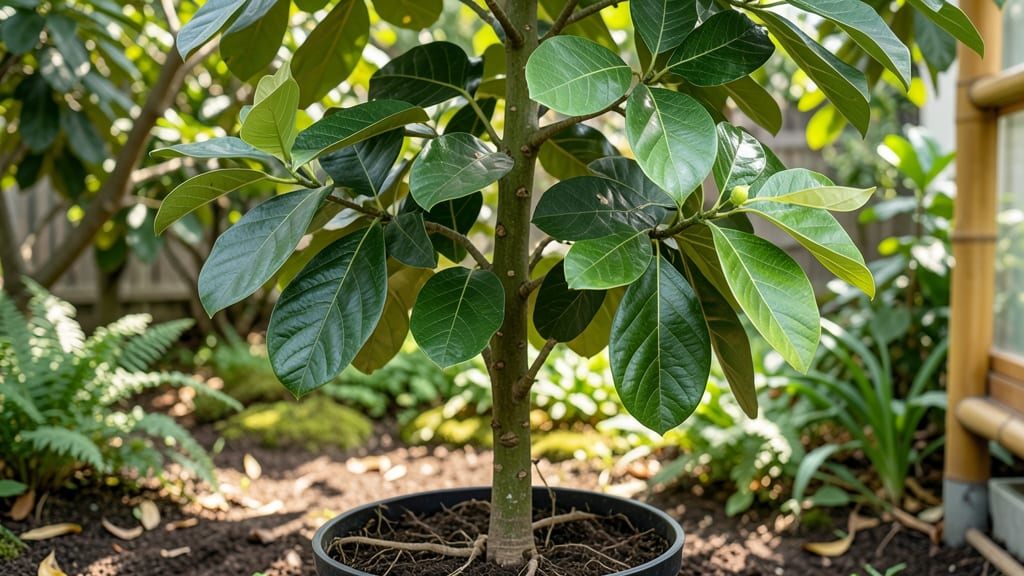
Your avocado tree leaf identification is the first clue to its health—and the key to saving it before problems spread. 🌿 A single yellow spot or curled edge could mean the difference between a thriving tree and one struggling with mites, fungal spots, or nutrient deficiencies.
I’ve spent years studying these early warning signs, and I’ll show you exactly how to decode them before they become serious problems.
The first step is comparing your leaves to healthy ones: glossy dark green, leathery texture, and smooth edges. When you spot deviations—like brown speckles (fungal disease), webbing (mites), or yellowing between veins (nutrient issues)—you’ll know exactly what’s wrong.
Most problems start small, so catching them early means saving your tree with simple fixes like pruning, neem oil sprays, or adjusted watering.
You’ll learn to spot the subtle differences that make all the difference: aphid clusters, rust-colored patches, or the telltale signs of root rot creeping up the stems. Each issue has a targeted solution, and I’ll walk you through them step by step—no guesswork, just clear action.
Whether you’re a first-time avocado grower or a seasoned gardener, this guide gives you the confidence to act fast. The key is acting before the leaves start falling, and I’ll show you how to keep your tree lush and productive all year.
Underlying Causes Of Leaf Issues
Avocado tree leaves are like tiny canvases that paint a picture of your tree’s health—when those strokes turn fuzzy, spotted, or yellow, it’s time to decode the message. Understanding why these changes happen is the first step to restoring your tree’s vitality.
Below, we break down the real culprits behind leaf abnormalities, from environmental stressors to hidden pests, with actionable science-backed explanations.
Avocado trees thrive in USDA Hardiness Zones 9-11, meaning they’re sensitive to temperature swings and improper watering. When conditions stray from their ideal range, leaves react with visible distress.
- Extreme Heat or Sunburn 🔥 Avocado leaves can develop bleached or crispy patches (similar to sunburn on human skin) when exposed to direct midday sun without acclimation.
This happens because the cuticle layer (a waxy protective film) struggles to shield cells from UV radiation and transpiration stress. Actionable fix: Gradually introduce trees to full sun (a process called hardening off) and provide afternoon shade during peak summer months.
- Cold Damage or Frost Even a light frost can cause blackened, water-soaked leaf edges or purple discoloration (a sign of cold-induced chlorophyll breakdown).
Avocados are not frost-tolerant, and temperatures below 28°F (-2°C) can trigger cell membrane rupture, killing tissue. Actionable fix: Use frost cloths or row covers in winter, and avoid planting in low-lying areas where cold air pools.
- Overwatering or Poor Drainage Yellowing leaves with brown, crispy edges often signal root suffocation from waterlogged soil.
Avocado roots need well-draining soil to prevent anaerobic conditions, which block oxygen uptake and trigger ethylene gas buildup—a stress hormone that accelerates leaf senescence (aging). Actionable fix: Amend soil with perlite or coarse sand, and ensure pots/drainage areas have exit holes.
Water only when the top 2 inches of soil are dry.
- Underwatering or Drought Stress Conversely, dry, brittle leaves curling inward indicate water deficiency.
Avocados are drought-tolerant but not drought-proof—prolonged dryness forces leaves to reduce surface area (via curling) to minimize water loss. Actionable fix: Water deeply 2-3 times per week (more in summer) and mulch heavily to retain moisture.
Pests don’t just nibble leaves—they inject toxins, suck sap, or lay eggs that disrupt nutrient flow. Here’s how they sabotage your avocado’s foliage:
- Spider Mites (🕷️) – The Silent Sap-Suckers These microscopic arachnids thrive in hot, dry conditions and spin webs on leaf undersides.
Their stylets (mouthparts) pierce cells to extract sap, leaving stippled yellow or bronze patches (a sign of chlorophyll destruction). Actionable fix: Spray leaves with a strong stream of water to dislodge mites, or use neem oil (a natural miticide) every 5-7 days.
- Avocado Lace Bugs (🐞) – The Speckled Menace These grayish-brown bugs feed in colonies, leaving silver or white speckling (from saliva and excrement).
Heavy infestations cause premature leaf drop as the tree diverts energy to repair damage. Actionable fix: Introduce beneficial insects like ladybugs or green lacewings, and prune heavily infested branches for disposal.
- Scale Insects (🐛) – The Sticky Invaders These sap-sucking pests (often armored or soft-bodied) secrete honeydew, a sugary residue that fosters sooty mold (a black fungal growth).
Infested leaves may yellow and drop early. Actionable fix: Scrape off scales with a soft brush, or apply horticultural oil to smother them.
Pathogens don’t always announce themselves with dramatic symptoms—they latent in soil, tools, or old leaves until conditions (like high humidity) trigger an outbreak.
- Root Rot (🍄) – The Silent Killer Caused by Phytophthora or Pythium fungi, root rot thrives in waterlogged soil and poor drainage. Symptoms include yellowing leaves, wilting, and blackened roots.
The fungus blocks water and nutrient uptake, starving the tree. Actionable fix: Remove infected soil, treat roots with copper fungicide, and repot in sterilized, fast-draining mix.
- Anthracnose (🍃) – The Spotted Scourge This fungal disease causes dark, sunken lesions with yellow halos on leaves. It spreads via splashing water or contaminated tools and thrives in wet, warm conditions. Actionable fix: Prune infected leaves, apply copper-based fungicide, and avoid overhead watering.
- Bacterial Leaf Spot (🦠) – The Oozing Threat Bacteria like Xanthomonas create water-soaked spots that ooze yellow fluid when pressed.
These spots expand and merge, turning leaves brown and papery. Actionable fix: Remove and destroy infected leaves, sterilize pruners with rubbing alcohol, and use copper bactericide.
Avocado trees are heavy feeders, and deficiencies show up in specific leaf patterns. Here’s how to spot them:
| Deficiency | Leaf Symptoms | Cause | Fix |
|---|---|---|---|
| Nitrogen (💚) | Pale green or yellow leaves (older first) | Poor soil organic matter or over-pruning | Apply compost or slow-release nitrogen (e.g., blood meal) |
| Potassium (🍠) | Yellow edges on older leaves, weak stems | Leaching in sandy soil or overwatering | Use potassium sulfate or banana peel tea |
| Magnesium (🥑) | Interveinal chlorosis (yellow between veins) | Acidic soil or compacted roots | Epsom salt spray (1 tbsp/gallon water) or dolomitic lime |
| Iron (🔄) | Yellow leaves with green veins (young leaves) | High soil pH (alkaline) locks out iron | Apply chelated iron or sulfur to acidify soil |
Over-zealous gardening can backfire. Fertilizer burn, herbicide drift, or even tap water (with high salts) can scorch leaves.
- Fertilizer Burn (🔥) Brown, crispy leaf edges or white crust on soil signal salt toxicity from over-fertilizing. Excess salts disrupt cell osmosis, causing dehydration at the leaf tips. Actionable fix: Flush soil with water, reduce fertilizer to half-strength, and use organic, slow-release options.
- Herbicide Drift (🚫) Bleached or distorted new growth often means glyphosate or 2,4-D residues. These chemicals mimic plant hormones, stunting growth. Actionable fix: Remove contaminated leaves, avoid spraying near avocados, and test soil for herbicide residues.
Pro Tip: 💡 Keep a symptom diary—note leaf changes, weather, and treatments. Patterns (like yellowing after rain) reveal the root cause faster than guesswork!
Quick Fixes for Avocado Leaf Troubles
When your avocado tree’s leaves start whispering helpful (or not-so-helpful) messages, acting fast can save your green friend. Below are practical, step-by-step solutions for common leaf issues, paired with prevention tips to keep your tree thriving. Think of this as your avocado tree’s first-aid kit—no medical degree required!
🔍 Cause: Yellowing leaves (especially older ones) often signal nitrogen deficiency, while yellowing edges or droopy leaves scream overwatering or poor drainage.
🛠️ How to Fix It:
- Test Your Soil 🌱
- Grab a soil sample (6 inches deep) and send it to a local extension office for a nutrient analysis. Avocados love slightly acidic to neutral soil (pH 6.0–7.0).
- Quick fix: Sprinkle compost or well-rotted manure around the base (but avoid direct contact with the trunk).
- Adjust Your Watering Routine 💦
- Overwatered? Let the top 2–3 inches of soil dry out between waterings. Improve drainage by adding perlite or sand to heavy clay soil.
- Underwatered? Deep water once a week (more in summer) and mulch to retain moisture.
- Fertilize Right 🌿
- Use a balanced fertilizer (like 6-6-6) in early spring, then switch to a high-nitrogen (e.g., 10-4-6) in summer.
- Pro tip: Foliar spray with seaweed extract can give a quick nutrient boost!
🛡️ Prevention:
- Mulch with wood chips to regulate soil temperature and moisture.
- Water deeply but less frequently—avocados hate soggy roots!
- Avoid synthetic fertilizers in winter; they can burn roots.
🔍 Cause: Brown spots with yellow halos = fungal disease (like anthracnose or leaf spot). Chewed leaves or webbing = mites, aphids, or avocado thrips.
🛠️ How to Fix It:
- Fungal Issues? 🍄
- Prune infected leaves (sterilize pruners with rubbing alcohol between cuts).
- Spray with neem oil (1 tsp per quart of water) or copper fungicide every 7–10 days until new growth appears.
- Bonus: Improve air circulation by thinning dense foliage.
- Pest Invasion? 🐜
- For soft-bodied pests (aphids, mites):
- Blast them off with a strong hose spray (early morning).
- Apply insecticidal soap or horticultural oil (follow label rates).
- For thrips (tiny black specks on leaves):
- Yellow sticky traps can catch them before they multiply.
- Kaolin clay (like Surround WP) creates a protective barrier.
- For soft-bodied pests (aphids, mites):
🛡️ Prevention:
- Inspect leaves weekly—catch pests early!
- Encourage beneficial insects (ladybugs, lacewings) by planting marigolds or basil nearby.
- Avoid overhead watering—it spreads fungal spores like wildfire.
🔍 Cause: Wilting can mean root rot, extreme heat, or transplant shock. If leaves feel crispy to the touch, it’s often underwatering or high salinity (from tap water).
🛠️ How to Fix It:
- Check the Roots 🌳
- Gently dig around the base. Healthy roots are white/tan; rotting roots are mushy and brown.
- Root rot? Repot in fresh, well-draining soil and reduce watering.
- Revive Under Stress 💧
- Move the tree to a spot with morning sun + afternoon shade (avocados hate scorching).
- Soak the soil with rainwater or distilled water (tap water can build up salts).
- Quick fix: Trim 1/3 of the top growth to reduce stress on the roots.
🛡️ Prevention:
- Water deeply but infrequently—avocados store water in their trunks!
- Use a moisture meter to track soil dampness.
- Avoid repotting unless absolutely necessary (transplant shock is real).
🔍 Cause: Curling leaves often mean avocado sunblotch virus (no cure) or sudden temperature swings (e.g., cold drafts).
🛠️ How to Fix It:
- For Viral Issues (Sunblotch):
- Remove infected trees immediately—viruses spread via sap and tools.
- Disinfect pruners with bleach (1:10 ratio) between cuts.
- For Environmental Stress:
- Buffer temperature changes by moving potted trees indoors if temps drop below 50°F (10°C).
- Mist leaves on hot days to prevent transpiration stress.
🛡️ Prevention:
- Buy certified virus-free trees from reputable nurseries.
- Avoid pruning during rainy seasons (open wounds spread disease).
- Use shade cloth in extreme heat (avocados prefer 70–85°F (21–29°C)).
Keep these on hand for last-minute fixes:
- Neem oil (fungus + pests)
- Insecticidal soap (aphids, mites)
- Copper fungicide (leaf spot)
- Yellow sticky traps (thrips)
- Moisture meter (over/underwatering)
💡 Pro Tip: When in doubt, take a photo and compare your leaves to online databases (like the University of California’s Avocado Pest Guide). Early action = happier trees! 🌿✨
Frequently asked questions
How do I tell if my avocado tree leaves are healthy?
Healthy avocado leaves are dark green, glossy, and leathery with smooth edges. They should feel firm to the touch and have a uniform shape without spots, holes, or curling. Look for new growth appearing regularly—this is a sign your tree is thriving!
What does it mean when avocado leaves turn yellow?
Yellowing leaves usually indicate nutrient deficiency (like nitrogen or magnesium) or overwatering. If older leaves yellow first, it’s often nitrogen deficiency. If edges brown and crisp, check for poor drainage or root rot. Always examine the soil moisture and leaf undersides for pests!
Are small holes in avocado leaves normal?
No, small holes are never normal—they’re usually caused by insects like thrips or beetles. If you see chewed edges or tiny black specks, treat with insecticidal soap or neem oil. For severe damage, remove heavily infested leaves to prevent spread.
Can I use the same identification tips for potted and outdoor avocado trees?
Yes! The leaf symptoms (yellowing, spots, curling) are identical for both potted and outdoor trees. However, potted trees may show more stress signs faster due to limited root space. Check drainage holes and watering habits—overwatering is the #1 killer of potted avocados!
How often should I check my avocado leaves for problems?
Inspect your leaves weekly during growing seasons (spring-fall) and bi-weekly in winter. Early detection is key—catching pests or diseases in their first stage saves your tree! Keep a leaf journal to track changes over time.