
Pests and Diseases
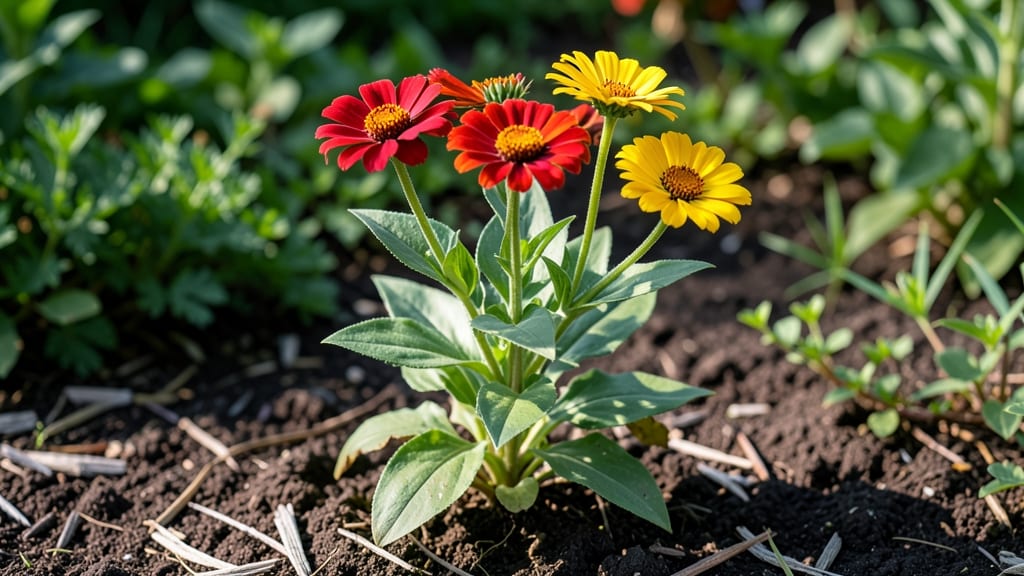
The zinnia leaf shape you grow can make or break your blooms—lance-shaped leaves mean sturdy stems, while deeply lobed varieties need extra care to avoid flopping.
Did you know those jagged edges or smooth curves aren’t just for looks? They’re silent messengers about your plant’s health—and even how big your flowers will grow. A slight twist in leaf shape could signal a pest problem or watering woes before the blooms even show color.
Most zinnias 🌼 sport lanceolate or ovate leaves, but some varieties flaunt feathery or serrated edges that demand different growing conditions. Get this right, and you’ll unlock perfect blooms all season long.
In this guide, I’ll break down the five most common leaf shapes, what each tells you about your plant, and how to spot trouble before it cuts your blooms short. No guesswork—just science-backed tips to keep your zinnias thriving.
5 Common zinnia leaf shapes and what they tell you about your plant
When you're growing zinnias, the leaves often get overlooked in favor of those stunning blooms—but they hold secret clues about your plant's health and growth potential. Each leaf shape influences how your zinnia absorbs sunlight, resists pests, and produces flowers.
For example, pinnatifid leaves with deep lobes maximize airflow, reducing fungal risks, while ovate leaves store more energy for bigger blooms. Let's explore these five common shapes and what they mean for your garden.
Understanding leaf morphology helps you diagnose issues early. A lanceolate leaf that suddenly curls might signal underwatering, while jagged pinnatifid edges can indicate powdery mildew. By recognizing these patterns, you can adjust care routines to keep your zinnias thriving.
Whether you're growing Zinnia elegans or Zinnia angustifolia, leaf shape is your first line of communication from the plant.
Here’s a quick reference guide to help you identify leaf shapes and their implications for your zinnia’s growth and care:
The lanceolate shape is the most common in zinnias like 'Benary's Giant', where the elongated leaves help channel sunlight directly to the growing tips. This shape is ideal for tall varieties that need strong stems to support heavy blooms.
If you notice these leaves turning yellow at the edges, it’s often a sign of overwatering—zinnias prefer well-draining soil to prevent root rot.
Ovate leaves, found in varieties such as 'Crystal' zinnias, are broader and store more nutrients, which translates to larger, showier blooms. However, these leaves are more prone to powdery mildew if humidity isn’t managed. To prevent this, space plants 12-18 inches apart and water at the base rather than overhead. The extra energy stored in ovate leaves also means these zinnias recover faster from pruning.
One of my favorite shapes is the pinnatifid leaf, with its dramatic, feathery lobes. This shape is perfect for heat-tolerant varieties like 'Profusion' zinnias because the deep cuts create airflow, reducing fungal risks. The trade-off?
These leaves can look delicate, but they’re actually highly resilient once established. If you see brown, crispy edges, it’s usually a sign of underwatering—zinnias with pinnatifid leaves need consistent moisture during dry spells.
For gardeners in dry climates, linear leaves are a game-changer. Varieties like 'Thumbelina' zinnias have narrow, parallel-sided leaves that minimize water loss. These compact plants are perfect for container gardening and thrive with weekly watering once established.
The trade-off? They produce smaller blooms, but the longer bloom season makes up for it.
Finally, obovate leaves strike a balance between the other shapes. Found in 'Zahara' zinnias, these inverted egg-shaped leaves promote uniform growth and blooming. They’re less prone to pests than ovate leaves but still benefit from regular deadheading to encourage continuous flowering.
If you’re growing zinnias for cut flowers, obovate varieties often yield the longest stems.
Next time you’re tending to your zinnias, take a moment to study the leaves. Their shapes tell a story—about sunlight exposure, water needs, and even pest risks. By matching care to leaf morphology, you’ll unlock healthier plants and more spectacular blooms all season long. Happy gardening! 🌼
How leaf shape affects zinnia growth: science-backed growing tips
Zinnia leaves aren't just decorative—their unique shapes directly impact your plant's ability to photosynthesize, absorb water, and even resist pests. The leaf morphology of zinnias determines how efficiently they convert sunlight into energy, which translates to bigger blooms and healthier stems.
For example, lance-shaped leaves are more aerodynamic, reducing water loss, while deeply lobed varieties increase surface area for nutrient uptake. Understanding these differences lets you tailor your care routine for maximum results.
Let’s break down how leaf shape influences growth patterns and what you can do to optimize each type. By adjusting your watering schedule, soil composition, and sunlight exposure, you can unlock the full potential of your zinnias—regardless of their leaf structure.
The key is recognizing how each shape interacts with its environment, so you can provide the perfect growing conditions.
- Lanceolate Leaves: Narrow, elongated shapes maximize sunlight absorption in full sun. Water deeply 2-3x per week to prevent wilting. Ideal for standard zinnias like 'Benary’s Giant'.
- Ovate Leaves: Rounded, broad leaves need well-draining soil to avoid root rot. Mulch heavily to retain moisture—perfect for dwarf varieties like 'Thumbelina'.
- Pinnatifid Leaves: Deeply lobed edges increase airflow, reducing fungal risks. Space plants 12+ inches apart to prevent crowding. Common in 'Crystal' series zinnias.
- Linear Leaves: Thin, grass-like leaves thrive in hot, dry climates. Reduce watering to 1x per week once established. Found in 'Profusion' series.
- All Leaf Types: Apply balanced fertilizer (5-10-10) every 4-6 weeks to support photosynthesis efficiency. Prune yellow leaves immediately to redirect energy to blooms.
Your zinnias’ leaf shape also dictates their sunlight needs. For instance, lanceolate leaves handle intense sunlight better than broad ovate leaves, which can scorch in afternoon heat. If you notice leaves curling or turning yellow, it’s often a sign of overwatering or insufficient light.
Adjust by moving plants to a morning sun spot or amending soil with perlite for drainage. This small tweak can transform struggling zinnias into vibrant, long-lasting bloomers.
Don’t overlook the role of leaf surface area in nutrient absorption. Zinnias with lobed or serrated edges absorb more minerals from the soil, but they also require richer compost mixes. Amend your garden beds with aged compost or worm castings to provide the extra nutrients these high-demand leaves crave.
A simple soil test can reveal deficiencies—addressing them early ensures your zinnias stay lush and productive.
To maximize bloom size, pay attention to how leaf shape affects water retention. Thick, fleshy leaves (like those on 'Double Click' zinnias) store more moisture, reducing the need for frequent watering.
In contrast, thin leaves (common in 'Crystal' series) dry out faster and need consistent moisture. Use drip irrigation to deliver water directly to the roots, minimizing leaf stress and maximizing flower production.
By aligning your care routine with your zinnias’ leaf morphology, you’ll create an environment where they thrive. Whether you’re growing tall standards or compact dwarf varieties, understanding these science-backed tips ensures your garden stays vibrant from summer to fall.
Start experimenting with these adjustments—your zinnias will thank you with bold, long-lasting blooms all season long! 🌼