
Pests and Diseases
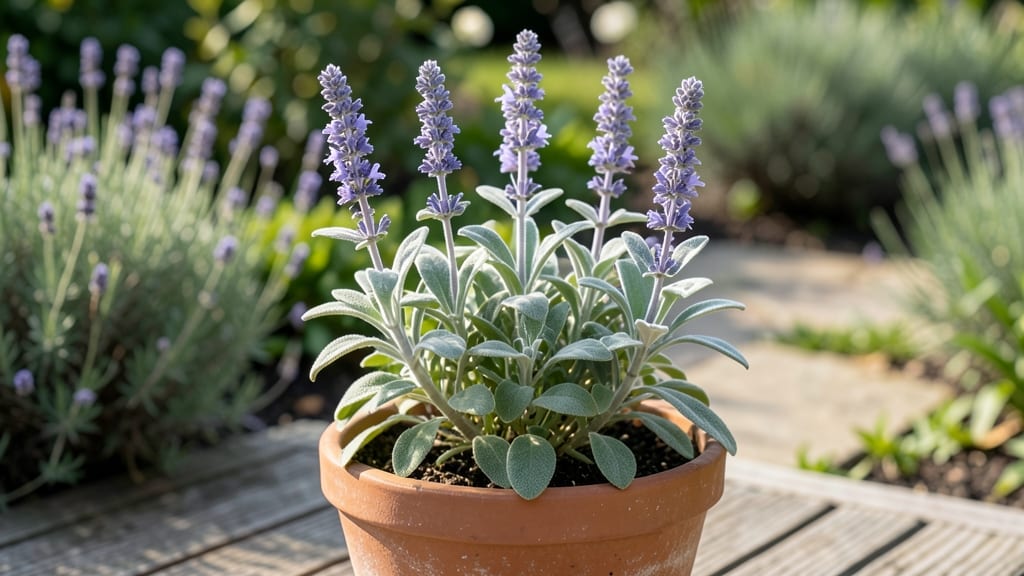
What is sage leaf used for? It’s not just for stuffing Thanksgiving turkey—it's a gardener's secret weapon. 🌿 Whether you're cooking, healing, or protecting your plants, this hardy perennial packs serious benefits that go far beyond the kitchen.
In the garden, crushed sage leaves act as a natural pest deterrent, keeping cabbage moths, carrot flies, and even mosquitoes at bay. The strong aroma confuses insects while attracting beneficial predators like ladybugs. I've seen entire herb beds thrive just by tucking a few sage plants nearby.
For culinary use, fresh leaves add earthy depth to soups, teas, and pestos, while dried sage preserves its flavor for months. Medicinally, sage tea soothes sore throats and improves memory—though always use sparingly. The key to maximizing its power?
Harvest leaves just before flowering and dry them in bundles for year-round use. Growing sage is a breeze—it thrives in poor soil, full sun, and even tolerates light frost. Pinch back stems after flowering to encourage bushier growth, and divide mature plants every few years to keep them vigorous.
The more you use it, the more it rewards you with lush, fragrant foliage that works as hard in the garden as it does in the kitchen.
📚 In This Guide
- What you need
- Instructions
- Tips and common mistakes
- Wrapping up and next steps
What you need
- ● Fresh or dried sage leaves: For cooking: 1–2 tbsp fresh or 1 tsp dried per recipe (adjust to taste).
- ● For pest repellent: 1–2 cups fresh or ½ cup dried (crushed or whole).
- ● Water: 1–2 cups (for teas, sprays, or infusions).
- ○ Carrier oil (optional but recommended): Olive, coconut, or almond oil (¼ cup) for homemade sprays or pest-repellent blends.
- ● Spray bottle (8–16 oz): For DIY pest control sprays.
- ● Cheesecloth or fine mesh strainer: To strain infused oils or liquids.
- ● Mortar and pestle (or clean blender): For crushing dried sage into a fine powder.
- ● Knife and cutting board: For chopping fresh sage (if using).
- ● Stovetop or microwave: For steeping sage in water (if making tea or infusions).
- ● Air-tight container: To store dried sage (if prepping in bulk).
- ○ Gloves (optional): If handling large quantities of dried sage to avoid irritation.
- ● Labeling supplies: To mark homemade sprays or blends (e.g., "Pest Repellent").
How to use fresh sage leaves in cooking and natural pest control
This versatile herb deserves a spot in your kitchen and garden—here's how to put its dual talents to work.
🌿 Step 1: Harvest and Prepare Sage Leaves for Cooking
Pick fresh sage leaves from healthy stems in the morning when essential oils are strongest. I like to strip leaves directly into a bowl, avoiding the tough stems. For culinary use, you'll want about 1-2 tablespoons of fresh leaves per pound of meat or 1 teaspoon dried—fresh has a brighter flavor that mellows beautifully in slow-cooked dishes.
Gently bruise the leaves between your fingers before adding to recipes. This releases the aromatic oils that give sage its signature earthy-sweet flavor. For stuffing poultry or roasting vegetables, I like to make a quick sage butter by mixing 1/4 cup softened butter with 2 tablespoons chopped fresh sage and a pinch of salt. This keeps the leaves intact for maximum flavor infusion.
🍳 Step 2: Incorporate Sage Into Classic Dishes
Sage pairs perfectly with fatty meats like pork, chicken, and duck. I always add fresh sage leaves to my Thanksgiving turkey stuffing—just toss 1/4 cup chopped leaves with the bread cubes, herbs, and broth before baking. The aroma infuses the stuffing while the leaves soften and blend into the texture.
For vegetarian dishes, try sage with butternut squash or creamy risotto. I make a simple sage oil by gently heating 1/2 cup olive oil with 1/4 cup fresh sage leaves on low heat for 5 minutes until the leaves turn golden. Strain and use this fragrant oil to finish pasta or drizzle over roasted vegetables. The oil captures the herb's complex flavors without overpowering the dish.
🪴 Step 3: Create Natural Sage-Based Pest Repellents
Harvest a full handful of fresh sage leaves and crush them between your palms to release the volatile oils. Place the crushed leaves in small mesh bags and hang them in closets, pantries, or near doors to deter moths and other flying insects. The strong aroma masks food scents that attract pests while creating a natural barrier.
For garden pests, create a simple sage spray by steeping 1 cup fresh sage leaves in 2 cups boiling water for 30 minutes. Strain through cheesecloth and pour into a spray bottle. Lightly mist this solution around plant bases and foliage—especially on susceptible plants like tomatoes and peppers. The sage's natural compounds repel aphids and whiteflies without harming beneficial insects.
⏰ Step 4: Preserve Sage for Year-Round Use
To dry sage for winter use, gather healthy leaves and stems, tie them into small bundles, and hang them upside down in a warm, dark place for 2-3 weeks until completely dry and brittle. Store the dried leaves in an airtight container away from light. I like to crush them lightly before storing to maintain potency—just enough to release the aroma when you open the jar.
For a longer shelf life, try freezing sage. Simply wash and dry the leaves thoroughly, then spread them on a baking sheet in a single layer. Freeze for 1 hour until solid, then transfer to a sealed container or freezer bag. Frozen sage maintains its vibrant flavor for up to 6 months—perfect for adding to soups or stews straight from the freezer without thawing.
Tips & tricks for maximizing sage leaf potential
Between us, fresh sage isn't just an herb—it's a kitchen game-changer that works in ways you might not expect. Here's how to get the most out of every leaf, whether you're cooking or protecting your home.
Harvesting at Peak Freshness: The morning after a light rain is when sage leaves contain the most potent essential oils. If you're picking from your garden, harvest just before the flowers open—they'll be most flavorful. For store-bought sage, look for leaves that are deep green and free from brown edges, which means they've been handled gently and haven't dried out.
Preservation Secrets: When drying sage for winter use, don't rush the process! The 2-3 weeks hanging time is crucial—it allows the leaves to fully dehydrate while maintaining their aromatic compounds. For freezing, that 1-hour pre-freezing step on the baking sheet prevents clumping, so you can grab individual leaves straight from the freezer whenever you need them.
Culinary Versatility: The 5-minute low-heat sage oil infusion in Step 2 is where magic happens. Keep the heat gentle—you're not trying to cook the leaves, just infuse the oil. I like to strain the oil through a fine-mesh sieve lined with cheesecloth to catch even the tiniest leaf fragments. This oil keeps for weeks in the fridge, perfect for finishing dishes at the last minute.
Pest Control Precision: For the garden spray, use a spray bottle with a fine mist setting—the 30-minute steeping time is non-negotiable for maximum effectiveness. When applying, focus on the undersides of leaves where pests often hide. The solution works best when applied in the early morning, giving it time to dry before evening dew sets in.
Pro Tips for What Is Sage Leaf Used For
- Between us, fresh sage isn't just an herb—it's a kitchen game-changer that works in ways you might not expect.
- Harvesting at Peak Freshness: The morning after a light rain is when sage leaves contain the most potent essential oils.
- Preservation Secrets: When drying sage for winter use, don't rush the process!
Frequently asked questions
How do I harvest and store sage leaves for pest control?
Harvest sage leaves in the morning after the dew has dried for maximum potency. Bundle fresh sprigs and hang them upside down in a dry, dark place for 2–3 weeks to dry. Store dried leaves in airtight containers away from sunlight. For convenience, crush leaves before storage to release essential oils faster.
How long does it take for sage to repel pests like moths and ants?
Sage’s effectiveness depends on the pest. For moths, dried bundles can deter them within days, while ants may take 1–2 weeks to avoid treated areas. Replenish bundles every 3–6 months or if they lose their scent. Combine with other herbs like rosemary or lavender for stronger results.
Can I use sage leaf as a substitute for other pest-repelling herbs?
Yes! Sage works well as a substitute for herbs like lavender, mint, or cedar in many pest-control applications. However, it’s not as strong as peppermint or eucalyptus for repelling mosquitoes. For a DIY blend, mix equal parts sage with basil or thyme for broader pest protection.
Why isn’t my sage working to keep pests away?
Sage may fail if it’s not fresh or properly placed. Ensure bundles are in high-traffic pest areas (like closets or windowsills) and replace them when they smell faint. Pests like ants or roaches may also bypass sage if food sources remain accessible. Pair sage with citrus peels or vinegar for extra deterrence.
Is it safe to use culinary sage for pest control?
Food-grade sage
is safe for pest control, but avoid treated or non-organic sage if you’re concerned about chemical residues. For cooking, always use a separate batch to prevent flavor contamination. Pro tip: Label your pest-control sage clearly to avoid accidental kitchen use!
Wrapping up and next steps
Sage leaf isn’t just a kitchen staple—it’s a versatile powerhouse for repelling pests, boosting health, and even enhancing your cooking! Whether you’re using it fresh, dried, or as an oil, its natural properties make it an eco-friendly and cost-effective solution for gardens, homes, and wellness routines. 🌿
Now that you know all the ways to harness sage’s potential, why not try it out? Start small—like a homemade sage spray for your plants or a soothing tea for relaxation. The possibilities are endless, and your home (and wallet) will thank you!