Diseases
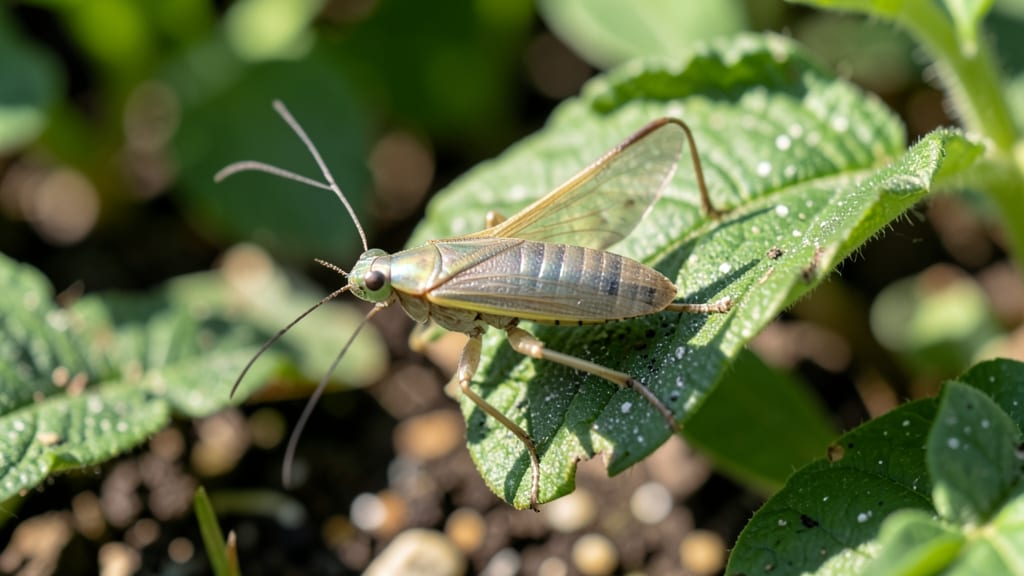
A leafhopper is a tiny, wedge-shaped insect that pierces plant leaves to suck out sap, leaving behind speckled yellow patches, curled foliage, and sticky honeydew that fuels sooty mold growth. These pests thrive in gardens and agricultural fields, often going unnoticed until damage becomes visible.
These sap-sucking insects are part of the Cicadellidae family and can jump impressive distances thanks to their powerful hind legs—up to 18 inches in a single leap. 🌿 The real trouble starts when their saliva disrupts plant cell function, causing leaves to yellow or brown in a pattern called "hopperburn."
While they don’t kill healthy plants outright, their honeydew secretions create a perfect breeding ground for sooty mold, which blocks sunlight and further stresses your plants.
What makes them particularly tricky is their rapid reproduction cycle—some species can produce three generations per year. My team often spots them first on new growth or the undersides of leaves, where they hide during the day.
The good news? Their size makes them vulnerable to natural predators like lacewings and parasitic wasps, which is why integrated pest management works so well for most gardeners.
💡 In This Article
- How Leafhoppers Harm Plants: Feeding Mechanics and Symptoms
- Natural and Chemical Control Methods for Leafhopper Infestations
How leafhoppers harm plants: feeding mechanics and symptoms
Leafhoppers damage plants through a two-step process: their piercing mouthparts inject saliva containing enzymes that break down cell walls, allowing them to suck out sap. This saliva disrupts the plant's natural nutrient transport system, causing chlorophyll loss that creates the telltale yellow or white speckling on leaves.
The most common symptom is hopperburn, where affected areas turn brown and crispy along the leaf edges—a sign the plant's cells have been permanently damaged. 🌱
These insects target new growth first because tender leaves offer less resistance. A single leafhopper can consume 10-20 times its body weight in sap daily, and their feeding weakens stems over time, leading to stunted growth or even leaf drop.
The real secondary damage comes from their honeydew excretion—a sticky, sugary substance that coats leaves and attracts sooty mold, a black fungal growth that blocks sunlight and further stresses the plant.
Identifying leafhopper damage often starts with examining the undersides of leaves, where you'll find these 1/8-inch wedge-shaped insects with enlarged hind legs. Look for these key visual clues: speckled leaves, curled leaf edges, and black sooty mold on leaf surfaces.
Unlike aphids, leafhoppers don't leave a cottony residue—their damage appears as scattered, irregular patches rather than uniform discoloration.
What makes them particularly destructive is their ability to transmit plant diseases. Some species carry spiroplasma bacteria, which causes citrus stubborn disease in fruit trees. The bacteria block plant vascular systems, leading to dieback in severe cases.
This is why early detection matters—once symptoms appear, the plant's health is already compromised, making control more challenging. 🌿
Consider this comparison: Aphids feed on sap too, but their damage is more uniform due to their slower feeding rate. Leafhoppers, however, move rapidly between plants, spreading both their feeding damage and potential pathogens across your garden in days.
Their jumping ability (up to 18 inches) means they can colonize new plants before you even notice the first signs of infestation.
The most alarming symptom is wilting despite adequate water, which occurs when their feeding disrupts the plant's ability to transport water efficiently. This is often the first sign gardeners notice, but by then, the infestation may already be established.
The key to early intervention is regular leaf inspections, especially during warm, dry periods when leafhopper populations peak.