
Pests and Diseases
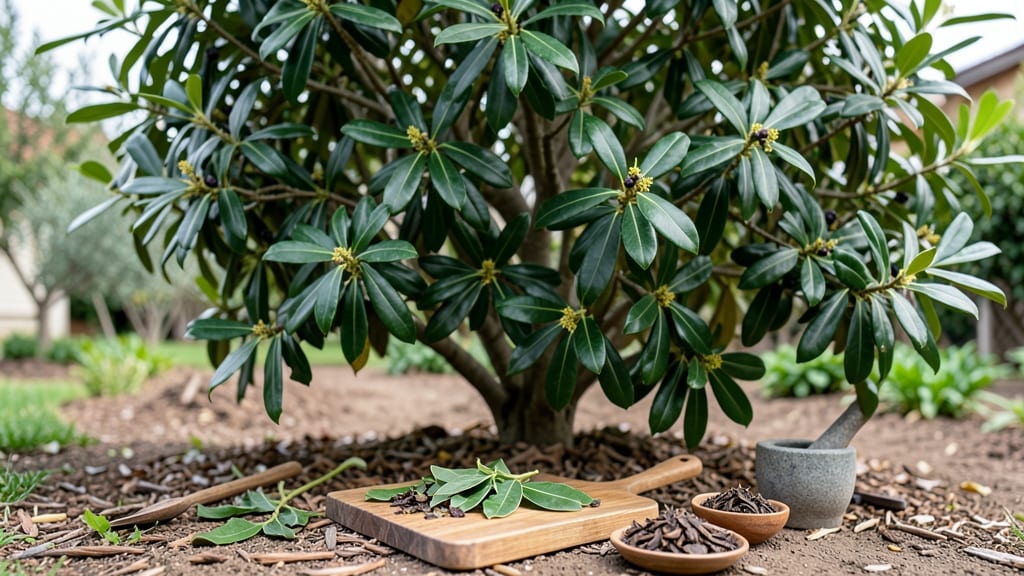
What is a bay leaf good for? It’s an aromatic leaf used to enhance flavors in cooking while offering digestive support, reducing inflammation, and potentially helping regulate blood sugar when included in meals or herbal teas.
These aromatic leaves pack a flavor punch in dishes like beef stews or tomato sauces, where their subtle earthiness deepens complexity without overpowering.
Beyond taste, they contain compounds like eugenol that may ease digestion and reduce bloating. 🌿 I’ve found that steeping 1-2 dried leaves in hot water for tea offers a caffeine-free way to harness their anti-inflammatory benefits—just remember to strain them out before drinking.
What makes bay leaves especially versatile is their dual role in both kitchen and medicine cabinet. Many traditional remedies use them for their antimicrobial properties, though always consult a healthcare provider before using them for medical purposes.
For cooking, I recommend adding whole leaves to simmering dishes early—they release flavor gradually, then can be easily removed before serving.
💡 In This Article
- Culinary and Medicinal Properties of Bay Leaves
- How to Use Fresh vs Dried Bay Leaves in Cooking
Culinary and medicinal properties of bay leaves
Bay leaves come from the Laurus nobilis plant, a Mediterranean evergreen with a rich history dating back to ancient Rome, where they were used both as food seasoning and in religious ceremonies.
Their flavor profile stems from two key compounds: eugenol (also found in cloves) and linalool (present in lavender), which combine to create that signature earthy, slightly peppery aroma.
When crushed or heated, these compounds release gradually, which is why bay leaves work so well in slow-cooked dishes like beef bourguignon or chicken pot pie—they infuse flavor without becoming overpowering.
The medicinal benefits of bay leaves are equally impressive.
Studies show that eugenol has anti-inflammatory properties that may help reduce joint pain when consumed regularly, while linalool acts as a natural sedative. 🌿 For digestive health, bay leaves stimulate the secretion of gastric juices, which can ease bloating and indigestion—this is why many cultures include them in hearty stews or herbal remedies.
What’s fascinating is how these same compounds contribute to bay leaves' antimicrobial effects, making them a natural preservative in both cooking and traditional medicine.
In cooking, bay leaves work best when added whole to dishes early in the cooking process—typically within the first 15-20 minutes of simmering. This allows their oils to gently infuse without turning bitter.
For example, adding a single leaf to a 4-quart pot of vegetable soup while it simmers for 45 minutes will impart a subtle, complex depth that dried herbs alone can’t match. The key is removing the leaf before serving, as it becomes tough and unpleasant to eat.
Medicinally, bay leaves have been used for centuries to treat everything from headaches to respiratory infections. A popular remedy involves steeping 2-3 dried leaves in 1 cup of boiling water for 10 minutes, then straining and drinking the tea.
This preparation harnesses their antioxidant properties, which may help combat oxidative stress in the body. However, it’s crucial to note that while bay leaf tea is generally safe in moderation, excessive consumption could cause stomach irritation due to their high essential oil content.
What sets bay leaves apart from other herbs is their dual functionality—they’re as effective in a kitchen spice rack as they are in a first-aid kit.
Their ability to enhance flavor while simultaneously offering health benefits makes them one of the most versatile ingredients in both culinary and medicinal traditions. 💫 Whether you’re simmering a pot roast or brewing a soothing tea, bay leaves deliver a subtle yet meaningful impact.