
Plants
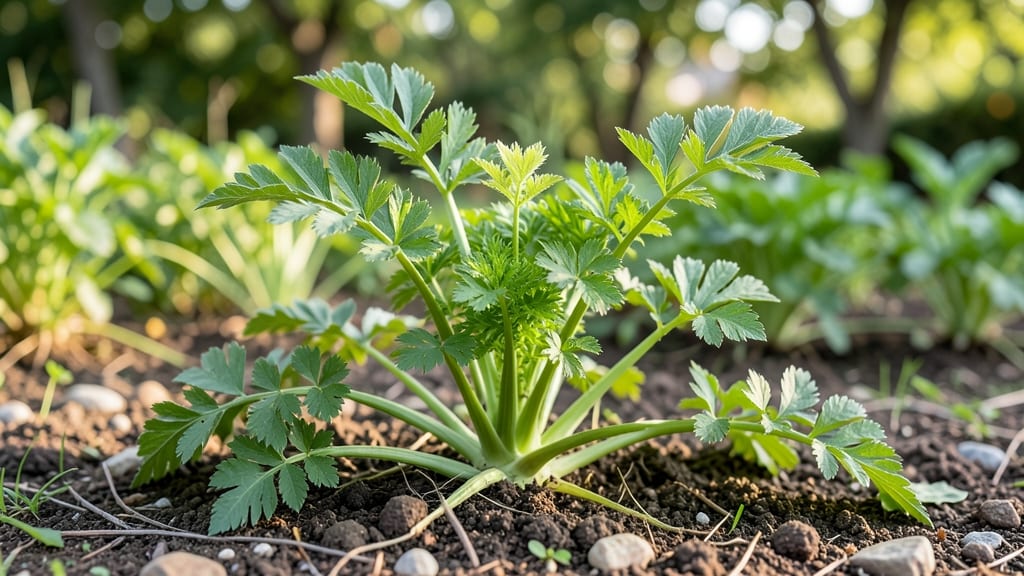
What does a parsnip leaf look like?
It features delicate fern fronds with lacy green beauty that sets them apart from other garden plants. 🌿 The leaves grow in a rosette close to the ground, showcasing finely divided, feathery foliage that resembles Queen Anne's lace but more intricate—almost like a miniature asparagus fern.
Compared to carrot leaves, parsnip leaves are softer and more delicate, with a lighter green hue that brightens as the season progresses. Young leaves start out almost silvery before deepening to a rich, vibrant green by midsummer, making them easy to spot among weeds.
The texture is slightly hairy along the stems, which helps distinguish them from similar-looking plants like wild carrot or parsley. In late summer, the leaves may yellow and die back as the plant focuses energy on its edible root, but until then, they’re a striking feature of the garden.
This guide will help you spot parsnip leaves in your garden—whether they’re growing among other vegetables or hiding among weeds. You’ll learn to tell them apart from lookalikes with confidence, so you never mistake them for something else again.
Understanding Parsnip Leaf Growth Patterns
Parsnip leaves (Pastinaca sativa) take on their distinctive fern-like appearance due to a mix of genetic, environmental, and developmental factors. While their lacy, compound structure is iconic, variations in leaf shape—whether broader, narrower, or more delicate—stem from specific biological processes.
Let’s break down the core reasons behind their unique look.
Parsnips inherit their leaf shape from their genetic code, passed down through generations. The compound leaf structure (with multiple leaflets arranged along a central stem) is hardwired into their species traits.
Here’s how it works: - Leaflet Arrangement: Parsnip leaves follow a pinnate pattern, meaning leaflets grow in pairs along both sides of a central rachis (the main stem).
This is controlled by genes regulating phyllotaxy (leaf arrangement). - Serration & Lobing: The jagged edges and deep lobes of parsnip leaflets are influenced by homeobox genes, which dictate cell division patterns during growth.
Mutations or variations in these genes can lead to smoother or more irregular edges. - Hereditary Variations: Some parsnip cultivars may have slightly broader or narrower leaflets due to selective breeding. For example, heirloom varieties might exhibit more pronounced serration compared to modern hybrids.
💡 Pro Tip: If you’re growing parsnips from seed, choose certified organic or heirloom varieties for the most authentic leaf shapes. Hybrid seeds may produce slightly altered foliage due to cross-breeding.
Parsnip leaves don’t grow in a vacuum—their environment plays a huge role in their final appearance. Stressors like light, water, and temperature can trigger changes in leaf morphology (shape and structure).
Light Exposure: The Sun’s Influence on Leaf Structure
- Direct Sunlight: Parsnip leaves grown in full sun often develop smaller, thicker leaflets with deeper serration.
This is a survival adaptation—sunlight increases photosynthetic demand, leading to more compact, efficient leaf surfaces. - Shade: In low-light conditions (e.g., under tall plants or in dense foliage), leaves may grow larger, softer, and less lobed.
This happens because the plant stretches to capture more light, a process called etiolation. - UV Radiation: High UV exposure can cause chlorosis (yellowing) or necrosis (brown spots) on leaf edges, altering their appearance.
This is why parsnips in open fields may look different from those in greenhouse settings.
Water Availability: Drought vs. Overhydration
- Drought Stress: When parsnips don’t get enough water, their leaves may curl inward and develop thicker, waxier surfaces to retain moisture.
Leaflets might also appear smaller and more brittle. - Overwatering: Excess moisture can lead to soft, pale leaves with less defined lobes.
Poor drainage may also cause fungal infections (like powdery mildew), which distort leaf growth. - Root Competition: If parsnips are planted too closely, they’ll compete for water and nutrients, resulting in stunted, underdeveloped leaves.
🌡️ Heat & Humidity: Extreme heat can cause leaves to wilt or scorch, while high humidity may promote mildew or bacterial leaf spot, both of which alter leaf texture and color.
Parsnip leaves don’t stay the same throughout the plant’s lifecycle. Their shape evolves as the plant matures:
| Stage | Leaf Characteristics | Why It Happens |
|---|---|---|
| Seedling (0–4 weeks) | Small, simple leaves (often lobed but not compound) | Early leaves are cotyledons (seed leaves) or juvenile leaves, not yet expressing the full genetic potential. |
| Vegetative (4–8 weeks) | Compound leaves emerge, with leaflets developing along the rachis. | The plant shifts to true leaves, driven by hormones like auxin and cytokinin, which promote leaflet formation. |
| Flowering (8+ weeks) | Leaves may become larger but less serrated, especially near the flower stalk. | Nutrients are diverted to reproductive growth, reducing energy for leaf complexity. |
| Mature (Harvest Time) | Leaves may yellow or brown at the edges due to senescence (aging). | The plant prepares for seed production, breaking down chlorophyll and reallocating nutrients. |
✨ Fun Fact: The most lacy and intricate parsnip leaves typically appear in the vegetative stage—this is when they’re most visually striking for culinary or ornamental use!
Parsnip leaves aren’t just shaped by nature—they’re also targeted by pests and pathogens that can warp their structure:
- Aphids & Spider Mites: These sap-sucking insects cause curling, yellowing, or stunted leaflets.
Their feeding disrupts cytokinin (a growth hormone), leading to deformed growth. - Parsnip Webworm: The larvae of this moth chew on leaf edges, creating irregular, jagged holes that mimic natural serration but are far more destructive. - Fungal Infections (e.g., Rust, Powdery Mildew): Fungi like cercospora leaf spot cause dark spots, blisters, or white powdery coatings, altering leaf color and texture. - Viral Diseases (e.g., Cucumber Mosaic Virus): Symptoms include mottling, stunting, and distorted leaflets, often with a puckered or cupped appearance.
🔥 Prevention Tip: Rotate crops annually, practice companion planting (e.g., with onions or garlic), and use neem oil or insecticidal soap to deter pests before they damage leaves.
The soil your parsnips grow in directly impacts leaf health and shape. Nutrient deficiencies or excesses can lead to telltale deformities:
- Nitrogen Deficiency: Leaves turn yellow (chlorotic) between veins, and leaflets may become small and sparse. This happens because nitrogen is crucial for chlorophyll production. - Potassium Deficiency: Leaves develop brown, dead edges (scorching), especially on older leaflets.
Potassium regulates water and nutrient transport, so a lack of it causes cellular breakdown. - Magnesium Deficiency: Leaves show interveinal yellowing (between veins) because magnesium is central to chlorophyll structure. - Excess Phosphorus: While rare, too much phosphorus can lock out other nutrients (like zinc or iron), leading to stunted, dark green leaves with poor serration.
📊 Soil Test Tip: Before planting, test your soil’s pH and nutrient levels. Parsnips thrive in slightly acidic to neutral soil (pH 6.0–7.0) with balanced NPK (nitrogen, phosphorus, potassium) ratios. Amend with compost or organic matter if needed.
Identifying & Fixing Parsnip Leaf Issues
If your parsnip plants aren’t thriving—or worse, their leaves look nothing like the lacy green fronds you expected—don’t panic! Most issues are fixable with a little detective work and simple care adjustments.
Below, we’ll break down common problems by their visible symptoms and provide step-by-step solutions, plus prevention tips to keep your parsnips lush and healthy.
Parsnip leaves turning yellow or drooping often signal stress from too much water or lack of nutrients. Here’s how to diagnose and fix it:
💧 Overwatering Fix
- Check the soil: Stick your finger 1–2 inches deep. If it’s soggy, your parsnips are drowning.
- Adjust watering: Water only when the top inch of soil is dry.
Parsnips prefer consistent moisture but hate standing water. - Improve drainage: Amend heavy clay soil with compost or sand to prevent root rot.
🌿 Nutrient Deficiency Fix
- Test your soil: A simple DIY test kit (or lab analysis) can reveal if your soil lacks nitrogen, potassium, or magnesium.
- Feed gently: Use a balanced organic fertilizer (like 10-10-10) or compost tea every 4–6 weeks.
- Target-specific issues:
- Yellow lower leaves (nitrogen deficiency)?
Side-dress with blood meal. - Purple-tinged leaves (phosphorus deficiency)? Add bone meal.
💡 Pro Tip: Mulch with straw or grass clippings to retain moisture and slowly release nutrients as it breaks down.
If your parsnip leaves have jagged edges or tiny holes, pests are likely the culprits. Here’s how to evict them:
🐞 Aphids or Flea Beetles
- Blast them off: Spray leaves with a strong stream of water to dislodge pests.
- Neem oil remedy: Mix 1 tbsp neem oil + 1 tsp mild soap in 1 quart of water.
Spray early morning to avoid harming bees. - Encourage predators: Ladybugs and lacewings eat aphids—plant marigolds nearby to attract them.
🐛 Parsnip Webworms
- Handpick larvae: Check the undersides of leaves for green caterpillars. Drop them into soapy water.
- Row covers: Use lightweight fabric to block moths from laying eggs (install before flowering).
✨ Prevention: Rotate crops yearly and remove plant debris in fall to starve overwintering pests.
Parsnips stretching tall with sparse leaves or failing to bulb properly often need more light or better spacing.
🔥 Fixing Light Problems
- Move plants: If growing in containers, shift them to a sunnier spot (parsley needs 6+ hours of sun daily).
- Thin seedlings: Overcrowding blocks light. Space parsnips 3–4 inches apart when young, then thin to 6–8 inches as they mature.
🌱 Fixing Soil Compaction
- Loosen soil: Gently fork the top 6 inches of soil to improve root penetration.
- Add compost: Mix in 2–3 inches of compost before planting to encourage strong root growth.
🎯 Pro Tip: If your parsnips are bolting (flowering early), they’re stressed—check for heat stress (plant in early spring/fall) or thin soil (they need deep, loose beds).
Crunchy, brown leaf edges usually mean dry air or salt buildup from tap water.
💦 Hydration & Humidity Fix
- Water deeply: Focus on the roots, not the leaves, to avoid fungal issues.
- Mulch heavily: Use straw or wood chips to lock in moisture and protect roots from temperature swings.
- Avoid evening watering: Wet leaves at night invite fungal diseases like powdery mildew.
🧼 Salt Buildup Fix
- Flush the soil: Water heavily to leach out excess salts, then amend with compost.
- Use rainwater: If your tap water is hard, collect rainwater for irrigation.
🌡️ Prevention: Group parsnips with drought-tolerant companions like thyme or oregano to reduce moisture loss.
With these fixes, your parsnip leaves should bounce back to their signature fern-like elegance in no time. The key? Observe early, act fast, and keep conditions consistent. Happy gardening!
Frequently asked questions about parsnip leaves
How do I tell parsnip leaves apart from carrot leaves?
Parsnip leaves are softer and more delicate than carrot leaves, with a lacy, fern-like structure that resembles miniature asparagus fronds. Carrot leaves are broader, coarser, and more deeply lobed, while parsnip leaflets are finer and arranged in a more intricate pattern along the central stem.
Why do parsnip leaves look different at different growth stages?
Young parsnip leaves start small and simple, but as the plant matures, they develop into compound leaves with multiple leaflets. In the vegetative stage (4–8 weeks), the leaves are most intricate, while later in the season they may become larger but less serrated as the plant focuses on root growth.
Can I eat parsnip leaves, and how do they taste?
Yes! Young parsnip leaves are mildly sweet and slightly peppery, similar to parsley or celery. They’re best eaten raw in salads or lightly cooked like spinach. Older leaves can be tougher, so harvest them young for the best flavor and texture.
What should I do if my parsnip leaves turn yellow or brown?
Yellowing often signals overwatering or nutrient deficiency, while brown edges may mean dry soil or salt buildup. Check soil moisture, adjust watering, and add compost or a balanced fertilizer. Mulching helps retain moisture and prevents stress.
Are parsnip leaves toxic to pets if ingested?
No, parsnip leaves are not toxic to pets, but they can cause mild stomach upset if eaten in large quantities. If your pet nibbles them, monitor for vomiting or diarrhea. For peace of mind, keep pets away from treated plants or chemical fertilizers.