
Trees
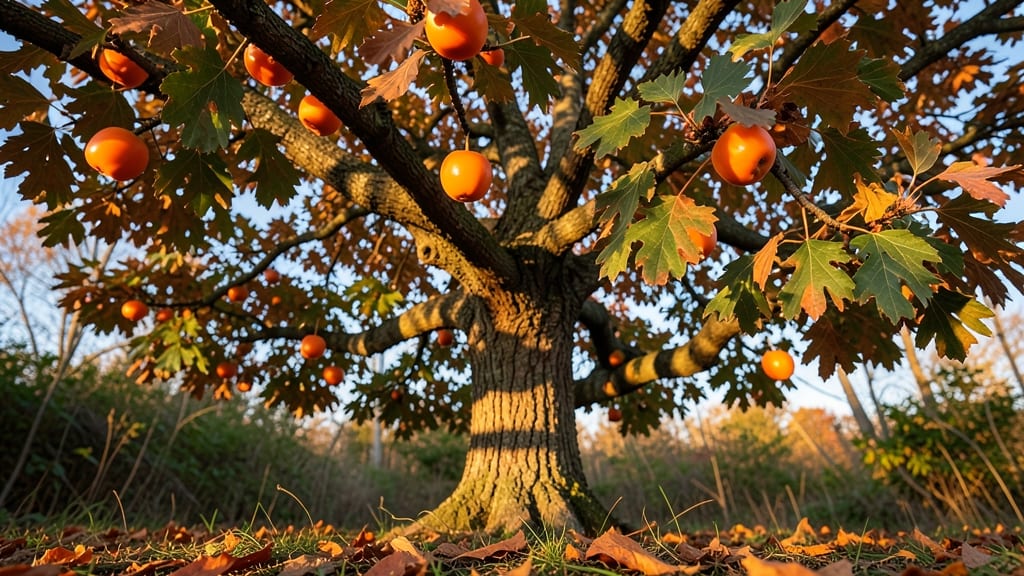
Arkansas's diverse forests and landscapes hide some of the most distinctive trees in the Southeast. Learning to identify trees by leaf shape, edges, and arrangement can transform your gardening and outdoor projects—here’s your expert guide to 10 iconic Arkansas trees.
Sweetgum Tree Identification by Leaf
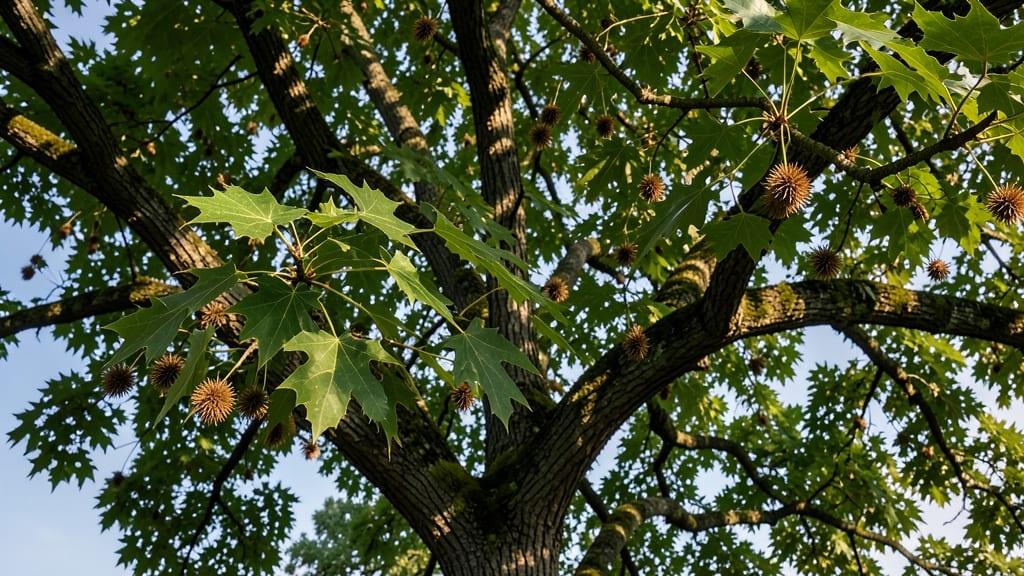
Spot a tree with leaves shaped like a five-pointed star? That’s your sweetgum tree—a bold, eye-catching native that thrives in Arkansas’s urban and park landscapes. These leaves aren’t just distinctive; they’re paired with spiky seed pods that add texture and winter interest, making this tree a conversation starter in any yard.
The star-shaped leaves (5–7 inches wide) have smooth edges and a glossy finish, turning brilliant yellow or orange in fall. Look for the tree’s spiky “gumballs”—hard, round seed pods that persist through winter—before they burst open to release winged seeds. Sweetgums are drought-tolerant once established and grow quickly, providing dense shade with minimal fuss.
Perfect for urban gardeners or those seeking a low-maintenance shade tree, sweetgums handle heat and pollution well. Just watch for messy seed pods in fall! 🌟
Loblolly Pine Needles and Bark Guide
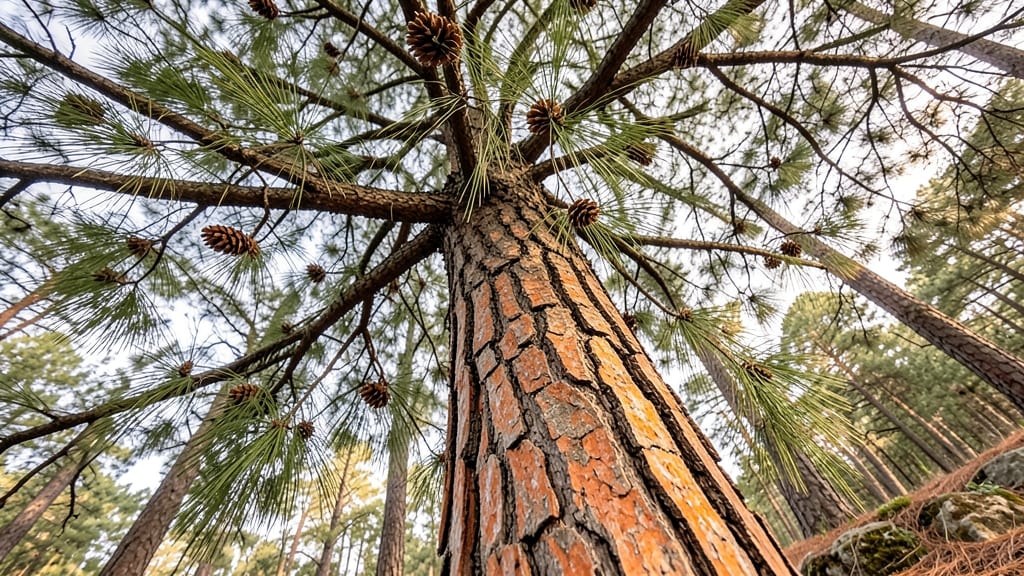
If you’ve ever wandered through Arkansas’s forests and wondered, "Which pine is that?", the loblolly pine is your first clue—its long, flexible needles (6–9 inches) and orange-brown bark set it apart from other species. Unlike the shorter needles of shortleaf pine, loblolly’s needles grow in bundles of three, making them easy to spot when bundled together.
This fast-growing native thrives in sandy soils and full sun, making it a staple in Arkansas landscapes. The bark develops deep furrows as the tree matures, while young trees sport smoother, scaly plates. For gardeners, loblolly pines are low-maintenance and drought-tolerant once established, perfect for windbreaks or wildlife-friendly yards.
Whether you're identifying wild specimens or planning a pine grove, loblolly’s needles and bark are your best friends. 🌱
White Oak Leaf Shape and Texture
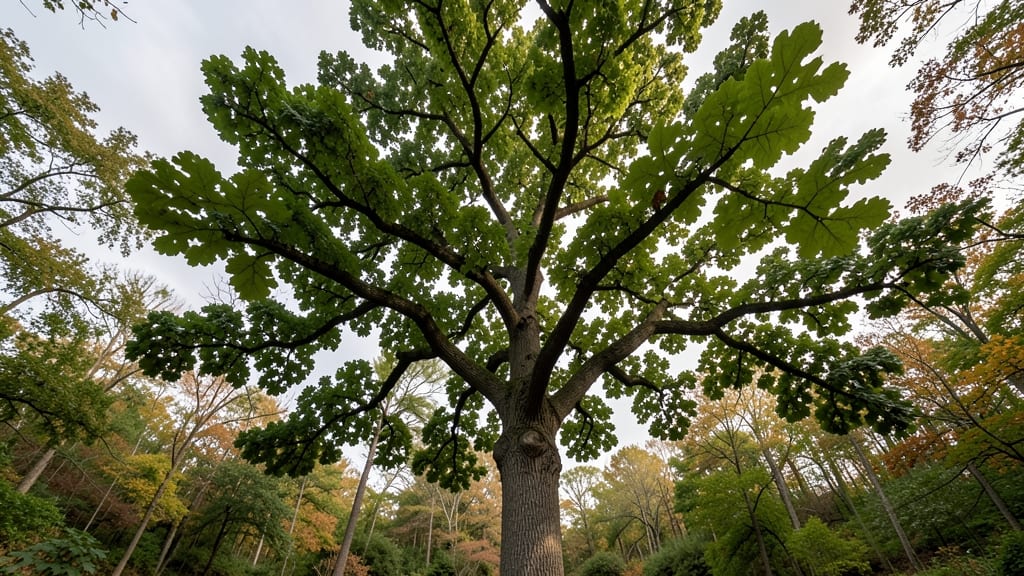
If you’ve ever tried to identify a towering oak in Arkansas’s forests, the white oak’s deeply lobed leaves with rounded edges are your secret weapon. Unlike other oaks, these leaves have smooth, sinuous curves between lobes—no sharp points to snag your fingers when you’re reaching for a closer look.
Mature white oak leaves grow 5–9 inches long and feature 7–11 lobes that curve outward like fingers on a hand. The texture is another clue: these leaves are leathery and thick, designed to resist drought and pests. Run your thumb along the edge—if it feels smooth and rounded, you’ve likely found Arkansas’s state tree. This feature also helps distinguish it from red oaks, whose lobes have pointed tips.
For gardeners, this means the white oak isn’t just a forest giant—it’s a long-lived specimen with strong, durable wood that thrives in urban landscapes too. Plant one now for shade that lasts centuries. 🌟
Red Maple Leaves in Spring and Fall
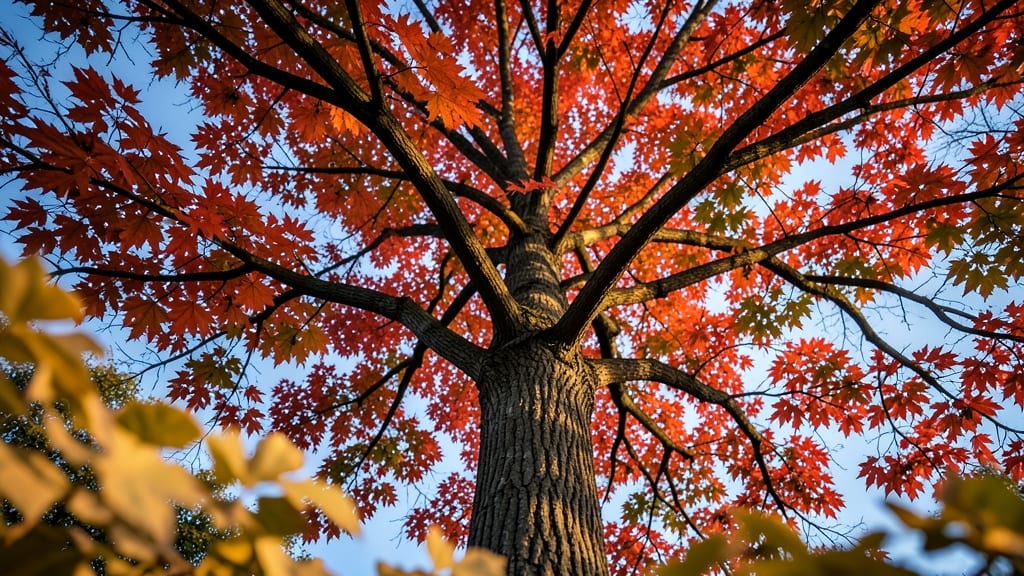
If you’re dreaming of a tree that transforms your Arkansas yard into a seasonal masterpiece, the red maple delivers with its fiery autumn show. Unlike the lobed leaves of oaks or the needles of pines, this tree’s palmate leaves (five lobes spreading from a single point) are a dead giveaway, especially when they blaze red, orange, or yellow in fall.
Red maples thrive in full sun to partial shade, making them versatile for Arkansas’s varied climates. They grow 30–50 feet tall but can be pruned to manage size, offering fast shade within just a few years. The spring foliage starts green but often flushes with soft pink or red hues, setting the stage for the showstopper autumn display that draws wildlife and neighbors alike.
This adaptable tree suits urban gardens, rural landscapes, and even wet sites—ideal for Arkansas gardeners who want year-round interest with minimal fuss. Plant one to anchor your yard with color, shade, and effortless beauty. 🌟
Southern Magnolia Leaf and Flower Identification
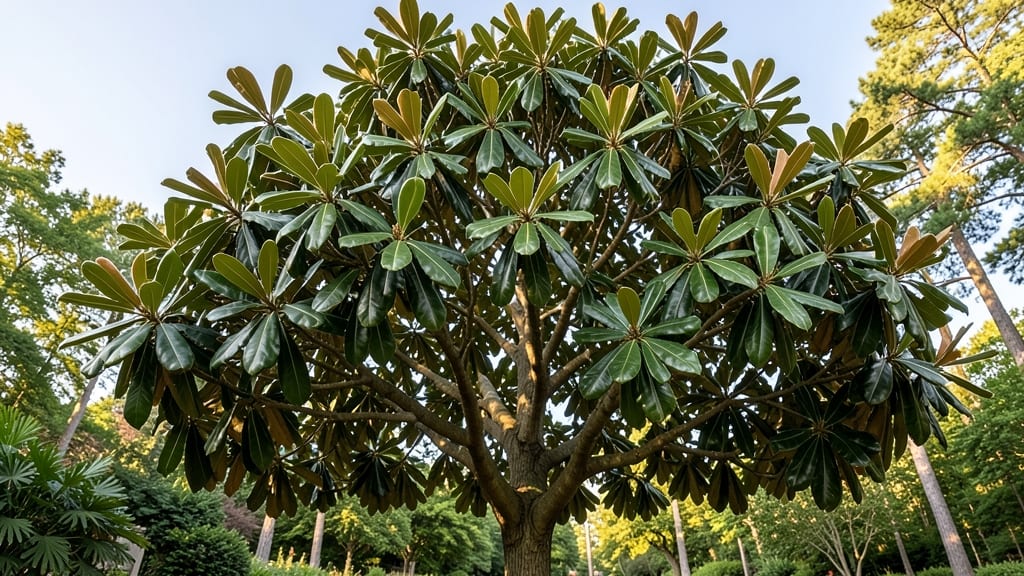
The Southern magnolia stands out in Arkansas landscapes with its large, glossy evergreen leaves that stay vibrant year-round. Unlike deciduous trees, these leaves—up to 8 inches long—provide dense shade while adding texture to gardens, making them a favorite for both urban and rural settings.
Look for cupped, fragrant white flowers that bloom in late spring, followed by cone-like seed pods. The leaves’ prominent central vein and smooth, waxy surface are key identifiers. This tree thrives in well-drained soil and full sun to partial shade, perfect for gardeners who want low-maintenance beauty with high impact.
Ideal for those who love year-round structure and fragrance, the Southern magnolia is a statement piece that outshines seasonal bloomers. 🌿
American Sycamore Leaf Characteristics
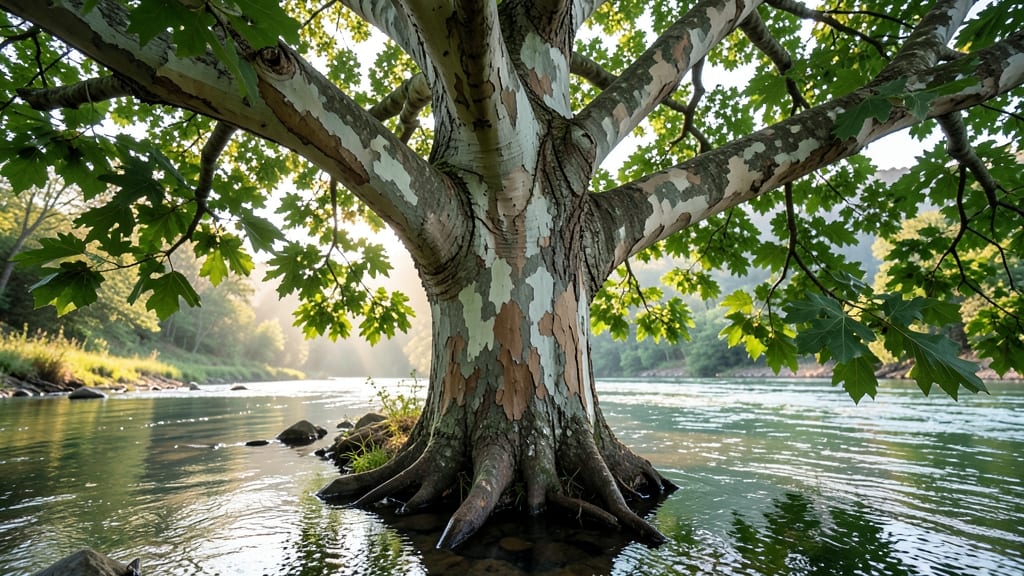
When you spot a tree with camouflage-like bark along Arkansas’s rivers and streams, you’ve likely found the American sycamore—and its large, simple leaves with pointed tips are your best clue for ID. These trees thrive in wet soils, making them a common sight near waterways where other species struggle.
The heart-shaped leaves (4–8 inches wide) have smooth edges and a single pointed tip, growing alternately on branches. Unlike lobed leaves, sycamore foliage stays simple and unbroken, making it distinct from oaks or maples. Pair this with the tree’s peeling, mottled bark (white, gray, and brown patches) for a foolproof match.
This tree is a wildlife magnet—its size and moisture-loving nature make it perfect for Arkansas’s riparian zones. Birdwatchers and gardeners near creeks will love spotting these giants, which can grow over 100 feet tall but start small enough for easy identification. 🌟
Eastern Redbud Leaf and Spring Bloom
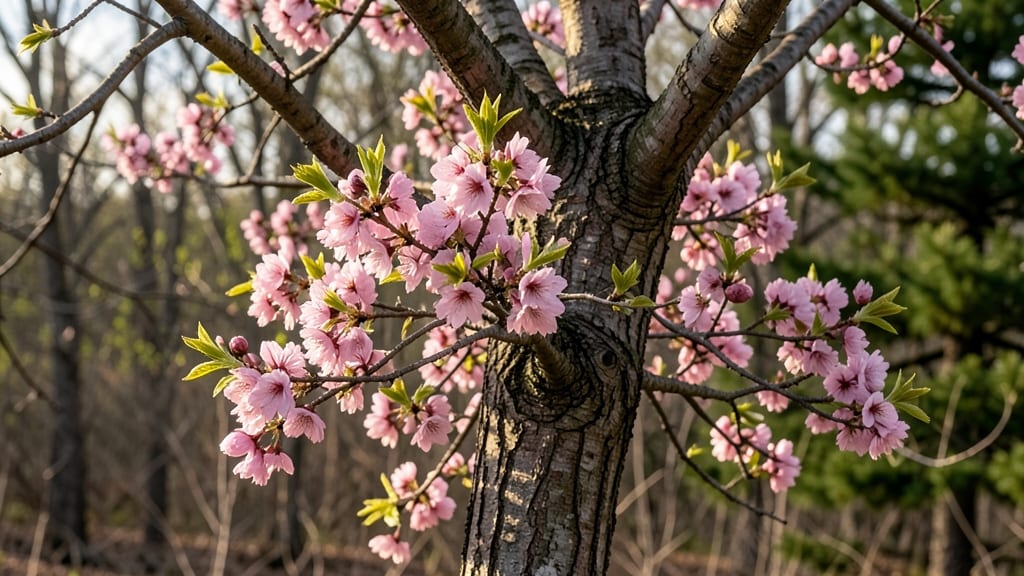
If you’re eager to welcome spring with a burst of color, the eastern redbud (Cercis canadensis) is Arkansas’s secret weapon. This small understory tree erupts with delicate pink flowers in early March—often before its leaves even appear—making it one of the first signs that winter’s grip is loosening.
The heart-shaped leaves emerge after blooming, turning a lush green by summer, while the tree’s compact size (20–30 feet tall) makes it ideal for small gardens or as a focal point in landscape beds. It thrives in partial shade to full sun and tolerates a range of soils, including clay, which is common in Arkansas. Prune lightly after flowering to maintain shape, but avoid heavy cuts—this tree rewards minimal effort with maximum impact.
Perfect for gardeners who crave early seasonal drama, the eastern redbud also attracts pollinators like bees and butterflies. Plant it near patios or walkways to enjoy its cheerful blooms up close. 🌷
Shortleaf Pine Needle and Cone Guide
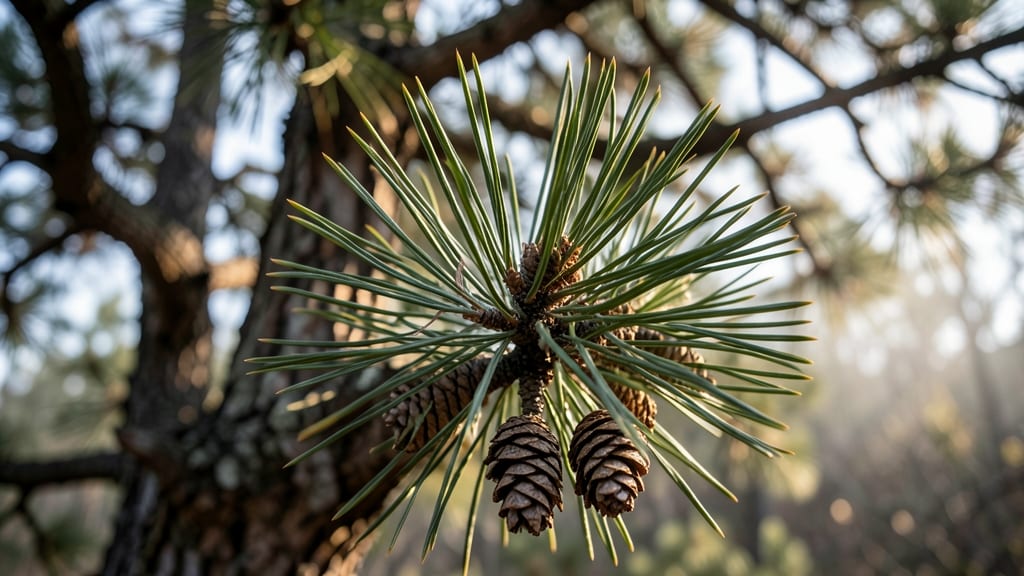
If you’ve ever struggled to tell Arkansas’s pines apart, focus on the shortleaf pine—its 2-4 inch needles grow in tight bundles of two, unlike the longer needles of loblolly pines. These stiff, sharp needles help distinguish it from other species, especially when paired with its small, oval cones (1.5–3 inches long).
Look for cones that mature in their second year, turning from green to brown, and often persist on branches for years. This tree thrives in well-drained, sandy soils common in Arkansas’s upland forests, making it ideal for wild landscapes or as a drought-tolerant addition to your garden. Its slow growth means it’s perfect for long-term planting projects. 🌟
Black Walnut Leaf and Nut Identification
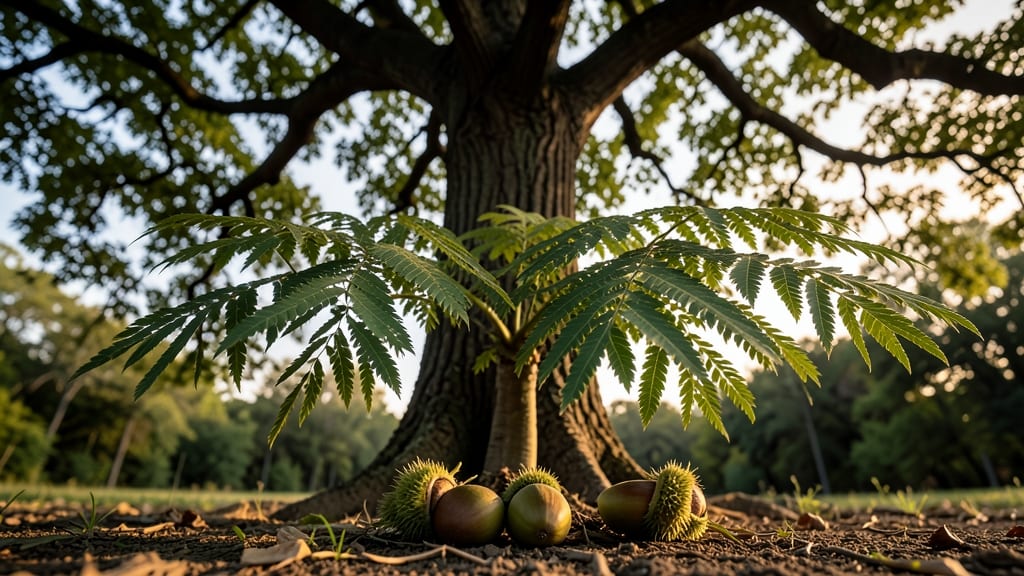
If you’ve ever spotted a tree with feather-like compound leaves and found walnut-sized fruits encased in spiky husks, you’re likely looking at the black walnut (Juglans nigra). This iconic Arkansas tree isn’t just striking—it’s a powerhouse for wildlife and gardeners who prioritize native species, though its allelopathic roots demand respect.
The 15–23 leaflets arranged in a pinnate pattern (like a feather) are your first clue, but the real showstopper is the distinctive nut: a round, wrinkled shell that stains hands and surfaces when cracked open. Black walnuts thrive in full sun to partial shade and well-drained soil, making them ideal for Arkansas’s varied landscapes. Just keep them 20+ feet away from fruit trees or vegetables, as their roots release juglone, a natural herbicide that stunts growth.
Gardeners who plant black walnuts gain a long-lived shade tree (100+ years) and a food source for squirrels, deer, and birds. For those with space and caution, it’s a low-maintenance native that pays dividends in beauty and biodiversity. 🌟
Persimmon Tree Leaf and Fruit Guide

The persimmon tree (Diospyros virginiana) is Arkansas’s underrated gem—its deeply lobed leaves and vibrant orange fruit transform fall landscapes into a wildlife buffet. Unlike other native trees, persimmons offer both beauty and bounty, making them a dual-purpose addition to any garden.
Look for 5-7 pointed lobes on its leaves, resembling a maple’s but with a coarser texture. In late fall, the sweet, custard-like fruit (when fully ripe) attracts birds and deer while providing you with a delicious harvest. Plant in full sun with well-drained soil, and expect slow growth—ideal for gardeners with patience and a love for low-maintenance edibles.
Perfect for urban homesteaders and wildlife gardeners, this native tree thrives in Arkansas’s climate and adds a pop of color when most gardens fade. 🌟