
Vegetables
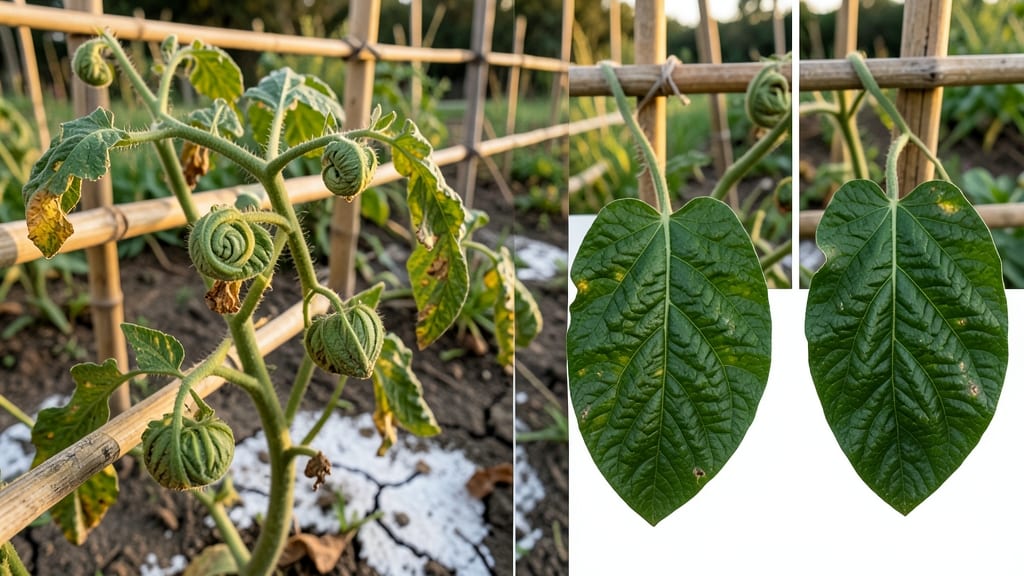
When your tomato plants develop physiological leaf roll, copper spray can bring them back from the brink. 🌱 I’ve watched entire vines curl up like question marks—only to unfurl and produce fruit again after a few targeted treatments.
This isn’t a death sentence; it’s a fixable growth hiccup caused by stress, not disease.
The culprits? Temperature swings, inconsistent watering, or even the plant’s own overzealous growth. You’ll spot it in curled leaves, stunted stems, and a general "off" look—like your tomatoes are throwing a tantrum.
The good news? Copper spray (applied correctly) acts like a reset button, helping leaves flatten and plants rebound within 2-4 weeks.
Start by pruning the worst-affected leaves to redirect energy. Then, apply a copper fungicide spray (like copper sulfate) every 7-10 days for 3 treatments. Pair it with deep watering and shade cloth on scorching days, and you’ll see those leaves straighten out, ready to soak up sun again.
This works for heirlooms, cherry tomatoes, and even indeterminate varieties—just avoid spraying when rain’s forecasted. With patience, your plants will bounce back, and you’ll be back to harvesting juicy, unstressed tomatoes in no time.
Root Causes Of Leaf Curling
When your tomato plants start showing signs of physiological leaf roll, it’s often a cry for help from the roots—or even the plant’s own biology. Unlike pests or diseases, this condition is usually triggered by environmental stress or internal imbalances.
Understanding the root causes (literally and figuratively) is the first step to reviving your plants. Let’s break down the key factors that lead to this frustrating issue.
Tomatoes thrive in warm, stable conditions—but when temperatures swing wildly, especially between day and night, the plant’s growth hormones go haywire. Physiological leaf roll often appears when:
- Nighttime temps drop below 55°F (13°C): Cold stress disrupts the plant’s ability to regulate water and nutrient uptake, causing leaves to curl upward in a desperate attempt to conserve moisture.
- Daytime heat spikes above 90°F (32°C): High temperatures accelerate transpiration (water loss), while the roots struggle to absorb enough water to keep up. The plant’s response? Curling leaves to reduce surface area and slow evaporation.
- Sudden frost or heatwaves: A rapid shift in temperature can shock the plant’s vascular system, leading to temporary or permanent leaf distortion.
Pro Tip: 🌡️ Use row covers or shade cloth to moderate temperature swings, especially in spring or fall when nights are chilly but days warm up.
Water is the lifeblood of tomatoes, but inconsistencies in moisture levels can trigger leaf curling. Physiological leaf roll often appears when:
- Drought stress: When soil dries out, the plant’s roots can’t deliver enough water to the leaves. As a survival mechanism, leaves curl upward to minimize water loss—a process called hydropassive movement.
- Overwatering or poor drainage: Soggy roots suffocate, limiting oxygen uptake. This disrupts the plant’s ability to transport nutrients and hormones, leading to curled, yellowing leaves.
- Uneven watering: Alternating between drought and sudden soaking can confuse the plant’s hormonal signals, causing erratic growth patterns.
Pro Tip: 💧 Water deeply 1-2 times per week (depending on climate) and aim for 1-1.5 inches of water per week. Use drip irrigation or soaker hoses to deliver water directly to the roots and avoid wetting leaves.
Tomatoes are heavy feeders, and even minor nutrient deficiencies or excesses can disrupt their growth. Physiological leaf roll is often linked to:
- Nitrogen deficiency: Leaves may curl downward (a classic sign) or upward as the plant struggles to produce enough chlorophyll. Older leaves turn yellow first, but younger leaves can also show symptoms.
- Potassium or calcium deficiencies: These minerals are critical for cell wall strength and water regulation. A lack of potassium (K) can cause leaf edges to curl and brown, while calcium (Ca) deficiency (often called blossom end rot) can lead to distorted, curled leaves.
- Excessive fertilizer (especially nitrogen): Overfeeding can burn roots, preventing them from absorbing water and nutrients efficiently, leading to curled, stunted leaves.
Pro Tip: 📊 Test your soil before planting and amend with balanced fertilizer (10-10-10 or 5-10-10). For organic growers, use compost, bone meal (for calcium), or greensand (for potassium). Avoid fertilizing when soil is dry or plants are stressed.
Even the hardiest tomato plants can develop leaf roll if their roots are disturbed or damaged. Common triggers include:
- Transplant shock: Moving seedlings from a nursery pot to the garden (or a larger container) can stress roots, especially if they’re root-bound or the soil isn’t moist enough. The plant may respond by curling leaves as it recovers.
- Root pruning or injury: Digging too close to the plant or using tools that nick roots can disrupt the plant’s water and nutrient flow, leading to temporary leaf curling.
- Competition for resources: Overcrowded plants or aggressive weeds stealing water and nutrients can cause stress, manifesting as curled leaves.
Pro Tip: 🌱 When transplanting, water deeply 1-2 days before moving and bury stems deeper than the original pot to encourage new root growth. Mulch around the base to protect roots from temperature swings.
While these causes are often environmental, the good news is that they’re also reversible with the right adjustments. Once you identify the stressor, you can take action—like applying a copper spray to boost recovery (we’ll cover that next!).
Reviving Your Tomatoes: Step-by-Step Fixes
Now that you understand the root causes of your tomato plants’ curled, stunted leaves, let’s roll up our sleeves and get them back to their vibrant, productive selves! The good news?
Many of these issues are reversible with the right approach. Below, we’ve mapped out practical, actionable solutions tailored to each trigger—plus prevention tips to keep your plants thriving long-term.
Cause: Extreme heat, drought, or sudden temperature swings. Solution:
- 💦 Hydrate Deeply & Consistently
- Water early in the morning (6–8 AM) to reduce evaporation. Aim for 1–1.5 inches of water per week, delivered directly to the soil (not the leaves).
- Use drip irrigation or soaker hoses to keep roots moist without wetting foliage (which can invite disease).
- Pro tip: 🌡️ Mulch heavily with straw or wood chips to retain moisture and cool the soil. A 2–3 inch layer works wonders!
- 🌿 Provide Shade Relief
- If temps soar above 90°F (32°C), drape shade cloth (30–50%) over plants during peak afternoon sun.
- Train vines to grow vertically (via cages or trellises) to improve airflow and reduce heat exposure.
- 🍃 Adjust Fertilizer Routine
- Stop nitrogen-heavy feeds during heatwaves—too much promotes leafy growth at the expense of roots. Switch to a balanced 10-10-10 or potassium-rich fertilizer (like 0-0-50) to strengthen roots and heat tolerance.
Cause: Zinc, magnesium, or copper deficiencies (often mimicking physiological leaf roll). Solution:
- 🧪 Diagnose with a Soil Test
- Grab a DIY soil test kit (or send a sample to your local extension office) to confirm deficiencies. Common culprits:
- Zinc deficiency: Yellowing between leaf veins.
- Magnesium deficiency: Interveinal chlorosis (yellowing) on older leaves.
- Copper deficiency: Wilting, curled leaves, and stunted growth.
- Grab a DIY soil test kit (or send a sample to your local extension office) to confirm deficiencies. Common culprits:
- 💧 Apply Targeted Foliar Sprays - For zinc/magnesium: Mix 1 tbsp Epsom salt (magnesium sulfate) or 1 tsp zinc sulfate in 1 gallon of water.
Spray leaves and stems at dawn or dusk (avoid midday sun to prevent leaf burn). - For copper: Copper fungicide spray (like Bordeaux mixture or copper sulfate) is a double-duty fix—it corrects deficiencies and prevents bacterial/fungal infections.
Follow label rates (typically 1–2 tbsp per gallon). - Pro tip: ✨ Add a drop of dish soap to sprays to help solutions stick to leaves!
- 🌱 Boost Soil Health
- Amend soil with compost, worm castings, or aged manure to improve nutrient availability.
- For copper, crush eggshells (baked to sterilize) into the soil—they slowly release calcium and trace minerals.
Cause: Spider mites, aphids, or viral infections (e.g., tomato mosaic virus). Solution:
- 🕷️ Blast Away Pests
- Spider mites: Blast off with a strong spray of water (💦), then apply neem oil (1 tbsp per quart of water) or insecticidal soap. Repeat every 5–7 days until mites vanish.
- Aphids: Spray with soapy water (1 tsp mild soap + 1 quart water) or introduce ladybugs (natural predators).
- Pro tip: 🔥 Prune heavily infested leaves and dispose of them in a sealed bag (don’t compost!).
- 🛡️ Prevent Viral Spread
- Remove infected plants immediately—viruses like tomato mosaic have no cure. Burn or bag them to stop contamination.
- Rotate crops yearly (avoid planting tomatoes, peppers, or eggplants in the same spot).
- Sterilize tools with 70% rubbing alcohol between uses.
- 🌿 Strengthen Plant Immunity
- Compost tea (brewed from well-aged compost) boosts beneficial microbes. Use it as a weekly foliar feed.
- Silica-rich sprays (like kelp meal tea) help plants develop thicker cell walls to resist pests.
To keep your tomatoes rolling strong (in the right direction!), adopt these habits: - 🌡️ Monitor weather: Use a soil thermometer—ideal temps for tomatoes are 70–85°F (21–29°C).
Avoid planting until soil warms. - 💧 Water smarter: Drip irrigation + mulch = less stress, more flavor. - 🍃 Balance fertilizers: Too much nitrogen = weak stems.
Too little potassium = poor disease resistance. - 🐞 Encourage beneficial insects: Plant marigolds, basil, or dill nearby to attract predator bugs. - 🌱 Choose resistant varieties: Try ‘Heatmaster’ or ‘Solar Fire’ tomatoes—they tolerate heat and disease better.
Remember: Patience is key! Some rolled leaves may not fully recover, but with these fixes, your plants should perk up within 1–2 weeks. Keep an eye on progress, adjust as needed, and soon you’ll be harvesting plump, disease-free tomatoes like a pro. 🍅✨
Frequently asked questions
Is tomato physiological leaf roll contagious?
No, this condition isn't contagious like viral diseases. It's purely a physical response to environmental stress—think of it as your plant's way of saying "I'm uncomfortable!" Copper spray helps because it acts as a growth regulator to calm the plant's stress response, not because it fights pathogens.
How quickly should I expect to see improvement?
With proper care, you'll typically notice changes within 7-14 days. New leaves should appear flatter, and existing curled leaves may gradually unfurl. Copper spray works fastest when combined with consistent watering and temperature control. Be patient—some older leaves may not fully recover, but the plant will redirect energy to healthier growth.
Can I still harvest fruit from affected plants?
While the leaves may look stressed, the plant's energy often shifts to fruit production when leaves curl. Harvest any existing tomatoes normally—they won't be affected by the leaf condition. In fact, removing curled leaves can help the plant focus its energy on ripening fruit. Just avoid over-pruning, as you want to maintain some leaf canopy for photosynthesis.
Will copper spray harm beneficial insects?
Copper sprays are generally safe for most beneficial insects when used correctly. However, to protect pollinators like bees, apply sprays early in the morning or late afternoon when they're less active. Avoid spraying during flowering periods if possible. For extra protection, choose organic copper products like copper hydroxide, which are less toxic than copper sulfate.
Is this different from tomato mosaic virus?
Yes! Physiological leaf roll is purely environmental, while tomato mosaic virus is a viral infection that causes similar curling but also produces mosaic patterns on leaves. The key difference: virus-infected plants won't recover completely, while physiological leaf roll is reversible. Test for viruses by checking for yellow-green mottling or stunted growth that persists despite environmental adjustments.