
Vegetables
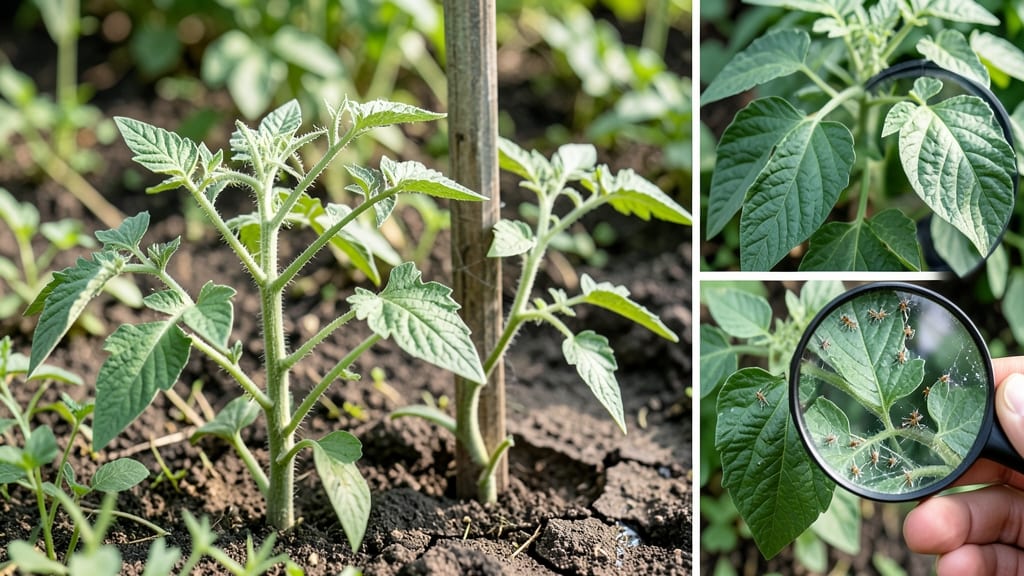
Your tomatoes are growing leaves the size of quarters instead of dinner plates—and that’s exactly how tomato little leaf syndrome starts. 🌱 I’ve watched this stubborn disease turn vibrant plants into stunted, curled messes, but there’s a way to fight back before it spreads.
The key? Recognizing the signs early and acting fast with copper sprays timed just right.
This isn’t just about tiny leaves—it’s a whole plant rebellion. You’ll see stunted vines, yellowing between veins, and flowers that refuse to set fruit. The real culprit? A sneaky phytoplasma infection hitching rides on leafhoppers, and once it’s in your garden, it’s already too late for some plants.
But don’t panic: pruning infected stems immediately and controlling those pesky leafhoppers can stop it in its tracks.
What you’ll learn here is how to diagnose the problem, when to spray copper (and how often), and the simple cultural tweaks that make your tomatoes too tough for this disease.
Within weeks, you’ll see new growth pushing out healthy, normal-sized leaves—and those missing harvests will finally be a thing of the past.
We’ll also cover the preventive moves that work, like reflective mulch and weed control, so you never have to deal with this again. Let’s get those plants back to their full, leafy glory.
Root Causes Of Stunted Tomato Growth
When your tomato plants start showing signs of stunted growth, small leaves, and a generally "sickly" appearance, the culprit is often a combination of environmental stress and microbial activity.
Understanding these triggers is the first step toward prevention and treatment. Below, we break down the key reasons behind this frustrating condition—so you can take action before it spreads.
The most common cause of little leaf syndrome in tomatoes is infection by the Tomato Little Leaf Virus (TLLV), a phytoplasma-related pathogen. Unlike traditional viruses, phytoplasmas are bacteria-like organisms that hijack a plant’s vascular system, disrupting nutrient and water flow.
- How it spreads:
- 🐜 Leafhoppers (the primary vector) feed on infected plants, then transmit the pathogen to healthy ones.
- 🌱 Grafting or cutting propagation from infected stock can also spread it.
- 🌍 Wind or contaminated tools may carry infected plant debris.
- Symptoms to watch for:
- ✅ Stunted, yellowed leaves that appear "little" and brittle.
- ✅ Reduced flowering/fruiting despite healthy-looking stems.
- ✅ Witches'-broom (dense clusters of small shoots).
Actionable fix: Remove infected plants immediately (do not compost them) and use fine mesh netting to block leafhoppers. Copper-based sprays can suppress secondary infections but won’t cure the virus.
Tomatoes are heavy feeders, and when key nutrients are missing, they respond with small, distorted leaves—a classic sign of stress. The most critical deficiencies linked to little leaf syndrome include:
| Nutrient | Deficiency Signs | Quick Fix |
|---|---|---|
| Nitrogen (N) | 🟢 Pale, yellow leaves (chlorosis) starting on older foliage. | Apply blood meal or fish emulsion (high in N). |
| Phosphorus (P) | 🟡 Dark green/purple stems and stunted roots. | Use bone meal or rock phosphate at planting. |
| Potassium (K) | 🔴 Yellowing leaf edges (scorching) and weak stems. | Add greensand or wood ash (moderately high in K). |
| Magnesium (Mg) | 🟠 Interveinal chlorosis (yellow between veins) on older leaves. | Spray Epsom salt solution (1 tbsp/gallon) every 2 weeks. |
Pro tip: Test your soil (💡 $20 home kits work) before fertilizing—overcorrecting can burn roots and worsen symptoms!
Tomatoes thrive in specific conditions, and when those are disrupted, their growth stalls. Common environmental triggers include:
- 🔥 Extreme Heat
Temperatures above 90°F (32°C) cause leaf curling and reduced photosynthesis. High heat also stresses the plant’s vascular system, mimicking little leaf symptoms.
Fix: Provide shade cloth (30-50%) during peak afternoon sun and mulch heavily to retain moisture.
- ❄️ Cold Stress
Tomatoes are tender perennials—exposure to below 50°F (10°C) at night slows growth and distorts new leaves.
Fix: Use row covers or black plastic mulch to warm soil. Avoid planting too early in cool climates.
- 💧 Water Stress
Both underwatering (wilting, crispy edges) and overwatering (root rot, suffocation) disrupt nutrient uptake, leading to small leaves.
Fix: Water deeply 1-2x/week (1-1.5 inches total) and ensure well-draining soil (amend with compost or perlite if needed).
Herbicides, fungicides, and even hard water can disrupt tomato health. Here’s what to suspect:
- 🚫 Herbicide Drift
Glyphosate (Roundup) or 2,4-D (weed killer) can cause stunted growth and leaf distortion if sprayed nearby.
Fix: Avoid chemical herbicides near tomato beds. Use vinegar + dish soap for weeds instead.
- 💧 Hard Water Buildup
High calcium/magnesium in tap water can precipitate in soil, blocking nutrient uptake and causing blossom-end rot (which stresses leaves).
Fix: Use rainwater or distilled water for irrigation. Flush soil annually with chelated iron to reset pH.
- 🍄 Fungicide Overuse
Excessive copper or sulfur sprays can burn foliage and disrupt beneficial microbes, weakening the plant’s defenses.
Fix: Rotate sprays (e.g., neem oil, baking soda) and space applications 7-10 days apart.
Key takeaway: Little leaf syndrome is rarely caused by one factor—it’s usually a mix of viral stress + nutrient gaps + environmental strain. Start with soil testing, pest control, and proper watering to rule out the most common culprits. If the problem persists, copper sprays (timed correctly) can help suppress secondary infections while you address the root causes.
Fixing Your Tomato Plants Now
Tomato little leaf syndrome can be frustrating, but with the right approach, your plants can bounce back—often faster than you think! The key is identifying the root cause and applying targeted fixes. Below, we’ve mapped out practical solutions for each common trigger, plus prevention tips to keep your garden thriving.
If little leaf syndrome is caused by a virus (like Tomato Leaf Curl Virus), copper-based sprays can help suppress symptoms and reduce spread.
How to Fix It:
- 🍳 Apply copper fungicide spray (like copper sulfate or copper hydroxide) every 7–10 days for 4–6 weeks. Start at the first sign of stunted growth or curled leaves.
- 👨🍳 Spray in the early morning or late afternoon to avoid burning leaves in direct sunlight.
- 🥘 Remove and destroy infected plants immediately—do not compost them! Bag them and toss in the trash to prevent virus spread.
- ⏰ Monitor for aphids (common virus vectors) and use neem oil or insecticidal soap if needed.
💡 Pro Tip: Strengthen plant immunity by side-dressing with compost or a balanced fertilizer (10-10-10) to support recovery.
If little leaf syndrome stems from nitrogen or phosphorus deficiency, a quick soil adjustment can revive your tomatoes.
How to Fix It:
- 📊 Test your soil (a simple DIY kit works) to confirm deficiencies. If nitrogen (N) is low, use:
- 🥗 Blood meal (fast-acting organic nitrogen)
- 🍎 Fish emulsion (balanced nutrients + micronutrients)
- ✨ For phosphorus (P) deficiency, apply bone meal or rock phosphate and water deeply.
- 🎯 Avoid over-fertilizing with potassium (K)—too much can worsen symptoms. Stick to a 2-1-1 N-P-K ratio for tomatoes.
💡 Pro Tip: Foliar feeding with a seaweed extract spray can give plants a quick nutrient boost while roots recover.
Heat stress, poor drainage, or compacted soil can mimic little leaf symptoms. Fixing the environment often resolves the issue overnight.
How to Fix It:
- 🌡️ Provide shade cloth (30–50%) if temperatures exceed 90°F (32°C). Tomatoes thrive in 70–85°F (21–29°C).
- 💧 Improve drainage by amending soil with perlite, vermiculite, or coconut coir. Avoid soggy roots!
- 🔪 Loosen compacted soil with a garden fork to aerate roots and encourage water/nutrient uptake.
- 🌧️ Mulch heavily (2–3 inches of straw or wood chips) to retain moisture and regulate soil temp.
💡 Pro Tip: Mist leaves lightly in extreme heat to reduce transpiration stress—just avoid wetting foliage at night to prevent disease.
Aphids and whiteflies spread viruses and sap-suck, causing stunted growth. Knock them out fast to stop symptom progression.
How to Fix It:
- 🔪 Blast them off with a strong spray of water (aphids hate this!).
- 🍳 Apply insecticidal soap or neem oil (repeat every 5–7 days until gone).
- 🐝 Introduce beneficial insects like ladybugs, lacewings, or parasitic wasps for long-term control.
- 🥘 Use reflective mulch (aluminum foil or silver plastic) to confuse and repel whiteflies.
💡 Pro Tip: Plant basil or marigolds nearby—they naturally deter aphids and improve tomato health.
Once you’ve treated the problem, prevent recurrence with these garden habits:
- 🌱 Rotate crops—never plant tomatoes (or nightshades) in the same spot two years in a row.
- 🧼 Sterilize tools with rubbing alcohol between plants to avoid virus spread.
- 🌿 Start with disease-resistant varieties like ‘Solar Fire’ or ‘Mountain Merit’.
- 💧 Water at the base (never overhead) to prevent fungal hitchhikers.
- 🔄 Test soil annually and amend as needed—healthy soil = healthy plants!
Remember: Little leaf syndrome is manageable—act fast, stay consistent, and your tomatoes will reward you with juicy, robust harvests in no time! 🍅🌿
Frequently asked questions
Can copper sprays actually cure tomato little leaf syndrome?
Copper sprays won't cure the viral infection itself, but they can help suppress secondary bacterial infections that worsen symptoms. Use copper sulfate or hydroxide every 7-10 days for 4-6 weeks, starting at first signs of stunted growth. The key is combining sprays with removing infected plants and controlling leafhoppers.
What's the fastest way to tell if my tomatoes have little leaf syndrome?
Look for these 3 key signs: tiny leaves (1/3 normal size), yellowing between veins, and reduced flowering despite healthy stems. Check the undersides of leaves for leafhoppers—their presence strongly indicates phytoplasma infection. Compare affected plants to healthy ones side-by-side for clarity.
Will my tomato plants recover if I prune the infected leaves?
Pruning won't cure the disease, but it can help slow spread to healthy parts. Remove only the most severely infected stems (those with witches'-broom growth) and destroy them immediately. Focus on improving plant health through proper watering, fertilization, and pest control—this gives remaining growth a better chance to recover.
Can I still harvest tomatoes from infected plants?
Yes, but only from healthy-looking fruit already set before symptoms appeared. The virus doesn't directly affect fruit quality, but avoid eating leaves or stems. For next year, sterilize all tools and rotate crops—never plant tomatoes in the same spot where infected plants grew.
How do I prevent little leaf syndrome in my garden next season?
Start with disease-resistant varieties like 'Mountain Merit' or 'Solar Fire'. Use reflective mulch (aluminum foil) to deter leafhoppers, and plant basil or marigolds nearby as natural repellents. Test soil annually and avoid overhead watering—always water at the base to prevent fungal hitchhikers that worsen symptoms.