
Pests and Diseases
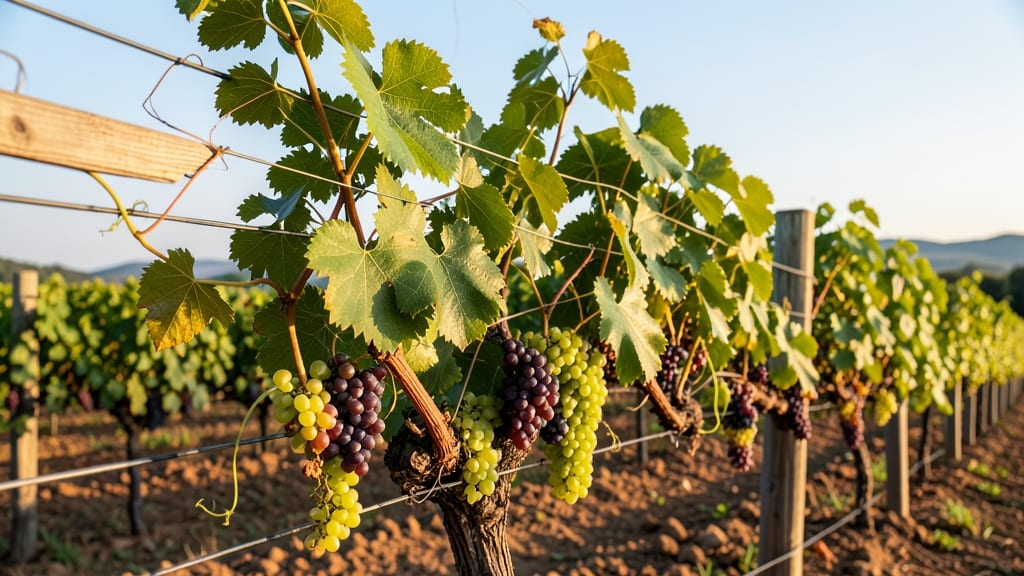
A grape leaf menu showcases creative dishes using fresh grape leaves, blending traditional stuffed leaves (dolmas) with contemporary salads, wraps, and even fusion rolls. Their tangy, mineral-rich flavor pairs perfectly with rice, herbs, and meats for Mediterranean-inspired meals.
Grape leaves bring a unique texture and subtle acidity to dishes that elevate everything from classic stuffed vine leaves to modern twists. 🌿 The secret lies in their young, tender harvest—when leaves are at their peak, they hold their shape beautifully while absorbing flavors like a sponge.
Whether you're making traditional dolmas or experimenting with grape leaf tacos, the key is proper preparation: blanching removes bitterness while preserving that signature tang.
What makes this menu so exciting is its adaptability. You can use grape leaves as edible wraps for everything from grilled lamb to spicy shrimp, or chop them finely into salads for a fresh, herby crunch.
The leaves' natural mineral notes complement bold spices like cumin or allspice, making them a chef's secret weapon for Mediterranean and Middle Eastern-inspired dishes.
💡 In This Article
- How to Harvest and Prepare Grape Leaves for Cooking
- Classic vs Modern Grape Leaf Recipes: A Culinary Comparison
Classic vs modern grape leaf recipes: a culinary comparison
The traditional stuffed grape leaf, or dolma, originates from Mediterranean and Middle Eastern cuisines, where whole leaves are filled with a mixture of short-grain rice, herbs, and sometimes ground meat.
The key to authentic dolmas lies in the 1:2 ratio of rice to liquid (like broth or lemon juice) to prevent drying out during the 1.5-2 hour simmering in tomato sauce or vinegar.
These classic versions rely on the leaves' natural structure to hold the filling while providing a subtle tang that balances the rich flavors inside.
Modern adaptations take this concept further by treating grape leaves as versatile wraps or garnishes. For example, grape leaf tacos replace tortillas with lightly blanched leaves (just 30 seconds in boiling water) that stay pliable when stuffed with spiced ground beef or black beans.
The leaves' delicate texture contrasts beautifully with heartier fillings, adding a fresh, almost citrusy note that brightens every bite. 🌟 Another innovation is grape leaf sushi rolls, where the leaves replace nori sheets—when lightly salted and toasted, they develop a crisp edge while keeping the roll's center tender.
What makes modern recipes exciting is their flexibility with ingredients. Traditional dolmas often use lamb or beef, but contemporary versions swap these for shrimp, goat cheese, or even roasted vegetables.
The leaves' mineral-rich flavor pairs exceptionally well with bold ingredients like sun-dried tomatoes or feta, creating dishes that feel both familiar and inventive.
For instance, a grape leaf salad might combine chopped leaves with diced cucumber, olives, and a lemon-olive oil dressing, where the leaves' natural bitterness is softened by the acidity while still adding depth.
Cooking techniques also differ significantly. Classic dolmas require careful layering and simmering to prevent bursting, while modern wraps often rely on quick searing or grilling to develop flavor without overcooking.
For example, grape leaf empanadas might be pan-fried for just 2-3 minutes per side at medium-high heat, creating a crisp exterior while keeping the filling juicy. This approach highlights the leaves' ability to transform from a traditional ingredient into a modern canvas for culinary creativity.
The presentation of these dishes also reflects their evolution. Traditional dolmas are often served in a mound with lemon wedges, while modern versions might be arranged on a platter with edible flowers or drizzled with infused oils.
The leaves' natural shape and color make them ideal for artistic plating—whether folded into intricate shapes or used as edible plates for dips. This visual appeal is part of what makes grape leaf dishes so adaptable to both home kitchens and fine dining menus.
For home cooks, the biggest advantage of modern grape leaf recipes is their accessibility. While traditional dolmas require precise timing and layering, contemporary versions often involve simpler assembly—like rolling leaves around fillings and baking or grilling them.
This lowers the barrier to experimenting with this ingredient while still delivering restaurant-quality results. The leaves' versatility means they can elevate everything from appetizers to mains, making them a must-have for any Mediterranean-inspired menu.