
Size
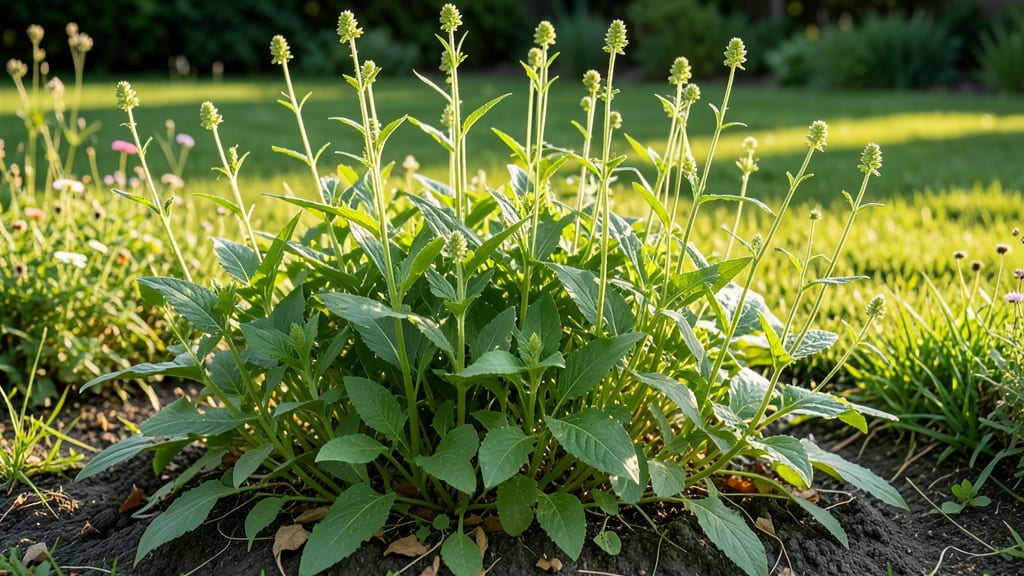
Tall broadleaf weeds like dandelions and plantain can turn your garden into a jungle if you don’t act fast. 🌱 I’ve spent years battling these stubborn invaders, and I’ve learned that precision trimming—not just hacking—is the key to keeping them in check without harming your plants.
The problem isn’t just their height; it’s how they steal nutrients, crowd out flowers, and spread seeds faster than you can say "weed whacker." A single dandelion can produce up to 2,000 seeds in one season, so cutting them back early saves you months of frustration later.
With the right technique, you’ll see weeds shrink by half in just one week, and your garden beds will look tidier than ever. The best part? You can do this by hand, with shears, or even a string trimmer—no harsh chemicals needed.
This method works year-round, whether you’re dealing with spring sprouts or fall regrowth. Let’s get those weeds under control without the guesswork.
Root Causes of Unwanted Growth
Tall broadleaf weeds don’t just pop up by accident—they thrive because of specific conditions that give them an edge over your lawn or garden. Understanding these root causes is the first step to stopping them before they take over. Here’s why they keep coming back stronger than ever.
Weeds like dandelions, plantain, and clover love disturbed, nutrient-poor, or compacted soil. Here’s why:
- Low organic matter: Healthy soil rich in compost and microbes suppresses weeds by outcompeting them for resources. If your soil is sandy, clay-heavy, or depleted, broadleaf weeds fill the void because they’re fast growers adapted to lean conditions.
- Compacted layers: Foot traffic, machinery, or heavy rain compress soil, restricting water and oxygen to grass roots. Weeds, with their shallow, aggressive root systems, thrive in these gaps while your lawn struggles to recover.
- pH imbalances: Most weeds prefer slightly acidic to neutral soil (pH 6.0–7.0). If your soil is too alkaline (high pH), essential nutrients like iron and manganese become locked away, weakening grass and leaving space for weeds to dominate.
Actionable fix: Test your soil (DIY kits or lab tests work) and amend with compost, sulfur (for high pH), or lime (for low pH) to restore balance. Aeration in fall or spring can also break up compaction.
Broadleaf weeds exploit any weakness in your turf. Here’s how:
- Thin grass patches: When grass is sparse (due to drought, disease, or poor seeding), weeds move in to claim sunlight and space. A dense lawn blocks 90% of light, starving weeds before they germinate.
- Mowing too short: Cutting grass below 2–3 inches stresses it, exposing bare soil where weed seeds can sprout. Weeds like chickweed germinate in disturbed soil and outcompete weak grass.
- Slow recovery after damage: Pet urine, construction, or heavy foot traffic kills grass in spots. Without quick repair (reseeding or sod), weeds take root within 7–10 days.
Actionable fix:
- Mow at 3–4 inches to shade soil and crowd out weeds.
- Reseed bare patches with tall fescue or perennial ryegrass, which grow faster than weeds.
- Apply a pre-emergent herbicide in early spring to block weed seeds before they sprout.
Watering habits directly impact weed growth. Here’s how:
| Problem | Why It Helps Weeds |
|---|---|
| Overwatering | Weeds like nettles and bindweed thrive in soggy soil. Excess moisture washes away nutrients, weakening grass roots and giving weeds a hydration advantage. |
| Underwatering | Drought-stressed grass turns brown, creating bare spots where weed seeds (like purslane) germinate quickly to survive dry conditions. |
| Inconsistent watering | Fluctuating moisture levels shock grass roots, while weeds adapt to erratic conditions with deep or shallow root systems. |
Actionable fix:
- Water deeply 2–3 times per week (early morning) to encourage deep grass roots.
- Use soaker hoses or drip irrigation to target lawns without overspraying sidewalks (where weeds grow).
- Adjust sprinklers to avoid “ponding”—standing water invites weeds like duckweed.
Broadleaf weeds are masters of persistence. Their survival tactics include:
- Windborne seeds: Weeds like lamb’s quarters release thousands of seeds that travel miles, landing in cracks, driveways, and garden beds.
- Animal-assisted dispersal: Birds, squirrels, and even your dog spread seeds via fur or droppings. Crabgrass hitches rides on shoes and equipment.
- Deep seed banks: Some weed seeds (like dandelions) can lie dormant for 5+ years in soil, waiting for the perfect conditions to sprout.
- Rapid germination: Weeds like chickweed germinate in as little as 3 days when soil temps hit 50°F (10°C).
Actionable fix:
- Remove weeds before they seed (hand-pull or trim flower heads).
- Mulch garden beds with cardboard + wood chips to block light and smother weed seeds.
- Clean tools, shoes, and pet bedding regularly to avoid spreading seeds.
Too much nitrogen or synthetic fertilizers can backfire by creating the perfect weed paradise:
- Weed-specific nutrient love: Broadleaf weeds like clover and plantain thrive on high nitrogen, which grass also needs—but weeds grow faster when grass is overfed.
- Soil toxicity: Excess salts from fertilizers can burn grass roots, leaving gaps for weeds to invade.
- Herbicide resistance: Repeatedly using the same herbicide (e.g., 2,4-D) can create superweeds that ignore treatments.
Actionable fix:
- Use a slow-release, organic fertilizer (like compost or alfalfa meal) to feed soil, not just grass.
- Test soil for nitrogen levels—0.5–1.0% is ideal for most lawns.
- Rotate herbicides annually to prevent resistance (e.g., switch between pre-emergent and post-emergent treatments).
Simple Fixes for Stubborn Weeds
Tall broadleaf weeds may seem like a never-ending battle, but with the right tools and techniques, you can reclaim your yard or garden with ease. Below, we’ll break down practical, step-by-step solutions tailored to the most common causes of these pesky plants—so you can tackle them before they take over.
---
If weeds have simply outgrown your control efforts, the fix is straightforward: cut, remove, and prevent regrowth.
#### 🔪 Manual Removal (Best for Small Areas) 1. Pull at the Right Time – Wait for a rainy or damp day when soil is soft, making it easier to uproot weeds without breaking. 2. Grab and Twist – Use gloves and grasp the weed at the base.
Twist sharply to loosen roots before pulling upward. 3. Dispose Properly – Place weeds in a sealed bag or compost bin (if they’re seed-free) to prevent reseeding.
#### ✂️ Precision Trimming (For Large or Established Weeds) - Use a String Trimmer or Hedge Shears – For thick stems, trim just above the soil line to weaken the plant. - Mulch the Clippings – Chopped weeds can decompose into natural mulch, suppressing future growth. - Reapply Every 2-3 Weeks – Consistency is key to starving weeds of sunlight.
> 💡 Pro Tip: If weeds keep returning, they may have deep taproots—dig deeper or use a soil knife for stubborn varieties like dandelions.
---
Weeds thrive in compacted or waterlogged soil where grass struggles. Fix the root cause with these steps:
#### 🏗️ Aerate and Improve Soil Health 1. Rent a Core Aerator – Poke holes 3-4 inches deep to break up compacted soil. 2. Add Organic Matter – Mix in compost or peat moss to improve drainage and fertility.
3. Top-Dress with Sand (If Needed) – For clay-heavy soil, a thin layer of coarse sand helps aeration.
#### 💧 Adjust Watering Habits - Water Deeply but Infrequently – Encourages grass roots to grow deeper, outcompeting weeds. - Avoid Overwatering – Weeds like broadleaf plants often signal excess moisture—let soil dry slightly between waterings.
> 🌡️ Pro Tip: Test your soil’s pH level (ideal for grass is 6.0-7.0). If too alkaline, add sulfur or peat moss to balance it.
---
A sparse lawn invites weeds by leaving gaps for sunlight and nutrients. Strengthen your grass to crowd them out:
#### 🌱 Overseeding for Thicker Cover 1. Choose the Right Grass Seed – Pick a drought-resistant, fast-growing variety suited to your climate. 2. Spread Seed After Aerating – Lightly rake soil to ensure good seed-to-soil contact.
3. Keep Moist Until Germination – Water lightly daily for 2-3 weeks until new grass sprouts.
#### 💪 Fertilize Strategically - Use a Slow-Release, Weed-Control Fertilizer – Look for pre-emergent options with corn gluten meal (natural weed suppressor). - Apply in Early Spring or Fall – Avoid summer heat stress on grass.
> ✨ Pro Tip: Pre-emergent herbicides (like prodiamine) work best before weeds sprout—apply in early spring for fall germinators.
---
For severe infestations, targeted herbicides can help—but use them sparingly and safely.
#### 🧴 Selective Herbicide Application 1. Choose a 2,4-D or Dicamba-Based Product – These target broadleaf weeds while sparing grass. 2. Apply on a Calm Day – Avoid wind to prevent drift onto desirable plants. 3. Follow Label Instructions – Reapply as needed (usually every 4-6 weeks).
#### 🌿 Natural Alternatives - Vinegar + Dish Soap Spray – Mix 1 gallon vinegar + 1 oz dish soap for a non-toxic burn-down (best for sidewalks, not lawns). - Boiling Water – Pour directly on weed bases for instant kill (works well in cracks).
> 🎯 Pro Tip: Spot-treat instead of blanket spraying to minimize chemical use.
---
Once weeds are under control, keep them from returning with these habits:
- Mow High – Set your lawnmower to 3-4 inches to shade out weed seeds. - Edge Regularly – Trim borders to prevent weeds from creeping into lawn areas. - Remove Weeds Early – The smaller they are, the easier to pull. - Use Mulch in Gardens – Wood chips or straw block sunlight and suppress growth.
--- By addressing why weeds appear in the first place, you’ll spend less time pulling and more time enjoying a lush, weed-free space. Start with one or two methods, then expand based on what works best for your yard!
Frequently asked questions
Why do tall broadleaf weeds grow so fast in my garden?
These weeds thrive because they’re opportunistic growers that exploit weak soil conditions. They spread quickly when grass is thin, soil is compacted, or there’s excess nitrogen. Their shallow roots also absorb water and nutrients faster than many garden plants, giving them a competitive edge.
Can I just mow tall broadleaf weeds instead of pulling them?
Mowing alone won’t eliminate them—it actually encourages more growth by stimulating seed production. For best results, combine mowing with hand-pulling or targeted trimming to weaken the plants before they go to seed. Regular maintenance every 2-3 weeks prevents regrowth.
What’s the best time of day to trim tall broadleaf weeds?
Early morning is ideal because the soil is damp from dew, making it easier to uproot stubborn weeds. Avoid trimming in the heat of the day—this stresses plants and can cause them to regrow faster. If you must trim later, water the area first to soften the soil.
Will vinegar kill tall broadleaf weeds permanently?
Vinegar can kill weeds on contact, but it’s not a permanent solution—new weeds will sprout from seeds still in the soil. For long-term control, combine vinegar treatments with mulching or soil improvement methods. Use a 20% acetic acid solution (household vinegar is only about 5%) for better results.
How do I prevent tall broadleaf weeds from spreading to my lawn?
Create a natural barrier by maintaining a 3-4 inch tall lawn—taller grass blocks sunlight that weeds need to grow. Also, edge your garden beds regularly and apply a pre-emergent herbicide in early spring to stop weed seeds before they sprout.