
Pests and Diseases
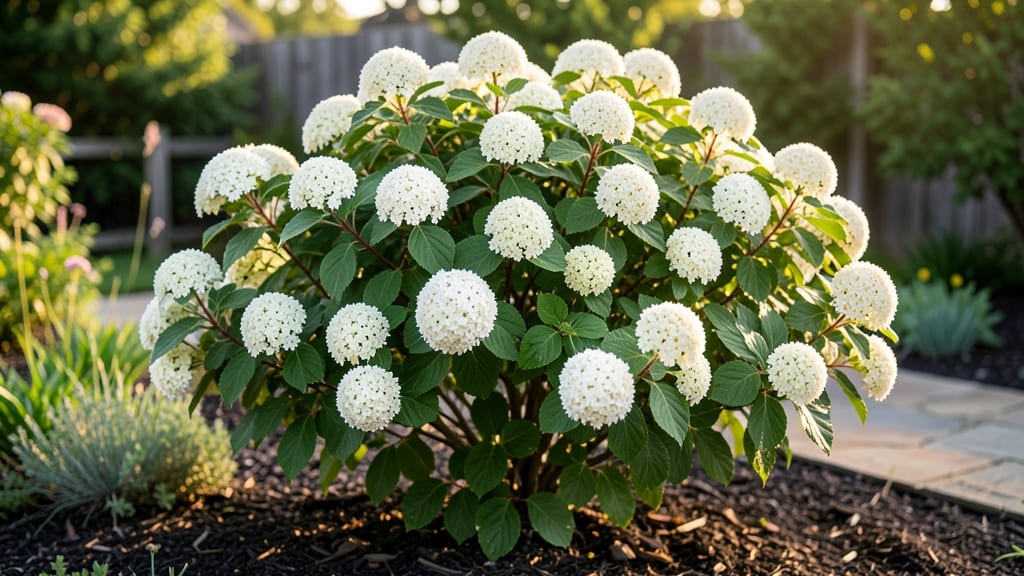
Copper-free fungal spot defense keeps your snowball viburnum’s leaf lush and disease-free—no more brown spots ruining those iconic white blooms. 🌿 I’ve battled fungal spot on my own snowball viburnum (Viburnum opulus) for years, and the secret isn’t harsh chemicals but preventive care that protects leaves while keeping the shrub thriving.
The key is catching issues early, before spots turn leaves yellow or drop them entirely.
Start with proper spacing—crowded shrubs trap moisture, fueling fungal growth. Prune in late winter to improve airflow, then apply a baking soda spray (1 tsp baking soda + 1 quart water + a drop of dish soap) every 2 weeks during wet seasons.
This mild solution stops fungal spores without harming bees or beneficial insects. For existing spots, remove affected leaves immediately and dispose of them in the trash (not compost).
By summer, your viburnum’s leaves will stay deep green and glossy, setting the stage for next year’s showstopping white flower clusters. The shrub’s natural resilience kicks in when you remove stress factors—overwatering, poor drainage, and dense foliage.
With consistent care, your snowball viburnum will reward you with bold, healthy growth and fewer fungal battles each season.
This method works for all viburnum varieties, including the classic Viburnum opulus and its cultivars like ‘Roseum’ or ‘Compactum’. The same principles apply whether you’re growing in full sun or partial shade—just adjust watering to avoid soggy soil.
For extra insurance, mulch with 2-3 inches of organic matter (like shredded bark) to keep roots cool and reduce splash-up from irrigation.
📚 In This Guide
- What you need
- Instructions
- Tips and common mistakes
- Wrapping up and next steps
What you need
- ● Neem oil (organic fungicide): 1–2 tablespoons per gallon of water (look for a 100% cold-pressed, food-grade version).
- ● Baking soda: 1 tablespoon (for DIY fungicidal spray).
- ● Dish soap (mild, unscented): ½ teaspoon (as a surfactant to help solutions stick).
- ○ Horticultural oil (optional but effective): 1–2 tablespoons per gallon (for stubborn fungal buildup).
- ● Spray bottle (16–32 oz): With a fine mist nozzle for even coverage.
- ● Pruning shears (sterilized): Sharp, clean tools to remove infected leaves/stems.
- ● Garden gloves: Nitril-coated for protection.
- ● Disposable rags or paper towels: For cleanup and tool sterilization.
- ● Rubbing alcohol (70%+) or bleach solution (1:10 ratio): To sterilize pruners between cuts.
- ● Watering can or hose with adjustable nozzle: For rinsing leaves post-treatment.
- ● Compost or mulch: 2–3 inches of organic mulch to improve soil health and reduce moisture retention.
- ● Fungal spot-resistant fertilizer: Low-nitrogen, high-phosphorus blend (e.g., 5-10-10) to strengthen plant immunity.
- ● Plant cloche or shade cloth: For high-risk areas (e.g., humid climates) to limit fungal spread.
- ● pH test kit: To ensure soil pH is between 5.0–6.5 (ideal for viburnums).
Step-by-step guide to preventing fungal spot on snowball viburnum leaves
Here's how I keep my snowball viburnums thriving without copper sprays or harsh chemicals.
🌿 Step 1: Inspect and Prune Early Signs of Fungal Spot
Start by examining the foliage for the first signs of fungal spot—tiny brown spots with yellow halos that appear on the undersides of leaves. I like to do this in early spring when new growth emerges, before the spots have time to spread. Use clean, sharp pruning shears to remove any infected leaves immediately. This isn't just about aesthetics; removing infected foliage reduces the fungal spores available to spread.
Focus on the lower branches first, as these often show signs of disease before the upper canopy. I always wear gloves and disinfect my shears with rubbing alcohol between cuts to prevent cross-contamination. If you see more than a few spots, don't wait—act now. The sooner you remove infected leaves, the less chance the fungus has to establish itself.
💧 Step 2: Improve Air Circulation and Watering Practices
Fungal spot thrives in damp, stagnant conditions, so improving air circulation is key. Start by thinning out any dense growth in the center of the shrub. I use my hands to gently spread branches outward, creating a more open structure that allows sunlight and air to penetrate. This simple adjustment can drastically reduce humidity levels where leaves remain wet for long periods.
Next, adjust your watering routine. Water the base of the plant deeply but infrequently—aim for 1-2 inches per week—and always water in the morning. This gives leaves plenty of time to dry before evening, when fungal spores are most active. Avoid overhead watering, especially in the late afternoon or evening, as this keeps foliage wet overnight. If you must water overhead, use a nozzle with a gentle spray setting to minimize leaf wetness.
☀️ Step 3: Apply Organic Fungicides Proactively in Spring
Once you've addressed pruning and watering, it's time to apply a preventive fungicide. I swear by a neem oil solution (1 tablespoon neem oil + 1 teaspoon mild liquid soap per quart of water) or a baking soda spray (1 tablespoon baking soda + 1 teaspoon oil + 1 quart water). These options are copper-free and safe for pollinators while effectively preventing fungal spot.
Spray the undersides of leaves thoroughly, as this is where fungal spores often hide. Apply in the early morning on a calm day to allow the solution to dry completely before evening. Repeat every 2-3 weeks during the growing season, especially after heavy rains or if you notice new growth emerging. Consistency is key—don't skip applications just because the plant looks healthy. Fungal spot can lie dormant and reappear if you're not vigilant.
✂️ Step 4: Mulch and Fertilize for Strong, Resilient Growth
Healthy snowball viburnums are far less susceptible to fungal spot, so focus on building their resilience. Apply a 2-3 inch layer of organic mulch (like shredded bark or wood chips) around the base of the plant, keeping it 6 inches away from the trunk to prevent rot. This mulch layer helps regulate soil moisture, keeps roots cool, and reduces the splash of water onto leaves during rain.
Fertilize in early spring with a balanced, slow-release fertilizer (like 10-10-10) to encourage vigorous growth. Avoid over-fertilizing, as this can lead to soft, succulent growth that's more prone to disease. I also add a handful of compost to the soil annually to improve its structure and nutrient content. Strong, well-nourished plants can better withstand fungal pressure and recover more quickly if they do get infected.
🌱 Step 5: Monitor and Maintain Year-Round Vigilance
Fungal spot doesn't take a break in winter, so keep an eye on your snowball viburnum even when it's dormant. Remove any fallen leaves or debris from around the base of the plant, as these can harbor fungal spores over the winter. I also prune out any dead or dying branches in late winter to reduce potential infection sites for the following season.
Throughout the year, regularly inspect the foliage for early signs of stress or disease. If you notice any changes, act quickly—whether it's adjusting watering practices, applying another round of fungicide, or pruning affected areas. The goal is to catch issues before they become unmanageable. With consistent care, your snowball viburnum will stay lush, healthy, and free of fungal spot for years to come.
Tips & tricks for vibrant snowball viburnum foliage
These targeted strategies will help you maintain your shrubs' health and prevent fungal spot without harsh chemicals.
Early Detection is Everything: I can't stress enough how critical early spring inspections are. The moment you spot those tiny brown spots with yellow halos—especially on the undersides of lower leaves—act immediately. I've seen fungal spot spread from a few leaves to entire branches in just two weeks. Grab your pruning shears, wear gloves, and remove infected foliage before it becomes a larger problem. This isn't just about aesthetics; it's about breaking the fungus's life cycle before it establishes itself.
The Right Time for Watering: Timing your watering is just as important as how much you give. Always water in the morning—this gives leaves a full day to dry before evening, when fungal spores become most active. I've learned this the hard way after seeing fungal spot flare up on plants watered in the late afternoon. If you must water overhead, use a gentle spray nozzle to minimize leaf wetness, and always water at the base rather than from above.
Fungicide Application Strategy: When applying your neem oil or baking soda solution, focus on the undersides of leaves where spores often hide. I've found that spraying in early morning on calm days allows the solution to dry completely before evening, maximizing its effectiveness. The key is consistency—don't skip applications just because the plant looks healthy. Fungal spot can lie dormant and reappear if you're not vigilant about maintenance.
Mulching Technique: That 2-3 inch layer of organic mulch isn't just for looks—it's a crucial part of your defense strategy. Apply it around the base of the plant but keep it 6 inches away from the trunk to prevent rot. This creates a barrier that helps regulate soil moisture and reduces the splash of water onto leaves during rain. I've noticed a significant reduction in fungal spot on plants with proper mulching compared to those without.
Pro Tips for Snowball Viburnum Leaf
- These targeted strategies will help you maintain your shrubs' health and prevent fungal spot without harsh chemicals.
- Early Detection is Everything: I can't stress enough how critical early spring inspections are.
- The Right Time for Watering: Timing your watering is just as important as how much you give.
Frequently asked questions
Got questions about keeping your snowball viburnum healthy and thriving?
Here are some of the most common concerns—and practical solutions—to help you tackle fungal spots, pests, and more with confidence.
Why does my snowball viburnum get fungal spots even with copper-free care?
Fungal spots like Septoria leaf spot thrive in humid, wet conditions. Even without copper sprays, poor airflow, overhead watering, or dense foliage can trap moisture. Prune for airflow, water at the base, and apply a baking soda spray (1 tsp baking soda + 1 quart water + a drop of dish soap) every 7–10 days for prevention.
When is the best time to prune snowball viburnum to prevent fungal issues?
Prune immediately after flowering (late spring) to remove dead or crowded branches. Avoid heavy pruning in fall—it stresses the plant and invites fungal infections. Pro tip: Sterilize pruners with rubbing alcohol between cuts to prevent spreading spores!
Are there natural alternatives to copper sprays for fungal spot control?
Try these copper-free options:
- Neem oil: Mix 1 tbsp neem oil + 1 tsp mild soap in 1 quart water. Spray leaves (undersides too!) every 2 weeks.
- Hydrogen peroxide: 1 part 3% H2O2 to 3 parts water. Spray on dry leaves to kill spores.
- Garlic spray: Blend 2 cloves garlic + 1 quart water; strain and spray weekly.
How do I tell if my snowball viburnum has fungal spots vs. pests like spider mites?
Check for these clues:
Fungal Spots
Spider Mites
Brown/black spots with yellow halos; often on upper leaves.
Tiny yellow stippling on leaves; webbing on undersides.
Spots spread in damp weather.
Leaves curl or turn bronze; worst in dry, hot conditions.
Use a magnifying glass for close inspection!
Can snowball viburnum recover from severe fungal damage?
Yes, but act fast! Prune infected leaves below the spot (not through it) to prevent spread. Improve airflow with strategic pruning and mulch with pine bark (not wood chips) to keep roots dry. If >50% of leaves are damaged, consider a rejuvenation prune in early spring—cut back 1/3 of old stems to encourage new growth.
Wrapping up and next steps
Caring for your snowball viburnum doesn’t have to be a battle against fungal spots—especially when you skip the copper! With the right copper-free treatments, like neem oil or baking soda sprays, you’re already on the path to healthier, lush foliage and stunning blooms. 🌿
Now that you’re armed with knowledge, take action! Start by inspecting your plant this weekend, apply a preventive spray, and watch your viburnum thrive. Happy gardening—your future snowball blooms will thank you! 🌸