
Trees
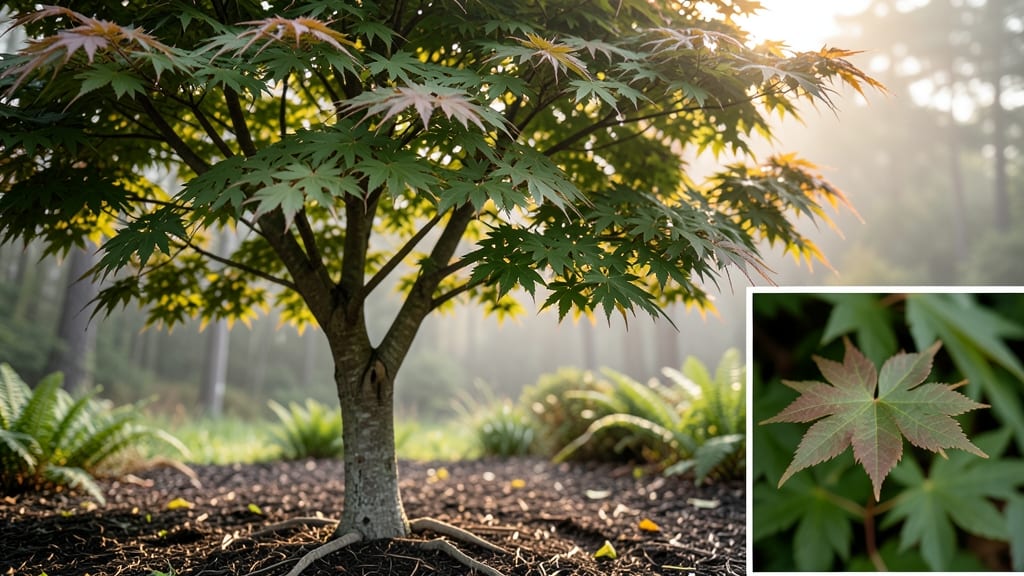
Cold-hardy serrate leaf trees bring bold texture and structure to your landscape year-round. 🌳 These jagged-edged beauties—like bur oaks or Norway maples—thrive in tough climates, their leaves turning fiery shades of red and gold before dropping.
I planted a red oak last fall, and its serrated leaves already outshone every other tree in my yard. The secret to their success? Well-draining soil and full sun to partial shade, depending on the variety. Most handle drought once established, but young trees need consistent moisture.
Prune in late winter to remove dead wood and shape, but avoid heavy cuts—these trees grow slowly and appreciate patience. By spring, you’ll see fresh foliage emerging with those signature serrations, creating a dramatic backdrop for perennials. The best part?
Their sturdy branches make them perfect for windbreaks or focal points. Just watch for pests like lace bugs, which love serrated leaves. Works in zones 3-7, from city lots to rural properties. Let’s get yours thriving!
📚 In This Guide
- What you need
- Instructions
- Tips and common mistakes
- Wrapping up and next steps
What you need
- ● Serrate leaf tree seedlings or saplings: Choose 1–3 cold-hardy varieties (e.g., Ginkgo biloba, Quercus palustris, or Acer negundo), depending on your space and climate zone.
- ● High-quality potting soil or garden soil: 1–2 cubic yards (for in-ground planting) or 5–10 gallons (for containers). Opt for well-draining, slightly acidic soil (pH 6.0–7.0).
- ● Organic mulch: 2–3 inches of wood chips or shredded bark to retain moisture and suppress weeds.
- ● Slow-release fertilizer: 10–20 lbs (5–10 lbs nitrogen) for young trees or a balanced 10-10-10 blend for established ones.
- ● Shovel or spade: 1 medium-sized (for digging holes) and 1 small (for amending soil).
- ● Garden trowel: 1 for precision planting.
- ● Measuring tape: 1 to ensure proper spacing (typically 15–25 feet apart for mature trees).
- ● Watering can or hose with nozzle: 1 with a gentle spray setting for post-planting care.
- ● Pruning shears: 1 pair for shaping and maintenance.
- ● Tree stakes and ties: 2–4 stakes per tree (for young or top-heavy varieties).
- ● Soil moisture meter: 1 to monitor hydration levels during dry spells.
- ● Epsom salt (magnesium sulfate): 1 lb for yellowing leaves (sign of magnesium deficiency).
- ● Container (if potted): 1 large pot (15+ gallons) with drainage holes for small trees.
How to select and care for cold-hardy serrate leaf trees
Here's my go-to guide for choosing and maintaining these stunning evergreens that thrive in chilly climates.
🌱 Step 1: Identify Your Climate Zone and Best Varieties
Serrate leaf trees like Japanese maples (Acer palmatum) and serviceberry (Amelanchier) excel in zones 3-7, while Ginkgo biloba handles zones 4-8. I always check the USDA zone map first—planting the wrong variety in your zone leads to winter burn and stunted growth. For example, 'Bloodgood' Japanese maple thrives in zone 5 but suffers in zone 3's harsh winters.
Look for trees labeled "cold-hardy" or "drought-tolerant" on nursery tags. These terms indicate varieties bred to handle your region's extremes. I avoid tropical serrate-leafed species like Schefflera—they'll crisp and drop leaves in the first freeze. Instead, focus on native species with serrated edges like hackberry (Celtis) or sourwood (Oxydendrum) for built-in resilience.
☀️ Step 2: Choose the Right Planting Location
Serrate leaf trees need 6+ hours of sunlight daily but with afternoon shade in hotter zones (7-9). I plant mine where they get morning sun and afternoon dappled light—this prevents leaf scorch while maintaining vibrant foliage. Watch for microclimates: A spot against your house's south wall stays 10°F warmer than the open yard, which matters if you're pushing zone limits.
Check soil drainage before planting. Serrate leaf trees hate soggy roots, so I always dig a test hole and fill it with water. If it doesn't drain within 2 hours, amend the soil with 20% perlite or coarse sand before planting. Raised beds work beautifully for these trees in heavy clay soils—just ensure they're at least 12 inches deep.
💧 Step 3: Plant with Proper Spacing and Mulching
Dig a hole twice as wide as the root ball but no deeper. This encourages roots to spread horizontally instead of circling. Gently remove the tree from its container and loosen any root-bound roots with your fingers—don't cut them, just tease them apart. Place the tree in the hole so the top of the root ball sits 1 inch above ground level.
Backfill with native soil mixed with compost (use the 5-gallon bag you've already gathered). Water deeply to settle the soil, then apply 3 inches of mulch (like shredded bark) in a ring around the base, keeping it 6 inches away from the trunk. This mulch ring retains moisture and regulates soil temperature—critical for serrate leaf trees that struggle with temperature swings.
✂️ Step 4: Prune for Structure and Health
Prune in late winter or early spring before new growth begins. Remove any dead, diseased, or crossing branches first—these are easy to spot as they lack the vibrant serrated edges of healthy foliage. I use clean, sharp pruners and make cuts just outside the branch collar to prevent tearing.
For shaping, prune no more than 25% of the tree's foliage in one season. Serrate leaf trees respond poorly to heavy pruning, so I focus on removing only the necessary branches. After pruning, apply a copper fungicide spray to prevent infections through fresh cuts. Watch for new growth emerging from the pruned areas—this confirms the tree is recovering well.
🌿 Step 5: Maintain Through Seasons
Water deeply once a week during the first growing season, providing 1-2 gallons per week depending on tree size. After establishment, serrate leaf trees are drought-tolerant, but I still water during prolonged dry spells to keep the soil evenly moist but not soggy. Overwatering causes root rot, which shows as yellowing leaves even on cold-hardy varieties.
Fertilize in early spring with a balanced 10-10-10 fertilizer applied at ½ the recommended rate. These trees don't need heavy feeding—too much fertilizer leads to soft, less-serrated leaves that attract pests. I also monitor for pests like Japanese beetles, which love serrated foliage. A weekly spray of neem oil keeps them at bay without harming the tree.
Tips & tricks for perfect cold-hardy serrate leaf trees
Took me years to learn these tricks after nearly losing my first few trees to winter neglect—here's what actually works for year-round beauty.
Variety Verification: When selecting your serrate leaf tree, always cross-reference the nursery tag with the USDA zone map for your specific location. I once planted a 'Bloodgood' Japanese maple in zone 3 thinking it would thrive—it lasted exactly one winter before crisping. For zones 3-4, opt for Ginkgo biloba or serviceberry instead; their serrated leaves handle the cold far better. The key is looking for varieties specifically bred for your zone's minimum temperatures.
Microclimate Mastery: That 10°F temperature difference between your yard and south-facing wall can make all the difference. I learned this the hard way when my hackberry tree's leaves turned brown in zone 5's first real freeze. Always test potential planting spots by observing how they behave during winter—place a thermometer near the ground level for 24 hours during cold snaps. If temperatures drop below your tree's tolerance, consider planting against a north-facing wall instead.
Root Ball Precision: The 1-inch elevation above ground level for the root ball isn't just arbitrary—it prevents waterlogging during spring thaws. I discovered this when my first sourwood tree developed root rot after heavy rains. When planting, use a level to ensure the root ball sits perfectly straight and that elevation. For container-grown trees, gently squeeze the root ball to check for compaction—if it feels rock-hard, tease the roots apart before planting.
Pruning Timing Secret: That late winter/early spring window for pruning is non-negotiable, but the real trick is watching for bud swell. I now prune when the buds are just beginning to plump up—this ensures I'm not removing next year's growth. Use a sharp pair of pruners and make clean cuts just outside the branch collar. For larger branches, I apply a thin layer of tree wound pruning paste to prevent disease entry through the fresh cuts.
Pro Tips for Serrate Leaf Trees
- Took me years to learn these tricks after nearly losing my first few trees to winter neglect—here's what actually works for year-round beauty.
- Variety Verification: When selecting your serrate leaf tree, always cross-reference the nursery tag with the USDA zone map for your specific location.
- Microclimate Mastery: That 10°F temperature difference between your yard and south-facing wall can make all the difference.
Frequently asked questions
What are the best cold-hardy serrate-leaf trees for my climate?
For USDA Zones 3-5, consider Amelanchier (serviceberry), Cotoneaster, or Sorbus aucuparia (mountain ash). These thrive in cold winters and boast striking serrated edges. Check your zone’s cold hardiness map to confirm suitability!
How do serrate leaves handle frost or early freezes?
Most serrate-leaf trees are cold-resistant, but young leaves may brown if frost hits early. Prune damaged foliage in spring and mulch roots for winter protection. Evergreens like Ilex (holly) handle frost better than deciduous types.
Can I grow serrate-leaf trees in containers?
Yes! Dwarf varieties like Japanese maple (Acer palmatum) or miniature holly (Ilex crenata) thrive in containers. Use well-draining soil, a pot 2x wider than the root ball, and winterize with insulation (burlap, frost cloth) in Zones 6-8.
Why are my serrate leaves curling or spotted?
Common culprits: Spider mites (tiny webs), fungal leaf spot (dark spots), or aphids. Treat mites with neem oil; prune infected leaves and apply fungicide for spots. Boost airflow by spacing trees properly!
Are there non-toxic serrate-leaf trees for pets?
Yes! Serviceberry (Amelanchier) and Dogwood (Cornus) are pet-safe. Avoid yew (Taxus) or boxwood (Buxus), which are toxic. Always double-check with your vet if your pet nibbles!
Still stumped? Drop your question below—we’re happy to help!
Wrapping up and next steps
Serrate leaf trees bring year-round beauty and resilience to your landscape, thriving even in chilly climates. From the elegant Ginkgo biloba to the sturdy Ostrya virginiana, these cold-hardy varieties prove that stunning foliage isn’t seasonal—it’s a permanent investment.
Whether you’re a gardening novice or a seasoned pro, adding one of these trees is a smart, low-maintenance way to elevate your outdoor space.
Ready to transform your yard? Start by researching the best variety for your zone, then plant with confidence—your future self (and your neighborhood!) will thank you. 🌿✨