
Pests
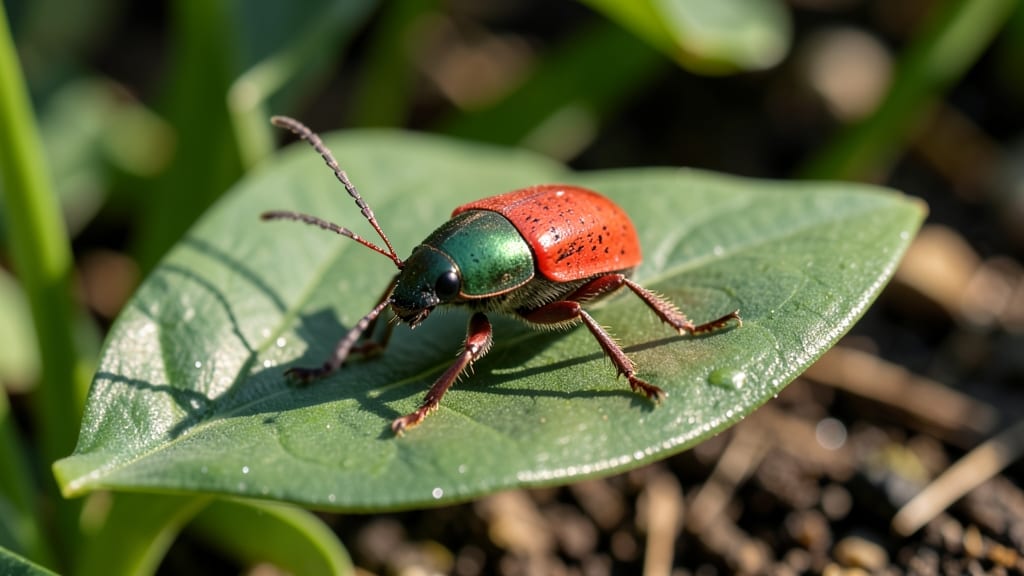
Those bright red beetles devouring your lilies aren't just ugly—they're destroying your plants faster than you can say "organic control." 🌿 The red lily leaf beetle (Lilioceris lilii) turns lush foliage into skeleton leaves overnight, and once they arrive, they multiply like crazy.
I've battled these pests in my own garden, and I'll show you how to stop them without harsh chemicals.
Here's the hard truth: these beetles love lilies, fritillaries, and tulips, and they'll strip your plants bare if you don't act fast. The key is catching them early—look for chewed leaves, black fecal pellets, and the beetles themselves hiding under foliage.
Once you spot them, you've got about 48 hours to act before the damage becomes permanent.
My go-to methods include handpicking (yes, it works if you're consistent), neem oil sprays, and row covers for prevention. You'll see a dramatic turnaround within a week if you combine these tactics with proper garden hygiene. The best part? These solutions protect your plants AND your local ecosystem.
This works for backyard gardens, container plants, and even urban landscapes—no matter how bad the infestation looks, you can bring your lilies back to life. Let's get started with the step-by-step plan that's saved my garden (and will save yours too).
Root Causes Of Infestation
The red leaf lily beetle (Lilioceris lilii) doesn’t just appear out of nowhere—it thrives due to a mix of environmental, ecological, and human factors.
Understanding these triggers is key to stopping its spread before it devastates your garden. Here’s why these beetles become a problem in the first place.
The beetle’s favorite buffet is healthy, lush foliage—especially true lilies (Lilium spp.), fritillaries (Fritillaria spp.), and tulips (Tulipa spp.). But when plants are already stressed, they’re far more vulnerable. Here’s how it happens:
- Poor soil health: Compacted, nutrient-deficient, or overly wet soil weakens roots, making plants less resilient. Beetles detect stressed plants through volatile organic compounds (VOCs) released during distress.
- Overcrowding: Dense plantings reduce airflow, creating humid microclimates that beetles love. Overwatering in these conditions accelerates fungal growth, further stressing the host.
- Lack of diversity: Monoculture gardens (e.g., rows of only tulips) offer beetles an all-you-can-eat buffet. Diverse plantings disrupt their feeding patterns and make it harder for them to locate hosts.
Actionable fix: Test soil pH (ideal: 6.0–7.0 for lilies), amend with compost, and space plants for airflow. Interplant with marigolds or garlic—their strong scents repel beetles naturally.
Red leaf lily beetles are not native to North America—they hitchhiked from Europe and Asia, arriving in the early 2000s. Their spread is fueled by:
- Mild winters: Beetles survive freezing temps down to 14°F (-10°C), but warmer winters allow more adults and larvae to overwinter successfully. In regions like the Pacific Northwest, they’ve become year-round pests.
- Urbanization and trade: Nurseries, garden centers, and even infested plant shipments accidentally transport beetles (eggs or larvae) across regions. Quarantine new plants for 2 weeks before planting.
- Drought stress: Dry spells force plants to conserve water, making them more attractive to beetles as they seek out juicy, hydrated leaves. Irrigate deeply but avoid overhead watering (it can spread eggs).
Pro tip: 🌡️ Monitor local Cooperative Extension Service alerts for beetle sightings in your area. Early detection = easier eradication.
One beetle can turn into a swarm in weeks. Their life cycle is a perfect storm for infestations:
| Stage | Duration | Why It’s Problematic |
|---|---|---|
| Eggs | 5–7 days | Females lay 30–50 eggs in clusters on the undersides of leaves. Eggs hatch synchronously, overwhelming plants. |
| Larvae | 2–3 weeks | Bright orange larvae skeletonize leaves (eat only the soft tissue, leaving veins). They molt twice, growing exponentially. |
| Pupae | 7–10 days | Pupate in soil or leaf litter, emerging as adults ready to reproduce. One generation can occur in 4–6 weeks in warm climates. |
| Adults | Spring–Fall | Adults feed aggressively and mate within 24 hours of emerging. A single female can produce 3–4 generations per year. |
Key takeaway: 🔥 Timing is everything. Target eggs and larvae (most vulnerable stages) with organic sprays like neem oil or insecticidal soap before they pupate.
Even well-meaning gardeners can unintentionally create beetle paradises. Common mistakes:
- Ignoring early signs: Tiny black-and-red beetles or orange larvae are often mistaken for harmless insects. By the time you notice defoliated plants, the infestation is often irreversible.
- Composting infested plants: Beetles, eggs, and larvae can survive composting. Bag and dispose of heavily infested foliage in sealed trash—don’t toss it on the compost pile.
- Using broad-spectrum pesticides: Chemicals like malathion kill natural predators (e.g., ladybugs, lacewings) that do eat red leaf lily beetle larvae. Opt for targeted organic solutions instead.
- Planting susceptible species without barriers: Beetles can fly up to 1 mile in search of food. Physical barriers (like row covers) or traps can disrupt their access.
✨ Quick fix: Set up yellow sticky traps near lilies—beetles are attracted to the color and get stuck. Check traps daily during peak season (May–September).
Practical fixes for beetle damage
Now that you understand why these vibrant beetles wreak havoc on your garden, it’s time to roll up your sleeves and tackle the problem—without resorting to harsh chemicals.
Below, we’ve mapped out cause-specific solutions to help you reclaim your garden, along with prevention tips to keep those red invaders at bay for good.
The key to stopping these beetles is catching them early. If you spot just a few adults or larvae, you can often contain the outbreak before it spirals out of control.
- 🕵️♂️ Handpick Adults & Larvae - When: Early morning (beetles are sluggish) or after rain (they’re slower). - How: Wear gloves and crush adults between your fingers or drop them into soapy water.
For larvae, gently scrape them off leaves into a jar of soapy water. - Pro Tip: 💡 Check the undersides of leaves and stems—larvae love to hide there!
- 🍃 Prune & Destroy Infested Foliage
- Why? Removing heavily damaged leaves starves the beetles and breaks their life cycle.
- How: Snip off affected leaves with clean pruners, then bag and discard (or burn) them. Do not compost—eggs may survive!
If the infestation is already spreading, these natural, chemical-free tactics will help you regain control.
🍳 Homemade Sprays (Safe & Effective)
| Solution | How to Use | Best For |
|---|---|---|
| Neem Oil Spray | Mix 1 tsp neem oil + 1 tsp mild soap + 1 quart water. Spray evenly on leaves (top & bottom). Reapply every 5-7 days. | Adults & larvae (disrupts feeding) |
| Garlic-Chili Spray | Blend 4 garlic cloves + 1 tbsp cayenne pepper + 1 quart water. Strain, add 1 tsp soap, and spray. | Deters adults (strong scent) |
| Insecticidal Soap | Use a store-bought or homemade (1 tbsp castile soap + 1 quart water) spray. Direct spray kills soft-bodied larvae. | Larvae (avoid direct sun when spraying) |
✨ Pro Tip: 🌡️ Spray in the evening—this reduces plant stress from sunlight and ensures better coverage.
🐝 Beneficial Insects & Traps
- 🐞 Ladybugs & Lacewings
- Release purchased beneficial insects or create a habitat with dill, fennel, or marigolds to attract them naturally.
- Why? These predators devour beetle eggs and larvae.
- 🍯 Beer Traps (For Adults)
- Bury a small container (like a yogurt cup) filled with beer neck-deep in soil. Adult beetles are drawn to the yeast and drown.
- Refresh every 2-3 days for best results.
- 🌿 Companion Planting
- Plant garlic, onions, or chives near lilies—their strong scent repels beetles.
- Avoid planting lilies near other Liliaceae (like tulips or daffodils), as beetles may spread.
Once you’ve eliminated the current infestation, prevent future attacks with these smart garden habits.
- 🌱 Rotate Plantings
- Avoid planting lilies in the same spot year after year—beetles remember and return.
- Solution: Move lilies to a new location or interplant with beetle-repelling herbs (like rosemary or thyme).
- 🕯️ Mulch with Caution
- Avoid thick mulch near lilies—it provides hiding spots for eggs and larvae.
- Instead: Use straw or pine needles (thin layer) to allow for easy inspection.
- 🔍 Regular Scouting
- Inspect plants weekly, especially after rain or high humidity (beetle activity peaks then).
- Signs to watch for:
- Skeletonized leaves (larvae eating patterns)
- Black, jelly-like droppings (frass)
- Red adults (especially in June-July)
- 🌿 Choose Resistant Varieties
- Some lilies, like ‘Stargazer’ or ‘Casa Blanca’, are less appealing to beetles.
- Research hybrid lilies bred for pest resistance before planting.
- ❌ Don’t ignore the problem—even a few beetles can lead to total defoliation in weeks.
- ❌ Avoid broad-spectrum pesticides—they kill beneficial insects (like bees and ladybugs) and can harm your soil.
- ❌ Don’t compost infested plant material—eggs and larvae can survive and reinfest your garden.
By combining early action, organic sprays, and smart prevention, you can keep your lilies lush and beetle-free—without sacrificing your garden’s health. Stay vigilant, and your garden will thank you! 🌿💚
Frequently asked questions
What do red lily leaf beetle larvae look like?
Larvae are bright orange-yellow with black heads and grow up to 1/2 inch long. They skeletonize leaves by eating only the soft tissue between veins, leaving a lace-like pattern behind. Look for their black fecal pellets on leaves too.
How fast can a red lily leaf beetle infestation spread?
One female can produce 3-4 generations per year, and eggs hatch in just 5-7 days. With warm weather, an infestation can go from a few beetles to total defoliation in 2-3 weeks if untreated. Early action is critical!
Are red lily leaf beetles dangerous to humans?
No, they're not poisonous or harmful to humans. However, they can cause severe plant damage that weakens lilies and other susceptible plants. Some gardeners report mild skin irritation from handling large numbers, so wear gloves when removing them.
Can I use diatomaceous earth on red lily leaf beetles?
Yes, but it's most effective on larvae and pupae that crawl across treated surfaces. Apply a thin layer to soil around plants and undersides of leaves where eggs are laid. Reapply after rain or watering, as it loses effectiveness when wet. Avoid using on blooming plants.
What other plants do red lily leaf beetles attack?
While they prefer true lilies (Lilium spp.), they'll also damage fritillaries (Fritillaria spp.), tulips (Tulipa spp.), and daylilies (Hemerocallis spp.). Avoid planting these species near each other to reduce spread risk. Ornamental onions and garlic are also vulnerable.