Planting
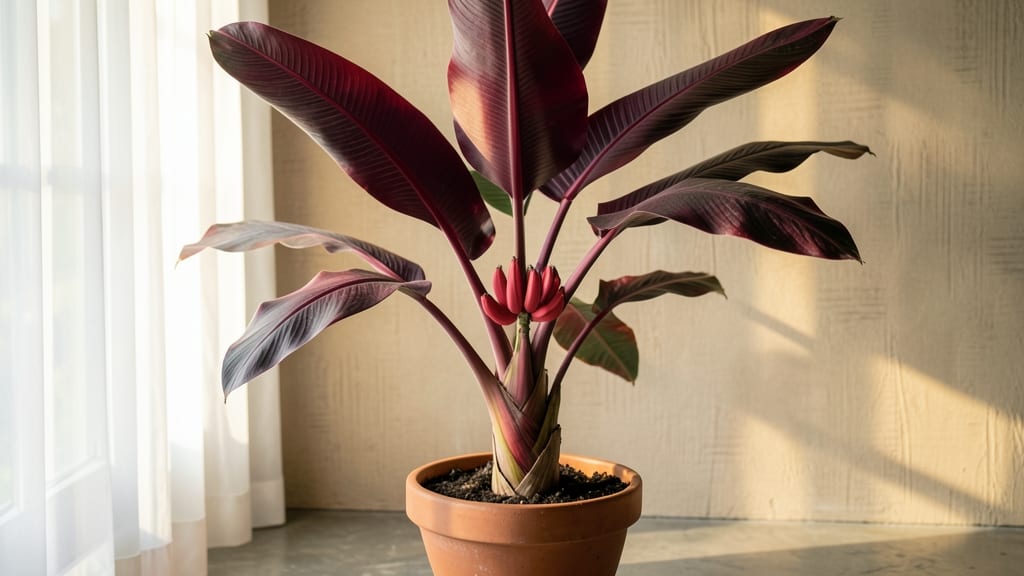
Growing a red banana leaf plant transforms any space into a lush tropical escape. 🌿 This striking plant—often Calathea or Musa basjoo—brings bold, velvety foliage indoors, but its care demands precision.
Too much light fades its signature deep red, while too little dulls its dramatic patterns, so mastering the balance is key to keeping those leaves vibrant year-round.
The secret lies in mimicking its jungle habitat: bright, indirect light, consistently moist (not soggy) soil, and humidity levels that keep leaves from crisping at the edges. A pebble tray or humidifier works wonders, and a balanced liquid fertilizer every 6-8 weeks encourages that lush, tropical growth.
Pruning spent leaves keeps the plant tidy and encourages fresh, new foliage to emerge.
You’ll know you’ve nailed it when those signature banana-shaped leaves unfurl with crisp, vivid colors—deep reds, purples, and even pinkish hues. The contrast against standard green houseplants makes it a standout centerpiece, whether placed in a sunlit corner or under grow lights.
Even beginners can achieve this look with the right setup.
Troubleshooting is straightforward: yellowing leaves signal overwatering, while brown tips mean the air is too dry. Rotate the plant occasionally for even growth, and avoid drafts that shock its delicate foliage. With these adjustments, your red banana leaf plant will thrive as the star of your indoor jungle.
📚 In This Guide
- What you need
- Instructions
- Tips and common mistakes
- Wrapping up and next steps
What you need
- ● Red banana leaf plant (Musa velutina or Musa acuminata var. erythrophylla) – 1 mature plant (or seeds if starting from scratch). Look for healthy leaves with vibrant red or purple hues!
- ● Well-draining potting mix – 5-10 gallons (adjust based on pot size). A blend of peat moss, perlite, and coconut coir works best for aeration.
- ● Pot with drainage holes – 12-18 inches in diameter (terracotta or fabric pots are ideal). Ensure it’s sturdy—these plants grow tall!
- ● Slow-release fertilizer – 1-2 tbsp of balanced 10-10-10 or organic compost mixed into the soil.
- ○ Gloves – 1 pair (optional but recommended for handling sharp leaf edges).
- ● Pruning shears – 1 pair (sterilized with rubbing alcohol).
- ● Watering can with a narrow spout – 1 (to avoid overwatering).
- ○ Mulch (optional) – Pine bark or coconut husk chips to retain moisture and add aesthetics.
- ○ Decorative elements (optional) – Pebbles, bamboo stakes, or tropical-themed pots to enhance your indoor jungle vibe!
How to grow a stunning red banana leaf plant indoors
This vibrant tropical beauty thrives with just a few simple steps—let’s bring that jungle energy inside.
🌱 Step 1: Choose the Right Pot and Soil Mix
Start with a 6-8 inch pot that has drainage holes—red banana plants hate soggy roots. I like to use a mix of 50% peat moss and 50% perlite for lightweight, airy soil that mimics their natural habitat. Fill the pot halfway, then tap it gently to settle the mix without compacting it.
Here’s the thing—this plant loves moisture but not standing water. The soil should feel damp like a wrung-out sponge, not bone-dry or waterlogged. If your mix feels too dense, add a handful of orchid bark to improve drainage. I always check the soil with my finger before watering to avoid overdoing it.
🪴 Step 2: Plant Your Red Banana Leaf Cutting
Take a healthy cutting with at least 3-4 leaves and let it dry for 24 hours to callous over. This prevents rot when you plant it. Dip the cut end in rooting hormone (optional but helpful) and place it about 1 inch deep in the soil mix, pressing gently around the base to secure it.
Don’t bury the leaves—they should stay above soil level. If you notice any yellowing after planting, it’s usually a sign of too much moisture. I like to water lightly right after planting, just enough to settle the soil around the roots, then wait a few days before watering again.
☀️ Step 3: Find the Perfect Light Spot
Red banana plants crave bright, indirect light—think east or west-facing windows. If yours starts stretching toward the light (leggy growth), it’s not getting enough. You’ll see strong, upright growth when the light is just right. A sheer curtain can diffuse harsh midday sun if needed.
If your space is low-light, a grow light 12-18 inches away for 12-14 hours daily works wonders. Avoid direct sunlight, which can scorch those gorgeous red leaves. Watch for crispy edges—this is your cue to move it away from the window or adjust the light source.
💧 Step 4: Water and Feed for Lush Growth
Water when the top 1-2 inches of soil feel dry. I use room-temperature water to avoid shocking the roots, and I always water at the base, not the leaves, to prevent fungal issues. Overwatering is the #1 killer—let the soil dry out slightly between waterings, especially in winter when growth slows.
Feed with a balanced liquid fertilizer (10-10-10) every 4-6 weeks during spring and summer. You’ll notice new leaves emerging faster and with deeper red tones when the plant is happy. In fall and winter, cut back to fertilizing every 8-10 weeks—less is more during dormancy.
✂️ Step 5: Prune and Maintain for Year-Round Beauty
Trim any yellow or damaged leaves with clean, sharp scissors to encourage new growth. I also pinch back leggy stems to promote bushier growth—just snip just above a leaf node. This keeps the plant compact and fuller over time.
Rotate the pot a quarter turn weekly so the plant grows evenly toward the light. You’ll see the leaves reaching out symmetrically, which is a sign of balanced care. Dust the leaves occasionally with a damp cloth—they’ll thank you by photosynthesizing better and staying vibrant.
Tips & tricks for perfect red banana leaf plant care
Between us, growing these striking tropical plants is easier than you'd think—once you know the little secrets that make all the difference. Here's what nobody tells you about keeping your red banana leaf plant thriving indoors.
Soil Mix Secret: That 50/50 peat moss and perlite mix is perfect, but here's the thing—peat moss can compact over time. After 3-4 months, give your soil a refresh by mixing in another 10% orchid bark. This keeps that airy, well-draining texture your plant craves, preventing those dreaded soggy roots that lead to yellowing leaves. I test the mix by squeezing it—it should hold its shape but crumble easily when pressed.
Rooting Hormone Hack: While rooting hormone is optional in Step 2, I've found that using it cuts the rooting time by nearly half. For best results, dip just the cut end (about 1 inch) and let any excess drip off before planting. If you don't have rooting hormone, crush a regular aspirin tablet in water and use that solution instead—it contains salicylic acid that stimulates root growth. Just remember, this 24-hour callousing period is non-negotiable for preventing rot.
Lighting Troubleshooting: Those crispy leaf edges you might see? That's your plant screaming for help. If you're using a grow light at 12-18 inches, try moving it back to 20 inches—too much intensity causes this. For window light, rotate your plant weekly so all sides get equal exposure. I've seen plants develop uneven growth when always facing the same direction, even with bright indirect light. Think of it like turning a book to read all pages equally!
Fertilizer Timing: The 4-6 week feeding schedule during growing season is spot-on, but here's my pro move: always fertilize in the morning. This gives your plant all day to process the nutrients before nightfall. I also dilute my fertilizer to half-strength—this prevents salt buildup in the soil that can damage roots over time. In winter, I switch to a winterizing fertilizer with lower nitrogen content to match the plant's reduced growth cycle.
Pro Tips for Red Banana Leaf Plant
- Between us, growing these striking tropical plants is easier than you'd think—once you know the little secrets that m...
- Soil Mix Secret: That 50/50 peat moss and perlite mix is perfect, but here's the thing—peat moss can compact over tim...
- Rooting Hormone Hack: While rooting hormone is optional in Step 2, I've found that using it cuts the rooting time by ...
Frequently asked questions
Got questions about growing and using red banana leaf plants? Here are some answers to common queries to help you navigate your tropical journey with ease!
How do I propagate a red banana leaf plant?
Propagate using division for the easiest results! Gently separate a healthy offset (pups) from the mother plant during repotting, ensuring each has roots. Plant in moist, well-draining soil, and keep it in bright, indirect light. Avoid direct sunlight for the first few weeks to reduce stress. Pro tip: Water lightly until established!
Why are my red banana leaf plant’s edges turning brown?
Brown edges often signal underwatering or low humidity. Check the soil—it should stay slightly moist but not soggy. Mist the leaves or place a pebble tray under the pot to boost humidity. Avoid cold drafts, as they can also cause browning. Pro tip: Rotate the plant occasionally for even growth!
How long does it take for a red banana leaf plant to mature?
With ideal care, your plant may take 12–24 months to reach full maturity, producing large, vibrant leaves. Patience is key! Ensure it gets bright, indirect light, consistent moisture, and occasional fertilization (like a balanced liquid fertilizer every 4–6 weeks). Pro tip: Prune yellow or damaged leaves to encourage new growth!
Can I use red banana leaves for cooking like regular banana leaves?
Yes! While edible banana leaves (Musa spp.) are the culinary variety, red banana leaf plants (like Calathea or Musa velutina) are ornamental. However, some varieties (like Musa velutina) are safe for cooking. Always confirm the species with a local nursery before using them for food. Pro tip: Sterilize leaves with boiling water first!
What’s the best indoor location for a red banana leaf plant?
Place your plant in a spot with bright, indirect light—think east or north-facing windows. Avoid harsh afternoon sun, which can scorch the leaves. Keep it away from air conditioning vents or heaters, as temperature fluctuations stress the plant. A humidity level of 50–70% is ideal. Pro tip: Group it with other plants to create a mini humid microclimate!
Wrapping up and next steps
Growing a red banana leaf plant is a fantastic way to bring a touch of the tropics into your home while enjoying a low-maintenance, air-purifying green companion. 🌿 Whether you’re a seasoned plant parent or just starting your indoor jungle, this vibrant plant adds beauty and freshness to any space.
Ready to take the next step? Start with a healthy cutting or seed, follow the care tips, and watch your plant thrive!
Need more inspiration? Explore other tropical plants or creative ways to style your new leafy friend—your indoor oasis is waiting! ✨