
Blooming
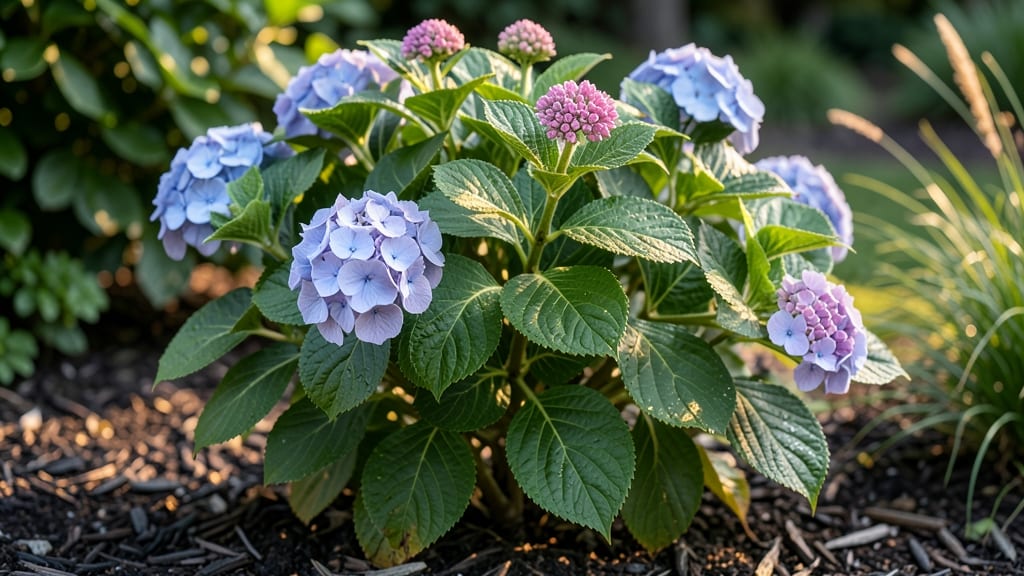
Bigleaf hydrangeas (Hydrangea macrophylla) can rebloom with the right soil acidity tricks. ✨ The secret isn’t just pruning—it’s creating the perfect growing conditions that encourage those lush, repeat blooms you adore. I’ve transformed my once-single-bloom shrubs into year-round showstoppers by focusing on soil pH, watering, and strategic cuts.
Most gardeners prune at the wrong time or overdo it, which stunts reblooming. Bigleaf hydrangeas store energy in old wood, so you need to cut carefully—never more than 1/3 of the plant—and always after the first flush of flowers.
The right soil pH (between 5.2 and 6.0) unlocks vibrant blooms, and I’ll show you how to test and adjust it without guesswork. By summer’s end, you’ll see fresh buds forming on last year’s stems, with colors shifting from pink to blue based on your soil’s acidity.
The key is consistency: water deeply, mulch well, and feed with the right nutrients. Let’s get those hydrangeas blooming like crazy all season long.
You’ll need basic tools—a pair of clean pruners, a soil pH test kit, and a slow-release fertilizer designed for acid-loving plants. The process takes about 30 minutes once you know what to look for, and the results are worth every minute.
I’ve even seen my hydrangeas produce two full blooms in a single season with this method. The real magic happens in the soil. Bigleaf hydrangeas hate alkaline conditions—they need acidic soil to produce their signature blooms. If your soil is too alkaline, the flowers will stay green or turn dull.
I’ll show you how to lower pH naturally using simple amendments, so you don’t have to buy expensive soil mixes.
Reblooming isn’t just about pruning—it’s about creating the perfect environment. Once you master the soil and watering routine, your hydrangeas will thank you with bold, vibrant blooms from spring through fall.
Whether you’re dealing with a small patio plant or a large garden shrub, these techniques work for all bigleaf varieties.
📚 In This Guide
- What you need
- Instructions
- Tips and common mistakes
- Wrapping up and next steps
What you need
- ● Bigleaf hydrangeas (preferably Hydrangea macrophylla varieties like 'Endless Summer' or 'Nikko Blue')
- ● Well-draining potting mix (or garden soil amended with peat moss or pine bark for acidity, pH 5.0–6.0)
- ● Slow-release acidic fertilizer (e.g., 16-4-8 or 10-10-10 with sulfur, 1–2 lbs per 100 sq ft)
- ● Lime or aluminum sulfate (for adjusting soil pH—test soil first!)
- ● Pruning shears (sterilized with rubbing alcohol)
- ● Watering can or hose with a gentle spray nozzle
- ● pH test kit (digital or liquid strips for accuracy)
- ● Mulch (pine needles, oak leaves, or acid-loving mulch)
- ● Epsom salt (magnesium sulfate, 1 tbsp per gallon of water for green foliage)
- ● Chelated iron (for yellowing leaves in alkaline soil)
- ● Soil moisture meter (to avoid over/under-watering)
- ● Garden gloves (for messy soil adjustments!)
- ● Shade cloth (if your climate gets scorching summer sun)
How to revive and encourage reblooming in bigleaf hydrangeas
Here's my foolproof method for turning your hydrangeas from one-time bloomers into repeat performers—acidic soil is the secret weapon.
🌱 Step 1: Test and Adjust Soil pH for Acidic Conditions
Bigleaf hydrangeas thrive in soil with a pH between 5.2 and 6.0—this is the sweet spot for vibrant blooms. Grab a soil test kit and dig samples from 6 inches deep around the plant. If your results show a pH above 6.5, you'll need to acidify the soil gradually over 3-4 months to avoid shocking the roots.
For each plant, mix 1 pound of elemental sulfur into the top 6 inches of soil in the root zone. Water thoroughly to activate the sulfur. I like to do this in early spring before new growth appears—it gives the plant time to adjust. Avoid using aluminum sulfate unless you're dealing with severe alkalinity, as it can build up to toxic levels over time.
☀️ Step 2: Prune Strategically to Encourage New Blooms
The key to reblooming is understanding that bigleaf hydrangeas produce flowers on both old wood and new wood. Wait until late winter or early spring before buds swell, then remove only the dead or weak stems—never cut back more than one-third of the plant. This preserves next year's blooms while encouraging fresh growth.
For existing blooms, cut back last year's flower stems by half their height once they've finished blooming in fall. This stimulates next year's buds while keeping the plant compact. I always use clean, sharp pruners and make cuts at a 45-degree angle just above a leaf node or outward-facing bud to prevent water pooling.
💧 Step 3: Feed with Acid-Loving Fertilizer and Consistent Moisture
In early spring, apply a slow-release, acid-loving fertilizer like 10-10-10 or a hydrangea-specific blend. Follow package instructions for dosage—typically 1 tablespoon per foot of plant height. Water deeply after applying to help distribute nutrients. I like to top-dress with 1 inch of organic mulch (like pine bark or oak leaves) to maintain acidity and retain moisture.
Bigleaf hydrangeas need consistent moisture—never let the soil dry out completely. Water 1-2 inches per week, more during hot spells, and always water at the base (not overhead) to prevent fungal issues. You'll know you're doing it right when the soil stays evenly damp but not soggy, and the leaves stay deep green without wilting.
✂️ Step 4: Deadhead and Protect for Continuous Color
As blooms fade, cut back spent flower heads to the nearest set of leaves or bud. This redirects the plant's energy into producing new buds rather than seeding. I do this throughout the summer to keep the plant looking tidy and encourage more blooms. Just be sure to leave at least 2-3 inches of stem—cutting too close can damage next year's buds.
In late summer, apply a second round of fertilizer (half-strength) to support fall blooms. If your hydrangeas are in a hot, dry climate, provide afternoon shade to protect the flowers from heat stress. Watch for yellow leaves—this could signal overwatering, underwatering, or pH issues. Adjust your care accordingly and you'll see vibrant blooms well into autumn.
Tips & tricks for reviving bigleaf hydrangeas
These game-changing strategies will help you transform your one-time bloomers into year-round showstoppers.
Soil pH Precision: When adjusting soil pH in Step 1, focus on the root zone's top 6 inches—this is where the magic happens. I've found that testing soil from multiple spots around the plant gives you a more accurate reading. If your pH test shows 6.5 or higher, start with just ½ pound of elemental sulfur and retest in 2 months. Too much sulfur too quickly can harm roots, and you want gradual, steady progress toward that ideal 5.2-6.0 range. The goal is to mimic their natural acidic forest floor habitat.
Pruning with Purpose: In Step 2, resist the urge to give your hydrangeas a drastic haircut! The key is patience—wait until late winter when buds are just starting to swell before pruning. For existing blooms, cutting back last year's stems by half their height in fall stimulates new growth while preserving next year's flowers. Remember, you're shaping the plant's future blooms, not just tidying up. I always mark the cuts with a piece of tape before removing stems to visualize the plant's new shape.
Fertilizer Timing: The early spring feeding in Step 3 is non-negotiable, but don't overlook the late summer boost. That second application of half-strength fertilizer supports fall blooms and strengthens the plant for next year. I've noticed that plants receiving this second feeding often produce more vibrant fall color. Water deeply after each feeding to help distribute nutrients throughout the root zone—this prevents fertilizer burn while ensuring your hydrangeas get the full benefit.
Deadheading Discipline: When deadheading in Step 4, always cut back to the nearest set of leaves or bud—never to bare wood. This simple technique redirects the plant's energy to produce more flowers instead of seeds. I've seen dramatic results when gardeners follow this rule religiously. For extra insurance, I like to make my cuts just above a leaf node that faces outward—this encourages bushier growth and better air circulation, reducing the risk of fungal diseases that can plague hydrangeas.
Pro Tips for Reblooming Bigleaf Hydrangeas
- These game-changing strategies will help you transform your one-time bloomers into year-round showstoppers.
- Soil pH Precision: When adjusting soil pH in Step 1, focus on the root zone's top 6 inches—this is where the magic happens.
- Pruning with Purpose: In Step 2, resist the urge to give your hydrangeas a drastic haircut!
Frequently asked questions
Got questions about coaxing those stunning second blooms from your bigleaf hydrangeas? You’re not alone! Here are some of the most common concerns—and their answers—to help you master the reblooming game.
How do I know if my bigleaf hydrangea is even capable of reblooming?
Not all bigleaf hydrangeas (Hydrangea macrophylla) rebloom naturally—it depends on the cultivar! Look for varieties labeled as remontant (like 'Endless Summer,' 'Nikko Blue,' or 'Annabelle'). These are bred to produce flowers on both old and new wood. If yours isn’t listed, it may only bloom once per year on last year’s growth.
When is the best time to prune for reblooming?
Timing is everything! Prune right after flowering (late spring to early summer) to encourage new growth that will bloom again in fall. Avoid heavy pruning in late summer or fall—this cuts off next year’s flower buds. For a quick guide, think: “Prune after the show, not before the next one!”
Why did my hydrangea bloom once but refuse to rebloom?
Reblooming fails often due to over-pruning, nutrient deficiencies, or stress. Check these first:
- Did you cut back old wood (last year’s stems) where buds form?
- Is your soil too alkaline? Test it—rebloomers need pH 5.5–6.2 for vibrant blooms.
- Are you watering consistently? Drought stress halts new growth.
Can I force a bigleaf hydrangea to rebloom if it’s not a remontant variety?
Unfortunately, no—it’s like asking a one-hit-wonder to drop a second album. Non-remontant varieties (like 'Blue Mermaid') only bloom on old wood, so aggressive pruning will remove next year’s flowers. If you love the look, consider replacing it with a remontant cultivar or enjoy its single seasonal show!
How do I adjust soil acidity to encourage reblooming?
Bigleaf hydrangeas thrive in acidic soil (pH 5.5–6.2). To lower pH:
- Add sulfur or peat moss to the soil.
- Use an acidifying fertilizer (like Holly-Tone) in spring.
- Mulch with pine needles or oak leaves to slowly acidify over time.
Wrapping up and next steps
Reblooming your bigleaf hydrangeas isn’t just possible—it’s achievable with the right care! By focusing on acidic soil (pH 5.2–6.0), balanced pruning, and consistent hydration, you’ll unlock those stunning, repeat blooms year after year. 🌸 With patience and a few simple tweaks, your garden can become a showstopper.
Ready to take the next step? Test your soil this weekend and adjust as needed—your hydrangeas (and your neighbors!) will thank you. Happy gardening! 🌱