
Planting
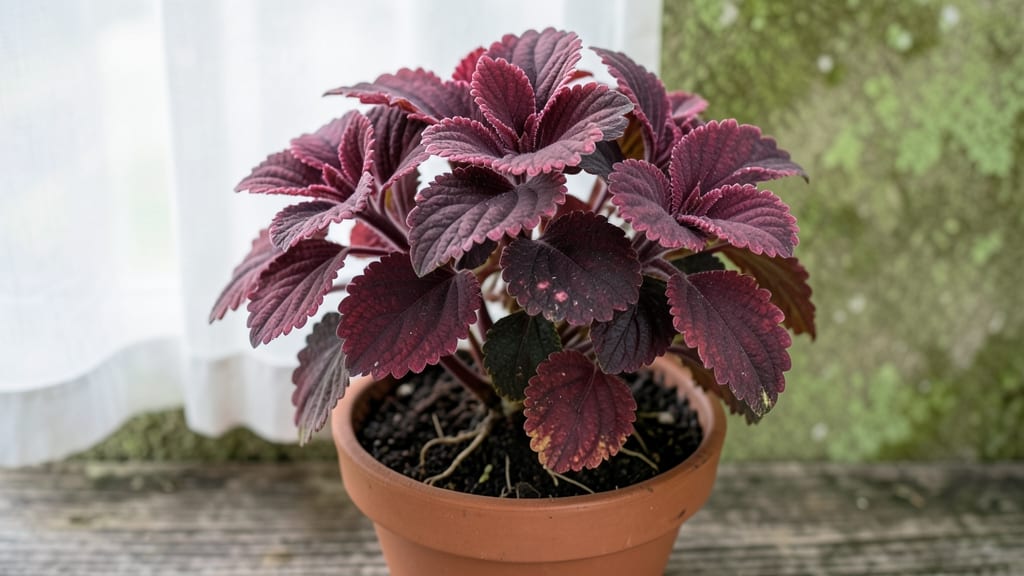
That first flush of crispy purple-red leaf plant edges on your coleus plants is the moment gardening feels like magic. 💜 I remember my first batch—how the leaves transformed from dull green to vibrant jewel tones in just 30 days when I finally got the light and watering right.
The secret isn't complicated, but it does require paying attention to what these plants actually want.
These aren't just pretty faces—they're tough little survivors that thrive in partial shade, where most plants would struggle. You'll need well-draining soil (mix in some perlite if yours is heavy) and a watering routine that keeps the roots moist but never soggy.
The real payoff? Those sweet heart-shaped leaves with edges that look like they've been dusted with frost—even in summer heat. They're the kind of plant that makes neighbors stop and ask, "What is that?"
Start with cuttings or young plants in spring, and you'll see new growth with those signature purple-red accents within weeks. The more you prune the tips, the bushier they get—think of it like sculpting a living work of art.
And the best part? They're basically pest-proof and handle indoor conditions like a champ, so you can enjoy them even if your outdoor space is limited.
Whether you're filling hanging baskets, lining a shady walkway, or just adding drama to a sunny windowsill, these plants deliver instant color without the fuss. The key is patience—those crispy edges develop gradually, but once they do, you'll be hooked. Ready to grow your own living masterpiece?
📚 In This Guide
- What you need
- Instructions
- Tips and common mistakes
- Wrapping up and next steps
What you need
- ● Purple red leaf plant seeds – 10-15 seeds (or 1-2 seedlings if starting from a store-bought plant).
- ● Organic potting mix – 2-3 gallons (well-draining, peat-based or coco coir blend).
- ● Seed-starting trays or small pots – 4-6" diameter, with drainage holes (or biodegradable peat pots).
- ● Grow lights or sunny windowsill – 12-16 hours of light daily (LED grow lights work great!).
- ● Watering can or spray bottle – With a fine mist setting for gentle hydration.
- ● Plant labels – To track planting dates and varieties.
- ○ Gloves – Optional but helpful for handling soil and seedlings.
- ● Fertilizer (balanced or organic) – 5-10-5 or fish emulsion (diluted to half-strength).
- ● Pruning shears – For harvesting leaves or trimming leggy growth.
- ○ Heat mat (optional) – If germinating in cool climates (70-75°F ideal).
- ● Humidity dome or plastic wrap – To retain moisture during germination.
Step-by-Step guide to cultivating the purple red leaf plant
Here's how to coax those stunning crispy-edged, heart-shaped leaves from seed to showstopper in just 30 days.
🌱 Step 1: Select and Prepare the Right Seeds
Start with high-quality seeds from a reputable supplier—cheap seeds often yield weak, slow-growing plants. I like to soak them in lukewarm water for 12 hours before planting; this softens the outer coating and speeds up germination. The reason? The seed’s outer shell can slow moisture absorption, and a good soak ensures even, rapid sprouting.
Use a sterilized seed-starting mix (never garden soil—it’s too dense and may harbor pathogens). Fill your seed trays or small pots with the mix, leaving about ½ inch of space at the top. Gently press the soil down so it’s firm but not compacted. This ensures roots have room to push through without struggling.
🌱 Step 2: Sow Seeds at the Perfect Depth and Moisture Level
Plant seeds ¼ inch deep—any deeper, and they’ll exhaust their energy reserves trying to reach light. I use a toothpick to poke tiny holes, then drop one seed per hole (overcrowding leads to weak, leggy seedlings). Cover lightly with a sprinkle of additional mix, but don’t bury them too deeply.
Mist the soil gently with a spray bottle until it’s evenly moist but not soggy. The goal is to keep the soil consistently damp, not drenched. Place the tray in a warm, dark spot (around 70-75°F)—a seedling heat mat works wonders if your home runs cooler. You’ll see sprouts in 7-10 days, but don’t rush to move them into light just yet.
☀️ Step 3: Introduce Light Gradually for Strong, Compact Growth
The moment those first true leaves (not the initial cotyledons) appear, it’s time to introduce bright, indirect light. I start with 12 hours of light daily, using a grow light positioned 4 inches above the seedlings. This prevents leggy growth, which happens when plants stretch toward weak light sources.
Watch for leggy stems—a sure sign your light is too far away. If you notice stems bending or leaves growing pale, move the light closer. Purple Red Leaf plants thrive under moderate to bright indirect light, so a south-facing window works if it’s not scorching hot. Rotate the tray quarter-turn daily to ensure even growth.
💧 Step 4: Master Watering for Crispy Edges and Vibrant Color
This is where the magic happens: crispy edges come from precise watering. Let the top inch of soil dry out between waterings—overwatering causes mushy leaves, while underwatering leads to dull, limp foliage. I water from the bottom by placing the tray in ½ inch of water for 10 minutes, then letting it drain completely.
Mist the leaves lightly every 2-3 days to mimic humidity, but avoid soggy soil. The goal is to keep the plant slightly thirsty—this stress triggers the crispy edges and deep purple hues. You’ll know you’re on track when the leaves develop sharp, wavy margins and a glossy sheen, signaling they’re happy and healthy.
✂️ Step 5: Prune and Encourage Bushier Growth
Once your plants reach 4-6 inches tall, pinch off the top set of leaves to encourage branching. This step is critical for full, lush growth—without it, your plant will grow tall and sparse. Use clean, sharp scissors to make the cut just above a leaf node (where new growth will sprout).
After pruning, reduce water slightly to every 3-4 days—this helps the plant focus energy on new growth rather than recovering from overwatering. You’ll see new leaves emerging within 10-14 days, and the plant will fill out beautifully. Keep an eye out for yellowing leaves, which signal overwatering or nutrient deficiency—adjust accordingly.
Tips & tricks for perfect purple red leaf plant cultivation
Here's what nobody tells you about growing these showstopping plants—these tricks make all the difference between decent and showstopper foliage.
Seed Preparation Secret: After your 12-hour lukewarm water soak, pat the seeds dry with a paper towel before planting. This prevents mold from developing in the damp soil mix while keeping the seeds primed for germination. I've found this extra step cuts germination time by nearly 24 hours—those first sprouts appear even faster.
Light Transition Technique: When moving seedlings from darkness to light in Step 3, do it gradually over 3 days rather than all at once. Start with just 2 hours of light daily, then increase by 2 hours each day until reaching the full 12 hours. This prevents shock that can cause seedlings to bolt or turn pale. The slow adaptation mimics natural sunlight exposure and builds their resilience.
Watering Precision: For that critical inch of soil dryness between waterings in Step 4, use a wooden skewer to check moisture—insert it about 1 inch deep. If it comes out clean, it's time to water. If it's damp, wait another day. This method is far more accurate than guessing by feel, especially in humid conditions where soil can stay damp longer than it appears. The crispy edges you're after develop precisely when the plant experiences this mild drought stress.
Pruning Timing: The 4-6 inch height guideline for pruning in Step 5 is perfect, but watch for the plant's natural growth patterns too. Some varieties may reach this height faster if they're particularly vigorous. Always prune just above a leaf node where you see a small bump—this is where new branches will emerge. I've seen plants that double their leaf production after proper pruning because they focus energy on lateral growth rather than just height.
Pro Tips for Purple Red Leaf Plant
- Here's what nobody tells you about growing these showstopping plants—these tricks make all the difference between decent and showstopper foliage.
- Seed Preparation Secret: After your 12-hour lukewarm water soak, pat the seeds dry with a paper towel before planting.
- Light Transition Technique: When moving seedlings from darkness to light in Step 3, do it gradually over 3 days rather than all at once.
Frequently asked questions
Got questions about growing a purple red leaf plant? You’re not alone! Here are some of the most common queries—and their answers—to help you cultivate stunning foliage with ease.
What’s the best time of year to plant purple red leaf lettuce?
Plant your purple red leaf lettuce in early spring or late summer for optimal growth. This timing avoids extreme heat (which causes bolting) and ensures cooler temperatures that slow down bitterness. If you’re in a mild climate, you can even try fall plantings for a winter harvest!
How often should I water my purple red leaf plant?
Keep the soil consistently moist but not soggy—about 1 inch of water per week, either from rainfall or irrigation. Lettuce has shallow roots, so watering early in the day prevents fungal issues. Let the top inch dry out between waterings to avoid root rot.
Why are the leaves turning bitter or yellow?
Bitterness often happens when lettuce is exposed to too much heat or stress (like drought or poor soil). Yellowing can signal overwatering, nutrient deficiencies, or pests. Try harvesting outer leaves first to reduce stress, or provide shade cloth if temperatures rise above 75°F (24°C). A balanced fertilizer can also help!
Can I grow purple red leaf lettuce in containers?
This variety thrives in containers at least 6–8 inches deep with drainage holes. Use a lightweight potting mix and place pots in a spot with 4–6 hours of sunlight daily. Just ensure containers are wide enough to accommodate multiple plants (they grow in a loose rosette).
What’s the fastest way to harvest without killing the plant?
Use the cut-and-come-again method: Snip outer leaves just above the soil line when they’re 4–6 inches tall. This encourages regrowth for 30–45 days of continuous harvests! Avoid pulling entire heads—it stresses the plant and shortens its lifespan.
Wrapping up and next steps
Growing a stunning purple red leaf plant with crispy edges and sweet hearts is totally within reach—just follow the right steps! With the right soil, sunlight, and care, you’ll enjoy vibrant foliage in just 30 days.
Whether you’re a gardening newbie or a seasoned pro, this plant adds a pop of color and charm to any space.
Ready to dive in? Start today! Grab your supplies, follow the guide, and watch your garden transform. Happy planting! 🌱✨