
Planting
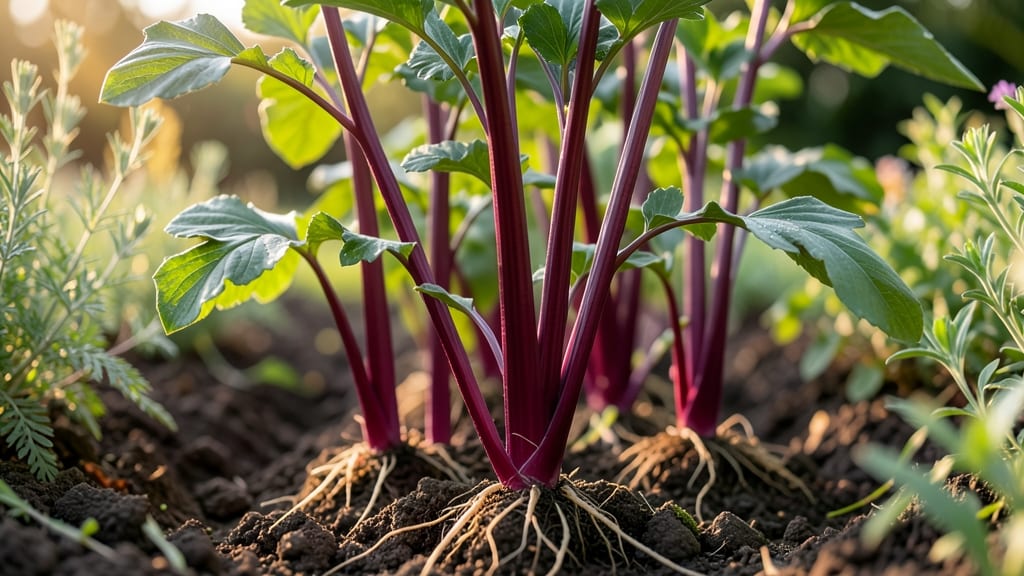
Transform your garden into a vibrant, edible masterpiece with these 10 purple-leafed plants that are as beautiful as they are delicious. From salads to teas, these stunning foliage plants add color while providing safe, nutritious harvests for your kitchen.
Purple Basil For Vibrant Pesto And Salads
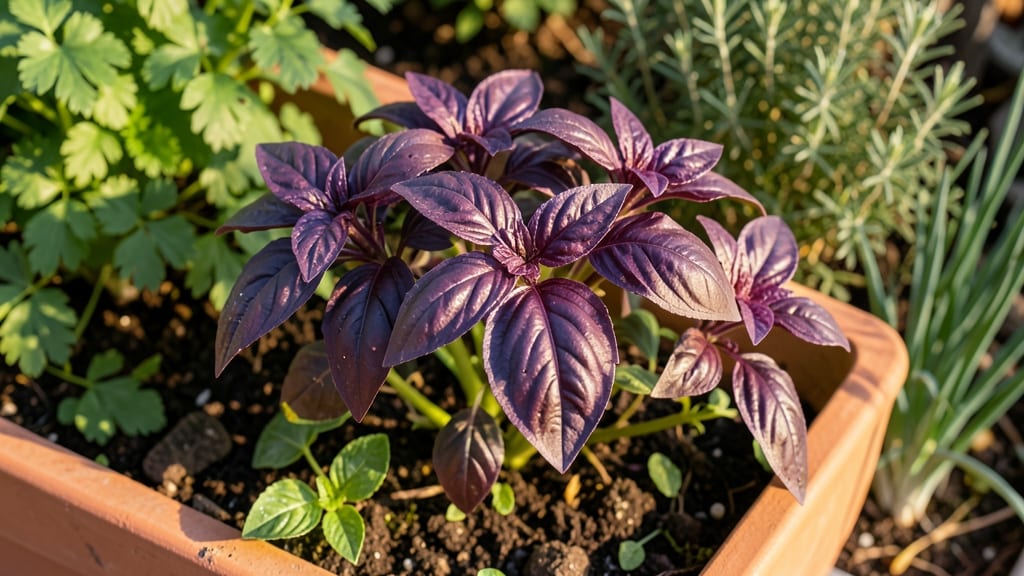
Looking to add a bold pop of color to your kitchen garden? Purple basil isn’t just a pretty face—it’s a nutritional powerhouse with twice the antioxidants of its green cousin. This striking variety elevates any dish with its deep violet leaves while keeping the same sweet, anise-like flavor you love in classic pesto.
Grow purple basil in full sun (6+ hours daily) with well-draining soil, and pinch back flowers to encourage bushier growth. It thrives in containers, making it ideal for patios or windowsills. Harvest leaves regularly to promote continuous production, and mix them into salads, garnishes, or gourmet pesto for a vibrant twist.
Perfect for urban gardeners or anyone who wants to boost their garden’s aesthetic and nutrition, purple basil proves that beauty and health go hand-in-hand. 💚
Red Ruby Swiss Chard For Nutrient-Dense Greens
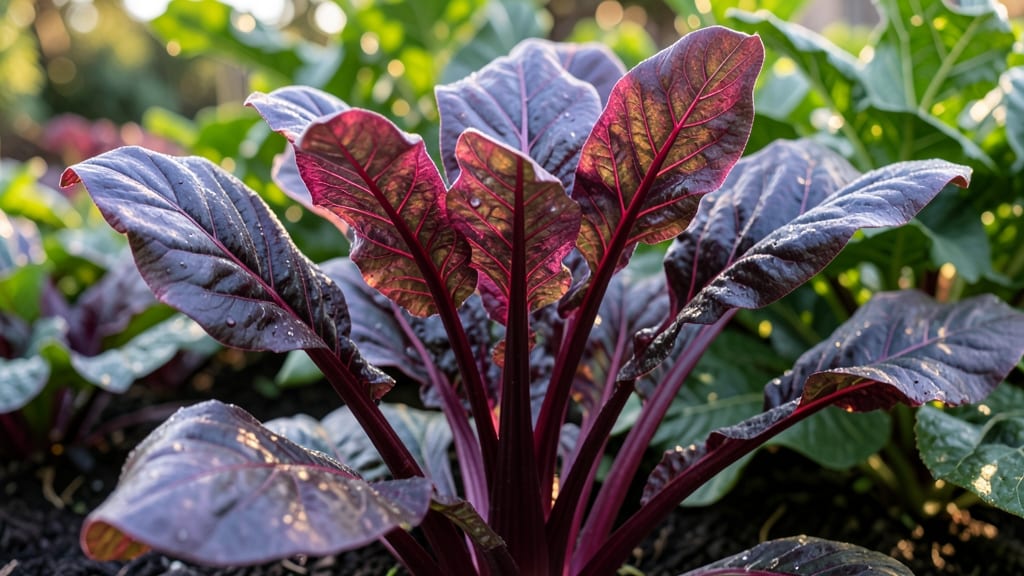
Looking for a leafy green that’s as stunning as it is nutritious? Red Ruby Swiss chard delivers with its deep burgundy stems and vibrant purple leaves, making it a showstopper in any garden bed or kitchen. This heirloom variety isn’t just pretty—it’s packed with magnesium, vitamin K, and antioxidants, offering a nutritional punch while adding bold color to your meals.
Grow Red Ruby Swiss chard in full sun to partial shade (at least 4-6 hours of sunlight daily) and well-draining soil enriched with compost. It thrives in cool to warm seasons, producing tender leaves for 4-6 weeks before bolting in hot climates. For continuous harvests, succession plant every 2-3 weeks—this ensures a steady supply of nutrient-dense greens for sautéing, juicing, or tossing raw into grain bowls.
This versatile plant is perfect for urban gardeners, beginners, and health-conscious growers who want both beauty and nutrition. Its striking foliage also makes it a standout in container gardens or mixed borders. 🌱
Purple Kale Varieties For Year-Round Harvests
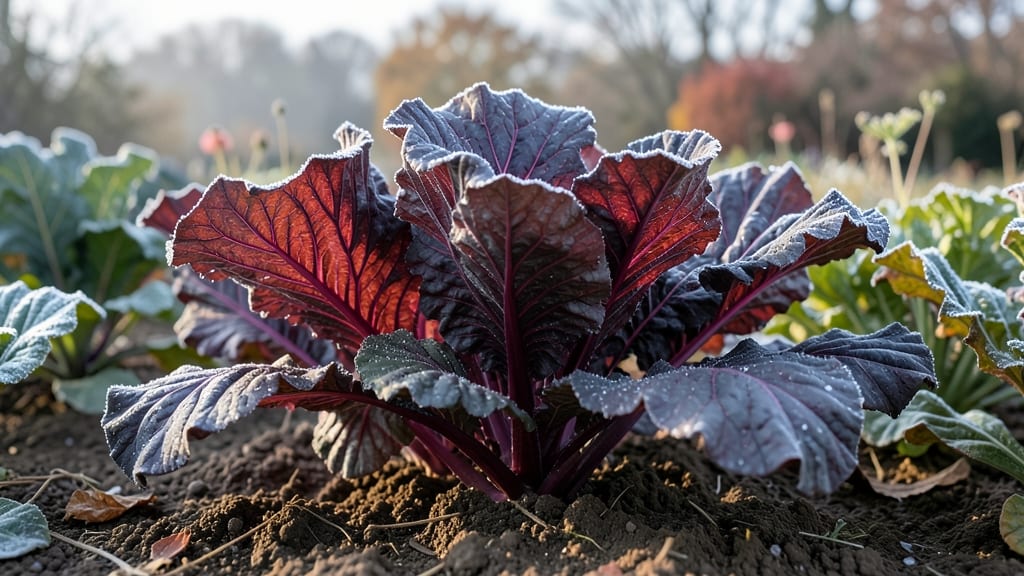
Skip the summer heat and grow a year-round edible garden with purple kale varieties that thrive in cooler climates. Unlike tender greens, these cold-hardy plants like 'Lacinato' and 'Red Russian' not only survive but flourish in temperatures down to 15°F, making them perfect for fall and winter harvests.
Plant seeds directly in well-draining soil with full sun to partial shade, spacing them 12-18 inches apart. Their ruffled purple leaves pack 20% more vitamin K than green kale, and they stay crisp even after light frosts. For continuous harvests, succession plant every 2-3 weeks until early fall. These varieties also deter pests naturally, reducing the need for sprays.
Perfect for urban gardeners with limited space or those in colder climates, purple kale adds a nutrient-rich and visually striking element to your garden. Plus, its versatility in salads, smoothies, and sautéed dishes makes it a must-have for health-conscious gardeners. 🌱
Black Krim Eggplant For Dramatic Garden Beds
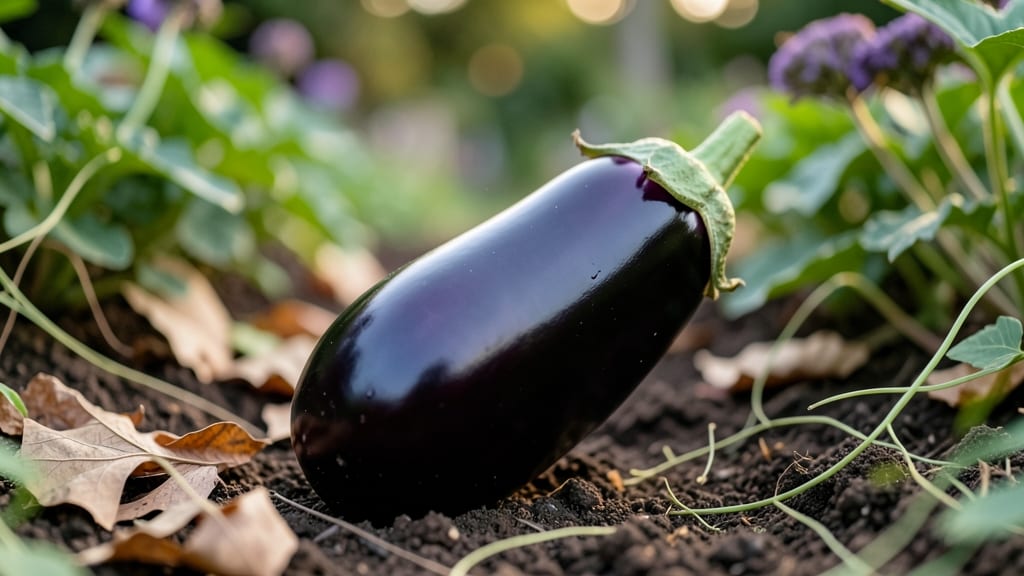
Want a garden bed that looks like a masterpiece while delivering delicious harvests? The Black Krim eggplant brings dramatic indigo-black skin and creamy, sweet flesh—far beyond your typical purple varieties. This heirloom standout thrives in warm climates and adds a bold focal point to any edible landscape.
Plant seeds after the last frost in full sun (6-8 hours daily) with well-draining soil rich in compost. Its glossy, deep purple-black skin resists cracking better than standard eggplants, while its tender, mild flavor makes it ideal for grilling, roasting, or stuffing. Expect 8-10 inch fruits ready to harvest in 70-85 days.
Perfect for urban gardeners with limited space or those seeking a showstopping edible plant that doubles as a conversation starter. 🌟
Purple Okra For Unique Southern Dishes
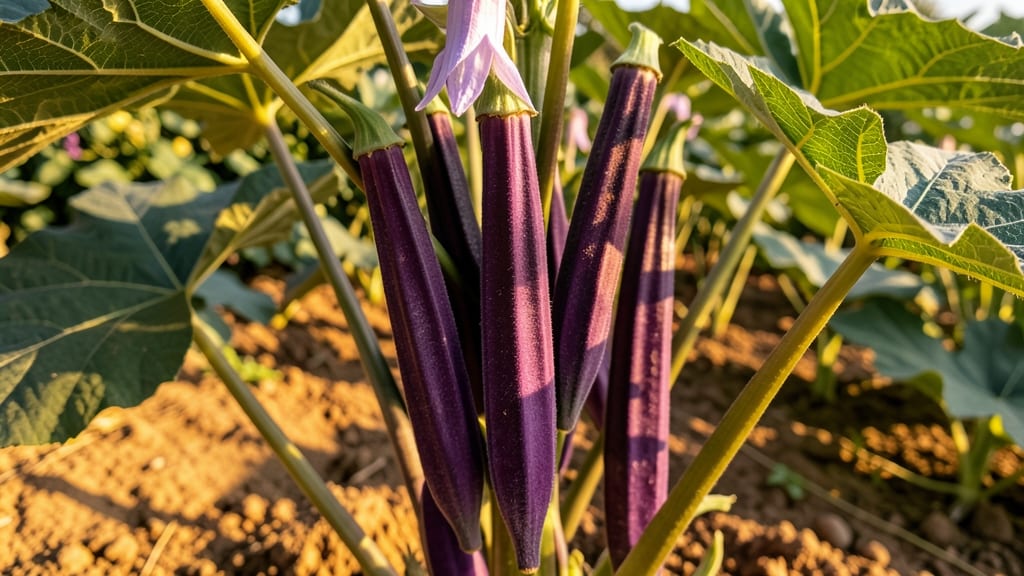
Looking to elevate your garden—and your dinner table—with a showstopping edible plant? Purple okra brings a rare, deep violet twist to Southern cuisine while offering fiber-rich nutrition and a stunning visual contrast to classic green okra.
This heirloom variety thrives in warm climates with 6-8 hours of sun daily and prefers well-draining soil. Pods mature to a rich purple hue when harvested at 3-4 inches long, perfect for frying, stewing, or adding raw to salads. Unlike green okra, these pods hold their color even after cooking, making them ideal for vibrant dishes like gumbo or black-eyed pea stews.
Gardeners in the South will love its drought tolerance and fast growth—ideal for small spaces or container gardening. Plus, its striking appearance makes it a conversation starter in any edible landscape. 🌻
Purple Dragon Carrots For Bold Root Vegetables
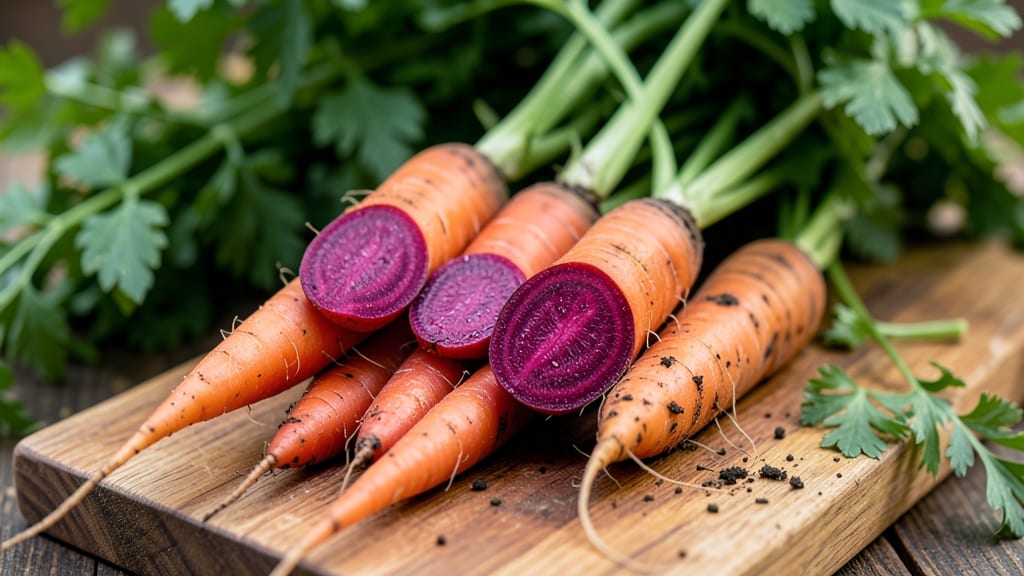
Want to turn heads in your garden—and on your plate? Purple Dragon carrots deliver both with their deep magenta-purple cores that stay crisp and sweet even when roasted. These heirloom beauties are the perfect edible centerpiece for raw snacks, juices, or grilled dishes, offering a flavor profile that’s just as bold as their appearance.
Grow them in well-drained soil with full sun (6+ hours daily), and expect a harvest in about 70-80 days. Their vibrant color comes from anthocyanins, which also boost antioxidant levels—making them a nutritious upgrade to classic orange carrots. For best results, thin seedlings to 2-3 inches apart and keep soil consistently moist but not soggy to prevent forking.
Urban gardeners and small-space growers will love that Purple Dragons thrive in containers, while their striking color makes them a conversation starter at farmers' markets. Add them to your garden for a double dose of beauty and nutrition! 🌻
Purple Sweet Potatoes For Nutrient-Packed Harvests
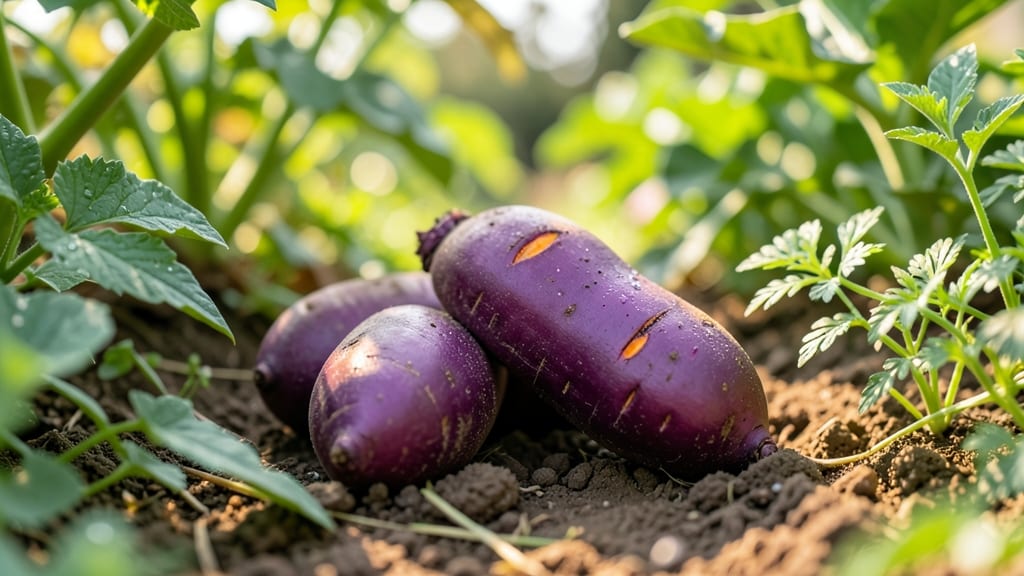
Ready to turn your garden into a nutrient powerhouse? Purple sweet potatoes aren’t just visually stunning—they’re packed with beta-carotene and antioxidants that outshine their orange-fleshed cousins. Their deep purple hue makes them a standout in any harvest, while their natural sweetness elevates everything from mashed potatoes to roasted sides.
These vines thrive in warm climates (USDA zones 9-11) but can also grow in containers moved indoors during cooler months. Plant slips in well-draining soil with full sun exposure (6-8 hours daily), and watch for their striking purple tubers ready to harvest in 90-120 days. The key? Avoid overwatering—these sweet potatoes prefer slightly dry conditions to prevent rot.
Perfect for gardeners who want both beauty and nutrition, purple sweet potatoes bring a unique visual and health boost to your garden. 🌻
Purple Clover For Edible Flower Garnishes
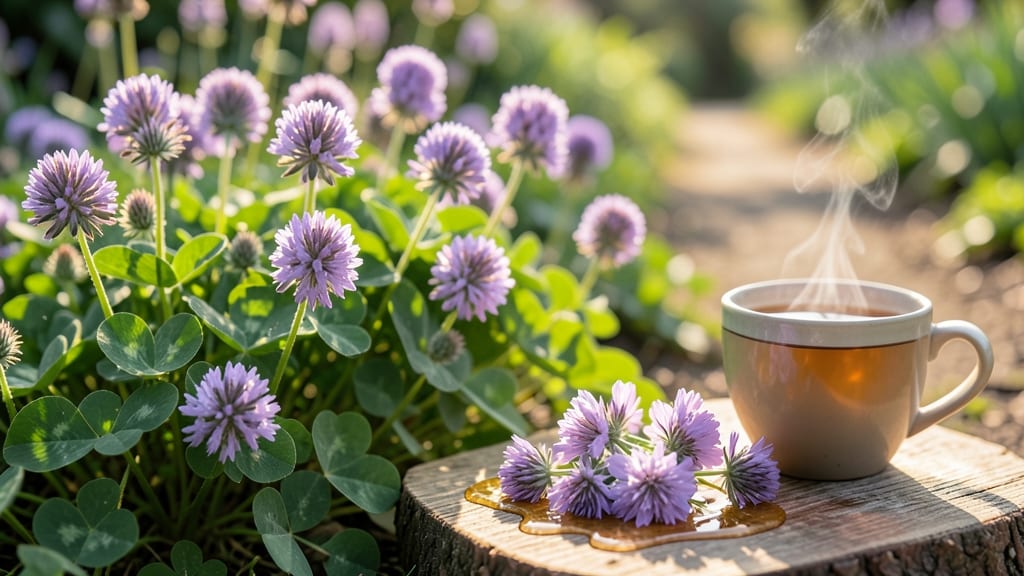
Looking to add a touch of whimsy and sweetness to your garden—and your plate? Purple clover isn’t just a pollinator magnet; its delicate, honey-flavored blooms are edible and perfect for garnishing teas, salads, or even infusing honey.
This hardy perennial thrives in full sun to partial shade and tolerates poor soil, making it ideal for borders or containers. Simply snip the blooms just before they fully open for the most flavor. The flowers also attract bees and butterflies, turning your garden into a buzzing, edible paradise.
Perfect for beginner gardeners or urban growers with limited space, purple clover offers both beauty and functionality—no fancy skills required. 🌻
Purple Cabbage For Fermented And Raw Dishes
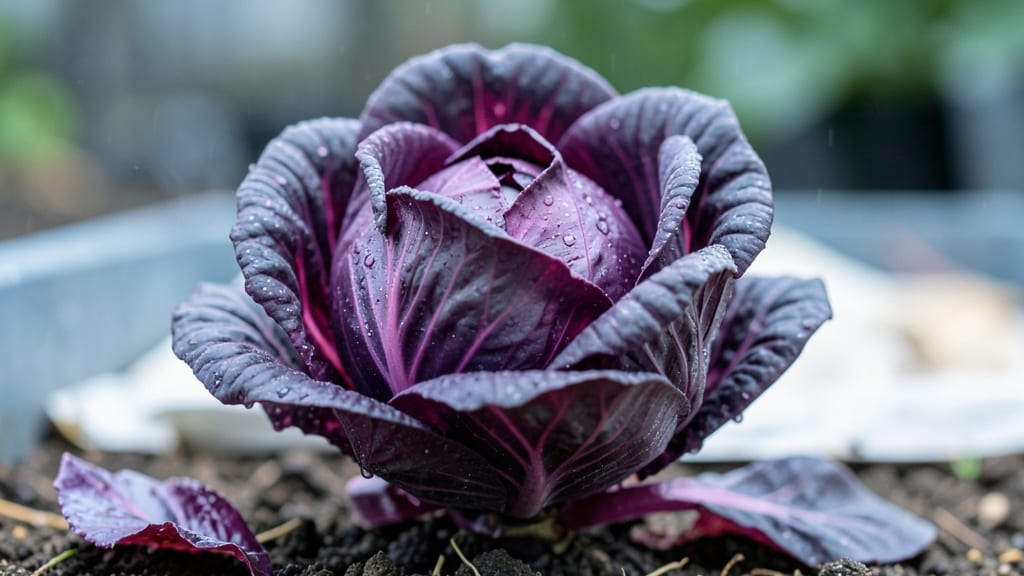
Looking for a long-lasting edible plant that doubles as a vibrant garden statement? Purple cabbage delivers bold color, crunchy texture, and probiotic benefits—all while storing for months in cool conditions. Unlike its green counterpart, this variety retains its deep hue even when cooked, making it perfect for fermented dishes like sauerkraut or kimchi.
Plant purple cabbage in full sun to partial shade with well-draining soil, spacing heads 18-24 inches apart for optimal airflow. Harvest when heads feel firm and heavy, typically 80-100 days after transplanting. For fermented dishes, use whole heads or shred outer leaves for raw slaws—its sweet-tart flavor pairs beautifully with apples, walnuts, and tangy dressings.
This versatile plant thrives in cool seasons and is ideal for gardeners who love multi-purpose crops. Whether you're fermenting, pickling, or adding it fresh to bowls, purple cabbage brings both nutrition and drama to your table. 🌟
Purple Stems Celery For Low-Calorie Crunch

Skip the plain green stalks—purple stems celery brings bold color and all the crunch to your garden without the calories. This heirloom variety grows just like regular celery but with deep magenta stems that add visual drama to any plate or garden bed.
Plant seeds in well-drained soil with full sun to partial shade, keeping the soil consistently moist but not soggy. Harvest stems when they reach 12-15 inches tall, cutting them just above the base to encourage regrowth. The flavor is just as crisp and refreshing as green celery, making it perfect for soups, salads, or snacking straight from the garden.
This is the ideal choice for gardeners who want edible beauty without sacrificing nutrition. 🌱