
Pests
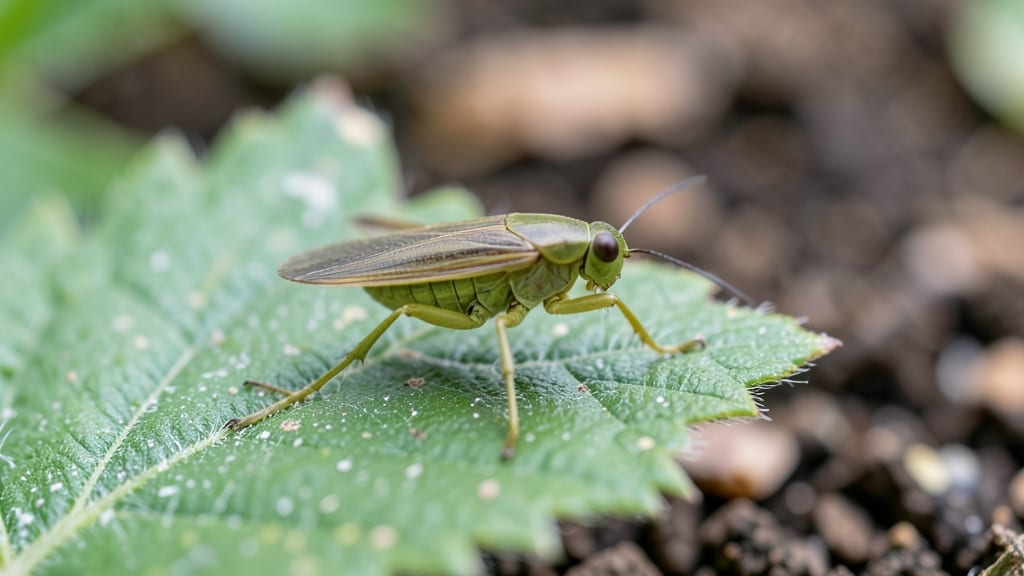
Seeing a picture of a leafhopper?
Those tiny green bugs hopping across your plants are leafhoppers—tiny but mighty pests that can wreak havoc on your garden. 🌿 These wedge-shaped insects, about 1/8-inch long, leave behind a telltale sign: tiny yellow specks on leaves and a sticky residue called honeydew that attracts ants and sooty mold.
Leafhoppers don’t just look annoying—they suck sap from plants, weakening them and spreading diseases like aster yellows. I’ve seen them turn once-healthy tomatoes into sad, curled leaves within weeks. The good news? They’re easy to spot once you know what to look for, and organic control methods work wonders.
You’ll learn to identify them by their size, color, and the damage they leave behind—no magnifying glass needed. Once you spot them, we’ll cover natural predators, homemade sprays, and simple garden habits that keep them away for good. No harsh chemicals required.
This isn’t just about fixing the problem—it’s about protecting your plants long-term. By the end, you’ll recognize leafhoppers on sight and know exactly how to kick them out of your garden for good. Let’s get started!
The Science Behind Their Presence
Leafhoppers don’t just appear—they’re drawn to your garden or crops by a mix of environmental, biological, and behavioral triggers. Understanding these causes helps you predict outbreaks and take targeted action. Here’s why these tiny pests show up when they do:
---
Leafhoppers are like gourmet diners with a very specific menu. They target plants based on: - Sap Composition: Their piercing-sucking mouthparts (called stylets) detect high concentrations of phloem sap, the sugary liquid plants transport through their vascular system.
Plants like tomatoes, potatoes, roses, and fruit trees are all-you-can-eat buffets for them because their sap is nutrient-rich. - Volatile Organic Compounds (VOCs): Healthy plants emit chemical signals (like green leaf volatiles) that leafhoppers use as a homing beacon. Stressed or newly transplanted plants release even more of these signals, making them irresistible. - Host Plant Species: Some leafhoppers, like the potato leafhopper, are specialists—they’ll only feed on a handful of plant families (e.g., Solanaceae).
Others, like the glasshouse leafhopper, are generalists and will munch on almost anything green.
Actionable Tip: 🌡️ Monitor high-risk plants (especially young or stressed ones) and rotate crops to disrupt their feeding patterns.
---
Leafhoppers thrive in specific weather conditions, which explains why they surge in certain seasons: - Warm, Dry Conditions: They love temperatures between 70–90°F (21–32°C).
Hot, dry spells weaken plants, making them easier targets and accelerating leafhopper reproduction. - High Humidity: While they prefer dry air, humid nights help their eggs survive.
Overwatered soil can also create the perfect hatchery for nymphs. - Wind Patterns: Leafhoppers are passive fliers—they hitch rides on wind currents. A sudden gust can drop an entire colony into your garden, especially after storms.
Pro Tip: ✨ Use weather forecasts to predict outbreaks. If your area is forecasted for a heatwave, inspect plants proactively.
---
Leafhoppers don’t work alone—they’re part of a pest ecosystem that includes: - Natural Predators: Birds, lacewings, and parasitic wasps should keep populations in check.
But if these predators are missing (due to pesticide use or habitat loss), leafhopper numbers explode. - Symbiotic Bacteria: Some leafhoppers host endosymbiotic bacteria (like Candidatus Sulcia muelleri) that help them digest plant sap.
Without these microbes, they’d starve—so their survival depends on both the plant and their gut flora. - Overwintering Habits: Many leafhoppers hibernate as eggs in plant debris or soil. If you leave last year’s garden waste untouched, you’re basically giving them a free winter nursery.
Key Insight: 🔥 Encourage predators (e.g., ladybugs, spiders) by avoiding broad-spectrum pesticides and planting pollinator-friendly flowers nearby.
--- Sometimes, we’re the reason leafhoppers move in.
Common human mistakes include: - Poor Garden Hygiene: Leaving weeds, dead plants, or mulch piles provides shelter for eggs and adults. - Over-Fertilization: Too much nitrogen makes plants softer and more sap-rich, a leafhopper’s dream. - Monoculture Farming: Planting the same crop year after year gives leafhoppers a never-ending feast with no escape routes. - Unwashed Tools/Clothing: Leafhoppers or eggs can hitchhike on gardening tools, shoes, or even firewood from infested areas.
Prevention Checklist: - 🔪 Remove plant debris after harvest. - 🌱 Rotate crops to break the leafhopper life cycle. - 🚿 Clean tools with soapy water between uses.
Eliminate Tiny Jumpers Naturally
Dealing with leafhoppers—those tiny, fast-moving pests—can feel like a losing battle, but don’t worry! With the right approach, you can kick them out of your garden for good without harsh chemicals. Below, we’ve mapped out practical, organic solutions tailored to the root causes of your leafhopper problem.
Whether they’re munching on your plants, leaving behind sticky honeydew, or just being a nuisance, these fixes will help you regain control—and keep your garden thriving.
---
#### 🔥 H3: Stop the Spread with Physical Barriers Leafhoppers love hopping from plant to plant, so cut off their access before they multiply. - 🍳 Cover Young Plants: Use fine mesh row covers (like agricultural netting) over seedlings or vulnerable plants.
Secure the edges tightly to block jumpers from landing. - 👨🍳 Isolate Infested Plants: Move heavily infested plants at least 10 feet away from healthy ones.
Check them daily for new hoppers before reintroducing them. - 🥘 Remove Eggs Manually: Leafhopper eggs are often laid on leaf undersides or stems. Use a soft brush or damp cloth to gently scrape them off (especially in late summer/early fall).
✨ Pro Tip: If you’re dealing with a large garden, consider yellow sticky traps near the edges. These traps lure leafhoppers with their color, capturing them before they spread.
---
#### 🌡️ Clean Up Honeydew and Sooty Mold Leafhoppers excrete honeydew, a sugary waste that attracts ants and fosters sooty mold (a black, fungus-like growth).
Here’s how to break the cycle: - 💡 Blast Off Honeydew: Use a strong stream of water (from a hose) to wash honeydew off leaves. Repeat every 3–4 days during outbreaks. - 🎯 Wipe Down Leaves: For delicate plants, use a damp microfiber cloth to gently remove residue.
Focus on undersides of leaves where honeydew pools. - 🔥 Disrupt Ant Trails: Ants farm leafhoppers for honeydew. Set up borax or diatomaceous earth bait stations (away from pets/kids) to reduce ant populations.
💡 Pro Tip: Neem oil (1 tsp per quart of water + a drop of dish soap) can deter leafhoppers and weaken sooty mold. Spray in the early morning or evening to avoid harming beneficial insects.
---
#### 🌿 Strengthen Your Plants’ Defenses Healthy plants resist pests better. Follow these low-effort but high-impact strategies: - 🥗 Water Deeply and Less Often: Leafhoppers thrive in stressed plants.
Water at the base (not overhead) to encourage strong roots and reduce humidity where eggs hatch. - 💪 Prune for Airflow: Overcrowded plants trap moisture and pests. Thin out foliage to improve airflow, making it harder for leafhoppers to hide and lay eggs. - 🍎 Introduce Predators: Encourage natural enemies like lacewings, ladybugs, and parasitic wasps.
Plant dill, fennel, or yarrow near your garden to attract them.
#### 🗓️ Seasonal Checklist to Stay Ahead | Season | Action | Why It Works | |-------------|----------------------------------------------------------------------------|------------------------------------------| | Spring | Inspect new growth weekly for eggs. | Catches infestations early. | | Summer | Apply kaolin clay (a natural repellent) to leaves. | Creates a barrier leafhoppers avoid. | | Fall | Till or mulch garden beds after harvest to destroy overwintering eggs. | Breaks their life cycle before next year.| | Winter | Remove dead plant debris where eggs may hide. | Eliminates hiding spots for survivors. |
🔥 Pro Tip: Reflective mulch (like aluminum foil or silver plastic) can confuse and repel leafhoppers. Try it around high-risk plants like roses or citrus.
--- - ❌ Don’t ignore ants—they protect leafhoppers in exchange for honeydew. - ❌ Avoid broad-spectrum pesticides—they kill beneficial insects that eat leafhoppers. - ❌ Skip regular checks—leafhoppers multiply fast, so early action is key!
--- By combining physical removal, plant care, and natural predators, you’ll outsmart leafhoppers without resorting to toxic sprays. Start with one or two methods, monitor progress, and adjust as needed. Your garden will thank you—and so will your sanity! 🌱💚
Frequently asked questions
What do leafhoppers look like up close?
Leafhoppers are tiny, wedge-shaped insects about 1/8-inch long with large eyes and powerful hind legs for jumping. They come in various colors—green, brown, or yellow—but their most distinctive feature is their X-shaped pattern on their backs when viewed from above. Look for their sticky honeydew residue on leaves as a dead giveaway!
Are leafhoppers harmful to my plants?
Yes, they cause two main problems: they suck plant sap, weakening growth, and leave behind honeydew that attracts ants and fosters sooty mold. Heavy infestations can stunt plant development or even kill young seedlings. The damage often appears as yellow stippling on leaves or curled foliage.
How can I tell if my plants have leafhoppers?
Check for tiny yellow specks on leaves (their feeding marks), sticky residue (honeydew), or ants crawling up stems (they farm leafhoppers). Look on leaf undersides too—nymphs often hide there. If you see black sooty mold on leaves, that’s a sure sign of an active infestation.
What’s the best natural way to get rid of leafhoppers?
Try neem oil spray (1 tsp per quart of water) or kaolin clay as a physical barrier. You can also introduce ladybugs or lacewings (their natural predators) by planting dill or yarrow nearby. For immediate relief, blast leaves with water to remove honeydew and disrupt their life cycle.
Will leafhoppers come back next year?
They often do! Many leafhoppers overwinter as eggs in plant debris or soil. To prevent next year’s infestation, clean up garden waste in fall, rotate crops, and avoid overwatering. Regular checks in spring will help catch early signs before they multiply.