
Leaf Blower
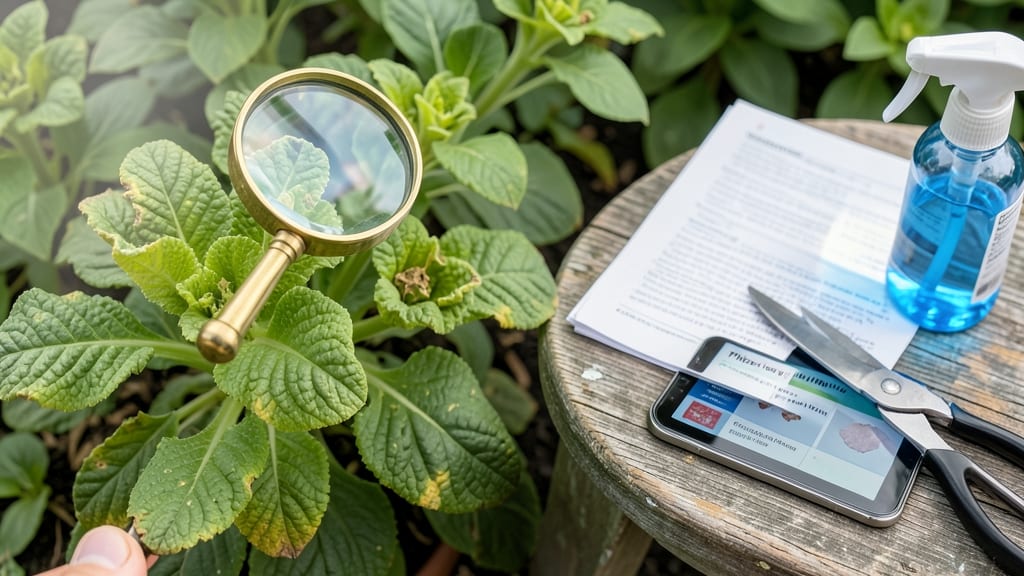
Your phlox blooms are the star of summer—until leaf curl ruins the show. 🌸 That crinkled, distorted foliage isn’t just ugly; it’s a fungal infection spreading faster than you think. The good news? Copper spray stops it in its tracks within 48 hours if you act fast.
Leaf curl starts with curled, puckered leaves that turn yellow or brown at the edges—classic signs of a fungal takeover. Aphids often spread the spores, but poor airflow and wet foliage give it the perfect home.
I’ve seen entire borders collapse when left untreated, but this protocol saves even the worst cases.
First, prune out infected stems down to healthy growth. Then spray with copper fungicide (like Bordeaux mixture) every 7-10 days until new leaves emerge. The copper disrupts the fungus’s cell walls, halting its spread while your phlox recovers its lush, disease-free glory.
Prevention is easier: space plants for airflow, avoid overhead watering, and choose resistant varieties like ‘David’ or ‘Jeana.’ With this method, your phlox will bloom bold and healthy next season—no more leaf curl in sight.
Root Causes Of Leaf Distortion
Phlox leaf curl—those unsightly twisted, puckered, or stunted leaves—rarely happens by accident. It’s usually a direct response to stress or infection, often triggered by specific environmental or biological factors.
Understanding these causes is the first step to reclaiming your healthy, vibrant phlox. Let’s break down the science behind why your leaves might be curling in the first place.
🦠 Fungal Infections: The Silent Invaders
Fungal pathogens are the most common culprits behind leaf curl in phlox. These microscopic invaders thrive in moist, humid conditions and can distort leaves by interfering with cell growth. The most notorious offenders include:
- Powdery Mildew (Erysiphe cichoracearum): This fungus creates a white, powdery coating on leaves, disrupting photosynthesis and causing curling as the plant struggles to compensate. It spreads rapidly in warm, humid weather (70–80°F) with poor airflow.
- Leaf Spot Fungi (e.g., Septoria or Alternaria): These fungi create dark, irregular spots on leaves, which trigger the plant’s defense mechanism—curling—to limit further damage. Overhead watering or wet foliage accelerates their spread.
- Phytophthora Root Rot (Phytophthora spp.): While primarily a root pathogen, severe infections can stress the plant so badly that leaves curl as a symptom of systemic decline. This fungus thrives in waterlogged soil.
💡 Pro Tip: If you notice curling paired with white powder or dark spots, fungal infection is likely. Act fast—fungi spread aggressively once established.
🌡️ Environmental Stress: When Conditions Go Rogue
Phlox is a hardy plant, but extreme or inconsistent environmental conditions can force leaves to curl as a survival tactic. Here’s how:
| Stressor | Why It Causes Curling | Actionable Fix |
|---|---|---|
| Temperature Fluctuations | Sudden heatwaves or cold snaps disrupt cell expansion. Phlox leaves may curl to reduce water loss or protect delicate tissues. | Provide afternoon shade in summer and mulch to moderate soil temps. Avoid planting in exposed, windy areas. |
| Water Stress |
|
Water deeply 1–2 times per week (check soil moisture 2” below the surface). Ensure pots have drainage holes. |
| Poor Soil Drainage | Compacted or clay-heavy soil traps excess moisture, leading to root rot and nutrient deficiencies. Curling is the plant’s distress signal. | Amend soil with compost or perlite. Consider raised beds if your native soil is heavy. |
✨ Key Insight: Environmental stress often causes generalized curling (affecting multiple leaves uniformly), while fungal issues usually target specific leaves or clusters.
🐜 Pests: The Tiny Saboteurs
While less common than fungi, certain pests can physically damage leaves or inject toxins that trigger curling. Watch for:
- Spider Mites (Acarus spp.): These microscopic pests suck sap from leaf undersides, causing stippling and curling as the plant reacts to tissue damage. They thrive in dry, dusty conditions.
- Aphids (Aphis spp.): Clusters of these soft-bodied insects excrete honeydew, which can lead to sooty mold—a secondary stressor that distorts leaves.
- Japanese Beetles (Popillia japonica): Adult beetles chew leaf edges and between veins, causing irregular curling and skeletonization.
🔥 Quick Check: Inspect leaf undersides with a magnifying glass. Tiny webs (mites), sticky residue (aphids), or ragged holes (beetles) confirm pest activity.
🌱 Nutritional Deficiencies: Starving for Success
Phlox relies on a balanced diet of macronutrients to maintain leaf structure. Deficiencies in key nutrients can lead to curling as the plant prioritizes survival over growth:
- Nitrogen (N) Deficiency: Leaves may curl and turn yellow (chlorosis) as the plant struggles to produce chlorophyll. Nitrogen is critical for leaf expansion.
- Magnesium (Mg) Deficiency: Causes interveinal chlorosis (yellowing between veins) and curling, especially in older leaves. Magnesium is essential for chlorophyll production.
- Potassium (K) Deficiency: Leaves may curl and develop brown edges or spots. Potassium regulates water and nutrient movement within cells.
📊 Soil Test Tip: Send a soil sample to your local extension office to identify deficiencies. A balanced fertilizer (e.g., 10-10-10) can often restore health quickly.
By pinpointing the exact cause—whether fungal, environmental, pest-related, or nutritional—you can target treatments like copper sprays, cultural adjustments, or pest controls with precision. Stay tuned for our next section on diagnosing the difference between stress and disease!
Quick Fixes for Leaf Distress
Phlox leaf curl and fungal spots can feel like a losing battle, but with the right approach, you can restore your plants to vibrant health in just 48 hours—or even prevent future outbreaks.
Below are targeted solutions based on the root causes (fungal infections, viral spread, or environmental stress) paired with easy-to-follow fixes and prevention tips to keep your phlox thriving.
If leaf curl and spots are caused by fungal pathogens (like Septoria or Ramularia), act immediately with copper-based treatments and sanitation.
🍳 Step 1: Apply Copper Fungicide (The 48-Hour Protocol)
Copper sprays are highly effective against fungal leaf curl because they disrupt the pathogen’s cell membrane.
Here’s how to use them properly: - Mix it right: Use a ready-to-use copper fungicide (like Copper Sulfate 53% WSP or Bordeaux Mixture) or dissolve 1 tsp of copper sulfate in 1 gallon of water (add a drop of dish soap as a sticker to help it adhere). - Spray thoroughly: Focus on both sides of leaves, stems, and even the soil around the base (fungi lurk there too!).
Use a hose-end sprayer for even coverage. - Reapply in 7–10 days: Fungal spores are persistent—two treatments usually knock them out. - 💡 Pro Tip: Spray early morning or late evening to avoid burning leaves in direct sunlight.
👨🍳 Step 2: Remove & Dispose of Infected Foliage
- Snip off curled, spotted, or yellowing leaves with sterilized pruners (wipe blades with rubbing alcohol between cuts).
- Bag and trash infected debris immediately—do not compost it, as spores can survive.
- 🌡️ Pro Tip: If the infection is severe, prune back 1/3 of the plant to improve airflow and reduce humidity (fungi love damp, crowded spaces).
⏰ Step 3: Boost Airflow & Reduce Moisture
Fungi thrive in stagnant, humid conditions.
Fix this with: - Thin out overcrowded plants (aim for 6–12 inches of space between phlox). - Water at the base (avoid overhead sprinkling—use drip irrigation or a soaker hose). - Mulch properly: Use 2–3 inches of organic mulch (like shredded bark) to prevent soil splashing onto leaves.
If the curl is viral (often spread by aphids or infected cuttings), prevention is key—there’s no cure, but you can stop the spread.
🔪 Step 1: Destroy Infected Plants
- Pull up and burn (or double-bag and trash) severely infected phlox to prevent virus transmission.
- 💡 Pro Tip: If you suspect a virus, test a sample at your local Cooperative Extension Service for confirmation.
🛡️ Step 2: Quarantine Healthy Plants
- Isolate new phlox for 2–4 weeks before planting them near existing gardens.
- Inspect for aphids (common virus vectors) and blast plants with water or use neem oil spray to deter them.
🌱 Step 3: Start Fresh with Disease-Free Stock
- Buy certified disease-free phlox from reputable nurseries.
- Grow from cuttings of healthy, mature plants (avoid garden-center plants with unknown histories).
If leaf curl is due to heat, drought, or poor soil, fixing the underlying conditions will help leaves recover.
💧 Step 1: Water Deeply & Consistently
- Water phlox 1–2 inches per week (more in extreme heat).
- Use mulch to retain moisture and regulate soil temperature.
☀️ Step 2: Provide Afternoon Shade
- If your phlox is in a hot, sunny spot, add light shade (like a cloth shade cloth) during peak afternoon heat.
🌱 Step 3: Fertilize for Resilience
- Feed with a balanced, slow-release fertilizer (like 10-10-10) in early spring.
- Avoid high-nitrogen fertilizers—they encourage soft, susceptible growth.
Once you’ve treated the issue, lock in success with these proactive steps:
| Prevention Step | How to Do It | Why It Works |
|---|---|---|
| Rotate copper sprays | Alternate with baking soda spray (1 tbsp baking soda + 1 tsp soap per gallon). | Prevents fungal resistance to copper. |
| Encourage beneficial insects | Plant marigolds, dill, or yarrow nearby to attract ladybugs & lacewings. | Natural predators keep aphids (virus spreaders) in check. |
| Test soil pH | Aim for 6.0–7.0 (use a soil test kit). | Ideal pH reduces fungal activity and improves nutrient uptake. |
| Clean tools regularly | Wipe pruners with rubbing alcohol between cuts. | Prevents cross-contamination of pathogens. |
| Divide overcrowded clumps | Every 3–4 years, dig up and split phlox to improve airflow. | Reduces humidity and fungal pressure. |
Final Thought: With copper sprays, proper pruning, and smart watering, you can reverse leaf curl in days and keep your phlox lush for years. Start today—your garden will thank you! 🌸
Frequently asked questions about phlox leaf curl
What does phlox leaf curl look like?
Infected phlox leaves develop distinctive puckered, twisted, or cupped shapes that may appear stunted. You’ll often see yellowing or browning at leaf edges, and severe cases show distorted growth patterns. Check both leaf surfaces for signs of fungal spores or tiny webs (indicating mites).
Can copper spray harm my phlox plants?
When used correctly, copper fungicides are safe for phlox. Always apply at early morning or late evening to avoid leaf burn from sunlight. Start with a diluted solution (1 tsp copper sulfate per gallon) and monitor for sensitivity. Never exceed recommended concentrations.
How do I know if my phlox has a fungal or viral infection?
Fungal leaf curl typically shows white powder (powdery mildew) or dark spots, while viral infections often cause systemic curling without visible spores. Test for viruses by checking if new growth remains healthy—if it doesn’t, the issue is likely viral. Fungal cases improve with copper treatments.
Will pruning infected leaves stop the spread?
Yes, but only if you remove all infected foliage and dispose of it properly (don’t compost!). Use sterilized pruners and prune back to healthy growth. Combine this with copper sprays and improved airflow to prevent reinfection. Repeat treatments every 7-10 days for best results.
Are some phlox varieties more resistant to leaf curl?
Varieties like ‘David’ and ‘Jeana’ show better resistance. For maximum protection, choose disease-resistant cultivars and practice crop rotation. Avoid planting phlox in the same spot year after year, as fungal spores can persist in the soil.