
Diseases
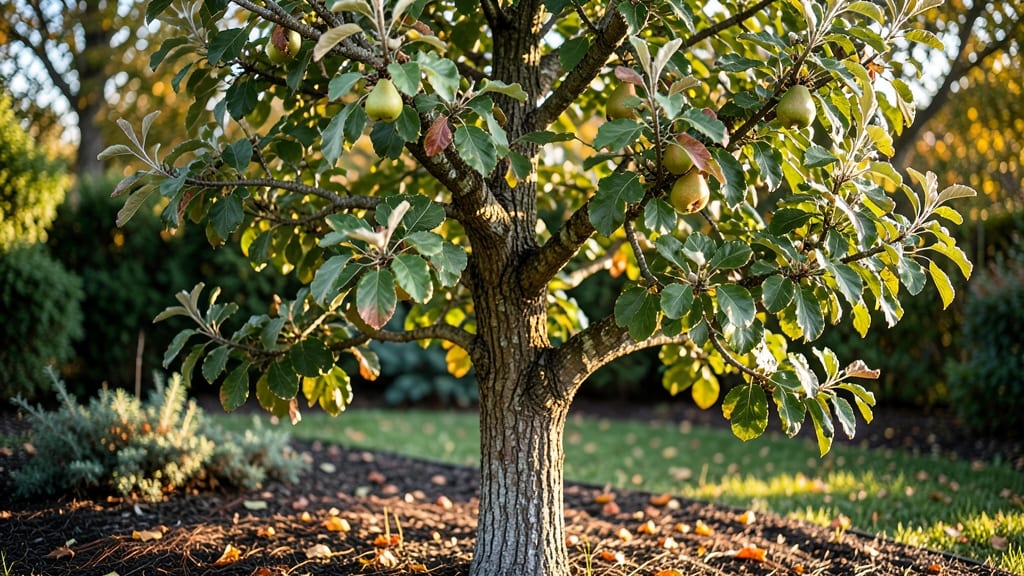
When your pear tree leaves curl into tight, puckered messes by spring, you're dealing with leaf curl—and copper fungicide is your fastest fix. 🌱 I've seen this fungal disease turn vibrant foliage into a sad, twisted spectacle, but the right spray schedule can stop it in its tracks within weeks.
The problem starts when fungal spores overwinter on buds or bark, then explode with spring rains. Warm, wet conditions are their perfect breeding ground, and once leaves curl and thicken, the tree struggles to photosynthesize.
The good news? Copper sprays disrupt fungal cell walls, and when applied at the right time—before buds swell—they prevent 90% of infections.
You'll see new growth emerge smooth and green in just 2-3 weeks after treatment, with fewer curled leaves each year. The key is consistency: two sprays in early spring, then again after harvest. It's not pretty, but it works—better than waiting for organic remedies that take too long.
This protocol works for backyard trees, orchards, and even container-grown pears. The secret? Timing and a clean workspace. Let's get those branches healthy again.
Root Causes Of Leaf Distortion
Understanding why pear trees develop leaf curl is key to stopping it before it spreads. This frustrating fungal disease thrives when specific conditions align—often leaving gardeners scratching their heads over what went wrong.
Let’s break down the three primary triggers behind leaf curl in pear trees, so you can address them directly.
The most common culprit behind pear tree leaf curl is the Taphrina deformans fungus, a microscopic pathogen that thrives in damp, cool conditions. Here’s how it hijacks your tree:
- Excessive Rain or Irrigation: Fungal spores splash onto leaves during rainy seasons or from overhead watering. A single wet spell can activate dormant spores, leading to infection. - Poor Air Circulation: Dense foliage or crowded trees trap moisture, creating a humid microclimate perfect for fungal growth.
Even a single infected branch can spread spores to healthy leaves via wind or splashing water. - Spring Emergence: The fungus overwinters in buds and bark, then bursts into action as new leaves unfurl in spring—when conditions are ideal for infection.
💡 Pro Tip: Avoid watering leaves (especially in the evening) and prune for airflow to disrupt the fungus’s favorite conditions.
A stressed pear tree is like an open door for fungal invaders. When trees struggle, their natural resistance crumbles, making them prime targets for leaf curl. Watch for these red flags:
- Nutrient Deficiencies: Lack of zinc, nitrogen, or potassium weakens cell walls, making leaves more susceptible to fungal penetration. Yellowing leaves or stunted growth are early warnings. - Physical Damage: Pruning wounds, hail, or pest bites (like from aphids) create entry points for spores.
Even minor stress can tip the balance in favor of the fungus. - Improper Planting: Trees planted too deep, with girdling roots, or in poor-draining soil struggle to absorb water and nutrients—compromising their immunity.
✨ Actionable Fix: Conduct a soil test and amend with compost or a balanced fertilizer (like 10-10-10) to bolster tree health before fungal spores strike.
Leaf curl doesn’t strike randomly—it’s a seasonal ambush. The fungus exploits specific weather patterns and tree life cycles:
- Cool, Wet Springs: Temperatures between 50–70°F (10–21°C) with high humidity create the perfect storm for spore germination. Early spring showers are especially risky. - Bud Break Phase: As buds swell in late winter/early spring, the fungus activates, infecting emerging leaves before they fully harden.
This is why pre-bloom treatments are critical. - Dormant Season Carryover: If leaf curl was present the previous year, fungal spores may linger in mummified leaves or bark crevices, ready to reinfect as soon as conditions improve.
🎯 Prevention Hack: Monitor local weather forecasts and apply copper fungicide before buds swell (typically 2–4 weeks pre-bloom) to catch spores off guard.
Why It Matters: Leaf curl doesn’t just ruin aesthetics—it can stunt growth, reduce fruit yield, and even kill branches if left unchecked. By targeting these three root causes (fungal activity, tree stress, and timing), you can disrupt the disease cycle before it gains a foothold.
Quick Fixes for Twisted Leaves
If your pear tree’s leaves are curling into tight, distorted shapes—often a sign of leaf curl disease—don’t panic. With the right approach, you can restore your tree’s health and prevent further damage.
Below, we break down the most effective solutions, tailored to the root cause of the problem, so you can act fast and keep your tree thriving.
Leaf curl in pear trees is often caused by the fungus Taphrina caerulescens. Copper-based fungicides are the gold standard for treating this issue because they disrupt the fungal spores before they take hold.
🍳 Step-by-Step Copper Treatment
- Choose the Right Fungicide
- Opt for a fixed copper fungicide (like Copper Sulfate or Copper Hydroxide) or a ready-to-use liquid spray (e.g., Bonide Copper Fungicide).
- Avoid organic copper sprays if you’re concerned about soil buildup—stick to synthetic options for faster results.
- Timing Is Everything
- Apply the fungicide before bud break (late winter/early spring) and again after harvest (fall).
- If you spot new infections mid-season, spray every 7–10 days until the leaves unfurl normally.
- Proper Application Techniques
- Wet the leaves thoroughly—don’t just mist the tops; aim for the undersides where spores hide.
- Use a hose-end sprayer or backpack sprayer for even coverage.
- Reapply after rain—copper washes off quickly, so check your tree 24–48 hours post-rain.
- Safety First!
- Wear gloves, long sleeves, and goggles—copper can irritate skin and eyes.
- Avoid spraying when bees are active (early morning or late evening is best).
💡 Pro Tip:
Mix a 1% copper solution (1 tbsp copper sulfate per gallon of water) for a DIY option. Test a small branch first to ensure it doesn’t cause leaf burn.
Sometimes, leaf curling isn’t fungal—it’s a cry for help from your tree due to heat stress, drought, or poor soil conditions. If copper treatment doesn’t work, check these factors first.
👨🍳 Fixing Environmental Triggers
- Water Deeply & Consistently
- Pear trees need 1–1.5 inches of water per week, especially in dry spells.
- Deep watering (soak the root zone, not just the surface) encourages strong growth.
- Mulch around the base (2–3 inches of wood chips or straw) to retain moisture.
- Shade & Heat Management
- If your tree is in a hot, sunny spot, provide afternoon shade (use shade cloth or plant nearby trees).
- Avoid pruning in peak summer—this stresses the tree further.
- Soil Health Check
- Test your soil’s pH (6.0–7.0 is ideal for pears) and nutrient levels (lack of nitrogen or potassium can cause curling).
- Amend with compost or a balanced fertilizer (10-10-10) in early spring.
✨ Quick Fix Table: Environmental Solutions
| Problem | Solution |
|---|---|
| Drought stress | Water at the base (not leaves) every 3–4 days in dry weather. |
| Over-fertilization | Flush soil with water; reduce nitrogen-heavy fertilizers. |
| Poor drainage | Add organic matter (peat moss, compost) to improve soil structure. |
| Windburn | Install a windbreak (bamboo fence or shrubs) to protect young leaves. |
Once your tree recovers, pruning and preventive care will keep leaf curl at bay.
🥘 Pruning for Health
- Remove Infected Branches
- Cut out any branches with curled or discolored leaves—sterilize pruners with rubbing alcohol between cuts.
- Dispose of infected leaves in the trash (not compost) to prevent spore spread.
- Thin the Canopy
- Overcrowded branches trap moisture and spores. Aim for open airflow by pruning inward-growing branches.
- Sanitize Tools
- Always clean pruners with bleach (1 part bleach to 9 parts water) or isopropyl alcohol before and after use.
🎯 Prevention Tips for Next Season
- Apply fungicide preventatively in late fall or early spring (before buds swell).
- Rake up and destroy fallen leaves—they harbor fungal spores.
- Plant resistant varieties (e.g., Kieffer or Moonglow pears) if leaf curl is recurrent.
- Encourage beneficial insects (ladybugs, lacewings) by planting companion flowers like marigolds or alyssum.
With these targeted fixes, your pear tree should bounce back within one to two growing seasons. Stay vigilant, and your tree will reward you with lush, healthy foliage—and delicious fruit!
Frequently asked questions about pear tree leaf curl
What do pear tree leaf curl symptoms look like exactly?
Leaf curl starts with new spring growth showing thickened, puckered leaves that curl upward or downward. The undersides often appear grayish-white with a fuzzy texture. Infected leaves may also develop yellow or reddish-brown spots before falling prematurely. Check both young and mature leaves—this helps confirm the fungal infection.
Can I use homemade remedies instead of copper fungicide?
While baking soda sprays (1 tsp baking soda + 1 tbsp oil + 1 gallon water) or neem oil may help mild cases, they're not as effective as copper for leaf curl. For best results, use copper fungicide first, then supplement with baking soda sprays every 2 weeks during wet seasons. Always test homemade solutions on a small branch first.
How long until I see improvement after treatment?
With proper copper treatment, you should notice new, healthy leaves emerging within 2-3 weeks. Full recovery may take one growing season, but consistent sprays prevent reinfection. Monitor your tree closely—if curling persists after 6 weeks, check for environmental stressors like drought or poor soil drainage.
Will leaf curl affect my pear harvest?
Yes, severe leaf curl can reduce fruit quality and yield by up to 50% in bad years. The disease weakens the tree's ability to photosynthesize, leading to smaller, misshapen fruits. Early treatment protects both foliage and fruit production—don't wait until you see symptoms on the fruit itself.
Can I save an infected pear tree if I start treatment late?
Even with late treatment, many trees recover fully—especially young ones. Focus on removing all infected branches, applying copper fungicide immediately, and improving growing conditions. Older trees may show some scarring, but with consistent care, they can still produce fruit. The key is acting within 2-3 weeks of first noticing symptoms.