
Planting
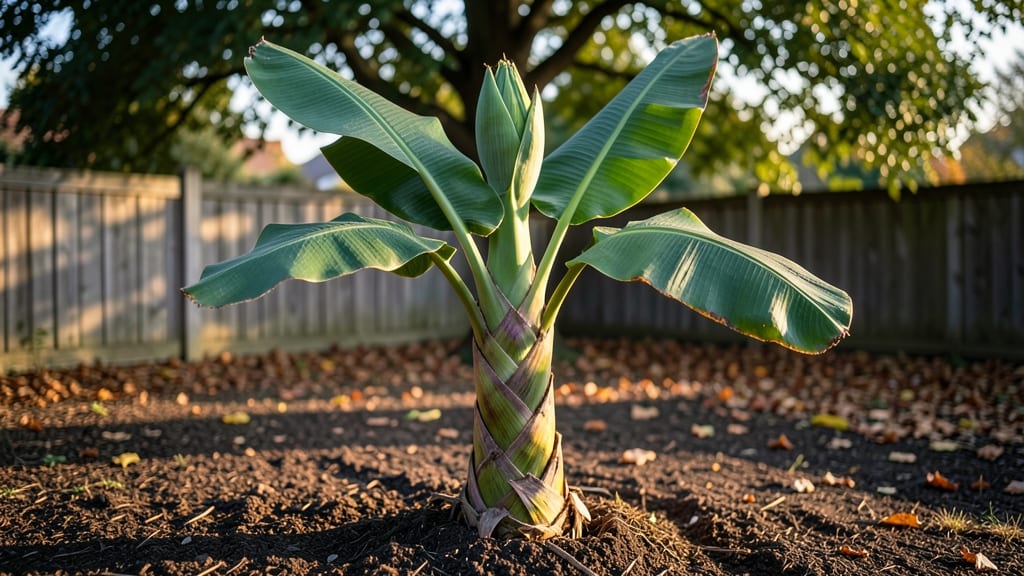
Growing an outdoor banana leaf plant transforms your yard into a lush tropical oasis with almost no effort. 🌿 My first Musa basjoo thrived in zone 6 last summer—its giant leaves reaching 6 feet tall by August, even with just basic care.
The key isn’t fancy techniques; it’s matching this plant’s love of warmth, moisture, and space to your growing conditions.
You’ll need a sunny spot with at least 6 hours of light daily, rich soil that drains well (amend with compost if yours is heavy clay), and room for roots to spread—these plants grow 6-10 feet wide.
Water consistently to keep the soil moist but never soggy, and mulch heavily to protect roots in winter. The biggest mistake beginners make? Underestimating how much space these need—crowded plants produce fewer leaves.
By late summer, you’ll have dramatic foliage that adds height and texture to any garden, plus edible fruit if you choose a culinary variety. The leaves themselves are perfect for wrapping foods or lining picnic baskets—nature’s reusable plates.
Even in colder zones, the pseudostems survive winter with proper protection, coming back stronger each spring.
For slow growth or yellowing leaves, check your watering first—too much or too little both stress these plants. Divide clumps every 3-4 years to keep them productive, and watch for aphids on new shoots.
With minimal effort, you’ll have a statement plant that doubles as a functional centerpiece—no tropical vacation required.
📚 In This Guide
- What you need
- Instructions
- Tips and common mistakes
- Wrapping up and next steps
What you need
- ● Banana leaf plant (Musa spp.) – Choose a hardy variety like Musa basjoo (Japanese banana) or Musa acuminata for outdoor growing. Start with 1-2 plants for beginners.
- ● Large container or in-ground planting area – Use a 15-20 gallon pot (minimum 18" diameter) with drainage holes if container-growing, or a sunny, sheltered spot in your yard with well-draining soil.
- ● High-quality potting mix – A blend of 60% peat or coconut coir, 30% perlite/pumice, and 10% compost ensures aeration and moisture retention.
- ● Slow-release fertilizer – A balanced 10-10-10 or 20-20-20 granular fertilizer (2-3 tbsp per plant) to kickstart growth.
- ● Organic mulch – 3-4 inches of wood chips or straw to retain moisture and regulate soil temperature.
- ● Watering can or hose with a gentle spray nozzle – Banana plants love deep watering 2-3 times per week during dry spells.
- ● Pruning shears – For trimming dead leaves or shaping the plant as it grows.
- ● Epsom salt – A tablespoon dissolved in water every 4-6 weeks boosts magnesium for lush foliage.
- ● Plant support stake or trellis – Useful if your variety grows tall (up to 10-15 feet!), though many outdoor types are sturdy.
- ● Shade cloth (30-50%) – Protects young plants from harsh afternoon sun in hot climates.
- ● Soil moisture meter – Ensures you’re watering just enough (banana leaves hate soggy roots!).
- ● Compost tea or liquid fertilizer – For a nutrient boost during the growing season (spring to fall).
Step-by-Step instructions for planting an outdoor banana leaf plant
Here's how to establish a lush, low-maintenance banana leaf plant that thrives year-round.
🪴 Step 1: Choose the Perfect Planting Location
Banana leaf plants—like the hardy Musa basjoo or Strelitzia nicolai—thrive in partial shade to full sun, but avoid harsh afternoon rays in hot climates. I always pick a spot with at least 4 hours of morning sun and afternoon dappled light. This prevents leaf scorch while keeping the plant happy.
Check your yard for a sheltered area near a fence or under a large tree where the roots can spread without competition. The soil should drain well—banana plants hate soggy feet. If your yard has heavy clay, amend with 3-4 inches of compost mixed into the top 12 inches of soil before planting.
🌱 Step 2: Prepare the Planting Hole and Soil
Dig a hole twice as wide as the plant’s root ball but only as deep as the container it came in. This prevents burying the crown too deeply, which can cause rot. Gently loosen the roots if they’re circling tightly in the pot—just tease them apart with your fingers.
Fill the hole halfway with soil, then place the plant in so the top of the root ball sits 1 inch above ground level. This slight elevation helps prevent water pooling. Backfill with the remaining soil, pressing lightly to remove air pockets but not compacting too firmly. Water deeply right after planting to settle the soil around the roots.
☀️ Step 3: Mulch and Water for Establishment
Spread a 3-inch layer of organic mulch—like shredded bark or pine needles—around the base, keeping it 6 inches away from the stem to prevent rot. Mulch retains moisture and regulates soil temperature, which is especially helpful in hot summers. I always use mulch with a neutral pH to avoid altering soil chemistry.
Water immediately after planting, then keep the soil evenly moist but not soggy for the first 4-6 weeks. You’ll know it’s right when the top 2 inches of soil feel damp but not wet. Avoid overhead watering once leaves appear—water at the base instead to prevent fungal diseases.
🌿 Step 4: Monitor Growth and Adjust Care
Banana leaf plants grow fast, so watch for new fronds emerging from the center. If you see yellowing leaves at the base, it’s normal—they’re making way for fresh growth. However, if the yellowing spreads upward or appears on newer leaves, your plant may need more iron or better drainage.
Fertilize lightly in spring with a balanced, slow-release fertilizer (like 10-10-10) to encourage lush foliage. I skip fertilizer in winter unless your climate stays mild. Prune only to remove dead fronds at the base—never cut healthy leaves, as they feed the plant.
⏰ Step 5: Protect in Winter (If Needed)
Most banana leaf plants tolerate 20-25°F with proper care, but younger plants or colder zones need protection. Wrap the base in burlap or frost cloth and mulch heavily with 6-8 inches of straw once temperatures dip below 30°F. This insulation prevents root damage and keeps the plant alive for spring regrowth.
In warmer climates, reduce watering in winter—only keep the soil slightly moist. If your plant drops all its leaves, don’t panic. It’s likely dormant and will rebound with new growth in spring. Just keep the roots protected until temperatures rise.
Tips & tricks for perfect outdoor banana leaf plant care
Here's what I learned the hard way after struggling with my first few banana leaf plants—these tricks make all the difference for long-term success.
Location Strategy: In Step 1, when choosing your spot, pay extra attention to afternoon shade in hot climates. I once placed mine in full sun all day and ended up with crispy leaf edges—it looked like someone had singed them! Look for that perfect balance of morning sun and afternoon shade, especially in summer months. A north-facing wall or large tree canopy works beautifully.
Root Preparation: During Step 2, don't skip loosening those roots if they're circling. I've seen people plant directly from pots with tight roots, and within months, the plant becomes stunted. Gently separate the roots with your fingers—this encourages outward growth and prevents girdling. The 1-inch elevation above ground level is crucial too; I've seen many gardeners bury the crown too deep, which leads to rot.
Mulching Wisdom: When you apply that 3-inch layer of mulch in Step 3, keep it consistent. I once used uneven mulch, and some areas dried out while others stayed too wet. The 6-inch clearance from the stem prevents rot while still protecting roots. And remember—neutral pH mulch prevents soil chemistry issues that can stress your plant.
Winter Protection: For Step 5, if you're in a colder zone, don't wait until the last minute to protect your plant. I've had banana leaf plants survive down to 20°F with proper care, but the key is that extra insulation. That 6-8 inches of straw makes all the difference—it's like giving your plant a cozy blanket during winter dormancy. And if your plant drops leaves in winter, that's completely normal!
Pro Tips for Outdoor Banana Leaf Plant
- Here's what I learned the hard way after struggling with my first few banana leaf plants—these tricks make all the difference for long-term success.
- Location Strategy: In Step 1, when choosing your spot, pay extra attention to afternoon shade in hot climates.
- Root Preparation: During Step 2, don't skip loosening those roots if they're circling.
Frequently asked questions
Got questions about growing your own outdoor banana leaf plant? You’re not alone!
Here are answers to the most common queries—from planting to maintenance—so you can enjoy lush, tropical vibes with ease.
Can I grow a banana leaf plant in cold climates?
A banana leaf plant (Musa basjoo or Strelitzia nicolai) thrives in USDA zones 8–11. In colder areas, grow it in containers and move it indoors (or to a garage) when temperatures drop below 30°F (-1°C). Choose frost-tolerant varieties like Musa basjoo for hardier options. Mulch the base to protect roots if left outside.
How long does it take for banana leaves to grow?
New leaves typically emerge in 3–6 months after planting, depending on warmth and sunlight. Younger plants may take longer—patience is key! Ensure consistent moisture and fertilizer (balanced 10-10-10) to speed up growth. With ideal conditions, you’ll see dramatic growth spurts in spring and summer.
Why are my banana leaves turning yellow or brown?
Yellowing leaves often signal overwatering or poor drainage. Brown edges usually mean underwatering or low humidity. Check soil moisture (top 2 inches should be dry) and ensure pots have drainage holes. Boost humidity with a pebble tray or misting, especially in dry climates. Fungal issues? Prune affected leaves and avoid wetting foliage.
Can I use banana leaves for cooking if grown outdoors?
Yes! Outdoor-grown banana leaves (from Musa species) are safe for cooking if pesticide-free. Harvest mature, healthy leaves, wash thoroughly, and blanch in boiling water for 2–3 minutes to soften. Avoid leaves from ornamental Strelitzia (bird-of-paradise)—they’re toxic. Pro tip: Store unused leaves in the fridge for up to 2 weeks or freeze for longer shelf life.
What’s a low-maintenance alternative to banana leaf plants?
If banana plants seem high-maintenance, try these tropical stand-ins:
- Bird-of-paradise (Strelitzia reginae): Drought-tolerant and striking with orange/blue blooms.
- Palm trees (Trachycarpus fortunei): Cold-hardy and architectural.
- Elephant ear (Colocasia): Fast-growing with bold foliage (great for containers).
- Dracaena (Dracaena marginata): Dramatic, spiky leaves and minimal care.
Wrapping up and next steps
Growing an outdoor banana leaf plant is a rewarding way to bring a touch of the tropics to your garden with minimal fuss! Whether you're drawn to its striking foliage, eco-friendly uses, or low-maintenance charm, this plant thrives with just a little sunshine, water, and space. 🌿
Ready to transform your outdoor space? Start by selecting the perfect spot, gathering your supplies, and following the simple steps outlined above. Before you know it, you’ll be enjoying lush, vibrant banana leaves year-round—and maybe even harvesting them for cooking or crafts! Happy planting!