
Pruning
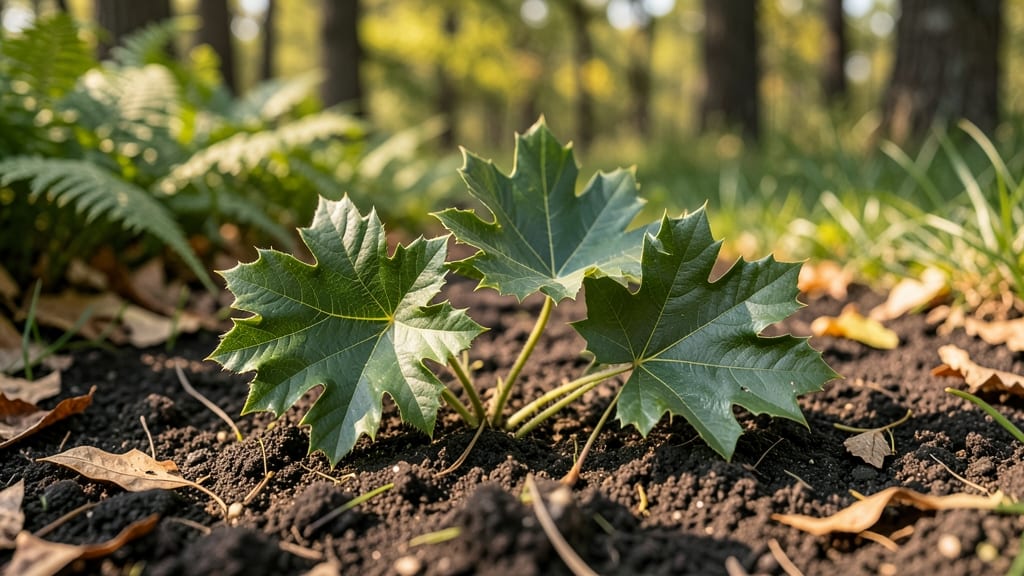
Mastering Oklahoma tree leaf identification can feel like solving a puzzle—until you spot the right clues. 🌳 The key is matching leaf shape, edges, and arrangement to the 15 most common species here, from the lobed sugar maple to the needle-like eastern redcedar.
I’ve spent years comparing leaves in my own yard, and once you learn these patterns, you’ll recognize them instantly. Start by checking leaf edges: smooth like a hickory, serrated like a white oak, or lobed like a sweetgum. Then look at the arrangement—alternate (like pecan) or opposite (like ash).
Oklahoma’s mix of native and invasive species means some leaves are easy to spot (think sycamore’s mottled bark and massive size), while others require closer inspection (like the tiny, fuzzy leaves of eastern redbud).
By the end, you’ll confidently tell your neighbor’s Bradford pear from a native black cherry—no botany degree required. The payoff? Better pruning decisions, pest management, and knowing which species support local wildlife. Even better, you’ll start noticing details you never saw before.
For a visual cheat sheet, bookmark the Oklahoma State University Extension’s tree guide. It pairs photos with key features, making field identification a breeze—whether you’re strolling through a park or planning your next landscape project.
📚 In This Guide
- What you need
- Instructions
- Tips and common mistakes
- Wrapping up and next steps
What you need
- ● Hand lens or magnifying glass (3x–10x magnification) – for examining fine details like leaf veins, edges, and textures.
- ● Field guidebook or printed reference (e.g., Trees of Oklahoma by John W. Mitchell) – for cross-referencing tricky IDs.
- ● Small pruning shears or sharp scissors – to safely collect 5–10 mature leaves per tree (avoid damaging branches!).
- ● Notebook or digital note-taking app – to sketch leaf shapes, note colors, and jot down observations.
- ● Ruler or measuring tape – to record leaf length/width (in inches or centimeters).
- ● Clear plastic bags or envelopes (quart-sized) – for preserving samples if comparing later.
- ● Camera or smartphone – to capture high-res images of leaves in situ (natural light = best!).
- ● Leaf press (or heavy books + cardboard) – to flatten and dry samples for long-term storage.
- ● Portable UV light (blacklight) – some leaves fluoresce under UV, revealing hidden patterns!
- ● GPS app or map – to log tree locations (great for tracking seasonal changes).
- ● Gloves – if handling thorny or prickly branches (e.g., Hackberry or Honey Locust).
- ● Timing matters! 🌡️ Collect leaves in spring or early summer for vibrant colors and full growth.
- ● Compare both sides of the leaf—upper surfaces often differ from undersides (e.g., Sycamore has fuzzy undersides!).
- ● Check the stem—hairiness, ridges, or glands can be key ID clues.
How to identify Oklahoma trees using leaf patterns
Oklahoma’s diverse climate grows 15 iconic trees—each with unique leaf shapes and textures.
🌿 Step 1: Examine Leaf Shape and Arrangement
Start with the most obvious clues: leaf shape and how they attach to the branch. Simple leaves (single blade) are common here, but compound leaves (multiple leaflets) narrow it down fast. For example, elm leaves are asymmetrical with jagged edges, while redbud leaves are heart-shaped and smooth. Notice whether leaves alternate along the stem (like oak) or cluster in whorls (like dogwood).
Run your fingers along the leaf stem—serrated edges (like hackberry) or lobed patterns (like white oak) reveal species instantly. I always check the midrib (central vein) for hairiness; sycamore leaves have fuzzy undersides, while hickory leaves are sleek and waxy. Grab a few leaves from different branches—variation can indicate different species or even the same tree at different growth stages.
☀️ Step 2: Observe Leaf Margins and Venation
Leaf edges tell the story. Shagbark hickory leaves have 7-9 leaflets with serrated edges, while American sycamore leaves are broad with wavy margins. Hold the leaf up to light—white oak leaves have rounded lobes with bristle tips, while red oak lobes end in sharp points. This venation pattern is a game-changer for distinguishing between similar species like post oak and blackjack oak.
Pay attention to the leaf’s underside too. Pecan leaves have fine hairs along the veins, while walnut leaves are nearly hairless. If the leaf feels rough or gritty, it might be from a hackberry—their leaves often have tiny corky bumps. I keep a small magnifying glass handy for close-ups, especially when dealing with fine details like persimmon leaves, which have smooth edges but deeply lobed shapes.
🪴 Step 3: Check for Unique Leaf Features
Some Oklahoma trees have signature traits beyond basic shape. Redbud leaves are heart-shaped with a pointed tip, and their bark peels in papery layers. Eastern redcedar leaves are scale-like and aromatic when crushed—a key identifier. Sweetgum leaves are star-shaped with 5-7 pointed lobes, and their spiky seed pods are unmistakable. For black cherry, look for smooth, slightly waxy leaves with a bitter almond scent when crushed (though not all varieties have this).
Season matters here. In spring, dogwood leaves emerge red before turning green, while willow leaves are narrow and silvery underneath. In fall, sycamore leaves turn yellow-brown and cling to branches long after others drop. I always revisit trees in different seasons—what looks like a hickory in summer might reveal itself as a walnut in autumn.
⏰ Step 4: Compare with Reference Guides
Cross-reference your observations with a field guide or app like iNaturalist. Snap clear photos of the leaf’s top, bottom, and any unique features (like bark texture or bud shapes). White oak and bur oak leaves look similar, but bur oak leaves often have small bristle tips on the lobes. Post oak leaves are smaller and stiffer, with fewer lobes. I keep a small notebook to jot down details like leaf length, color, and any distinguishing marks—this helps when comparing with printed guides.
Don’t overlook the tree’s overall form. Pecan trees have compound leaves and grow in broad canopies, while redbud trees are smaller with delicate branches. If the tree has thorns (like hawthorn) or produces acorns (like white oak), that’s another clue. I’ve misidentified trees before by focusing only on leaves—always step back to see the whole picture.
🌱 Step 5: Verify with Bark and Buds
While leaves are the first clue, bark and buds confirm the ID. Shagbark hickory has deeply furrowed bark that peels in long strips, while black walnut bark is dark and ridged. Redbud buds are plump and rounded, while willow buds are slender and pointed. In winter, when leaves are gone, these features become your best friends. I’ve used bark texture alone to distinguish between elm and ash in dormant seasons.
If you’re still unsure, collect a few leaves and take them to a local arboretum or university extension office. They often have pressed leaf collections and experts who can help. Oklahoma’s trees are resilient, and their leaves tell a story—once you learn to read them, identification becomes second nature. Start with the most common species, then expand your knowledge as you explore.
Tips & tricks for mastering Oklahoma tree leaf identification
These insider techniques will help you confidently distinguish between Oklahoma's most common trees—no more second-guessing in the field.
Leaf Collection Strategy: Always collect leaves from multiple branches and at different heights. I’ve found that lower branches often produce smaller, less mature leaves that can mislead beginners. For compound leaves like pecan or hickory, examine the entire leaflet arrangement—some species have leaflets that appear single at first glance. Carry a small plastic bag to preserve fresh samples for later comparison, especially when dealing with subtle differences like the hairiness of sycamore leaves.
Seasonal Observation: Don’t limit your identification to summer months. In spring, focus on emerging leaf color and bud shapes—dogwood leaves start bright red, while willow leaves appear silvery. Autumn reveals another layer: sycamore leaves turn brown and cling to branches long after others fall. I keep a seasonal checklist of Oklahoma trees to track which species are most reliable indicators during each time of year. This seasonal approach prevents misidentification when leaves look similar in their mature summer state.
Bark and Bud Backup: When leaves are absent (winter) or ambiguous, bark and buds become your best allies. Shagbark hickory has distinctive peeling bark, while black walnut bark is dark and deeply ridged. Bud shapes vary dramatically—redbud buds are plump and rounded, while willow buds are slender and pointed. I’ve used these features to confirm identifications when leaf patterns were too similar. For winter identification, I always bring a small sketchbook to record bark textures and bud arrangements.
Digital Reference Tools: Supplement your field notes with apps like iNaturalist or LeafSnap, but don’t rely on them exclusively. These tools often require clear photos of both leaf surfaces and can be less accurate with partial or damaged samples. I’ve found that cross-referencing app suggestions with my own field observations—especially when checking for the fuzzy undersides of sycamore leaves or the bristle tips of white oak lobes—yields far more reliable results. Always verify digital matches with a printed field guide when possible.
Pro Tips for Oklahoma Tree Leaf Identification
- These insider techniques will help you confidently distinguish between Oklahoma's most common trees—no more second-guessing in the field.
- Leaf Collection Strategy: Always collect leaves from multiple branches and at different heights.
- Seasonal Observation: Don’t limit your identification to summer months.
Frequently asked questions
about Oklahoma tree leaf identification—because even experts need a little help sometimes!How do I know if I’m looking at a young vs. mature leaf?
Young leaves often appear softer, lighter in color, and may have a fuzzy or hairy texture. Mature leaves are typically darker, firmer, and fully developed with distinct veins and edges. Compare side by side: young leaves resemble a "baby" version of the adult leaf!
When is the best time of year to identify tree leaves?
Late spring to early summer (May–July) is ideal—leaves are fully grown, vibrant, and easy to spot. Avoid fall when colors change or winter when leaves have fallen. Pro tip: Morning sunlight enhances leaf details for clearer photos!
What if my tree’s leaves don’t match any guide?
Start with leaf shape, edges (smooth/lobed), and vein patterns. If still unsure, check bark texture, fruit/nuts, or consult a local arborist. Hybrid trees (like Quercus × species) can be tricky—use a leaf database like LeafSnap for AI help!
Can I use a phone app to identify leaves instead of a guide?
Apps like PictureThis or PlantNet let you upload photos for instant IDs. For pruning, note leaf placement (alternate vs. opposite) and arrangement—apps often highlight these key traits!
What if my tree’s leaves look diseased or damaged?
Yellowing, spots, or holes may signal pests/diseases. Compare to healthy examples in your guide. If unsure, collect a sample in a sealed bag and visit your Oklahoma Cooperative Extension for expert advice.
How do I measure leaf size accurately without a ruler?
Use a coin or credit card as a reference! A quarter (~2.4 inches) fits on a Fraxinus (ash) leaf, while a dollar bill (~6 inches) matches a Platanus (sycamore) leaf. Snap a photo with the object beside the leaf for scale.
Wrapping up and next steps
Mastering Oklahoma tree leaf identification opens the door to a deeper appreciation of your state’s natural beauty—and now, you’ve got the tools to confidently recognize 15 iconic species! 🌿 Whether you’re a gardener, nature enthusiast, or simply curious, this visual guide equips you to explore local ecosystems like a pro.
Ready to put your new skills to work? Grab a notebook, head outdoors, and start documenting the trees in your area. Share your finds with fellow nature lovers or use your knowledge to plan a future tree-planting project—Oklahoma’s forests will thank you!