
Trees
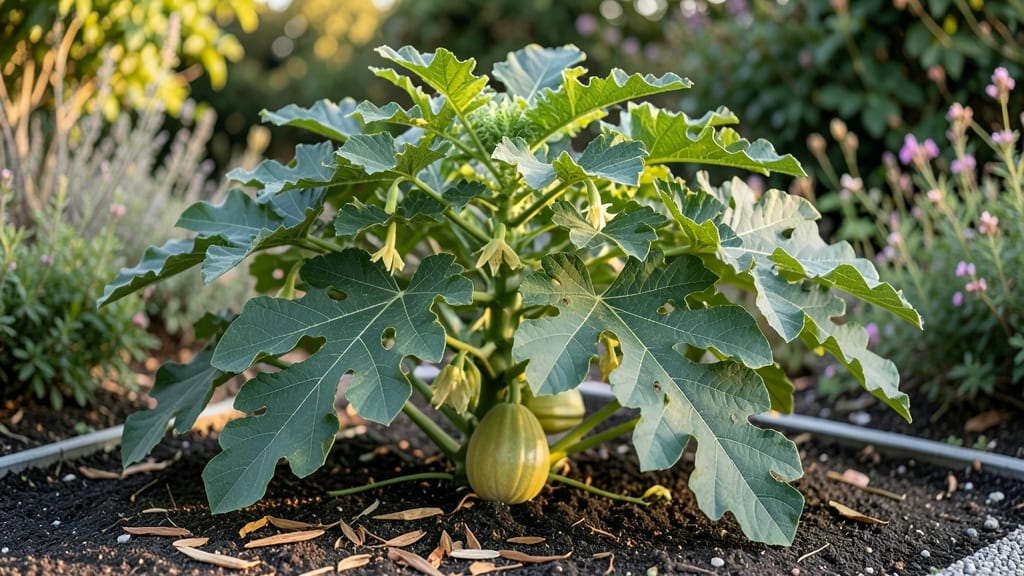
Growing oak leaf papaya means year-round harvests of sweet fruit and stunning tropical foliage—if you nail the climate and care. 🌿 This fast-growing tree thrives in zones 10-11, where its glossy leaves and papayas grow simultaneously, making it a dual-purpose powerhouse for warm gardens.
The secret starts with well-draining soil (think sandy loam with compost) and full sun exposure—at least 6 hours daily. Unlike other papayas, oak leaf varieties tolerate partial shade better, but fruit production peaks when they get morning sun.
Water deeply 2-3 times weekly during dry spells, letting the top 2 inches dry between soakings to prevent root rot.
By year two, you’ll harvest small, honey-sweet papayas alongside edible leaves used like spinach. The tree’s airy canopy also makes it a shade provider, so plan it where you want both fruit and shade. Prune lightly to encourage branching—just remove dead wood and thin crowded stems in early spring.
Watch for mealybugs and anthracnose fungus—common in humid climates. Neem oil treats pests, while copper fungicide prevents leaf spots. With proper care, this tree keeps producing for decades, making it a true tropical investment.
📚 In This Guide
- What you need
- Instructions
- Tips and common mistakes
- Wrapping up and next steps
What you need
- ● Oak leaf papaya seeds or seedlings: 1-3 (choose disease-resistant varieties if available).
- ● Well-draining potting mix: 10-20 gallons (for containers) or enriched garden soil (for in-ground planting). Pro tip: Mix in compost or coconut coir for moisture retention!
- ○ Container (optional but recommended for climates with frost): 15-20 gallon pot with drainage holes (if growing indoors or in cooler zones).
- ● Fabric grow bags (alternative for better root aeration).
- ● Slow-release fertilizer: Balanced 10-10-10 or organic options like worm castings (1 lb per plant).
- ● Mulch: Straw or wood chips (2-3 inches) to retain moisture and regulate soil temperature.
- ● Hand trowel or transplanting spade: For planting seeds or seedlings.
- ● Watering can or hose with gentle spray nozzle: Oak leaf papayas hate soggy roots!
- ● Pruning shears: For shaping and harvesting (sterilize blades with rubbing alcohol).
- ● Sunlight access: 6+ hours of direct sun daily (partial shade in extreme heat).
- ● Warm climate or greenhouse: Ideal temps: 70–90°F (21–32°C). Avoid frost—this tropical beauty won’t survive below 50°F (10°C)!
- ● Trellis or sturdy stakes (oak leaf papayas can grow 10–20 feet tall—support them early!).
- ● pH test kit: Aim for 6.0–7.0 (slightly acidic to neutral).
- ● Shade cloth (30–50% coverage) for seedlings or scorching afternoons.
- ● Pollination aid: A small paintbrush or hand-held fan (if growing indoors or in isolated areas).
Step-by-Step instructions for planting and cultivating oak leaf papaya
Here's how to establish your oak leaf papaya as a thriving tropical specimen with minimal fuss.
🌱 Step 1: Select and Prepare the Planting Site
Choose a location with partial shade to full sun—oak leaf papayas tolerate more shade than other papaya varieties but still need at least 4 hours of direct sunlight daily. The soil should drain exceptionally well since papayas despise soggy roots. I always test drainage by digging a 6-inch hole, filling it with water, and waiting to see if it drains within 30 minutes. If not, amend the soil with 3-4 inches of coarse sand or perlite mixed into the top 12 inches of soil.
Oak leaf papayas thrive in well-draining, slightly acidic soil with a pH between 5.5 and 6.5. If your soil is heavy clay, create a raised bed or mound to improve drainage. The plant’s broad canopy will eventually spread 10-15 feet wide, so space it 15 feet from structures, fences, or other plants to allow for full growth.
🌿 Step 2: Plant the Oak Leaf Papaya with Care
Dig a hole twice as wide as the root ball but no deeper than the container’s depth. Gently remove the papaya from its pot and loosen any circling roots with your fingers—this encourages outward growth instead of root binding. Place the plant in the hole so the top of the root ball sits level with the surrounding soil, not buried deeper. Backfill with native soil, tamping lightly every 2 inches to eliminate air pockets.
Water deeply immediately after planting to settle the soil and eliminate air gaps. You’ll know it’s right when water pools on the surface for 5-10 seconds before draining away. Mulch around the base with 2-3 inches of organic mulch (like wood chips or pine straw) to retain moisture and regulate soil temperature. Keep the mulch 3 inches away from the trunk to prevent rot.
☀️ Step 3: Establish a Watering and Fertilizing Routine
Water deeply 2-3 times per week during the first 6-8 weeks to encourage strong root development. You’ll see new leaves emerging within 2-3 weeks—this is your signal the plant is settling in. After the initial phase, water 1-2 times per week, adjusting based on rainfall. The soil should feel dry 1-2 inches down before watering again. Overwatering is the fastest way to kill a papaya—yellowing leaves or mushy stems mean you’re drowning the roots.
Fertilize monthly with a balanced, slow-release fertilizer (10-10-10 or similar) during the growing season. I use half the recommended dose to avoid burning the plant. Start fertilizing 4-6 weeks after planting and continue until fall, when growth slows. Oak leaf papayas are heavy feeders, so don’t skimp—healthy foliage translates to better fruit production down the line.
✂️ Step 4: Prune and Train for Optimal Growth
Prune sparingly—oak leaf papayas develop their distinctive broad leaves naturally, but you can remove dead, diseased, or crossing branches to improve airflow. Use sterilized pruning shears to make clean cuts just above a leaf node. Avoid heavy pruning unless shaping the plant, as papayas rely on their leaves for energy. The goal is to maintain an open, airy canopy that reduces humidity-related diseases.
Train the main stem vertically if growing in a container or small space. Use soft ties or plant supports to guide the trunk upward, but avoid tying too tightly—you want to encourage flexibility, not restrict growth. If growing outdoors, let the plant spread naturally. You’ll notice new shoots emerging from the base—these can be left to develop into additional trunks for a fuller plant, or removed if you prefer a single-stemmed specimen.
🍈 Step 5: Monitor for Pests and Harvest Strategically
Watch for aphids, mealybugs, or scale insects, which love the papaya’s lush foliage. I treat infestations early with neem oil or insecticidal soap, spraying every 3-4 days until the pests disappear. Avoid chemical pesticides—they can linger on the fruit and reduce its edibility. Yellowing leaves often signal nutrient deficiency (usually nitrogen or potassium) or overwatering. Adjust your fertilizer or watering routine accordingly.
Harvest fruit when it’s fully colored and slightly soft to the touch—this usually takes 6-8 months after flowering. Oak leaf papayas produce year-round in tropical climates, but fruit may be smaller in winter. Cut fruit from the vine with clean pruners, leaving a small stem attachment to extend shelf life. With proper care, your papaya can live for decades, producing fruit for generations.
Tips & tricks for perfect oak leaf papaya cultivation
A few key insights will help you avoid common pitfalls and maximize your oak leaf papaya's tropical potential.
Soil Preparation: In Step 1, when testing drainage, I recommend using a simple household test: after filling the 6-inch hole with water, if it drains completely within 30 minutes, you're good to go. For heavy clay soils, consider mixing in composted pine bark fines instead of just sand—this improves both drainage and nutrient retention. The plant’s broad roots will thank you for this extra attention to soil structure.
Planting Technique: During Step 2, focus on the root ball placement—burying it too deep can cause rot, while planting too shallow exposes roots to temperature swings. I've found that gently pressing the soil around the edges of the hole with your hands (rather than stomping) creates a more stable base without compacting the roots. This subtle difference makes a noticeable impact on early establishment.
Watering Wisdom: The instructions mention watering deeply 2-3 times per week, but here's what nobody tells you: use a moisture meter to check soil moisture at 2-inch depth before watering. Oak leaf papayas are surprisingly drought-tolerant once established—overwatering is far more dangerous than underwatering. I've seen plants recover from missed waterings but never from waterlogged roots.
Fertilizer Strategy: In Step 3, when starting monthly fertilization at 4-6 weeks, I recommend using a slow-release organic fertilizer like fish emulsion or worm castings instead of synthetic options. These break down gradually, preventing nutrient spikes that can burn tender papaya roots. The plant's heavy feeding nature means you'll need to reapply every 4-6 weeks rather than monthly, but the results are worth it.
Pro Tips for Oak Leaf Papaya
- A few key insights will help you avoid common pitfalls and maximize your oak leaf papaya's tropical potential.
- Soil Preparation: In Step 1, when testing drainage, I recommend using a simple household test: after filling the 6-inch hole with water, if it drains completely within 30 minutes, you're good to go.
- Planting Technique: During Step 2, focus on the root ball placement—burying it too deep can cause rot, while planting too shallow exposes roots to temperature swings.
Frequently asked questions
Got questions about growing oak leaf papaya? You’re not alone!
Here are some of the most common queries—plus quick, practical answers to help you cultivate this tropical gem like a pro.
How long does it take for oak leaf papaya to bear fruit?
Oak leaf papaya (Vasconcellea stipulata) typically takes 2–3 years to mature and produce fruit from seed. If you start with a grafted tree (faster-maturing), you might see harvests in 1–2 years. Patience is key—these trees reward long-term care with abundant, year-round fruit in warm climates!
Can oak leaf papaya survive frost or cold winters?
Nope! Oak leaf papaya is a tropical tree and cannot tolerate frost—temperatures below 32°F (0°C) will kill it. If you live in a cold climate, grow it in containers and bring it indoors during winter or plant it in a greenhouse. Mulching and windbreaks can help extend its growing season in marginal zones.
What’s the best alternative if oak leaf papaya doesn’t grow in my area?
If your climate isn’t suitable, try these similar tropical fruit trees:
- Karaka (Cordia subcordata) – Cold-hardy to 20°F (-6°C), edible fruit.
- Cherimoya (Annona cherimola) – Thrives in USDA Zones 9–11.
- Soursop (Annona muricata) – Loves heat but slightly more frost-tolerant than papaya.
Why are my oak leaf papaya leaves turning yellow or curling?
Yellowing or curling leaves usually signal one of these issues:
- Overwatering – Papayas hate soggy roots. Let soil dry between waterings.
- Pests – Check for aphids, spider mites, or mealybugs (spray with neem oil).
- Nutrient deficiency – Yellowing between veins? Add iron or magnesium.
- Sunburn – Young leaves may scorch in direct midday sun—provide shade.
How do I know when oak leaf papaya fruit is ripe?
Unlike smooth-skinned papayas, oak leaf papaya fruit ripens inside a papery husk. Look for:
- Color change – Fruit turns from green to yellow or orange.
- Sweet scent – A musky, tropical aroma near the stem.
- Gentle give – Squeeze lightly; ripe fruit yields slightly.
Wrapping up and next steps
Growing an oak leaf papaya is a rewarding adventure that brings a touch of tropical paradise to your garden—even in cooler climates! With the right care, you’ll enjoy its stunning foliage, fragrant flowers, and potential fruit harvests year-round.
Whether you’re a seasoned gardener or a curious beginner, this resilient tree offers so much in return for a little patience and attention.
Ready to take the next step? Start by selecting your ideal spot, gathering supplies, and planting with confidence. Watch as your oak leaf papaya thrives and becomes the star of your outdoor space! 🌿✨