
Trees
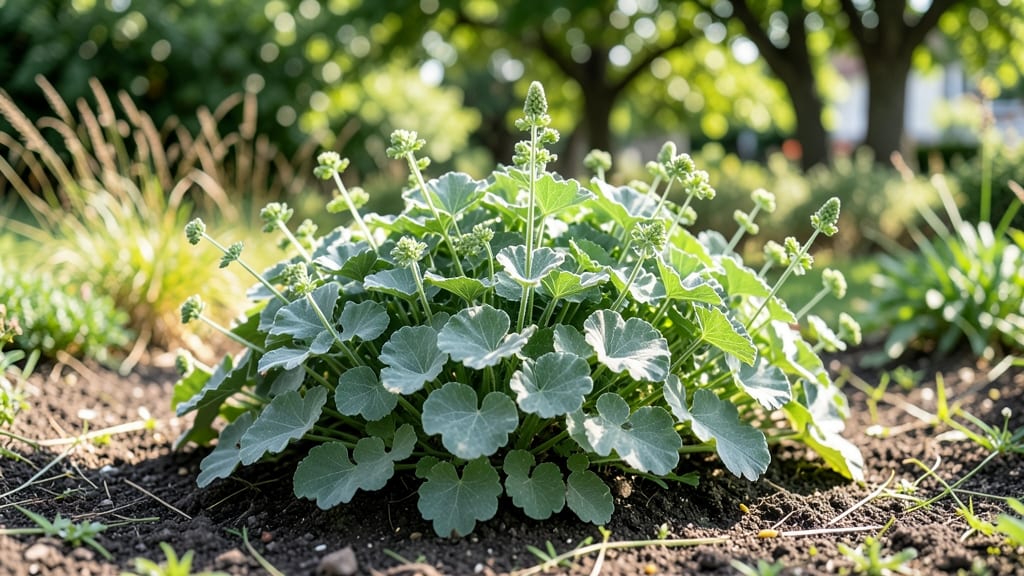
Growing oak leaf goosefoot means adding a silver-blue drought warrior to your garden that thrives where others fail. 🌿 This native North American plant—with its striking oak-shaped leaves and silvery stems—gives you both ornamental beauty and edible greens with almost no effort.
I planted mine last spring, and it’s now spreading happily in my dry, rocky soil where nothing else survives.
The secret to its success? Full sun and well-draining soil—it tolerates poor conditions better than most plants. Water lightly after planting, then let nature take over; oak leaf goosefoot stores moisture like a champ.
Whether you start from seeds or transplants, timing matters: sow in early spring or late summer for the best results. Spacing isn’t critical, but give plants 12–18 inches apart to avoid overcrowding.
Once established, this plant needs almost no care—no fertilizing, no fussing. Harvest young leaves for a spinach-like flavor, or let it grow wild for a dramatic, silvery-blue foliage statement.
It even attracts pollinators while repelling pests, making it a low-maintenance powerhouse. By midsummer, you’ll have a self-sustaining plant that outshines trendy perennials.
Perfect for xeriscapes, pollinator gardens, or edible landscapes, oak leaf goosefoot proves that beauty and resilience go hand in hand. Whether you’re a beginner or a seasoned gardener, this plant will reward you with minimal effort and maximum impact. Ready to try it?
📚 In This Guide
- What you need
- Instructions
- Tips and common mistakes
- Wrapping up and next steps
What you need
- ● Seeds: 10–20 oak leaf goosefoot seeds (ensure they’re fresh for best germination).
- ● Well-draining soil: A mix of 60% potting soil and 40% perlite/sand (or cactus/succulent blend) to prevent root rot.
- ● Containers (if not planting outdoors): 6–8" pots with drainage holes (or a seed tray for starting).
- ● Sunlight access: A south-facing window or grow lights (12+ hours/day for seedlings).
- ● Watering can or spray bottle: For gentle hydration (avoid soggy soil!).
- ○ Gloves (optional): To protect hands from prickly stems when transplanting.
- ○ Fertilizer (optional): A balanced 10-10-10 or low-nitrogen formula (diluted to half-strength) for established plants.
- ○ Mulch (optional): Gravel or pebbles around the base to retain moisture and deter weeds.
- ○ Pruning shears (optional): For shaping mature plants (though this drought-resistant beauty rarely needs trimming!).
Step-by-Step instructions for growing oak leaf goosefoot
Here's how to cultivate this striking drought-tolerant perennial with minimal fuss.
🌱 Step 1: Select and Prepare the Planting Site
Oak leaf goosefoot thrives in full sun to partial shade, making it perfect for dry, sunny borders or native plant gardens. Choose a location with well-draining soil—this plant despises soggy roots. If your soil is heavy clay, amend with 2-3 inches of compost mixed into the top 6-8 inches of soil to improve drainage while retaining moisture.
This plant tolerates poor soil but grows most vibrantly in slightly alkaline conditions (pH 7.0-8.0). Test your soil's pH before planting; if it's acidic, add crushed limestone to raise the pH. The ideal spot will receive at least 6 hours of direct sunlight daily, though it can handle 4 hours in hotter climates.
🌿 Step 2: Plant at the Right Time and Depth
Plant oak leaf goosefoot in early spring or early fall when soil temperatures are 50-65°F. Avoid planting in summer heat, which can stress young plants. Dig a hole twice as wide as the root ball but only as deep as the container it came in—planting too deep suffocates the roots.
Gently remove the plant from its container and loosen any circling roots with your fingers. Place it in the hole, ensuring the top of the root ball sits just below soil level. Backfill with native soil, tamping lightly to remove air pockets. Water deeply to settle the soil and eliminate gaps around the roots.
💧 Step 3: Establish Watering Routine for First Year
During the first growing season, water newly planted oak leaf goosefoot once a week unless rainfall provides 1 inch of moisture. After establishment, this plant becomes drought-tolerant, but young roots need consistent moisture to spread. Water at the base, avoiding the foliage to prevent fungal diseases.
You'll know watering is adequate when the soil feels dry 2-3 inches below the surface. Overwatering is the biggest mistake—this plant stores moisture in its thick leaves and stems. Once established, reduce watering to every 2-3 weeks during dry spells, except in extreme drought.
✂️ Step 4: Prune for Shape and Health
Prune oak leaf goosefoot in late winter or early spring before new growth begins. Remove any dead, damaged, or crossing branches with clean, sharp pruners. Cut back leggy growth to encourage bushier, more compact plants. This plant rarely needs heavy pruning but benefits from light shaping to maintain its natural, rounded form.
If your plant becomes overgrown, you can cut it back by one-third in early spring. Avoid heavy pruning in fall, as new growth may not harden off before winter. Always sterilize your pruners with rubbing alcohol between cuts to prevent the spread of disease.
☀️ Step 5: Maintain for Long-Term Beauty
Oak leaf goosefoot is nearly pest-free, but watch for aphids or spider mites in hot, dry weather. If you spot infestations, blast plants with water or treat with neem oil. This plant rarely needs fertilizer, but you can apply a balanced 10-10-10 fertilizer in early spring if growth appears slow.
Mulch around the base with 2-3 inches of organic mulch (like wood chips) to retain moisture and suppress weeds. Keep mulch 2 inches away from the stem to prevent rot. With minimal care, oak leaf goosefoot will reward you with striking foliage and minimal maintenance for years to come.
Tips & tricks for perfect oak leaf goosefoot cultivation
These practical insights will help you avoid common pitfalls and maximize your oak leaf goosefoot's striking beauty with minimal effort.
Soil Preparation Secret: When amending heavy clay soil in Step 1, mix the 2-3 inches of compost thoroughly into the top 6-8 inches of soil. This creates a perfect moisture-retaining layer while preventing compaction. I've found that adding a handful of perlite to this mix improves aeration even further—especially valuable in urban planting areas where soil compaction is common.
Planting Depth Caution: The instructions emphasize planting at the same depth as the container, but here's the thing: if you notice the top of the root ball sitting slightly above soil level after backfilling, gently press more soil around it. This ensures proper root-to-soil contact without burying the crown. I learned this the hard way after seeing several plants struggle with exposed root collars.
Watering Technique: For that once-weekly watering in Step 3, use a rain gauge or tuna can to measure exactly 1 inch of water. This helps you track rainfall accurately and prevents overwatering. I place my gauge near the plant and water only when needed—this plant's drought tolerance is real, but young roots still need consistent moisture to establish properly.
Pruning Precision: When cutting back leggy growth in Step 4, aim to prune just above a leaf node or lateral branch. This encourages bushier growth rather than long, sparse stems. I always sterilize my pruners between cuts with rubbing alcohol—this simple step prevents disease transmission that can weaken your plant over time.
Pro Tips for Oak Leaf Goosefoot
- These practical insights will help you avoid common pitfalls and maximize your oak leaf goosefoot's striking beauty w...
- Soil Preparation Secret: When amending heavy clay soil in Step 1, mix the 2-3 inches of compost thoroughly into the t...
- Planting Depth Caution: The instructions emphasize planting at the same depth as the container, but here's the thing:...
Frequently asked questions
Got questions about growing oak leaf goosefoot? You’re not alone!
This drought-resistant plant is stunning but comes with a few quirks. Here are answers to the most common queries to help you thrive with your oak leaf goosefoot.
What’s the best time to plant oak leaf goosefoot?
Plant in early spring or late fall when soil temperatures are mild (60–75°F). Avoid extreme heat or frost, as seedlings are delicate. If you’re in a warm climate, opt for fall planting to let roots establish before summer droughts hit. Pro tip: Water deeply after planting to reduce transplant shock!
How often should I water oak leaf goosefoot?
Once established, oak leaf goosefoot is drought-tolerant, but young plants need consistent moisture. Water 1–2 times per week during the first growing season, then taper off to every 2–3 weeks (or when soil feels dry 2 inches deep). Overwatering can cause root rot, so prioritize deep, infrequent watering.
Can oak leaf goosefoot grow in containers?
Yes! It thrives in containers with well-draining soil and a pot at least 12–18 inches deep. Use a mix of potting soil and sand for aeration. Place in full sun and water more frequently than in-ground plants (containers dry out faster). Watch out: Root-bound plants may struggle, so repot every 2–3 years.
What pests or diseases should I watch for?
Oak leaf goosefoot is generally pest-resistant, but keep an eye out for aphids or spider mites in dry conditions. Treat with neem oil if needed. Fungal issues like powdery mildew can occur in humid climates—improve airflow and avoid overhead watering. Good news: Its silvery foliage deters many common garden pests!
Are there drought-resistant alternatives if oak leaf goosefoot doesn’t thrive?
Try lamb’s ear (Stachys byzantina), sedum (Stonecrop), or Russian sage (Perovskia) for similar silvery foliage and low-maintenance charm. All three handle heat and neglect beautifully while adding texture to your landscape.
Wrapping up and next steps
Growing oak leaf goosefoot (Chenopodium friedrichkoenigianum) is a rewarding journey—this drought-resistant beauty thrives with minimal effort while adding striking texture and color to your landscape. Whether you're drawn to its ornamental leaves or its hardy nature, this plant proves that stunning results don’t require constant upkeep.
Ready to take the next step? Start small—plant a few seeds or cuttings in a sunny spot, and watch your garden transform with resilience and style! 🌿✨