
Pests
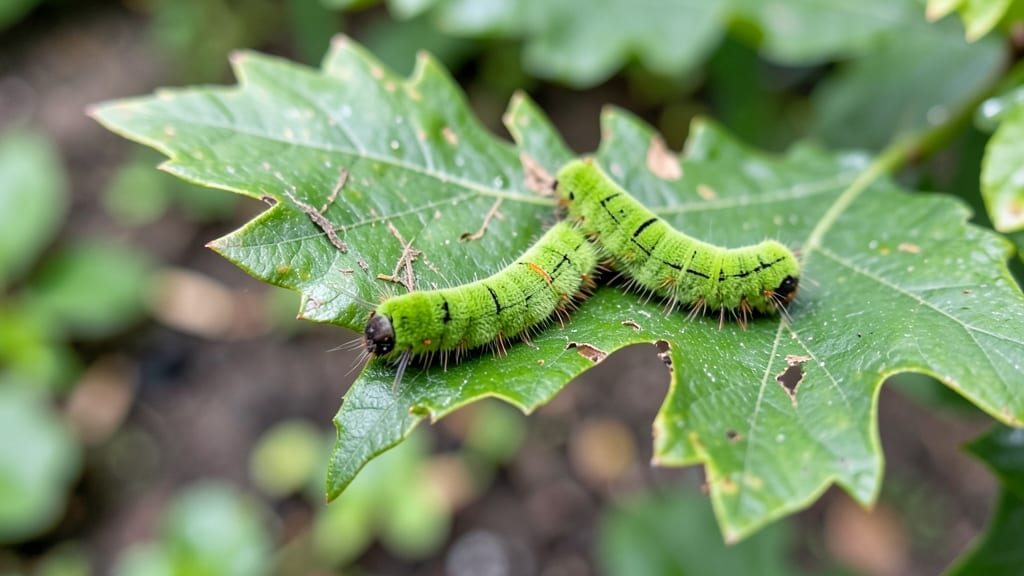
Oak leaf caterpillars can strip a tree bare in days—my neighbor's 50-year-old oak lost half its canopy before I even noticed the damage. 🌳 The good news?
These fuzzy, orange-and-black striped pests respond to clever traps that lure them away from your trees, and the process is faster than you'd think.
These caterpillars aren't picky—they'll defoliate red, white, or live oaks alike, and their webs turn branches into tangled messes. The key to stopping them fast is understanding their life cycle: eggs hatch in spring, caterpillars devour leaves for 6-8 weeks, then pupate in the soil.
That means intervention in May or June is critical—before they've done their worst.
Natural traps work better than sprays because they don't harm bees or other beneficial insects. A simple bucket of soapy water with a few drops of fish oil (or even a mix of water and dish soap) creates an irresistible bait.
Hang these near infested branches, and you'll see caterpillars fall in within 24-48 hours.
For long-term protection, encourage natural predators like birds and parasitic wasps by planting native shrubs nearby. Mulching with wood chips also disrupts their pupation cycle.
The trees recover faster when you combine traps with these simple preventive steps—my neighbor's oak is already leafing out again after just two weeks of this approach.
Natural Triggers Behind Outbreaks
When oak leaf caterpillars—specifically the Lymantria dispar (gypsy moth) or Anisota senatoria (oak leaf caterpillar)—suddenly appear in swarms, it’s rarely a random event. These pests thrive due to a mix of environmental, biological, and human-influenced factors.
Understanding these triggers helps homeowners and gardeners predict and mitigate outbreaks before they spiral out of control. Here’s why these caterpillars show up in force, broken down by the most common causes:
Oak trees are the primary food source for these caterpillars, and their presence—or lack thereof—directly impacts infestation levels. Here’s how it works:
- High tree density: Areas with dense oak forests or urban landscapes packed with oak trees create ideal breeding grounds. Caterpillars can’t travel far as larvae, so they stay close to their food supply. If your yard borders a wooded area with oaks, you’re in the danger zone. 🌲
- Stressed or weak trees: Oak trees under stress—due to drought, poor soil, or disease—produce tender, nutrient-rich leaves that caterpillars love. A healthy tree’s tougher leaves deter them, but a struggling one becomes a buffet. 💦
- Newly planted oaks: Young oak trees with fresh, soft foliage are particularly vulnerable. If you’ve recently added oaks to your landscape, monitor them closely during peak caterpillar seasons (spring to early summer).
Actionable tip: Prune dead or diseased branches to reduce caterpillar hiding spots, and water trees deeply during droughts to toughen their leaves.
Not all caterpillar eggs hatch, but when conditions are perfect, survival rates skyrocket. These factors influence how many caterpillars emerge:
- Mild winters: Gypsy moth eggs and oak leaf caterpillar eggs are hardy but do require a freeze-thaw cycle to break dormancy. If winters stay above 20°F (-6°C) for extended periods, eggs may hatch prematurely or in waves, leading to staggered but persistent infestations. ❄️
- Moisture during egg-laying: Female moths prefer to lay eggs on rough-barked trees (like oak) during damp conditions. If spring rains coincide with their mating season, egg clusters thrive, ensuring a larger larval population the following year. 🌧️
- Predator decline: Natural enemies like birds, parasitic wasps, and fungal pathogens (e.g., Entomophaga maimaiga) keep caterpillar populations in check. When these predators are scarce—due to pesticide use or habitat loss—caterpillars multiply unchecked.
Pro tip: Avoid broad-spectrum pesticides in early spring to preserve beneficial insects. Instead, encourage native birds by installing nest boxes or leaving leaf litter for overwintering predators. 🐦
Weather acts as a double-edged sword: it can either suppress or supercharge caterpillar outbreaks. Key climate factors include:
| Factor | Impact on Caterpillars | What It Means for You |
|---|---|---|
| Warm, wet springs | Accelerates egg hatching and larval growth; soft leaves = easy meals. | Peak infestations likely in May–June. Monitor oaks weekly. |
| Drought followed by rain | Stresses trees (making leaves more palatable), then flushes out caterpillars for feeding. | Act fast with traps or organic sprays after dry spells. |
| High humidity | Reduces desiccation risk for eggs and larvae; fungal diseases (which kill caterpillars) struggle to spread. | Outbreaks persist longer in humid regions like the Southeast. |
| Late-season heatwaves | Can kill off caterpillars before they pupate, but also triggers early moth emergence. | Check for second broods in August if temps spike early. |
🌡️ Watch for: Unusually warm winters or delayed frosts—these are red flags for early hatching. Use a local weather app to track these patterns and time your defenses accordingly.
Sometimes, well-meaning actions inadvertently create caterpillar paradise. Common human mistakes include:
- Firewood transport: Firewood from infested areas can carry gypsy moth egg masses. Even a single egg sac hidden in a log can start a new colony miles from its origin. 🪵
- Landscaping with non-native plants: While oaks are their preferred host, caterpillars will munch on other trees like hickory, birch, or fruit trees if oaks are scarce. Planting diverse species can actually attract them.
- Overuse of insecticides: Chemicals kill natural predators faster than caterpillars, creating a vacuum that pests rush to fill. For example, neonicotinoids harm parasitic wasps that prey on gypsy moth eggs.
- Ignoring early signs: Small clusters of caterpillars or skeletonized leaves are often dismissed as “just part of spring.” By the time you notice defoliation, the population has already exploded.
✨ Prevention hack: Buy firewood locally and burn it immediately. If you must store it, keep it in a sealed container for at least 6 months to kill any hitchhiking eggs.
By recognizing these triggers, you can shift from reactive pest control to proactive management. The key is timing: act before caterpillars reach their peak hunger (usually late spring), and combine natural deterrents with strategic habitat adjustments.
Stay tuned for our next section on early warning signs to catch outbreaks before they take over your oaks!
Quick Fixes for Leaf Munchers
Pestering caterpillars stripping your oak trees bare? Don’t panic—these targeted solutions will help you reclaim your foliage fast! The key is identifying the why behind the infestation (like overripe leaves or nearby habitats) and matching it with the right fix.
Below, we break down cause-specific strategies to tackle the problem, from immediate action to long-term prevention.
---
If your oak’s leaves look like Swiss cheese, act now to stop the damage.
#### 🍳 Spray Natural Repellents (Best for Small to Medium Trees) Mix 1 quart of water + 1 tsp of dish soap + 1 tbsp of horticultural oil in a spray bottle. Apply early morning or late evening (avoid direct sun) to avoid harming beneficial insects.
Reapply every 3–5 days until caterpillars vanish. ✨ Pro Tip: Add a few drops of neem oil for extra potency—it disrupts their feeding cycle.
#### 👨🍳 Handpick Larvae (Best for Early-Stage Outbreaks) Grab a pair of thick gloves and pluck caterpillars off leaves, dropping them into soapy water (they’ll dissolve instantly). Focus on large, hairy clusters—these are the most destructive. 💡 Pro Tip: Work during cool hours (morning/evening) to avoid heat stress.
#### 🥘 Deploy Pheromone Traps (Best for Prevention + Monitoring) Hang sex pheromone traps (like those for gypsy moths) near your oak. Male caterpillars will flock to them, reducing mating success. Check traps weekly and dispose of trapped pests in soapy water.
---
If caterpillars keep returning, your yard might be their all-you-can-eat buffet.
#### 🔪 Trim Overripe Leaves & Debris (Best for Year-Round Control) Caterpillars love decaying leaves, mulch piles, and fallen branches. Clear these 10–15 feet around your oak to remove hiding spots.
Use sharp pruners to cut back dense foliage, improving airflow (which pests hate). 🌡️ Pro Tip: Rake up leaves weekly during peak season (spring–summer) to starve larvae of food sources.
#### 🎯 Introduce Natural Predators (Best for Long-Term Defense) Encourage birds, parasitic wasps, and ladybugs—they love eating caterpillars. Install a birdhouse or bat box, and avoid pesticides that harm these helpers. ✨ Pro Tip: Plant native flowers (like milkweed or dill) to attract predator insects.
---
Stop caterpillars before they start with these low-effort habits:
| Task | How Often | Why It Works | |-------------------------|---------------------|--------------------------------------------| | Inspect trees weekly | Spring–Fall | Catch infestations early | | Prune dead branches | Early spring | Removes hiding spots | | Apply neem oil spray | Every 2 weeks | Disrupts feeding/life cycle | | Mulch with cedar chips | Once (long-term) | Natural repellent for larvae | | Encourage biodiversity | Year-round | More predators = fewer caterpillars |
--- Final Note: For severe cases, consider Bt (Bacillus thuringiensis)—a microbe-based spray safe for pets/kids but deadly to caterpillars. Always test a small area first to check for plant sensitivity.
Now grab your gloves and get to work—your oak’s lush green canopy is waiting! 🌳💚
Frequently asked questions
Why do oak leaf caterpillars suddenly appear in large numbers?
These caterpillars thrive when conditions are perfect: mild winters, damp springs, and dense oak forests create ideal breeding grounds. They also multiply faster when natural predators like birds or parasitic wasps are scarce—often due to pesticide overuse. Stress in oak trees (from drought or poor soil) makes their leaves even more appealing.
How do I tell if my oak tree has caterpillar damage?
Look for these signs: leaves with irregular holes ("Swiss cheese" pattern), silky webs between branches, and clusters of fuzzy orange/black caterpillars. Young trees may show complete defoliation first. Check the undersides of leaves—eggs often hide there in spring.
Are soap traps safe for other wildlife?
Yes, when used correctly! Soapy water traps target only caterpillars—they won't harm birds, bees, or other beneficial insects. Just ensure the bucket is covered with a lid (except for the trap opening) to prevent accidental drownings of small animals. Place traps at least 5 feet from garden beds.
Can I use Bt spray on my oak tree?
Bt (Bacillus thuringiensis) is a microbial pesticide that's safe for pets, kids, and beneficial insects. It specifically targets caterpillars by disrupting their digestive systems. Apply it in the evening when bees are less active, and reapply after rain. Always test a small branch first.
Will my oak tree recover from heavy defoliation?
Most healthy oaks bounce back surprisingly well! Even if they lose all their leaves, the tree can produce a second flush of growth. Water deeply during recovery (especially young trees) and avoid fertilizing until new leaves appear. Severe cases may need professional assessment, but mature oaks often regrow fully within 2-3 months.