
Tools
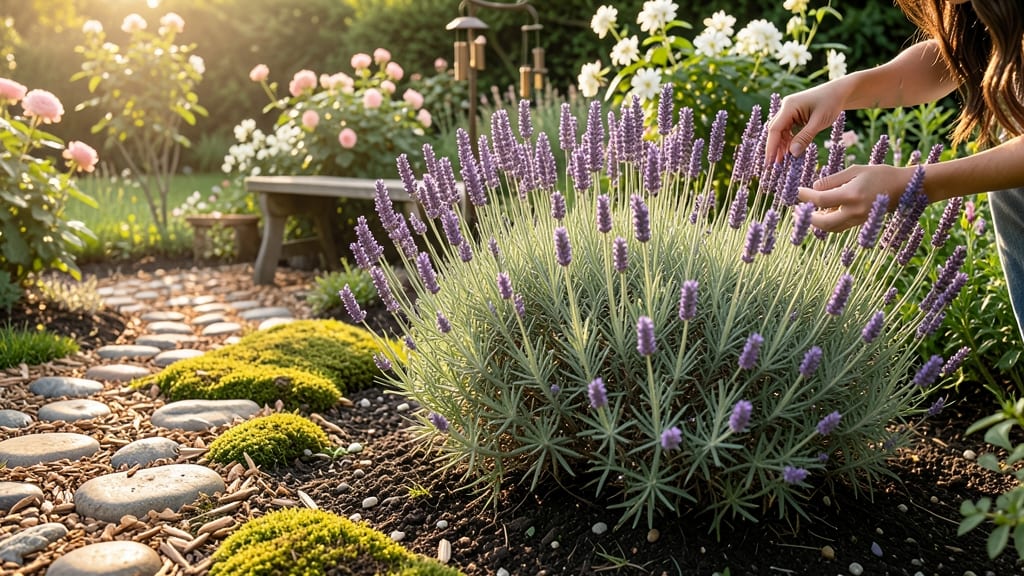
A new leaf sensory garden isn't just a garden—it's a living experience that transforms every step into a moment of discovery. 🌿 My first one started with a single patch of lavender, and now I can't imagine a yard without the layered scents and textures that make every visit feel like a retreat.
The magic happens when you choose plants that engage sight, smell, touch, and even sound, creating a space that feels alive in ways a traditional garden never does.
Think of it as a five-sense symphony where fragrant herbs like rosemary and thyme lead the scent section, velvety lamb's ear and fuzzy lamb's tongue provide tactile delights, and vibrant blooms like coneflowers and black-eyed Susans paint the visuals.
Edible plants sneak in too—think mint for brushing fingers against leaves, or strawberries for that sweet payoff when you pluck one. The layout matters just as much as the plants: winding paths invite exploration, while seating areas let you pause and absorb the experience.
What you end up with is a garden that works harder than any traditional space—reducing stress, sparking curiosity in kids (or adults who never lost their wonder), and even helping with memory recall.
My grandma's hands would tremble less after sitting among the herbs, and my own kids would spend hours "reading" the garden by touching and sniffing instead of staring at screens. The best part? It thrives on imperfection—no need for perfect rows or manicured edges.
Start small with a corner or a container garden if space is tight, and build from there. The key is layering: plant heights, textures, and bloom times so there's always something to engage your senses.
Even in winter, evergreens and dried seed heads keep the show going. This is gardening that feeds the soul as much as the soil.
📚 In This Guide
- What you need
- Instructions
- Tips and common mistakes
- Wrapping up and next steps
What you need
- ● Plants: 3–5 fragrant plants (e.g., lavender, rosemary, jasmine, or mint)
- ● 2–3 textured foliage plants (e.g., lamb’s ear, hostas, or ornamental grasses)
- ● 1–2 flowering plants (e.g., marigolds, pansies, or snapdragons for color contrast)
- ● Soil: 1–2 bags of high-quality, well-draining potting mix (10–15 cubic feet total)
- ● Containers or Garden Bed: Raised bed (4’x4’ or larger) or 5–10 large containers (12"+ depth)
- ● Landscape fabric (to suppress weeds, if using a garden bed)
- ● Tools: Garden trowel or hand shovel
- ● Pruners (for trimming and shaping)
- ● Gloves (to protect your hands)
- ● Watering can or hose with a gentle spray nozzle
- ● Mulch (2–3 bags of pine bark or shredded leaves for moisture retention)
- ● Decorative stones or pebbles (for pathways or borders)
- ● Wind chimes or a small fountain (to enhance the auditory experience)
- ● Scented candles or diffusers (for indoor-outdoor transitions)
- ● Seating (a bench or cushions for immersive relaxation)
How to design a fragrant sensory garden layer by layer
Here's how I create gardens that engage every sense—starting with fragrant layers that transform any space.
🌿 Step 1: Plan Your Fragrant Zones by Height
Begin by dividing your space into three height layers: tall (6-8 feet), mid (3-5 feet), and low (under 2 feet). I always start with the tallest plants at the back or perimeter to create a natural frame. For example, place lavender or rosemary against a fence or wall—their woody stems and aromatic leaves will anchor the garden visually and scent-wise.
Next, add mid-height plants like dwarf citrus trees or sage to fill the middle layer. These should be spaced 2-3 feet apart so their fragrance mingles without overpowering. Think of this as your "main event"—the plants you'll brush against while walking through. Finally, fill the foreground with low-growing thyme, moss, or creeping rosemary to complete the sensory experience underfoot.
🌱 Step 2: Select Plants for Touch, Sight, and Scent
Choose plants that engage multiple senses. For touch, include textured leaves like fuzzy lamb's ear or spiky hollyhocks—run your hands through them to release their scent. For sight, incorporate plants with striking foliage like purple-leaf sage or golden variegated oregano. And for scent, prioritize jasmine, gardenia, or lemon balm—these release their fragrance when brushed against or crushed.
I like to group plants with similar care needs together. For instance, place drought-tolerant lavender near rosemary and sage to minimize watering variations. This ensures your sensory garden stays vibrant without extra effort. Label each plant with its name and care notes—trust me, you'll forget which is which after a few weeks of enjoying the scents.
💧 Step 3: Layer Soil and Mulch for Optimal Growth
Start with 6 inches of well-draining soil mixed with compost to nourish roots. For the low layer, add a 2-inch layer of mulch (like pine straw or shredded bark) to retain moisture and suppress weeds. This also keeps the ground cool, which is perfect for plants like mint or creeping thyme that prefer consistent moisture.
For mid and tall plants, use 3 inches of mulch around the base, keeping it 2 inches away from stems to prevent rot. Water deeply once a week (or daily in extreme heat) until the top 2 inches of soil feel moist. Overwatering here is the fastest way to kill your fragrant plants—always check with your fingers before watering again.
☀️ Step 4: Position for Sunlight and Airflow
Most fragrant plants thrive in full sun (6+ hours daily), so orient your garden to face south or west. If you're in a shadier climate, opt for partial sun (4-6 hours) plants like lemon balm or mint. I always place taller plants on the north or east side of the garden to avoid shading smaller, sun-loving varieties.
Ensure 3-4 feet of space between rows for airflow—this prevents fungal diseases and lets scents circulate naturally. You'll notice the fragrance intensifies on warm days when the air is still. If your garden feels too cramped, prune back overgrown plants immediately to maintain that fresh, inviting scent.
✂️ Step 5: Maintain and Harvest for Long-Lasting Fragrance
Trim back leggy stems every 4-6 weeks to encourage bushier growth and stronger scent. For example, pinch off the tips of lavender or rosemary to promote branching. Harvest leaves regularly—morning is best—when the oils are most concentrated. Store bundles in a cool, dry place or dry them for potpourri.
Fertilize lightly once in spring with a balanced, slow-release fertilizer (like 10-10-10). Too much nitrogen reduces fragrance and makes plants grow fast but weak. Watch for pests like aphids on new growth—spray with neem oil if you see sticky residue on leaves. A healthy sensory garden should smell amazing before you even touch it.
Tips & tricks for creating a fragrant sensory garden
Here's what nobody tells you about crafting a garden that truly engages all your senses.
Layering for Maximum Impact: In Step 1, when planning your height zones, consider adding a vertical element like trellises for climbing jasmine or clematis. This creates an extra dimension where fragrance can drift upward naturally. I've found that vines trained vertically release their scent more effectively when brushed by breezes—just be sure to space them 18-24 inches apart to maintain airflow. The key is creating pathways where scents can layer and mingle as you move through the space.
Scent Release Technique: For Step 2, when selecting plants for scent, focus on those that release fragrance when touched. I learned this the hard way after planting beautiful but passive-smelling plants. Try incorporating lemon verbena or catmint—these release their citrusy or minty aromas when you brush against them. Another trick is to plant lavender near pathways where people will naturally walk by and release its scent with each step.
Soil Preparation Secret: Before adding your 6 inches of well-draining soil in Step 3, mix in a handful of egg shells (crushed) for calcium and a sprinkle of wood ash (from untreated wood) to raise pH slightly. This creates a perfect environment for aromatic plants that thrive in slightly alkaline soil. I've seen fragrant herbs like rosemary and thyme grow twice as vigorously when their soil has this extra boost. Just be careful not to overdo the ash—too much can make the soil too alkaline.
Pruning for Scent: In Step 5, when trimming back leggy stems every 4-6 weeks, save those cuttings! Bundle them with rubber bands and hang them upside down in a dark, dry place for 2-3 weeks to dry completely. Once dry, you'll have beautiful, fragrant decorations that you can use for potpourri or sachets. This doubles your garden's usefulness and gives you a natural way to preserve those wonderful scents throughout the year.
Pro Tips for New Leaf Sensory Garden
- Here's what nobody tells you about crafting a garden that truly engages all your senses.
- Layering for Maximum Impact: In Step 1, when planning your height zones, consider adding a vertical element like trellises for climbing jasmine or clematis.
- Scent Release Technique: For Step 2, when selecting plants for scent, focus on those that release fragrance when touched.
Frequently asked questions
Got questions about creating your own New Leaf Sensory Garden? You’re not alone! Here are some of the most common inquiries—plus straightforward answers to help you dive in with confidence.
What’s the best time of year to plant a sensory garden?
The ideal time depends on your climate! In most regions, spring (after the last frost) or early fall (6-8 weeks before frost) are perfect for planting perennials and annuals. For tropical plants, aim for spring or summer when temperatures are warm. Pro tip: Check your local frost dates to time it right!
How much does a sensory garden cost to start?
Costs vary widely, but you can create a stunning garden on a budget! Basic supplies like soil, mulch, and seeds run $50–$150 for a small plot. Splurge on fragrant plants (like lavender or roses) or sensory tools (textured stones, wind chimes) to elevate the experience. Thrift stores and plant swaps can cut costs too!
Can I build a sensory garden in a small space, like a balcony or patio?
Containers, vertical planters, and hanging baskets work beautifully for tiny spaces. Opt for dwarf varieties of herbs, succulents, or fragrant flowers like jasmine or mint. Even a 6-inch pot can hold a sensory powerhouse—just ensure it has drainage!
What do I do if pests or weeds take over my garden?
Stay proactive! Prevention is key: Use mulch to suppress weeds and companion plants (like marigolds) to deter pests. For troubleshooting, hand-pick bugs, spray soapy water (mild solution), or introduce beneficial insects like ladybugs. Act fast—most issues are easier to manage early!
Are sensory gardens safe for kids and pets?
Mostly yes, but choose non-toxic plants! Safe picks include lavender, rosemary, sunflowers, and basil. Avoid foxglove, oleander, or sago palms (toxic to pets/kids). Always supervise young children and research plants before planting. Bonus: Let kids help—it’s a fun, educational activity!
Wrapping up and next steps
A New Leaf Sensory Garden isn’t just a space—it’s a journey for your senses, blending beauty with purpose. Whether you’re seeking relaxation, healing, or simply a deeper connection to nature, this fragrant haven invites you to slow down and savor life’s simple pleasures. 🌿
Ready to transform your space? Start small—plant a single fragrant herb or flower today, and let your garden grow with intention. Every step you take is a step toward a more mindful, vibrant life!