
Landscaping
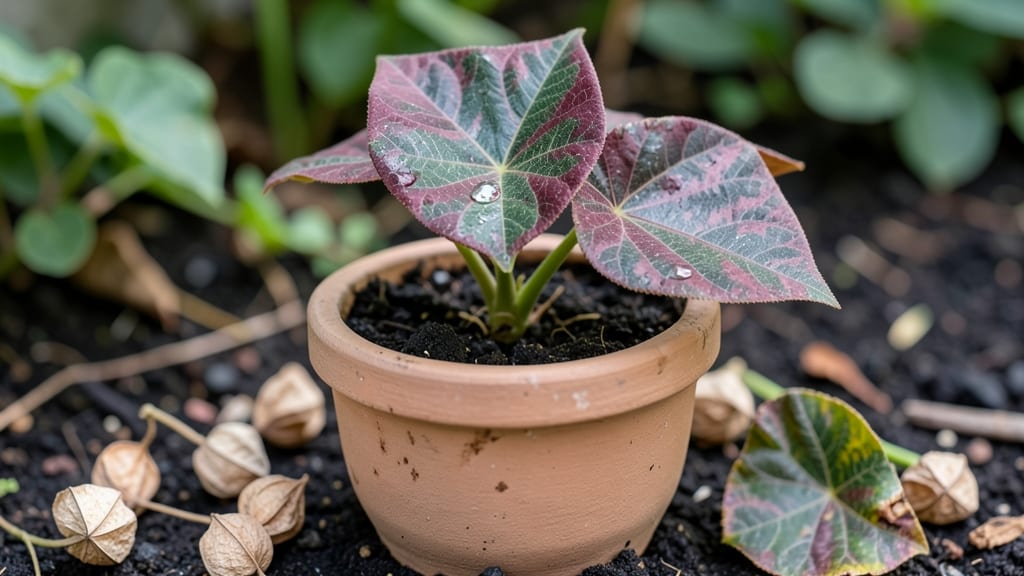
A garden that feels like a new leaf and new life begins with a single bold statement. 🌿 That first new leaf—whether it's a vibrant purple hosta emerging after winter or a deep red coleus pushing through spring soil—is where transformation begins.
My own garden went from tired and overgrown to a year-round canvas of color when I stopped thinking about flowers and started designing for foliage drama instead.
The magic lies in layering plants that wake up at different times: early spring bulbs for the first punch of color, midseason perennials for summer structure, and evergreens to bridge the gaps when everything else rests.
I swapped out half my annuals for low-maintenance foliage plants that bounce back after pruning—think variegated grasses, burgundy heucheras, and chartreuse hostas—and suddenly, my garden felt alive all year, not just in peak summer.
What you end up with is a space that breathes renewal, where every season gets its own character. The crisp snap of new growth in spring, the deep jewel tones of fall foliage, even the quiet elegance of winter's frosted leaves—it's a garden that tells a story of constant rebirth.
The best part? You don't need a green thumb to make it happen; just a willingness to see plants as living brushstrokes on nature's canvas. Start small with just one high-impact foliage plant—like a dramatic 'Black Scallop' heuchera or a towering 'Karl Foerster' grass—and let it anchor your design.
The rest will follow naturally as you notice how colors and textures play together. This approach works for any space, from a tiny city balcony to a sprawling backyard, because the principles are all about contrast, repetition, and that first fresh leaf that makes everything feel possible again.
📚 In This Guide
- What you need
- Instructions
- Tips and common mistakes
- Wrapping up and next steps
What you need
- ● Bold Foliage Plants (10-15 per section): Heuchera (Coral Bells) – 3-5 varieties (e.g., 'Palace Purple,' 'Lime Rickey')
- ● Hosta (e.g., 'Francee,' 'Blue Angel') – 4-6 plants
- ● Hydrangea (e.g., 'Endless Summer,' 'Limelight') – 2-3 bushes
- ● Coral Bells (Heuchera) – 3-5 plants
- ● Japanese Painted Fern – 3-4 plants
- ● Evergreen Accents (3-5 plants): Boxwood (e.g., 'Green Velvet') – 2-3 shrubs
- ● Dwarf Mondo Grass – 5-7 plants
- ● Liriope (e.g., 'Big Blue') – 4-6 plants
- ● Seasonal Color Boosters (5-7 plants): Perennials: Coneflower (Echinacea), Black-Eyed Susan, or Russian Sage
- ● Annuals (for pops of color): Petunias, Impatiens, or Coleus
- ● Garden trowel (for precise planting)
- ● Pruning shears (sharp, for clean cuts)
- ● Garden gloves (durable, breathable)
- ● Wheelbarrow or bucket (for soil/mulch transport)
- ● Measuring tape & stakes (for layout)
- ○ Soil pH tester (optional but helpful)
- ● Mulch (3-4 bags of shredded bark or pine needles)
- ● Decorative garden stakes or labels (for plant ID)
- ● Drip irrigation kit (for low-maintenance watering)
- ● Garden edging (stone, metal, or plastic)
- ● Solar-powered garden lights (for evening ambiance)
- ● Compost or slow-release fertilizer (for nutrient boost)
How to create a year-round bold foliage garden
Here's how I design gardens that stay vibrant through every season—no flowers required.
🌿 Step 1: Choose Plants for Seasonal Layering
Start by selecting plants with staggered growth cycles. I always include evergreens like boxwood or holly for winter structure, spring bloomers such as hellebores, and summer-to-fall workhorses like panicle hydrangeas or Japanese maples. The key is diversity—mix textures (fine, medium, bold) and colors (deep purple, chartreuse, burgundy) to create visual interest year-round.
Look for plants labeled as "four-season interest." For example, a variegated euonymus offers winter color, while a smoke bush lights up in late summer with its fuzzy pink blooms. I sketch a simple layout first, grouping plants by height and color intensity to avoid visual clutter. You'll see the drama unfold as each plant takes center stage in its own season.
🪴 Step 2: Design for Height and Texture Contrast
Create vertical layers by placing tall plants (like ornamental grasses or small trees) at the back, mid-height shrubs (such as dwarf lilacs or abutilon) in the middle, and low-growing ground covers (like ajuga or heuchera) in front. This structure prevents a flat, monotonous look. I always step back every few feet to check for "holes" where the eye might wander.
Texture matters just as much as color. Pair a fuzzy lamb's ear with a spiky acanthus mollis—the contrast creates movement in still photos. For winter interest, include plants with persistent seed heads or bark (like strawberry trees or coral bark maples). You'll notice how the garden feels "alive" even in cold months.
☀️ Step 3: Plan for Sunlight and Microclimates
Map your garden's sunlight patterns throughout the day. Shade-loving plants (such as hostas or ferns) belong in east-facing spots, while sun-worshipers (like canna lilies or black mondo grass) thrive in south or west exposures. I always test areas for 2-3 hours before planting—what seems sunny in summer can turn shady in winter.
Use microclimates to your advantage. A north-facing wall stays cooler, perfect for tender perennials like coleus or impatiens. A south-facing border gets intense heat, ideal for drought-tolerant succulents or ornamental grasses. Group plants with similar light needs together to simplify care. You'll see fewer stressed plants and more vibrant growth.
💧 Step 4: Mulch and Water Strategically
Apply 3-4 inches of mulch (like shredded bark or pine straw) to retain moisture and regulate soil temperature. I always pull mulch back slightly from plant stems to prevent rot. For new plantings, water deeply every other day for the first 2 weeks until roots establish. Mature plants need 1 inch of water weekly, but adjust for rain—stick your finger in the soil; if the top 2 inches feel dry, it's time to water.
Use drip irrigation or soaker hoses to deliver water at the base of plants, avoiding wetting leaves (which can cause fungal issues). I set up a simple timer for morning watering—consistency is key. You'll notice healthier foliage and fewer pests when plants aren't struggling for moisture.
✂️ Step 5: Prune for Shape and Seasonal Renewal
Prune late winter or early spring (just as new growth begins) to shape shrubs and remove dead wood. I use clean, sharp shears and cut at a 45-degree angle just above a bud or branch junction. For ornamental grasses, cut back to 6 inches tall in late winter to encourage fresh growth. Avoid heavy pruning in fall—it stresses plants before winter.
Deadhead spent blooms regularly to redirect energy into foliage production. For example, if your hydrangeas finish blooming, trim them back by 1/3 to encourage next year's flowers. You'll see a resurgence of new leaves and a tidier appearance. I always step back after pruning to check for balance—it's amazing how a few strategic cuts can transform a garden's look.
Tips & tricks for creating a year-round bold foliage garden
These simple strategies will help you transform your garden into a vibrant, four-season showstopper without relying on flowers.
Seasonal Plant Pairing: When selecting plants in Step 1, aim for a "color wheel" approach—pair deep purples with chartreuse and burgundy with gold. For example, combine purple smoke bush with golden variegated euonymus for instant visual pop. I've found that mixing evergreens with deciduous plants labeled "four-season interest" creates that magical continuity. The key is to think about how each plant will perform in its own season while complementing others year-round.
Texture Mapping: In Step 2, create a "texture sketch" before planting. Use different paper textures to represent each plant—smooth for hostas, rough for ornamental grasses, and fuzzy for lamb's ear. This tactile exercise reveals potential clashes before they happen. I always place fine-textured plants next to bold ones to create visual interest, like pairing heuchera with acanthus mollis. The contrast makes each plant stand out more dramatically.
Light Testing: For Step 3, I've developed a simple test: place a white sheet of paper in potential planting spots for 2-3 hours at different times of day. Mark where shadows fall. This reveals microclimates you might miss otherwise. I've caught spots that seem sunny in summer but get shade in winter—critical for plants like coleus that need consistent light. This one step prevents years of struggling plants.
Pro Tips for New Leaf New Life
- These simple strategies will help you transform your garden into a vibrant, four-season showstopper without relying o...
- Seasonal Plant Pairing: When selecting plants in Step 1, aim for a "color wheel" approach—pair deep purples with char...
- Texture Mapping: In Step 2, create a "texture sketch" before planting. Use different paper textures to represent each...
Frequently asked questions
Got questions about transforming your garden into a year-round masterpiece with bold foliage?
Here are some of the most common inquiries—and their answers—to help you get started on your new leaf, new life journey!
How do I choose the right plants for year-round color?
Start by checking your USDA hardiness zone—this determines which plants will thrive in your climate. Mix evergreens (like boxwood or holly) for structure, deciduous shrubs with vibrant fall foliage (such as Japanese maples), and perennials with seasonal blooms (like heuchera or coral bells). Pro tip: Layer plants by height to create depth!
How long does it take to see a dramatic change in my garden?
Most gardens show noticeable improvement within 6–12 months, depending on plant growth rates and maintenance. Fast-growing options like ornamental grasses or hostas can fill in quickly, while slower growers (like boxwood) take 2–3 years to reach full potential. Patience pays off—think of it as a living work of art!
Is this garden design expensive? What’s the budget breakdown?
Costs vary, but here’s a rough estimate for a 500 sq. ft. garden:
Item
Low-End Estimate
High-End Estimate
Plants (mix of perennials/shrubs)
$500–$1,000
$1,500–$2,500
Soil amendments & mulch
$100–$200
$300–$500
Tools (pruners, gloves, etc.)
$50–$100
$150–$300
Labor (if hiring a pro)
$500–$1,500
$2,000+
DIY-ers can cut costs significantly! Start small and expand over time.
What’s the best time of year to plant for long-term success?
For most regions, early spring or fall are ideal—soil is warm but not scorching, and plants establish roots before extreme weather. Avoid planting in summer heat or winter frost unless you’re using cold-hardy species. Check local frost dates to time it perfectly!
Can I revamp an existing garden, or do I need to start from scratch?
You don’t need a blank slate. Assess your current plants—remove dead or invasive species, then fill gaps with complementary foliage. Use mulch to suppress weeds and improve soil. Think of it as a garden facelift! Even small swaps (like replacing dull shrubs with variegated ones) make a big impact.
How do I keep pests and diseases from ruining my bold foliage?
Prevention is key! Choose disease-resistant varieties (ask at nurseries), water at the base (not leaves) to avoid fungal issues, and prune regularly for airflow. Neem oil or insecticidal soap can treat minor infestations. Healthy soil = happy plants!
Wrapping up and next steps
Embracing a new leaf, new life garden isn’t just about transforming your outdoor space—it’s about cultivating joy, resilience, and beauty that thrives year-round. With bold foliage, strategic color layers, and low-maintenance designs, you’ve got everything you need to create a landscape that reflects your vision and stands the test of seasons. 🌿
The next step? Roll up your sleeves and start small. Whether it’s swapping out one tired plant, testing a new color palette in a corner, or sketching your dream layout, every action plants the seeds for a garden that feels alive and uniquely yours. Your fresh start begins now—what will you grow first?