
Leaf Blower
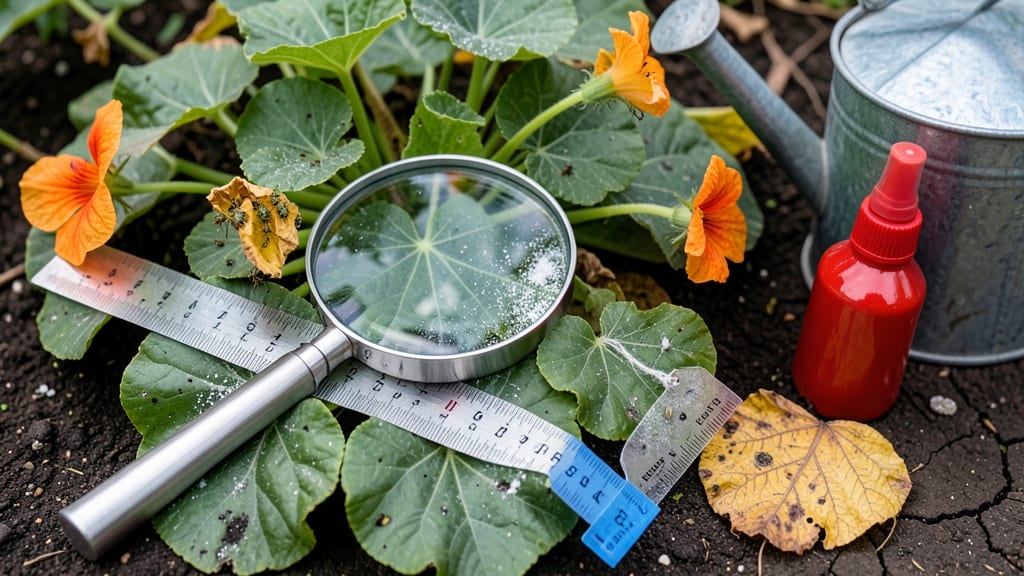
See those nasturtium leaf problems with crispy edges? That’s not just unsightly—it’s a cry for help from your plants. 🌿 I’ve seen this happen after a heatwave, when soil moisture drops faster than the roots can keep up, leaving those pretty blooms with sad, brown-edged leaves.
The good news? This is usually a quick fix—not a disease or pest problem. Overwatering can cause it too, but more often, it’s underwatering or salty soil from tap water buildup.
Nasturtiums are tough, but even they need consistent moisture, especially in hot weather. A simple check of the soil’s top inch tells you everything.
Here’s what works: water deeply in the morning, mulch to lock in moisture, and flush the soil occasionally with rainwater if your tap water leaves white crust. Within days, those crispy edges soften, and your plants bounce back—lush and happy again.
This happens most in summer heat or when pots dry out fast, but it’s rare in well-drained garden beds. The key is catching it early—once leaves start curling, it’s time to adjust your routine. Trust me, your nasturtiums will thank you.
Root Causes of Nasturtium Leaf Woes
If your nasturtium leaves are showing signs of distress—whether it’s crispy brown edges, yellowing patches, or wilting—understanding the why behind these symptoms is the first step to saving your plants. Nasturtiums (Tropaeolum majus) are generally hardy, but they’re not immune to environmental stressors, pests, or cultural mistakes.
Below, we break down the most common culprits, backed by science, so you can diagnose and fix the issue before it spreads.
Nasturtiums thrive in well-draining soil, and when they’re soggy for too long, their leaves start to show the damage. Why does this happen? Excess moisture cuts off oxygen to the roots, leading to root rot (often caused by Phytophthora or Pythium fungi).
As roots suffocate, the plant struggles to absorb water and nutrients, causing:
- Yellowing leaves (chlorosis) due to nutrient uptake failure.
- Brown, mushy edges as cells die from oxygen deprivation.
- Wilting even when soil feels damp—roots can’t support the plant.
Pro tip: 🌡️ Nasturtiums prefer soil that’s moist but not waterlogged. Test drainage by digging a hole, filling it with water, and checking if it drains within 30 minutes. If not, amend soil with perlite or sand, and ensure pots have drainage holes.
Nasturtiums love sunlight, but intense, direct sun—especially in hot climates—can scorch their delicate leaves. Why? When temperatures exceed 90°F (32°C), the plant’s cuticle (a waxy protective layer) can’t regulate moisture fast enough, leading to:
- Crispy, brown edges (like paper burning).
- Bleached or white patches from sun exposure.
- Premature wilting as cells lose turgor pressure.
Pro tip: 🌿 Provide afternoon shade in peak summer or use shade cloth (30-50%) to filter harsh rays. Mulching with straw also helps retain soil moisture and cool roots.
Nasturtiums are highly attractive to pests like aphids, flea beetles, and spider mites—not because they’re weak, but because their leaves are nutrient-rich and tender. How do pests cause leaf problems?
- Aphids (🐜) suck sap, causing sticky residue (honeydew) and yellowing or curling leaves.
- Flea beetles (🐞) chew tiny holes, leading to shotgun-like damage and brown edges.
- Spider mites (🕷️) create fine webbing and speckled, bronzed leaves.
Pro tip: 🔍 Inspect leaves undersides and veins for pests. Blast off aphids with a strong stream of water, use neem oil (1 tsp per liter of water), or introduce ladybugs for natural control.
Nasturtiums are light feeders, but poor soil can starve them of essential nutrients, leading to specific leaf symptoms. Here’s the science:
| Deficiency | Leaf Symptoms | Why It Happens |
|---|---|---|
| Nitrogen (N) | Pale yellow leaves (starting at the bottom) | Nitrogen is crucial for chlorophyll production. Without it, leaves can’t photosynthesize efficiently. |
| Magnesium (Mg) | Interveinal chlorosis (yellow between veins) | Magnesium is central to chlorophyll molecules. Deficiency disrupts photosynthesis, often in older leaves first. |
| Calcium (Ca) | Brown, crispy edges (especially on new growth) | Calcium strengthens cell walls. Without it, cells burst or dry out, leading to "tip burn." |
| Potassium (K) | Brown, dead spots or curling edges | Potassium regulates water and nutrient transport. Deficiency causes osmotic stress, making leaves brittle. |
Pro tip: 💡 Test soil pH (6.0-7.0 is ideal) and amend with compost or balanced fertilizer (5-5-5). For calcium, use crushed eggshells or lime.
Nasturtiums can also suffer from physical damage or chemical exposure, which isn’t always obvious:
- Windburn: Fast-moving air dries out leaf edges, causing brown, papery margins (common in exposed garden beds).
- Salt buildup: Over-fertilizing or using tap water high in sodium can osmotically stress roots, leading to crispy, curled leaves.
- Herbicide drift: Even low concentrations of glyphosate or other systemic herbicides can cause yellowing, stunted growth, and leaf distortion.
Pro tip: 🛡️ Protect plants from wind with windbreaks or trellises. If using tap water, let it sit out for 24 hours to reduce chlorine/salt. Never apply herbicides near nasturtiums.
Quick Fixes for Nasturtium Leaf Woes
When your nasturtium leaves start showing signs of stress—whether it’s brown edges, yellowing, or wilting—don’t panic! With the right approach, you can nurse them back to health and keep future problems at bay.
Below, we’ve mapped out practical solutions tailored to the most common nasturtium leaf issues, along with preventive tips to stop them from recurring.
---
Cause: Nasturtiums hate soggy roots and dry soil. Brown, crispy edges often signal overwatering (root rot) or underwatering (dehydration stress).
How to Fix It: 1. 🔥 Check the Soil Moisture Stick your finger 1 inch deep into the soil. If it’s damp (like a wrung-out sponge), you’re overwatering. If it’s bone-dry, it’s time to hydrate. 2. 💧 Adjust Your Watering Routine - Overwatered? Let the top 2–3 inches of soil dry out between waterings. Improve drainage by adding perlite or coarse sand to pots or garden beds. - Underwatered? Water deeply until it drains from the bottom of the pot (if potted). Mulch around the base to retain moisture. 3. 🌡️ Monitor Humidity & Heat Nasturtiums thrive in moderate humidity. If your climate is hot and dry, water early in the morning to reduce evaporation.
💡 Prevention Tip: Use a moisture meter for accuracy, or opt for self-watering pots if you tend to overwater.
---
Cause: Yellow leaves can mean nitrogen deficiency, fungal infections (like powdery mildew), or over-fertilizing (burning roots).
How to Fix It: 1. 📊 Test Your Soil Nasturtiums prefer slightly acidic to neutral soil (pH 6.0–7.0). If your soil is too alkaline, amend it with peat moss or sulfur. 2. 💪 Feed Them Right - For nitrogen deficiency: Use a balanced, organic fertilizer (like fish emulsion) lightly—nasturtiums are low-maintenance and don’t need heavy feeding. - For fungal issues: Spray leaves with a baking soda solution (1 tsp baking soda + 1 quart water + a drop of dish soap) once a week until symptoms improve. 3. 🌿 Prune & Improve Airflow Remove yellowed or diseased leaves immediately to prevent spread. Space plants 12–18 inches apart for better airflow.
💡 Prevention Tip: Avoid compost-heavy soil—it can lead to over-fertilization. Stick to well-draining, nutrient-light soil.
---
Cause: Wilting can stem from intense heat, pests (like aphids or spider mites), or root-bound stress (if potted).
How to Fix It: 1. ⏰ Provide Shade & Cool Relief Move potted nasturtiums to a shadier spot (morning sun is ideal) or use light shade cloth if in full sun. 2. 👨🍳 Check for Pests - Aphids/Spider Mites? Blast leaves with water to knock them off, then apply neem oil spray (repeat every 5–7 days). - Root-Bound? If roots are circling the pot, repot into a slightly larger container with fresh soil. 3. 🥘 Hydrate & Mulch Water at the base (not overhead) to avoid fungal growth. Apply straw or wood chips mulch to keep roots cool.
💡 Prevention Tip: Rotate pots occasionally if growing indoors to ensure even light exposure and prevent leggy growth.
---
Once your nasturtiums bounce back, proactive care is key: - 🌡️ Water wisely: Aim for 1 inch of water per week (adjust for rain). - 🌿 Deadhead regularly: Remove spent blooms to encourage new growth. - 🔄 Rotate crops: If growing nasturtiums annually, change their location every year to prevent soil-borne diseases.
--- Final Thought: Nasturtiums are hardy but finicky—they’ll reward you with vibrant blooms if you meet their simple needs. With these fixes, your plants should perk up in no time! 🌸
Frequently asked questions about nasturtium leaf problems
Why are my nasturtium leaves turning crispy and brown at the edges?
This is usually a sign of underwatering or overwatering. Nasturtiums need consistent moisture—check the top 1 inch of soil. If dry, water deeply until it drains. If soggy, improve drainage with perlite or sand. Heat stress can also cause this, so mulch to retain moisture and provide afternoon shade in hot climates.
Are yellow leaves on my nasturtiums a serious problem?
Not always! Yellowing can indicate nitrogen deficiency (pale yellow, bottom leaves first) or fungal issues (like powdery mildew). Test your soil pH (6.0-7.0 is ideal) and avoid over-fertilizing. For fungal problems, spray with a baking soda solution (1 tsp baking soda + 1 quart water). Remove diseased leaves immediately to prevent spread.
What should I do if my nasturtium leaves have tiny holes or look chewed?
This is likely flea beetles or caterpillars. Handpick visible pests or use neem oil spray (1 tsp per liter of water) every 5-7 days. For severe infestations, cover plants with floating row covers until pests disappear. Check leaf undersides daily—early action prevents long-term damage.
Can I still use nasturtium leaves with minor damage for cooking?
Yes! Mild issues (like small holes or minor browning) won’t affect flavor. Just rinse leaves thoroughly to remove pests or debris. Avoid using leaves with large brown spots (fungal) or yellowing from nutrient deficiencies, as these may alter taste. Harvest young, tender leaves for the best peppery flavor.
How can I prevent nasturtium leaf problems in the future?
Focus on consistent care: water 1 inch per week (adjust for rain), use well-draining soil, and mulch to retain moisture. Rotate plants annually to prevent soil-borne diseases, and avoid overcrowding for better airflow. Deadhead regularly to encourage new growth. With proper conditions, your nasturtiums will thrive!